
Wondering how much food your dog really needs? Feeding your dog the right amount is more important than you might think.
Too much or too little can affect their health, energy, and happiness. But how do you figure out the perfect portion? The answer lies in your dog’s weight. You’ll discover simple, clear guidelines to help you feed your furry friend just right.
Keep reading to learn how to keep your dog healthy and full of life with the right feeding plan.
Factors Influencing Dog Food Amount
Determining how much to feed your dog isn’t as simple as looking at the number on the scale. Several factors come into play that influence your dog's daily food needs. Understanding these will help you provide the right portions to keep your furry friend healthy and happy.
Breed And Size
Your dog’s breed and size greatly affect how much food they require. Larger breeds like Great Danes need more calories than smaller breeds such as Chihuahuas. Small dogs have faster metabolisms but smaller stomachs, so they eat less but more frequently.
Think about your dog's body type too. Muscular breeds might need more protein, while those prone to obesity require careful portion control. Have you noticed how your dog’s breed traits influence their eating habits?
Age And Activity Level
Age changes your dog's metabolism and energy needs significantly. Puppies and young dogs require more calories to support growth and high activity, while older dogs often need fewer calories to avoid weight gain.
Activity level is just as important. A working dog or one who enjoys long daily walks burns more calories than a couch-loving companion. Do you adjust your dog’s food amount on days when they’re more or less active?
Health Conditions
Health issues can alter your dog’s dietary needs drastically. Dogs with conditions like diabetes, kidney disease, or allergies often need specialized diets and controlled portions.
Even subtle changes, like recovery from surgery, might require you to tweak their feeding amount. Always consult your vet if your dog’s health affects their appetite or energy levels. Have you ever had to change your dog's diet because of health concerns?
Calculating Food Portions By Weight
Calculating the right food portions by your dog's weight helps keep them healthy and active. Each dog has unique needs based on size, age, and activity. Feeding the correct amount avoids weight gain or hunger. Understanding how to measure portions accurately supports your dog's well-being.
Daily Calorie Needs
Dogs burn calories differently based on their weight and lifestyle. Smaller dogs need fewer calories than bigger ones. Active dogs require more energy than less active or older dogs. Use your dog’s weight to estimate daily calorie needs. This number guides how much food to provide every day.
Reading Dog Food Labels
Dog food labels show calories per cup or serving size. Look for the calorie count to match your dog’s daily needs. Labels also list ingredients and nutritional values. This information helps you choose the right type and amount of food. Always check the feeding instructions on the package.
Using Feeding Charts
Feeding charts simplify portion control based on weight ranges. They often show recommended daily food amounts in cups or grams. Use these charts as a starting point for portion sizes. Adjust portions if your dog gains or loses weight. Feeding charts help maintain a balanced diet easily.
Adjusting Portions For Growth Stages
Feeding your dog the right amount depends on their growth stage. Each stage requires different nutrition and portion sizes. Adjusting portions helps maintain healthy weight and energy levels. It supports their body’s changing needs from puppyhood to senior years.
Puppies
Puppies need more calories and nutrients than adult dogs. Their bodies grow fast and burn energy quickly. Feed smaller, frequent meals throughout the day. Choose food rich in protein and fat for muscle and brain development. Monitor their weight and adjust portions to avoid overfeeding.
Adult Dogs
Adult dogs require balanced portions to maintain weight and health. Their energy needs stabilize but vary by activity level. Feed two meals daily with consistent portions. Avoid giving too many treats or table scraps. Measure food carefully to prevent weight gain or loss.
Senior Dogs
Senior dogs often need fewer calories due to lower activity. Their metabolism slows, and digestion changes. Provide smaller portions with quality protein and fiber. Watch for changes in appetite or weight. Adjust food amounts to keep them comfortable and healthy.

Credit: www.amazon.ca
Types Of Dog Food And Their Impact
Choosing the right type of dog food significantly affects how much you should feed your dog by weight. Different foods have varying calorie densities and nutrient profiles, which directly impact portion sizes. Understanding these differences helps you provide balanced meals that meet your dog's unique needs without overfeeding or underfeeding.
Dry Kibble Vs. Wet Food
Dry kibble is the most common dog food type and is known for its convenience and longer shelf life. It usually contains more calories per cup than wet food, so your dog may eat smaller portions but still get enough energy.
Wet food, on the other hand, has higher moisture content, which means it’s less calorie-dense. Dogs eating wet food often need larger portions to meet their energy needs. Have you noticed how your dog’s appetite changes between dry and wet food? This can be a clue to adjusting their feeding amounts.
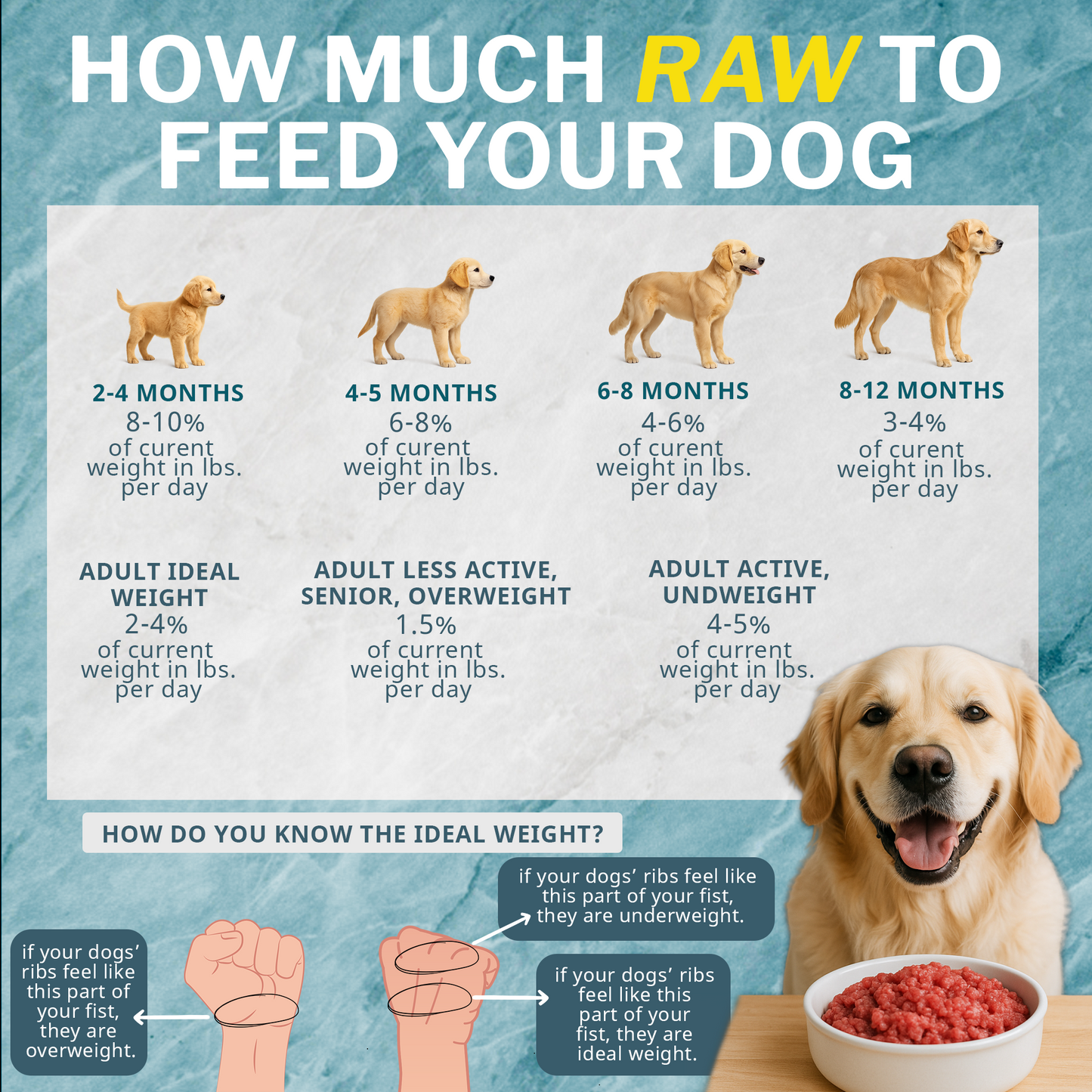
Raw And Homemade Diets
Raw and homemade diets give you full control over ingredients and quality. These diets tend to be less calorie-dense than commercial kibble, so portion size often needs careful calculation based on your dog's weight and activity level.
Feeding raw or homemade meals requires you to balance protein, fat, and carbs precisely. Otherwise, your dog might miss essential nutrients or gain unwanted weight. If you’re considering this route, consulting with a vet or pet nutritionist can prevent common feeding mistakes.
Specialty Diets
Specialty diets include food for dogs with allergies, sensitivities, or specific health issues like kidney disease or obesity. These foods often have modified nutrient profiles and calorie content tailored to support health conditions.
Because these diets vary widely, feeding recommendations by weight can be very different from standard dog food. You’ll need to follow vet guidance closely to avoid overfeeding or underfeeding your dog. Does your dog’s health condition require a unique diet? Adjusting portion size here is crucial to their well-being.
Signs Of Overfeeding And Underfeeding
Feeding your dog the right amount is vital for their health. Overfeeding or underfeeding can cause serious problems. Recognizing the signs helps you adjust their diet in time. Watch for changes in their body, energy, and mood.
Weight Gain And Obesity
Too much food leads to weight gain fast. Obesity puts stress on joints and organs. Dogs may struggle to move or breathe well. Excess weight raises risks for diabetes and heart issues. Check your dog's ribs and waist regularly. If you cannot feel their ribs easily, they might be overweight.
Nutrient Deficiencies
Too little food can cause nutrient shortages. Deficiencies affect skin, coat, and muscle health. Dogs may have dull fur or lose hair. Weak muscles and low energy are common signs. Poor nutrition can weaken the immune system. Your dog might get sick more often. Ensure their food includes all essential vitamins and minerals.
Behavioral Changes
Changes in behavior often reveal feeding problems. Overfed dogs may become lazy or less active. Underfed dogs might show restlessness or constant hunger. Some dogs beg for food or scavenge more. Pay attention to mood swings or irritability. Balanced feeding supports a happy and calm dog.

Credit: www.reddit.com
Tips For Consistent Feeding
Feeding your dog the right amount consistently supports their health and energy. Consistency helps avoid overeating or hunger. It also keeps their digestion smooth and metabolism steady. Follow these simple tips to feed your dog accurately every day.
Measuring Food Accurately
Use a measuring cup or a kitchen scale to portion your dog’s food. Avoid guessing with handfuls. Measure dry and wet food separately for best results. Check the dog food label for serving sizes based on your dog’s weight. Keep the measurement tools clean and ready for every meal.
Feeding Schedule
Feed your dog at the same times daily. This builds a routine and regulates their appetite. Most adult dogs do well with two meals per day. Puppies may need three to four smaller meals. Avoid free-feeding to control portions and prevent overeating.
Monitoring Your Dog’s Weight
Check your dog’s weight regularly using a scale or at the vet. Track changes and adjust food amounts if needed. Watch for signs like a visible waist or ribs showing. A steady weight means your feeding plan works well. Weight monitoring helps catch health issues early.
When To Consult A Veterinarian
Knowing when to consult a veterinarian is vital for your dog's health. Feeding amounts depend on many factors, and a vet can guide you. They help catch problems early and tailor advice to your dog's needs.
Unusual Weight Fluctuations
Sudden weight gain or loss can signal health issues. Rapid changes might mean illness or poor diet. A vet can identify causes and suggest the right feeding plan. Don't ignore unexpected shifts in your dog's weight.
Special Dietary Needs
Some dogs need special diets due to age or breed. Puppies, seniors, and certain breeds have unique nutritional needs. Dogs with allergies or sensitivities require careful food choices. A veterinarian provides safe and balanced meal recommendations.
Health Concerns
Health problems affect how much your dog should eat. Conditions like diabetes, kidney disease, or obesity need specific diets. Vets adjust feeding amounts to support treatment and recovery. Consult a vet to keep your dog healthy and happy.

Credit: www.canadapetcare.com
Frequently Asked Questions
How Much Food Should I Feed My Dog By Weight?
Feed your dog 2-3% of their body weight daily. Adjust based on activity, age, and metabolism for best results.
Does Dog Breed Affect Feeding Amounts?
Yes, larger breeds need more food than smaller ones. Breed also influences nutrient requirements and feeding frequency.
How To Calculate Daily Dog Food Based On Weight?
Multiply your dog’s weight by 0. 02 to 0. 03. This gives the daily food amount in pounds or kilograms.
Can I Feed My Dog Less If Inactive?
Yes, less active dogs require fewer calories. Reduce food quantity to prevent weight gain and maintain health.
Conclusion
Feeding your dog the right amount keeps them healthy and happy. Adjust portions based on their weight and activity. Always watch their body condition. This helps in making adjustments if needed. Consult a vet for personalized advice. Dogs have different needs.
So, understanding your dog's specific requirements is key. Regular check-ins ensure your pet stays in great shape. Healthy food equals a joyful dog. Make feeding a part of your care routine. Enjoy the bond it strengthens. Your furry friend deserves the best nourishment.
Keep learning and adapting.