Feeding your cat the right amount of wet food is crucial for their health and happiness. If you've ever stood in the pet food aisle wondering, "How much should I feed my cat wet food?"
You're not alone. Many cat owners face the same dilemma, wanting to provide just the right balance for their furry friend. You want your cat to thrive, not just survive, and getting their diet right is the first step. In this guide, we'll explore how to determine the perfect portion for your feline companion, helping you feel confident in your feeding choices.
Stick around to discover the secrets of satisfying your cat's appetite while ensuring they stay healthy and full of life.
Benefits Of Wet Food
Wet food offers several advantages that can make a big difference in your cat’s health and happiness. Understanding these benefits helps you decide how much to feed while ensuring your feline friend gets the most from their meals. Let’s look at why wet food often becomes a favorite for both cats and their owners.
Hydration Support
Cats naturally drink very little water, which can sometimes lead to dehydration. Wet food contains about 75-80% moisture, making it a great way to boost your cat’s water intake without forcing them to drink more.
This extra hydration can support kidney health and reduce the risk of urinary tract problems. Have you noticed your cat drinking less water? Adding wet food might be the simple fix they need.
Nutrient Density
Wet food is usually richer in protein and essential nutrients compared to dry food. This nutrient density means your cat gets more of what they need in smaller portions.
Because of this, you might find that you need to feed less wet food by volume, but it packs a bigger punch nutritionally. Paying attention to the feeding guidelines on the packaging can help you balance portion size with nutrient intake.
Palatability
Many cats prefer the taste and texture of wet food over dry kibble. Its softness and aroma make mealtime more enjoyable and can encourage picky eaters to eat enough.
If your cat is finicky or recovering from illness, wet food can be a powerful way to stimulate their appetite. Have you ever switched to wet food and seen your cat’s enthusiasm for meals skyrocket?
Factors Influencing Feeding Amount
Feeding the right amount of wet food to your cat depends on several important factors. These factors help ensure your cat stays healthy and happy. Understanding them can prevent overfeeding or underfeeding. Each cat is unique, so their feeding needs vary.
Cat's Age And Weight
Young kittens need more calories for growth. Adult cats require fewer calories to maintain weight. Older cats often eat less due to lower energy needs. Overweight cats need smaller portions to lose weight safely.
Activity Level
Active cats burn more calories and need extra food. Indoor cats with low activity require less food. Outdoor cats or those who play a lot need larger portions. Adjust feeding amounts based on daily activity.
Health Conditions
Some health issues affect appetite and digestion. Cats with diabetes, kidney problems, or allergies may need special diets. Your vet can recommend proper portion sizes. Monitor your cat’s health and feeding response closely.
Daily Wet Food Requirements
Feeding your cat the right amount of wet food each day supports their health and energy. Cats need a balanced diet to stay active and happy. Wet food provides moisture and nutrients that dry food may lack. Knowing how much to feed helps prevent weight issues and keeps your cat satisfied.
Caloric Needs
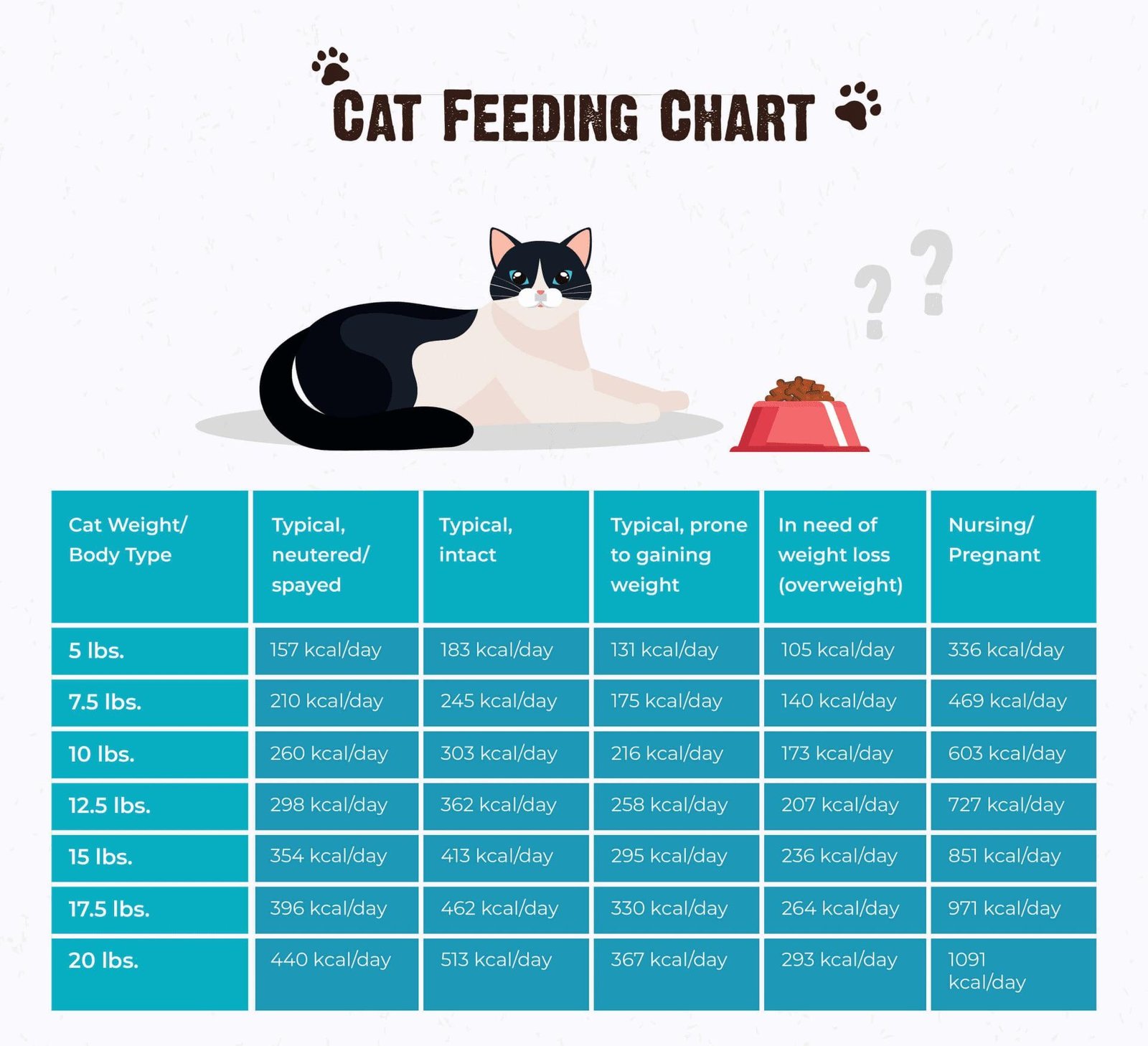
Cats require different calories based on age, weight, and activity level. An average adult cat needs about 20 calories per pound daily. Kittens and active cats need more energy, so their calorie needs increase. Overweight or less active cats need fewer calories to avoid gaining weight.
Portion Size Guidelines
Check the wet food label for calorie content per can or pouch. Divide the daily calorie need by calories in one serving to find the right portion. For example, if your cat needs 200 calories and one can has 100 calories, feed two cans daily. Split meals into two or more servings to keep your cat full and happy.
Adjusting For Treats And Dry Food
Treats and dry food add extra calories to your cat’s diet. Reduce wet food portions if you give treats or dry food regularly. Keep treats less than 10% of daily calories to maintain a balanced diet. Monitor your cat’s weight and adjust food amounts to keep them healthy.
Credit: purinaexpress.com
Feeding Frequency And Schedule
Feeding frequency and schedule play a key role in your cat's health. Cats thrive on routine. Regular feeding times help maintain energy and digestion. Adjusting meal times supports their natural habits. Understanding the best schedule ensures your cat gets the right amount of wet food. This section explores meal timing and feeding styles.
Meal Timing
Most adult cats do well with two meals a day. Feeding your cat in the morning and evening fits their natural hunting pattern. Kittens and pregnant cats need more frequent meals, about three to four times daily. Small, consistent portions keep their blood sugar steady. Avoid large gaps between meals to prevent hunger or overeating.
Try to feed your cat at the same times every day. Cats feel safer with a predictable schedule. This also helps you notice changes in appetite or health quickly. Use a quiet place for feeding to reduce distractions and stress.
Free Feeding Vs. Scheduled Feeding
Free feeding means leaving wet food out all day. It works better with dry food since wet food spoils quickly. Scheduled feeding offers meals at set times only. This method helps control portion size and prevents overeating.
- Free feeding can lead to overeating or food spoilage.
- Scheduled feeding supports weight management and routine.
- Wet food should not be left out more than 20-30 minutes.
Choosing scheduled feeding is safer for wet food. It ensures fresh meals and reduces waste. Observe your cat’s eating habits to find the best approach. Some cats prefer nibbling throughout the day, but most do well with two meals.
Measuring And Serving Wet Food
Measuring and serving wet food correctly is key to keeping your cat healthy and happy. Too much food can lead to weight gain, while too little might leave your feline friend hungry. Understanding how to measure and serve wet food ensures your cat gets the right nutrition every day.
Using Measuring Tools
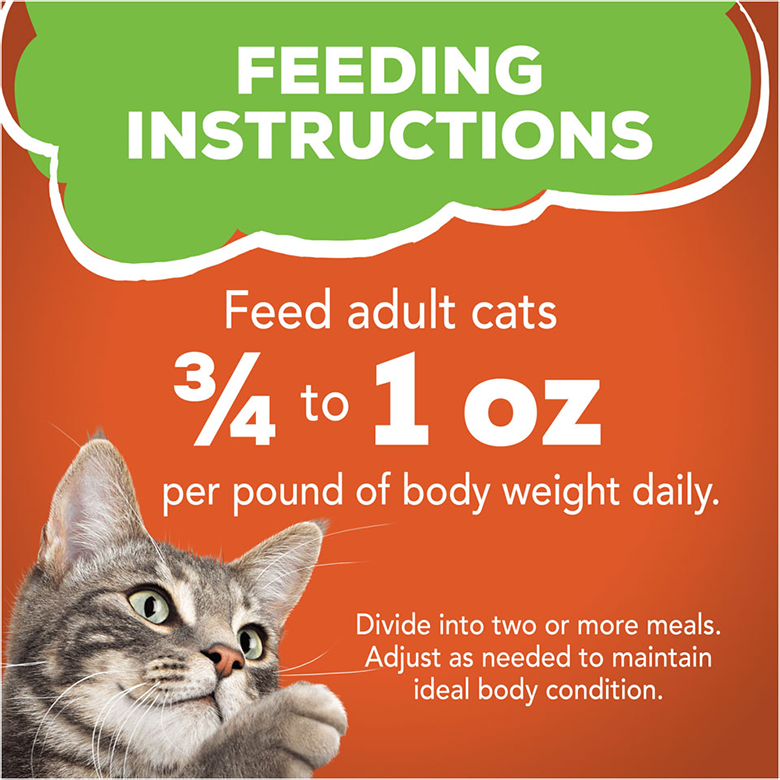
Using a measuring cup or a kitchen scale helps you serve the exact amount of wet food your cat needs. Wet food cans often have feeding guidelines, but these are just starting points. Adjust the portion size based on your cat’s weight, age, and activity level.
I once guessed my cat’s portion size and ended up overfeeding her. Switching to a kitchen scale made a noticeable difference in her energy and weight. Have you checked if your feeding tools are accurate enough?
- Use a digital kitchen scale for precise measurement.
- Measure food before serving, not after.
- Follow feeding charts on the packaging but tweak as needed.
Storage And Freshness Tips
Proper storage keeps wet food fresh and safe to eat. Once opened, store leftovers in an airtight container in the fridge to prevent spoilage and maintain flavor. Feeding your cat spoiled food can cause stomach upset or worse.
I learned this the hard way when my cat refused to eat leftovers that sat too long. Now, I label containers with the date and toss any food after 24 hours. How often do you check your cat’s leftover food?
- Use airtight containers or sealed plastic wrap for leftovers.
- Keep wet food refrigerated at all times after opening.
- Discard any uneaten wet food after 24 hours.
Signs Of Overfeeding Or Underfeeding
Recognizing the signs of overfeeding or underfeeding your cat is crucial for maintaining their health. Cats can’t always tell us when something’s off, so watching for subtle clues can help you adjust their wet food portions effectively. Are you confident your cat's current diet matches their needs?
Weight Changes
One of the clearest signs of feeding issues is unexpected weight change. If your cat starts gaining weight quickly, it might mean you are offering too much wet food. Conversely, noticeable weight loss can signal underfeeding or a health problem.
Weigh your cat regularly and keep a log. Even small shifts over a few weeks are worth noting. If your cat’s weight fluctuates, consider adjusting the food amount and consult your vet.
Behavioral Indicators
Changes in your cat’s behavior can reveal feeding problems. Overfed cats might become lethargic or less interested in play. On the other hand, underfed cats often show increased begging or restlessness.
Watch for mood swings or sudden changes in appetite. Has your cat started meowing more or appearing anxious around feeding times? These behaviors can guide you to tweak their feeding schedule.
Digestive Issues
Wet food portion mistakes can also affect your cat’s digestion. Overfeeding often leads to vomiting or diarrhea because the stomach is overloaded. Underfeeding might cause constipation or dry stools due to lack of sufficient nutrients and fluids.
Monitor your cat’s litter box habits closely. Are there any sudden changes in stool consistency or frequency? Adjusting food quantity and quality can usually resolve these issues, but persistent problems need veterinary attention.
Special Considerations
Feeding your cat wet food involves special factors that affect their diet. Age, health, and diet changes all play a role in how much to serve. Understanding these considerations helps keep your cat healthy and happy.
Kittens And Senior Cats
Kittens need more calories for growth and energy. Feed them smaller, frequent meals to support development. Wet food is easier to chew and digest for young cats.
Senior cats may eat less but need nutrient-rich food. Wet food helps keep them hydrated and supports aging joints. Adjust portions based on activity and weight changes.
Cats With Medical Conditions
Some cats have health issues affecting their diet needs. Kidney disease, diabetes, or obesity require special feeding plans. Consult your vet for the right wet food amount and type.
Wet food can provide extra moisture for cats with urinary problems. Careful portion control can help manage weight and blood sugar levels.
Transitioning From Dry To Wet Food
Switching from dry to wet food takes time to avoid stomach upset. Start by mixing small amounts of wet food with dry food.
Gradually increase wet food over 7 to 10 days. Watch your cat’s reaction and adjust portions if needed. This helps them accept the new diet smoothly.

Credit: ziggyfamily.com
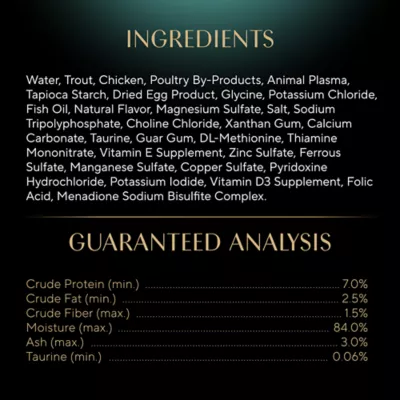
Credit: www.petsmart.com
Frequently Asked Questions
How Much Wet Food Should I Feed My Adult Cat Daily?
Feed your adult cat about 3 to 4 ounces of wet food per 5 pounds of body weight daily. Divide this into two or more meals for better digestion and health.
Can I Mix Wet Food With Dry Food For Cats?
Yes, mixing wet and dry food is beneficial. Wet food adds moisture, while dry food helps dental health. Balance portions to avoid overfeeding.
How Often Should I Feed My Cat Wet Food?
Feed wet food two times a day for adult cats. Kittens may need more frequent meals, typically 3 to 4 times daily.
Does Feeding Too Much Wet Food Cause Weight Gain?
Overfeeding wet food can lead to weight gain. Always follow feeding guidelines based on your cat’s weight and activity level.
Conclusion
Feeding your cat the right amount of wet food keeps them healthy and happy. Watch their weight and energy to adjust portions. Every cat is different, so pay attention to their needs. Consult your vet for advice tailored to your pet.
Balanced feeding supports a long, active life. Small changes can make a big difference in your cat’s well-being. Keep meals consistent and fresh to encourage good eating habits. Trust your instincts and care for your furry friend daily.