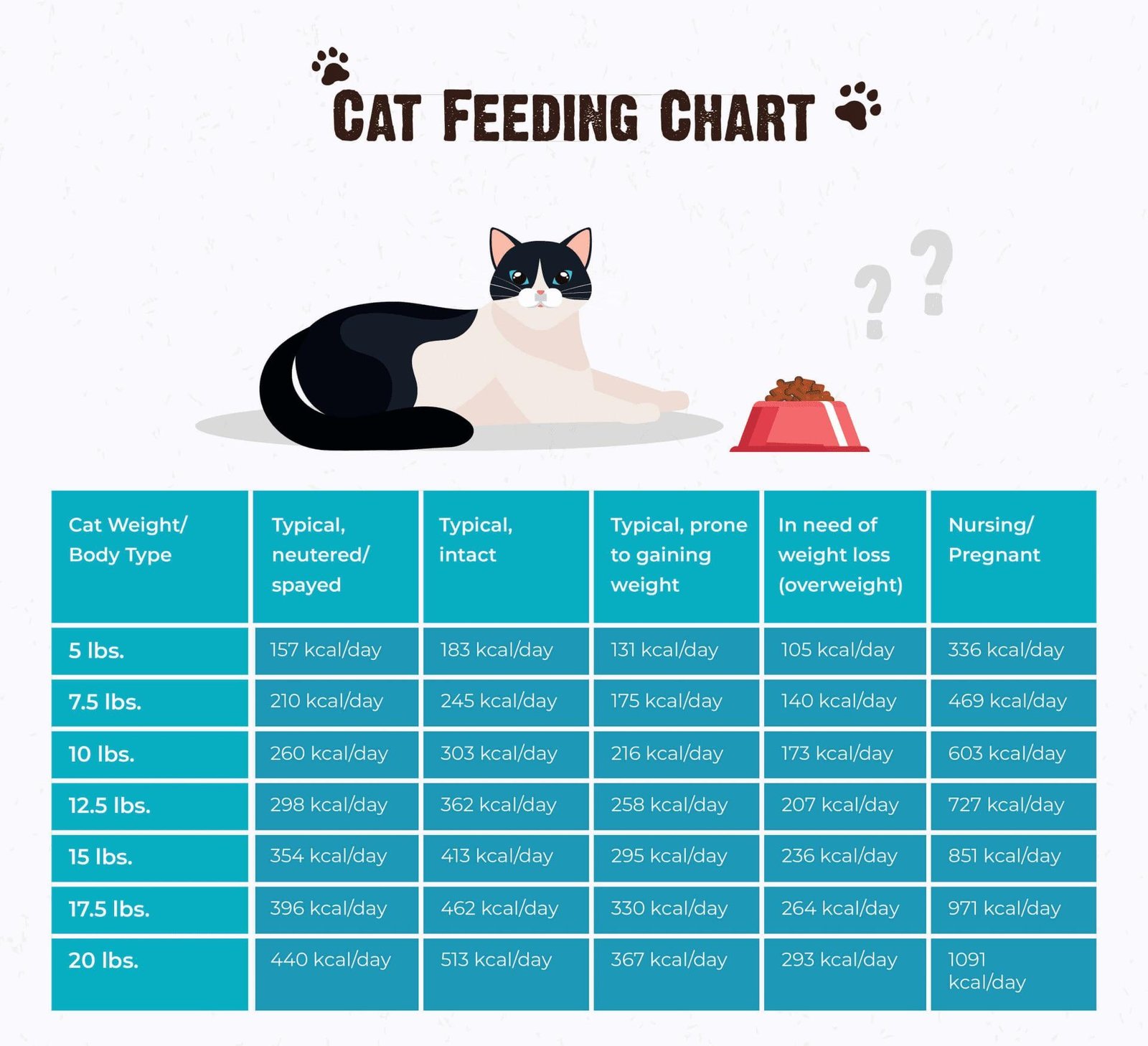
Are you unsure about how much dry food to give your cat each day? Feeding your cat the right amount is key to keeping them healthy and happy.
Too little can leave them hungry, while too much can lead to weight problems. You’ll discover simple, clear guidelines that help you find the perfect feeding balance for your furry friend. Keep reading to learn easy tips that make feeding time stress-free and ensure your cat gets just what they need.
Factors Influencing Cat Food Portions
Determining the right amount of dry food for your cat isn't a one-size-fits-all task. Several factors come into play that affect how much your feline friend needs each day. Understanding these will help you feed your cat properly and keep them healthy and happy.
Age And Life Stage
Kittens require more calories for growth, so they need larger portions relative to their size compared to adult cats. Senior cats often have slower metabolisms and lower energy needs, meaning their portions should be adjusted accordingly. Have you noticed your cat’s eating habits change as they've grown older? This is a clear sign their food portions might need tweaking.
Weight And Body Condition
Maintaining a healthy weight is crucial. Overweight cats need smaller portions to shed pounds, while underweight cats may require more food or higher-calorie options. Regularly checking your cat’s body condition score can guide you in adjusting portions. Think about your cat’s current shape—is it time to cut back or add more food?
Activity Level
Active cats burn more calories and typically need bigger portions to fuel their energy. Indoor cats with limited movement often need less food to avoid weight gain. If your cat suddenly becomes more or less active, their meal size should reflect that change. How much does your cat move around daily?
Health Considerations
Certain health issues, like diabetes or kidney disease, affect dietary needs and portion sizes. Your vet might recommend specific feeding plans or special diets tailored to your cat’s condition. Always consult a professional before making major changes to your cat’s food portions. Have you discussed your cat’s health status and diet with a veterinarian recently?

Credit: kookykibble.co.nz
Calculating Daily Dry Food Amounts
Calculating the right amount of dry food for your cat is important for their health. Cats need the right balance of nutrients and calories daily. Overfeeding can lead to weight gain and health issues. Underfeeding might cause malnutrition or lack of energy. Learning how to measure daily food helps keep your cat healthy and happy.
Reading Feeding Guidelines
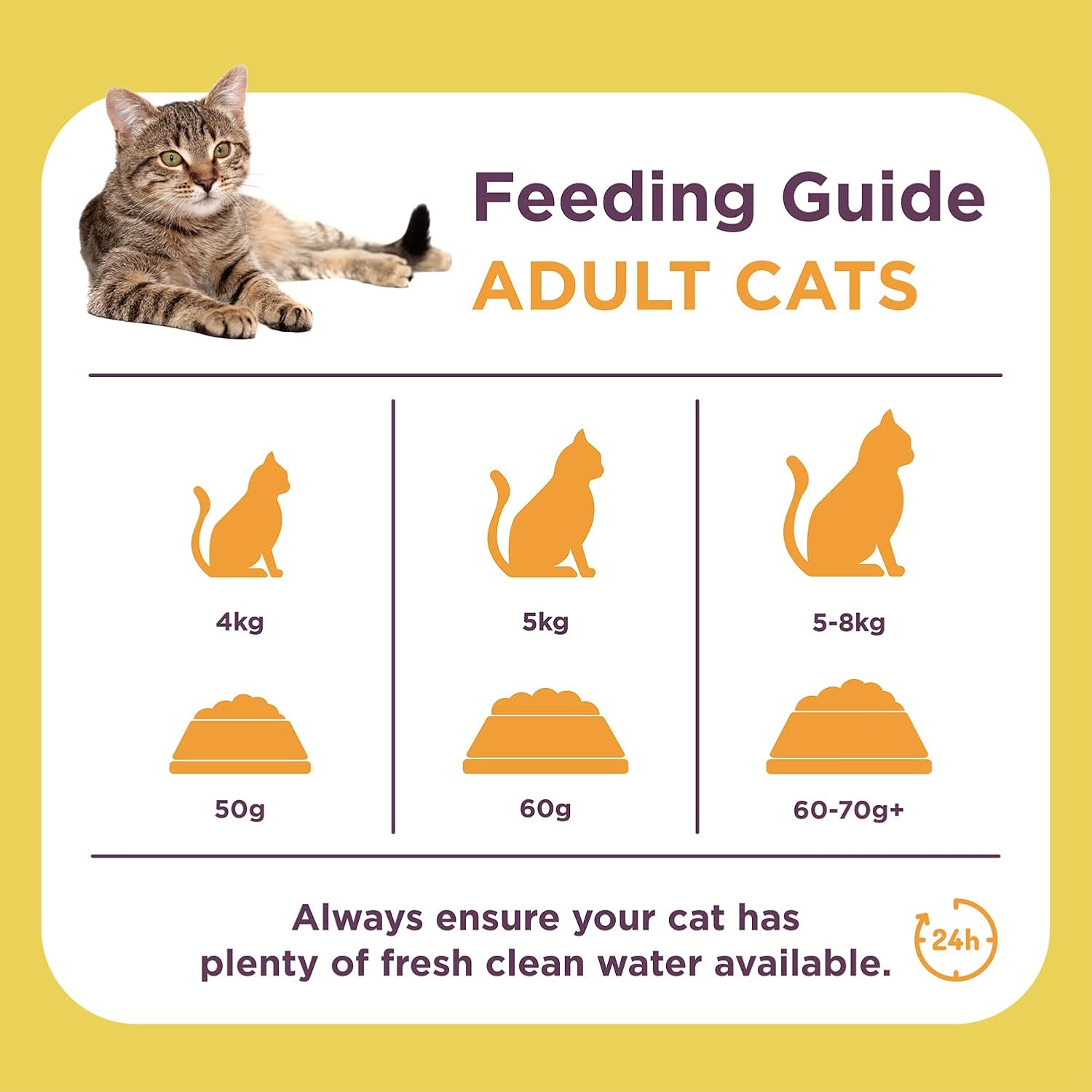
Check the feeding chart on your cat food package first. It often shows amounts based on your cat’s weight. Use these guidelines as a starting point only. Each cat’s needs can vary by age, activity, and health. Look for recommended grams or cups per day. Adjust portions slowly if your cat gains or loses weight.
Adjusting For Caloric Needs
Calculate your cat’s daily calorie needs to fine-tune feeding. Active cats burn more calories and need more food. Older or less active cats require fewer calories. Use this formula to estimate calories:
- Resting Energy Requirement (RER) = 70 × (body weight in kg)0.75
- Multiply RER by a factor depending on activity (e.g., 1.2–1.4 for indoor cats)
Compare your cat food’s calorie content per cup. Adjust feeding amounts to match calorie needs closely.
Using Measuring Tools
Use a dry food measuring cup or a kitchen scale for accuracy. Measuring cups are easy but less precise. A kitchen scale gives exact grams of food. Avoid free feeding to control portions better. Measure food before serving, not by eye. Keep feeding tools clean to avoid contamination.
Balancing Dry Food With Wet Food
Finding the right balance between dry and wet food can make a big difference in your cat's health and happiness. Mixing these two types of food not only offers variety but also helps manage your cat’s hydration and nutritional needs. Let’s look at how you can effectively combine dry and wet food for your feline friend.
Benefits Of Mixed Feeding
Feeding your cat both dry and wet food gives them a wider range of nutrients. Wet food is rich in moisture, which supports kidney and urinary health, while dry food helps keep teeth cleaner due to its texture.
Many cat owners notice their pets enjoy mealtime more when they have options. Have you ever seen your cat perk up at the sound of opening a can? That excitement is a good sign of variety improving their appetite.
Portion Adjustments
When mixing dry and wet food, it's important to adjust portions to avoid overfeeding. Dry food is calorie-dense, so you’ll usually need to reduce the amount compared to feeding dry food alone.
For example, if your cat typically eats 100 grams of dry food daily, you might replace 40 grams of that with an equivalent calorie amount of wet food. Use feeding guidelines on the packaging and monitor your cat’s weight regularly.
Hydration Importance
Wet food can add a significant amount of water to your cat’s diet, which is crucial for cats that don’t drink much water on their own. Proper hydration supports digestion and helps prevent urinary tract issues.
If your cat rarely drinks from their water bowl, mixing in wet food might be the easiest way to boost their water intake. Can you think of ways you can encourage your cat to stay hydrated beyond just food?
Credit: www.purina.com
Common Feeding Mistakes To Avoid
Feeding your cat dry food sounds simple, but many pet owners slip into habits that can harm their furry friends. Recognizing common feeding mistakes helps you keep your cat healthy and happy. Let’s look at some errors you want to avoid to ensure your cat’s diet supports their well-being.
Overfeeding Risks
Giving your cat more dry food than needed can quickly lead to weight gain. Extra calories don’t just add pounds—they can cause health issues like diabetes and joint problems. Have you noticed your cat begging for more even after a full meal? Cats often seek attention or play, not always food.
Measure your cat’s food with a proper scoop instead of guessing. Check the feeding guidelines on the packaging, but adjust based on your cat’s activity level and age. Remember, a leaner cat is often a healthier cat.
Ignoring Weight Changes
It’s easy to overlook subtle weight changes in your cat. Unlike dogs, cats may hide weight gain or loss until it becomes serious. Have you weighed your cat recently or noticed if their collar feels tighter or looser?
Track your cat’s weight regularly using a simple home scale or during vet visits. If you spot changes, adjust feeding amounts immediately and consult your vet if needed. Small tweaks can prevent bigger health problems down the line.
Free-feeding Pitfalls
Leaving dry food out all day might seem convenient, but it often leads to overeating. Cats who free-feed don’t learn portion control and can snack excessively. Does your cat graze constantly or only eat at meal times?
Try timed feeding instead—offer measured portions two or three times daily. This routine helps your cat develop a healthy eating pattern and reduces the risk of obesity. Plus, scheduled meals give you a chance to bond during feeding time.
Tips For Encouraging Healthy Eating Habits
Encouraging healthy eating habits helps your cat stay fit and happy. Consistency and quality matter most. Creating a good feeding routine supports their digestion and energy. Watch their eating patterns closely to notice any changes early.
Scheduled Feeding Times
Set specific times for feeding your cat dry food. Cats thrive on routine and feel secure with regular meals. Avoid leaving food out all day to prevent overeating. Feed them two to three times daily at the same hours.
Monitoring Intake
Keep track of how much your cat eats each day. Measure the dry food portions to avoid feeding too much or too little. Watch for signs like leftover food or begging that indicate hunger or fullness. Adjust portions based on your cat’s weight and activity level.
Choosing Quality Dry Food
Select dry food with high protein and balanced nutrients. Look for products with real meat listed first in ingredients. Avoid fillers like corn or excessive grains that offer little nutrition. Quality food supports your cat’s overall health and energy.
Credit: pet-supermarket.co.uk
Frequently Asked Questions
How Much Dry Food Does A Cat Need Daily?
Cats typically need about 1/4 to 1/3 cup of dry food daily. This varies by age, weight, and activity level. Always check the food packaging for feeding guidelines and adjust portions as needed for your cat’s health.
Can Overfeeding Dry Food Harm My Cat?
Yes, overfeeding dry food can cause obesity and health issues. It’s important to measure portions and avoid free-feeding. Monitor your cat’s weight regularly and consult a vet for a balanced diet plan.
How To Adjust Dry Food Amounts For Kittens?
Kittens need more frequent, smaller meals with higher calories. Feed them about three to four times daily until six months old. Follow specific kitten food guidelines for portion sizes to support healthy growth.
Should I Mix Wet And Dry Food For Feeding?
Mixing wet and dry food can provide balanced nutrition and hydration. It also adds variety to your cat’s diet. Ensure total daily calories meet your cat’s needs to prevent overfeeding.
Conclusion
Finding the right amount of dry food for your cat is crucial. Balance is key. Overfeeding can lead to obesity. Underfeeding might cause nutritional deficiencies. Always consider your cat's age, size, and activity level. Check with your vet for personalized advice.
Be attentive to your cat’s eating habits. Adjust portions if needed. Quality food matters. Choose a trusted brand with essential nutrients. Monitor your cat’s weight regularly. Healthy weight means a happy cat. Keep fresh water available at all times. Your cat's well-being depends on proper feeding.
Love your pet by feeding wisely.