Are you wondering just how much dry food your cat should eat each day? You're not alone.
Many cat owners struggle with finding the right balance to ensure their furry friends stay healthy and happy. After all, you want to give your feline the best care possible, right? Imagine feeling confident every time you fill your cat's bowl, knowing you're providing the right amount of nutrition.
We'll uncover the key factors to consider when determining the ideal daily dry food intake for your cat. Stick around, and you'll discover simple tips that make feeding time stress-free for both you and your kitty.
Daily Dry Food Needs
Understanding your cat’s daily dry food needs is essential to keep them healthy and energetic. Cats don’t all eat the same amount, and their diet should reflect their unique lifestyle and body requirements. Paying close attention to how much dry food you provide daily can prevent underfeeding or overfeeding, both of which can cause health issues.
Calorie Requirements By Age
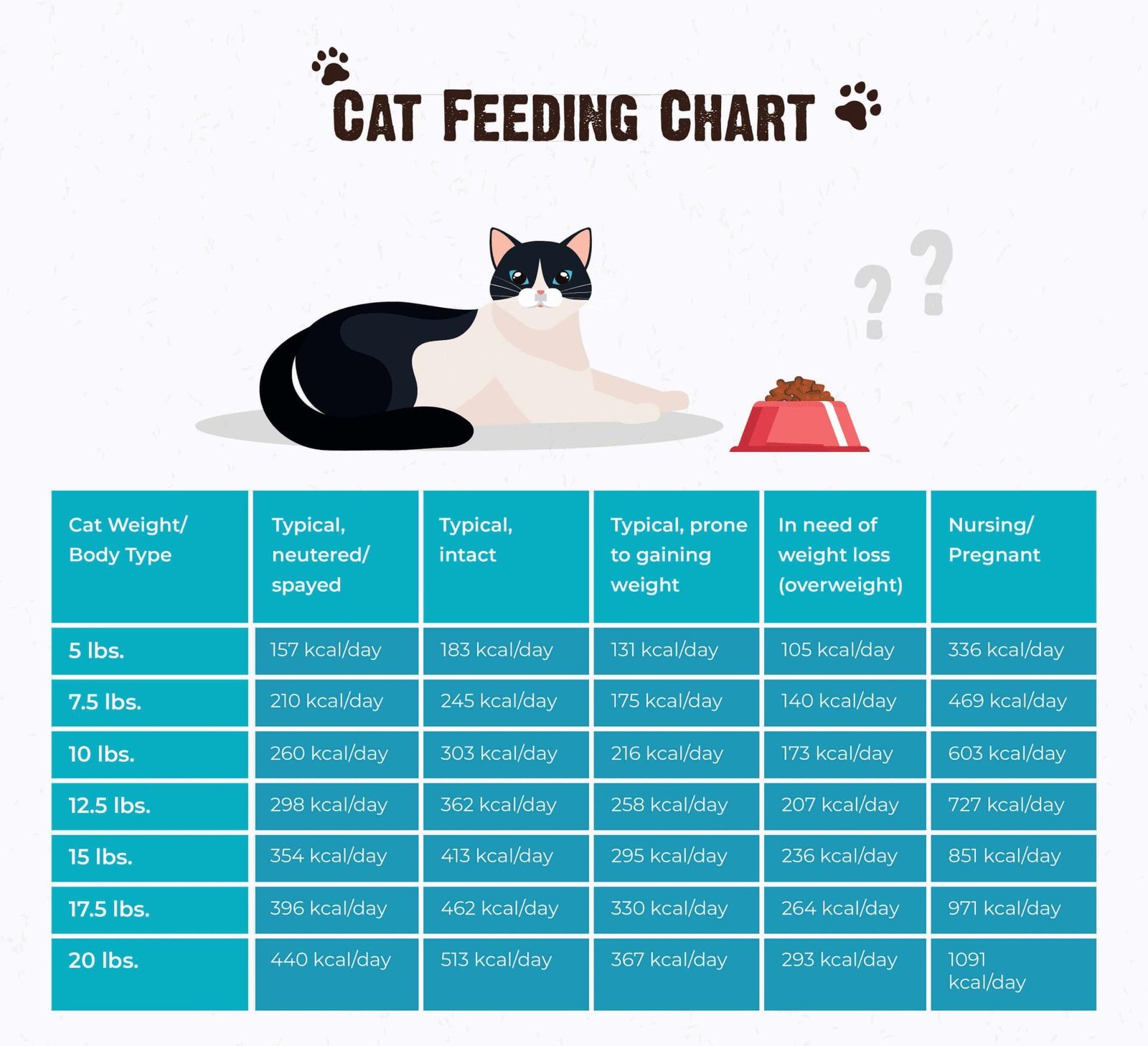
Kittens need more calories per pound than adult cats because they are growing rapidly. On average, a kitten requires about 200-250 calories daily, while adult cats need around 150-200 calories. Senior cats often need fewer calories due to reduced activity and metabolism changes.
Here’s a quick calorie guide:
| Life Stage | Daily Calorie Needs |
|---|---|
| Kitten (up to 1 year) | 200-250 calories |
| Adult (1-7 years) | 150-200 calories |
| Senior (7+ years) | 120-160 calories |
Factors Affecting Food Intake
Not every cat will eat the same amount, even if they are the same age. Breed, health conditions, and metabolism all play a role in how much dry food your cat needs. For example, a very active Siamese cat might eat more than a sedentary Persian.
Also, consider if your cat is spayed or neutered; this can reduce their energy requirements. Illnesses such as diabetes or kidney disease might require special feeding plans. Always watch your cat’s weight and body condition to adjust their food intake accordingly.
Adjusting Portions For Activity
Activity level directly impacts how much dry food your cat should get. A playful, outdoor cat burns more calories and needs larger portions than a mostly indoor, calm cat. If you notice your cat gaining weight, it might be time to reduce portions or increase their playtime.
Try this approach:
- Monitor your cat’s weight weekly.
- Adjust food portions gradually, about 10% at a time.
- Keep track of their energy and mood to see if changes are working.
Have you ever noticed your cat eating less during colder months or after a vet visit? These subtle shifts can mean your cat’s daily dry food needs are changing. Paying attention keeps your feline friend healthy and happy.
Credit: www.purina.com
Measuring Dry Food
Measuring dry food accurately is crucial to maintain your cat’s health and avoid weight issues. It’s not just about filling the bowl but ensuring the portion matches your cat’s daily nutritional needs. Getting the right amount can prevent overeating and help your cat stay active and happy.
Using Standard Measuring Tools
Using a standard measuring cup or scoop designed for pet food is the easiest way to portion dry food. Kitchen measuring cups marked in milliliters or cups give you consistent results every time. Avoid guessing with handfuls, as this often leads to overfeeding.
Some pet owners use digital kitchen scales for even more precision. Weighing the food ensures you give exactly the recommended grams or ounces, especially if the feeding guidelines are based on weight, not volume.
Converting Calories To Cups
Cat food packaging usually lists the calorie content per cup or per serving. To feed the correct amount, you need to match your cat’s daily calorie needs with the food’s calories per cup. For example, if your cat needs 250 calories a day and the food has 400 calories per cup, you would feed about ⅔ of a cup.
It helps to create a simple conversion chart for your cat’s specific food. This way, you can quickly see how many cups to serve without constantly recalculating. Have you checked the calorie info on your cat’s food recently? It might surprise you how much difference it makes.
Avoiding Overfeeding
Overfeeding dry food is a common mistake because it looks harmless to top off the bowl. But those extra bites add up fast and can lead to obesity and health problems. Stick to the measured portions and resist the urge to free-feed.
Watch your cat’s weight and adjust portions as needed. If your cat is gaining weight or acting sluggish, it might be time to reduce the amount slightly. Remember, quality matters as much as quantity—choose nutrient-dense food and measure carefully.
Special Considerations
Feeding your cat dry food isn't a one-size-fits-all situation. Different cats have unique needs based on their age, weight, and health status. Understanding these special considerations helps you give your cat the right amount of food and keeps them healthy and happy.
Feeding Kittens Vs Adults
Kittens need more calories and nutrients than adult cats because they are growing rapidly. Their metabolism is faster, so they require frequent meals throughout the day. You might feed a kitten three to four times daily, while adult cats usually do well with two meals a day.
Keep in mind, kittens benefit from food rich in protein and fat. If you feed your adult cat the same amount as a kitten, you risk overfeeding and weight gain. Adjust the portions as they grow to match their changing needs.
Diet For Overweight Cats
If your cat is overweight, feeding the usual amount of dry food can make the problem worse. Cut back on portions and choose a dry food formula designed for weight management, which is lower in calories but still filling.
Measure your cat’s food carefully and avoid free-feeding (leaving food out all day). Instead, set specific meal times and control treats. This helps prevent overeating and encourages a healthier weight.
Cats With Health Issues
Cats with health problems like diabetes, kidney disease, or allergies often need special diets. For example, a cat with kidney disease may require food lower in protein and phosphorus.
Always check with your vet before changing your cat's diet. Your vet can recommend the best dry food and portion sizes tailored to your cat’s condition.

Credit: applaws.com
Feeding Schedule Tips
Setting up the right feeding schedule for your cat can make a huge difference in their health and happiness. It’s not just about how much dry food you give but also when and how often you feed them. Let’s look at some practical tips to help you create a routine that fits both your cat’s needs and your lifestyle.
Meal Frequency Options
Cats can thrive on different meal frequencies depending on their age, activity level, and health. Some cats do well with two meals a day—morning and evening—while others benefit from smaller, more frequent meals throughout the day.
Try observing your cat’s behavior to find the best option. If your cat seems hungry between meals or overeats quickly, adjusting the number of meals might help. You might start with three small meals and then shift to two if that works better.
Free Feeding Risks
Leaving dry food out all day, also known as free feeding, might seem convenient but it comes with risks. Cats can overeat and gain weight, which leads to health problems like diabetes and joint pain.
I once had a cat who was free-fed and quickly became overweight. Switching to scheduled meals helped him lose weight and feel more energetic. Think about whether free feeding suits your cat’s personality and weight goals before choosing this method.
Encouraging Healthy Eating Habits
Encouraging your cat to eat at regular times helps prevent overeating and keeps their digestive system on track. Use a consistent spot and bowl for feeding to create a sense of routine.
Try to minimize distractions during meal times. You can also use puzzle feeders or slow-feed bowls to make eating more engaging and to prevent gulping. What small changes could you make today to improve your cat’s eating habits?
Choosing The Right Dry Food
Choosing the right dry food for your cat is essential for their health and energy. Cats need balanced nutrition to stay active and happy. Not all dry foods are created equal. Picking the best one requires understanding ingredients, quality, and special diet needs.
Reading Ingredient Labels
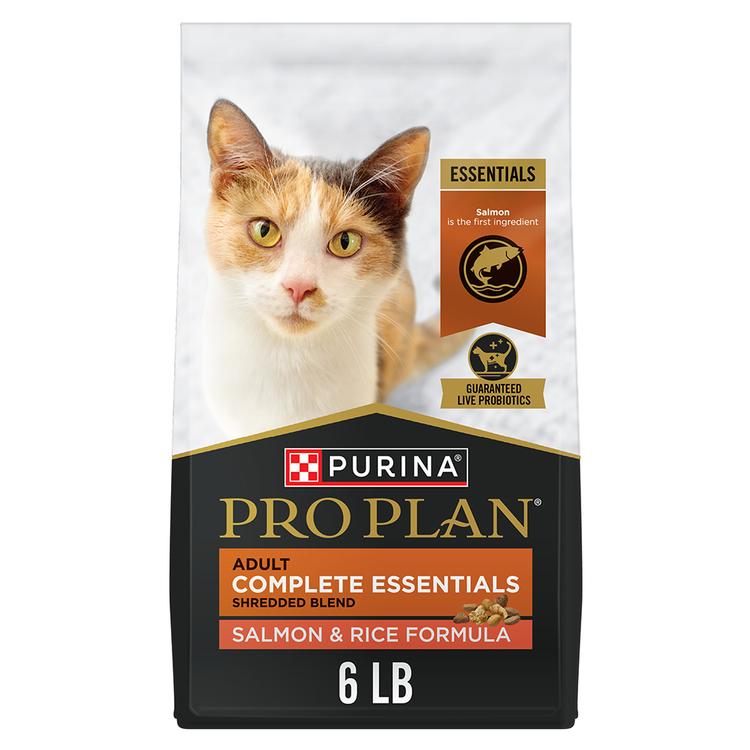
Check ingredient lists carefully. The first ingredients should be real meat, like chicken or fish. Avoid foods with too many fillers such as corn or wheat. Look for named proteins, not vague terms like “meat by-products.” Ingredients are listed by weight, so the top few are the most important. Also, check for added vitamins and minerals to support your cat’s health.
High-quality Vs Budget Brands
High-quality dry foods usually use better ingredients. They have more protein and fewer fillers. Budget brands may have less meat and more grains. Cheap food can cause weight gain or allergies. Spending a little more on quality food helps your cat’s digestion and coat. Think about long-term health, not just price.
Grain-free And Special Diets
Grain-free foods suit cats with allergies or sensitive stomachs. Cats are carnivores and do not need grains for energy. Some cats need special diets for kidney health or weight control. Consult your vet before switching to a special diet. The right food supports your cat’s unique health needs.
Credit: companion-vets.com
Frequently Asked Questions
How Much Dry Food Should A Cat Eat Daily?
A cat typically needs 1/4 to 1/3 cup of dry food daily. This depends on their age, weight, and activity level. Always check the pet food label for specific feeding guidelines.
Can Overfeeding Dry Food Harm My Cat?
Yes, overfeeding dry food can cause obesity and health problems. Monitor your cat’s weight and adjust portions accordingly. Consult your vet for personalized feeding advice.
How Often Should I Feed My Cat Dry Food?
Most cats do well with two meals per day. Divide the daily recommended portion into morning and evening servings for best results.
Does A Cat’s Age Affect Dry Food Quantity?
Yes, kittens need more calories than adult cats. Senior cats may require fewer calories. Adjust feeding amounts based on life stage and energy needs.
Conclusion
Feeding your cat the right amount of dry food matters a lot. Too much can cause weight gain and health problems. Too little may leave your cat hungry or weak. Watch your cat’s weight and energy to decide the right portion.
Remember, each cat is different. Consult your vet for the best advice. Balanced feeding keeps your cat happy and healthy every day. Simple steps make a big difference in your cat’s life.