If you’re thinking about feeding your dog raw chicken, you probably have one big question: how much is just right? Giving your dog too little might leave them hungry and lacking nutrients.
Too much, and you could risk upsetting their stomach or causing other health issues. Finding the perfect balance is key to keeping your furry friend happy and healthy. You’ll discover simple guidelines and expert tips that make feeding raw chicken easy and safe.
Keep reading to learn exactly how to get it right for your dog.
Benefits Of Raw Chicken For Dogs
Feeding your dog raw chicken can offer several benefits that go beyond just being a tasty treat. Many dog owners notice positive changes in their pets after adding raw chicken to their diet. But what exactly makes raw chicken a valuable addition to your dog’s meals?
Nutritional Value
Raw chicken is rich in high-quality protein, which is essential for your dog's muscle growth and energy. It also contains important vitamins like B6 and niacin, which support brain function and metabolism.
Unlike processed dog foods, raw chicken provides natural nutrients without fillers or additives. This means your dog gets more of what they need to stay healthy and active.
Improved Digestion
Many dogs experience better digestion when eating raw chicken. The natural enzymes in raw meat help break down food more efficiently in their stomachs.
If your dog has had issues with constipation or irregular bowel movements, raw chicken might help ease those problems. You might even notice less stool volume and a more regular bathroom schedule.
Healthier Coat And Skin
Have you ever touched a dog with a shiny, soft coat and wondered what their secret was? Raw chicken can be a big part of it. The healthy fats and proteins support skin repair and keep fur looking vibrant.
Dogs on raw diets often show fewer signs of itching, dryness, or flakiness. Adding raw chicken might improve your dog's coat faster than any shampoo or topical treatment.
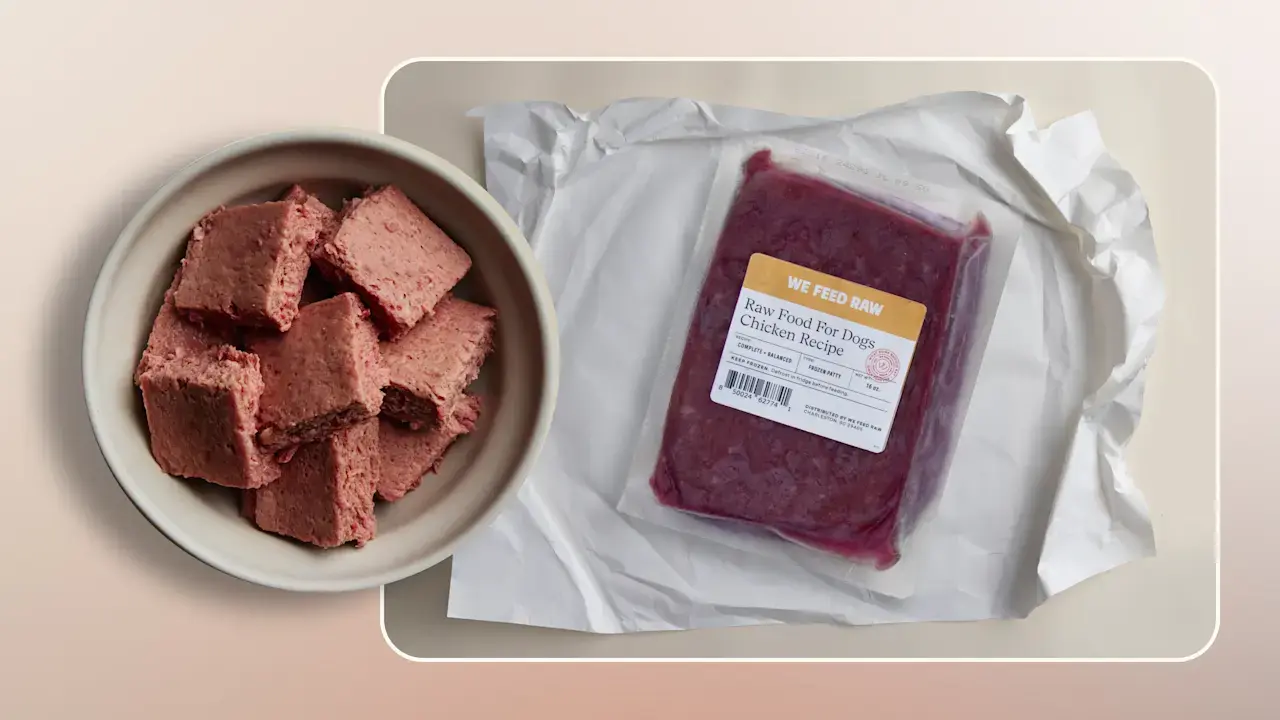
Credit: wefeedraw.com
Factors Influencing Portion Size
Determining the right amount of raw chicken to feed your dog isn’t a one-size-fits-all task. Several factors influence portion size, ensuring your furry friend gets just what they need without overeating or missing vital nutrients. Understanding these factors helps you tailor meals to your dog’s unique requirements.
Dog's Weight And Breed
Your dog’s weight plays a crucial role in deciding how much raw chicken to serve. Larger breeds like Labradors or German Shepherds need more calories and protein compared to smaller breeds such as Chihuahuas or Dachshunds. Feeding a tiny dog the same portion as a big dog can lead to weight gain or digestive issues.
Breed also affects metabolism and energy needs. Active working breeds generally require more food, while less active breeds might need smaller portions. Think about your dog’s build and breed traits when planning their meals.
Activity Level
How active your dog is greatly impacts their food intake. A dog that enjoys daily long walks, runs, or playtime burns more calories and will need more raw chicken to stay energized. On the other hand, a couch-loving dog with minimal exercise might need less food to avoid gaining excess weight.
Have you noticed how your dog’s appetite changes after a big play session? Adjusting portion sizes based on their daily activity helps maintain a healthy balance.
Age And Health Condition
Puppies and younger dogs are growing fast, so they require more protein and calories to support development. Older dogs often have slower metabolisms and might need smaller portions or special diets to manage health issues.
If your dog has health conditions like kidney problems or allergies, feeding raw chicken needs careful portion control and sometimes veterinary advice. Watching your dog’s weight, energy, and overall health will guide you in adjusting the amount you feed.
Calculating The Right Amount
Figuring out the right amount of raw chicken to feed your dog can feel tricky at first. You want to provide enough to meet their nutritional needs without overfeeding. Getting this balance right supports their health and keeps mealtime enjoyable for both of you.
General Feeding Guidelines
Most dogs do well when fed about 2-3% of their body weight in raw food daily. This includes the chicken and any other ingredients if you're mixing a balanced raw diet.
- For a 30-pound dog, this means roughly 0.6 to 0.9 pounds (about 9.6 to 14.4 ounces) of raw chicken per day.
- Smaller dogs need less, while larger dogs need more, but sticking within this range is a good starting point.
- Keep in mind factors like age, activity level, and metabolism can shift these amounts.
Using Body Weight Percentage
Calculating food based on body weight is one of the most reliable methods. It helps you tailor portions precisely to your dog’s size.
| Dog's Weight | Daily Food Amount (2%) | Daily Food Amount (3%) |
|---|---|---|
| 10 lbs | 0.2 lbs (3.2 oz) | 0.3 lbs (4.8 oz) |
| 30 lbs | 0.6 lbs (9.6 oz) | 0.9 lbs (14.4 oz) |
| 50 lbs | 1.0 lbs (16 oz) | 1.5 lbs (24 oz) |
Try starting at 2.5% and adjust from there based on how your dog responds. Are they maintaining a healthy weight? Do they seem satisfied or still hungry after meals?
Adjusting Portions Over Time
It's important to revisit portion sizes regularly. Your dog’s needs may change due to growth, weight changes, or activity level shifts.
- If your dog gains weight too quickly, reduce the amount slightly.
- If they appear lean or are losing weight, increase the portion.
- Monitor their energy and digestion as clues to how well the portion size suits them.
Feeding raw is a learning process. You’ll get better at reading your dog’s signals and fine-tuning their diet. How often do you check in on your dog's weight and adjust their food? Making small tweaks can make a big difference in their health.

Credit: thepetgal.com
Preparing Raw Chicken Safely
Preparing raw chicken for your dog requires careful attention to safety. Ensuring the chicken is fresh and free from harmful substances protects your pet from illness. Handling and storing raw chicken properly reduces the risk of contamination for both you and your dog.
Choosing Quality Chicken
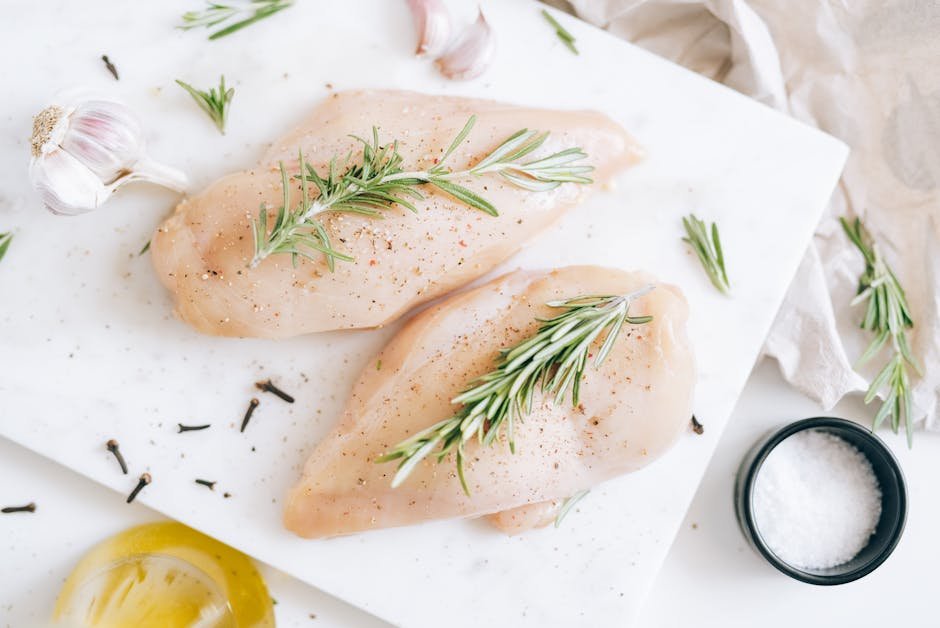
Select chicken that is fresh and from a trusted source. Organic or free-range options often have fewer additives and better nutritional value. Look for chicken with no unusual smell or discoloration—freshness is key to your dog's health.
Have you ever noticed how some packages feel colder or more moist? This can be a sign the chicken is fresher. Buying from local butchers or reputable stores can make a difference in quality.
Avoiding Harmful Additives
Check the label carefully to avoid chicken with added preservatives, antibiotics, or flavor enhancers. These additives can harm your dog’s digestion or cause allergic reactions. Plain, unseasoned chicken is always the safest choice.
Even if a product claims to be “natural,” double-check for any hidden chemicals. Your dog’s health depends on what you feed them, so choose simple and clean ingredients. Have you ever found strange ingredients in pet food? It’s worth getting into the habit of reading labels thoroughly.
Safe Handling And Storage
Always wash your hands before and after touching raw chicken. Use separate cutting boards and utensils to prevent cross-contamination. Clean all surfaces with hot, soapy water immediately after preparation.
Store raw chicken in the coldest part of your fridge and use it within 1-2 days. If you buy in bulk, freeze portions in airtight containers to maintain freshness. Thaw frozen chicken in the fridge, not at room temperature, to avoid bacterial growth.
Do you have a routine for cleaning up after handling raw meat? Small habits like these protect your home and keep your dog safe from harmful bacteria.
Common Mistakes To Avoid
Feeding your dog raw chicken sounds straightforward, but many pet owners make avoidable mistakes that can affect their dog’s health. Understanding these common pitfalls helps you provide the right amount and type of raw chicken safely. Let’s look at the errors to watch out for so your dog stays happy and healthy.
Overfeeding Risks
Giving your dog too much raw chicken can cause more harm than good. Excess protein may strain your dog’s kidneys and upset their digestive system, leading to diarrhea or vomiting.
I once saw a friend overfeed their dog raw chicken because they thought more was better. The dog ended up with stomach issues and needed a vet visit. Are you sure your dog’s portion size is just right?
Stick to portion guidelines based on your dog’s weight and activity level. Keep an eye on their energy and stool quality to adjust feeding amounts as needed.
Ignoring Balanced Diet
Raw chicken alone doesn’t provide all the nutrients your dog needs. Feeding only chicken can cause deficiencies in calcium, vitamins, and other essential minerals.
One dog owner I know fed raw chicken exclusively for weeks, and the dog developed brittle bones. Dogs need a variety of foods or supplements to stay balanced.
Think about how you can add veggies, organs, or bones safely to your dog’s diet. Have you checked if your dog’s meals cover all nutritional bases?
Feeding Unsafe Parts
Not every part of raw chicken is safe for dogs. Bones that are cooked or too hard can splinter and cause choking or internal injuries.
Some people feed chicken skin thinking it’s a tasty treat, but it’s high in fat and can lead to pancreatitis. Avoid feeding your dog wings or neck bones without proper knowledge.
Learn which parts are safe to feed raw and which to skip. When in doubt, consult your vet to prevent accidental harm.
Signs Of Proper Portioning
Knowing if you’re feeding your dog the right amount of raw chicken isn’t always clear-cut. Watching for signs that indicate proper portioning helps you adjust meals to meet your dog’s unique needs. These signs show up in your dog’s weight, energy, and digestion, giving you real feedback on how well you’re feeding them.
Healthy Weight Maintenance
Your dog’s weight is a key indicator of whether you’re feeding the right portions. If you notice your dog is gaining or losing weight unexpectedly, it might be time to adjust the amount of raw chicken. Keep a regular check on their body condition—are their ribs easily felt but not seen? This balance means you’re on track.
Remember, even small changes in feeding can impact weight. Consistency is important, but so is flexibility as your dog’s needs change with age or activity.
Energy Levels
Watch how your dog behaves after meals. Proper portioning usually results in steady energy throughout the day. If your dog seems sluggish or overly hyper, the amount of food could be off.
For example, a dog that feels tired right after eating might be getting too much at once, while low energy between meals could mean they need more fuel. Adjust your portions and observe how their stamina changes.
Digestive Health Indicators
Digestive health gives you clear clues about feeding amounts. Look for signs like regular bowel movements and firm stools. Loose stools, diarrhea, or constipation may signal the raw chicken portion is too large or too small.
Also, check if your dog shows any discomfort, such as bloating or gas. These signs mean it’s time to rethink the quantity or even the balance of ingredients in their meal.
Consulting Your Veterinarian
Feeding raw chicken to your dog can be a healthy choice, but it’s essential to get the right amount and ensure it fits your dog's unique needs. Consulting your veterinarian is the best way to make sure your feeding plan is safe and effective. Your vet can help you avoid common pitfalls and tailor the diet specifically for your dog's health and lifestyle.
Personalizing Feeding Plans
Every dog is different, with variations in size, age, activity level, and metabolism. Your veterinarian can help you create a feeding plan that matches your dog’s individual requirements. For instance, a small, sedentary dog needs much less raw chicken than an active working dog. Have you noticed how your dog’s energy changes with different food amounts? Your vet’s advice can make those adjustments easier and more precise.
Monitoring Health Changes
Switching to raw chicken means keeping a close eye on your dog's health. Your vet can recommend regular check-ups to track weight, coat condition, and digestive health. If you spot changes like diarrhea or lethargy, your vet can quickly identify if the diet needs tweaking. Don’t wait for problems to escalate—early detection saves your dog discomfort and you stress.
Adjusting Diet For Special Needs
If your dog has allergies, kidney issues, or other medical conditions, feeding raw chicken requires extra caution. Your veterinarian can suggest modifications or supplements to balance the diet safely. Have you considered how a raw diet might impact your dog’s specific health challenges? Tailoring the feeding plan with professional guidance ensures your dog benefits without risking complications.
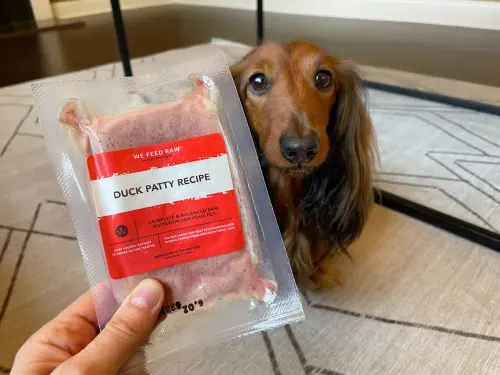
Credit: wefeedraw.com
Frequently Asked Questions
How Much Raw Chicken Should I Feed My Dog Daily?
Feed your dog 2-3% of its body weight in raw chicken daily. Adjust portions based on activity and health. Always consult your vet for personalized advice to ensure balanced nutrition and avoid overfeeding.
Can Puppies Eat Raw Chicken Safely?
Puppies can eat raw chicken, but consult a vet first. Their digestive systems are sensitive and require balanced nutrients. Introduce raw chicken gradually and monitor for any adverse reactions to ensure safety and proper growth.
Should I Remove Bones From Raw Chicken For Dogs?
Remove cooked bones before feeding, as they can splinter and harm your dog. Raw chicken bones are generally softer and safer, but monitor your dog closely. Always supervise feeding to prevent choking or injury.
How To Balance A Raw Chicken Diet For Dogs?
Balance raw chicken with vegetables, supplements, and other proteins. Dogs need a variety of nutrients for optimal health. Consult a vet or canine nutritionist to create a complete, balanced raw diet plan.
Conclusion
Feeding your dog the right amount of raw chicken is crucial. Always consider your dog's size and activity level. Start with small portions. Observe your dog's health and energy. Adjust the amount as needed. Raw chicken offers essential nutrients. But balance it with other foods.
Always consult your vet for tailored advice. This ensures your dog stays healthy and happy. Remember, each dog is unique. What works for one might not work for another. Keep an eye on your pet's reactions. Their health is your priority.
A balanced diet leads to a thriving dog.