Are you wondering how much Hill’s Prescription Diet you should feed your dog? Getting the right amount of food is key to keeping your furry friend healthy and happy.
Too little might leave your dog hungry and weak, while too much can cause weight gain or upset their special diet. You’ll find clear, easy-to-follow guidance to help you feed your dog the perfect portion of Hill’s Prescription Diet every day.
Keep reading to discover the simple steps that make a big difference in your dog’s well-being.
Choosing The Right Hill's Prescription Diet
Choosing the right Hill's Prescription Diet is important for your dog's health. It helps your dog feel better and stay healthy. Hill's offers special diets for different health needs.
Understanding your dog's needs is the first step. Then, you can choose the best diet. Let's explore the types of diets available.
Types Of Hill's Prescription Diets
Hill's Prescription Diets come in various types. Each type supports different health issues. Knowing these types will help you make a good choice.
- Weight management diets help control your dog's weight.
- Digestive care diets support a healthy stomach.
- Kidney care diets help with kidney health.
- Joint care diets support healthy joints and mobility.
- Skin and food sensitivities diets manage allergies.
Matching Diet To Dog's Health Needs
Your dog's health needs determine the right diet. Talk to your vet about your dog's condition. They can recommend the best Hill's diet for your dog.
Use the diet as directed by your vet. This will ensure your dog gets the nutrition they need. Proper feeding supports their health and well-being.

Credit: www.hillspet.com
Determining The Correct Portion Size
Feeding your dog the right amount of Hill's Prescription Diet is important for their health. Too much or too little food can cause problems.
Knowing how much to feed depends on several factors. This guide helps you find the right portion size for your dog.
Factors Influencing Feeding Amount
Each dog is different. Age, weight, and activity level affect how much food your dog needs.
Health conditions and metabolism also change the amount your dog should eat. Adjust portions based on these factors.
- Dog’s current weight and ideal weight
- Age and life stage (puppy, adult, senior)
- Activity level and exercise routine
- Health issues or special dietary needs
- Metabolism speed and digestion
Using The Feeding Guidelines On Packaging
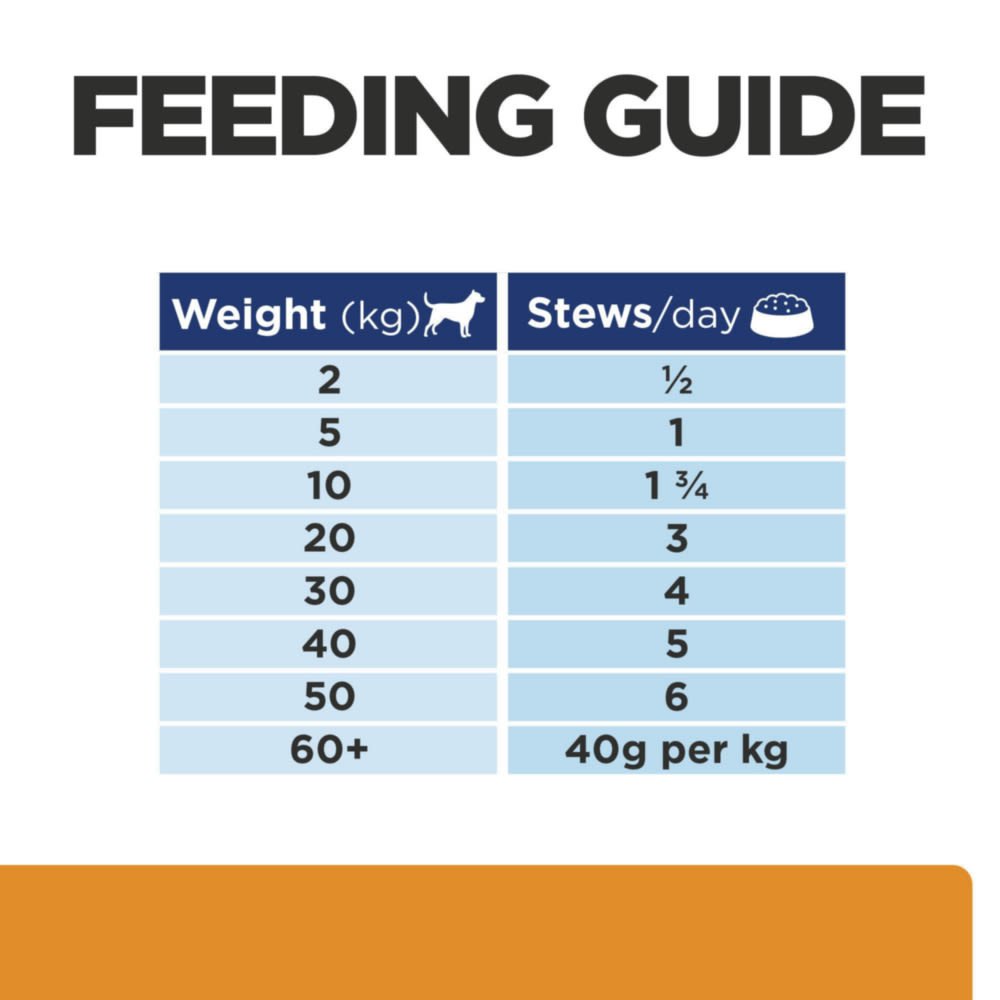
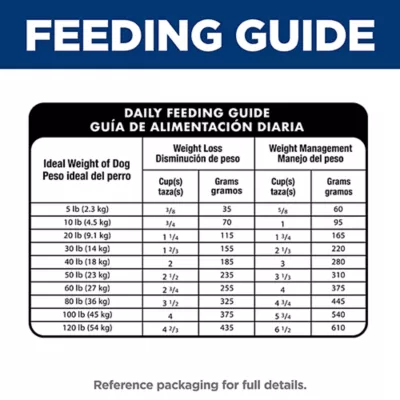
Hill’s Prescription Diet packaging has feeding charts to help determine amounts. These charts list portions based on your dog’s weight.
Follow the feeding guidelines as a starting point. You may need to adjust based on your dog’s response and health.
| Dog Weight (lbs) | Daily Feeding Amount (cups) |
|---|---|
| 10 | 1.0 |
| 20 | 1.8 |
| 30 | 2.5 |
| 40 | 3.0 |
| 50 | 3.5 |
Adjusting Portions For Different Life Stages
Feeding the right amount of Hill's Prescription Diet is important for your dog's health. Different life stages need different portions. Adjusting the food amount helps your dog stay healthy and strong.
Age, size, and activity level affect how much food your dog needs. It is best to follow guidelines and watch your dog's condition.
Puppies And Growing Dogs
Puppies need more food per pound than adult dogs. Their bodies grow fast and need extra nutrition. Feed small meals often to support healthy growth.
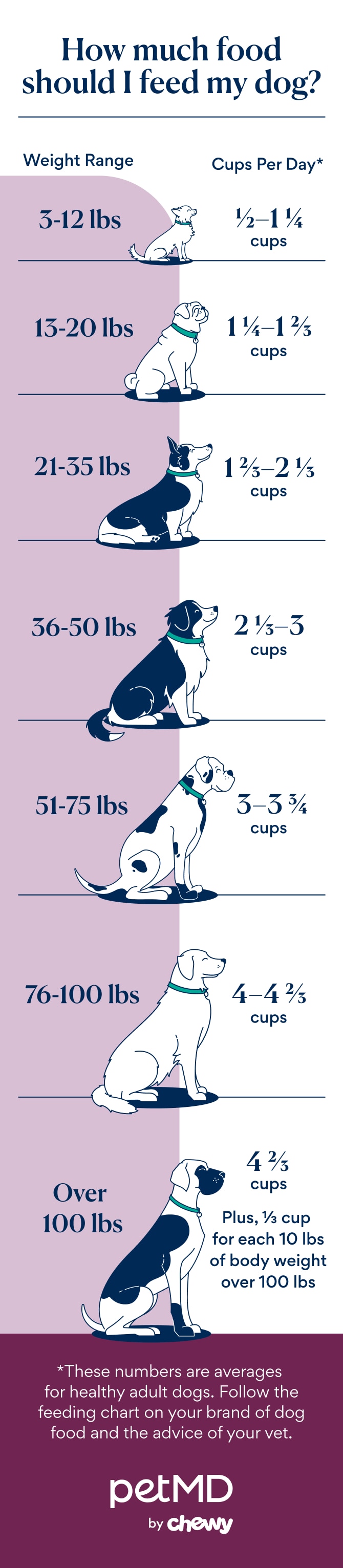
Use the feeding chart on the dog food bag as a guide. Increase portions as your puppy grows but watch their weight closely.
- Feed 3 to 4 meals daily
- Adjust portions every few weeks
- Monitor weight and body condition
Adult Dogs
Adult dogs need balanced portions to maintain their weight. Overfeeding can cause obesity, while underfeeding can lead to weight loss.
Feed according to your dog's weight and activity level. Divide the daily portion into two meals for better digestion.
- Feed 2 meals per day
- Adjust food based on activity and weight
- Regularly check your dog’s body condition
Senior Dogs
Senior dogs often need fewer calories but more nutrients. Their metabolism slows down, and they may be less active.
Reduce portion size slightly and choose food that supports joint and organ health. Watch for changes in weight and appetite.
- Feed smaller, more frequent meals
- Use portions based on weight and health
- Consult your vet for special needs
Credit: www.petmd.com
Monitoring Your Dog’s Weight And Health
Feeding your dog the right amount of Hill's Prescription Diet helps keep them healthy. Watch your dog’s weight and health closely. Adjust food as needed to avoid problems.
Regular checks can help you spot signs of overfeeding or underfeeding early. This keeps your dog happy and fit.
Signs Of Overfeeding
Overfeeding can cause weight gain and health issues. Look for extra fat around the ribs and belly. Your dog may seem less active or tired.
- Weight increases quickly
- Fat pads appear over ribs or hips
- Dog seems lazy or less playful
- Breathing may become harder
Signs Of Underfeeding
Underfeeding can lead to weight loss and low energy. Your dog may look thin with ribs showing. They might seem weak or less interested in activities.
- Weight drops noticeably
- Ribs and spine are easy to see
- Low energy and tiredness
- Less interest in food or play
When To Consult Your Veterinarian
If you see signs of overfeeding or underfeeding, talk to your vet. Sudden changes in weight or health need professional advice. Your vet can adjust your dog’s diet safely.
Regular vet visits help keep your dog’s diet on track. They can check your dog’s health and suggest the right food amount.
Feeding Tips For Best Results
Feeding your dog the right amount of Hill's Prescription Diet helps keep them healthy. Proper feeding supports their specific health needs.
Follow these tips to get the best results from your dog's diet and keep them happy and strong.
Consistent Feeding Schedule
Feed your dog at the same times each day. A regular schedule helps their digestion and keeps their energy steady.
Divide the daily amount into two or more meals. This prevents overeating and supports healthy weight.
- Feed meals at morning and evening
- Use the feeding guide on the package
- Adjust portions if your dog gains or loses weight
- Keep fresh water available all day
Combining With Treats And Supplements
Limit treats to small amounts so they do not add extra calories. Choose healthy treats that fit your dog's diet.
Check with your vet before adding supplements. Some supplements may affect how the prescription diet works.
- Offer low-calorie treats in moderation
- Avoid giving table scraps
- Use vet-approved supplements only
- Monitor your dog's health and weight regularly
Credit: www.petsmart.com
Frequently Asked Questions
How Much Hill's Prescription Diet Should I Feed My Dog Daily?
The daily amount depends on your dog's weight, age, and health. Always follow Hill's feeding guide on the package or consult your vet for personalized advice.
Can I Adjust Hill's Prescription Diet Based On My Dog's Activity?
Yes, increase food slightly for active dogs and reduce for less active ones. Monitor your dog's weight and health regularly to adjust portions as needed.
Is It Safe To Mix Hill's Prescription Diet With Other Dog Foods?
Mixing is not recommended without vet approval. Hill's Prescription Diet is formulated for specific health needs and mixing may affect its effectiveness.
How Do I Transition My Dog To Hill's Prescription Diet?
Gradually mix increasing amounts of Hill's food with the current diet over 7 days. This helps prevent digestive upset and ensures acceptance of the new food.
Conclusion
Feeding the right amount of Hill’s Prescription Diet keeps your dog healthy. Follow the feeding guide on the package for best results. Adjust the portions based on your dog's weight and activity. Watch your dog’s condition and talk to your vet if unsure.
Proper feeding supports recovery and well-being. Keep meals consistent and balanced every day. Your dog deserves good care and nutrition. Simple steps make a big difference in their health.