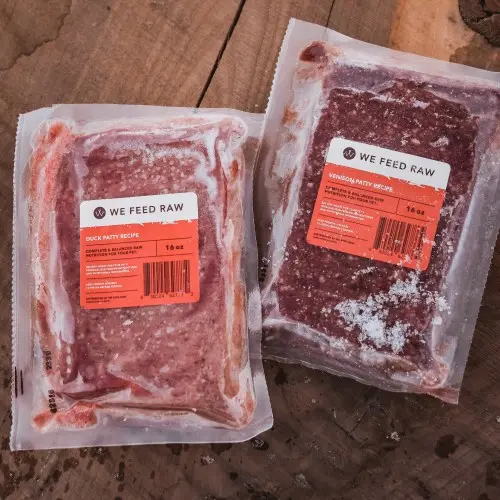
Are you wondering how much ground beef you should feed your dog? It’s a common question for pet owners who want to give their furry friends a tasty and healthy treat.
Feeding your dog the right amount of ground beef can boost their energy and keep them happy. But too much or too little can cause problems. You’ll discover exactly how to find the perfect portion size for your dog’s needs.
Keep reading to make sure you’re giving your dog the best care possible with every meal.
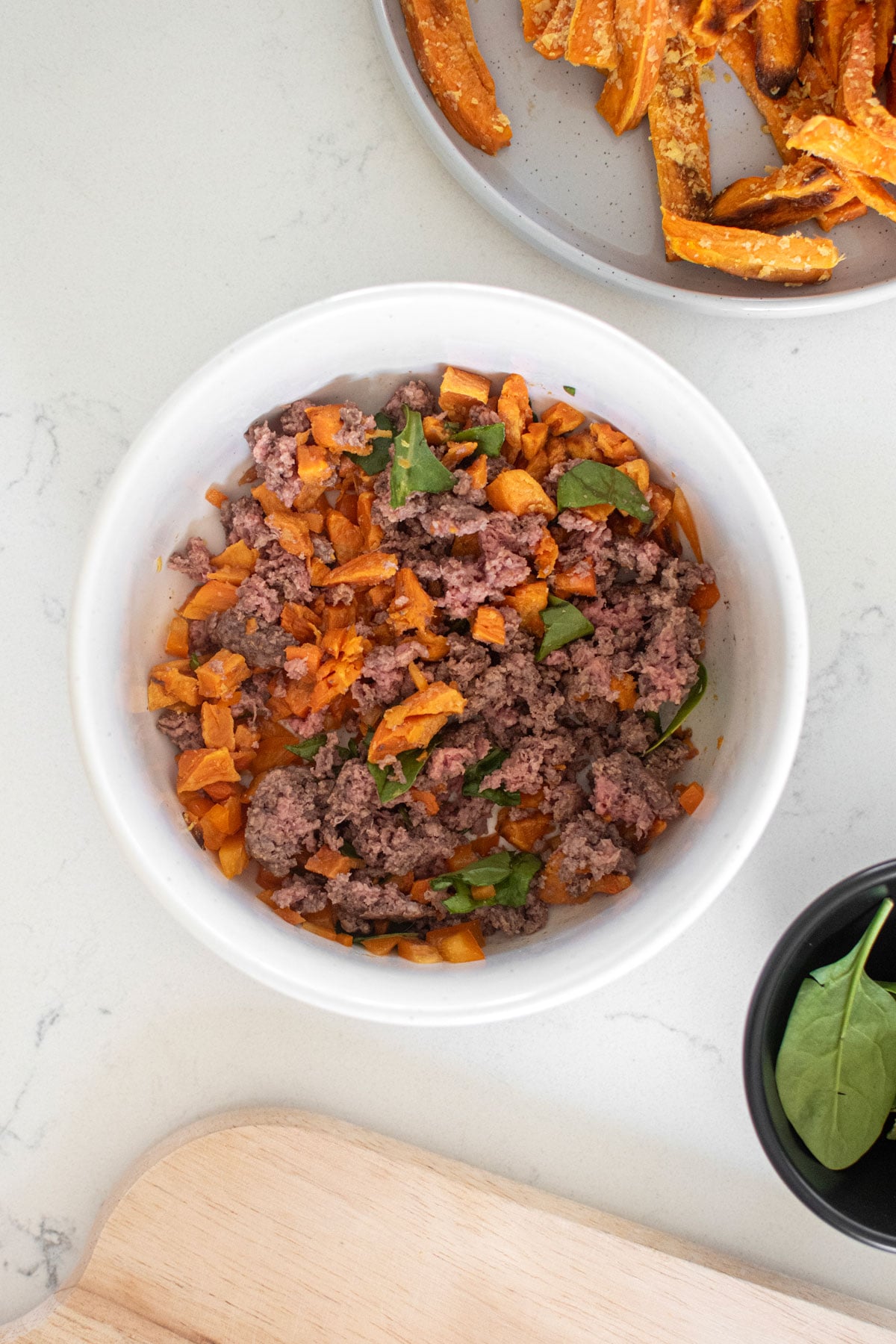
Credit: mimisorganiceats.com
Benefits Of Ground Beef For Dogs
Ground beef is a popular choice for many dog owners who want to offer a natural and tasty meal. It is easy to prepare and can provide many health benefits for dogs. Including ground beef in your dog's diet can help support strong muscles, healthy skin, and good energy levels.
Nutritional Value
Ground beef is rich in nutrients that dogs need for overall health. It contains fats that supply energy and help absorb vitamins. The natural oils in beef support a shiny coat and healthy skin. It is a whole food source without many additives or fillers.
Protein Content
Protein is vital for muscle growth and repair. Ground beef offers high-quality protein with all essential amino acids. This helps dogs maintain strength and endurance. Protein also supports a strong immune system and healthy organs.
Essential Vitamins And Minerals
Ground beef contains important vitamins like B12, which helps with brain function. It also has minerals such as zinc and iron. Zinc supports the immune system and skin health. Iron helps carry oxygen in the blood, preventing tiredness.
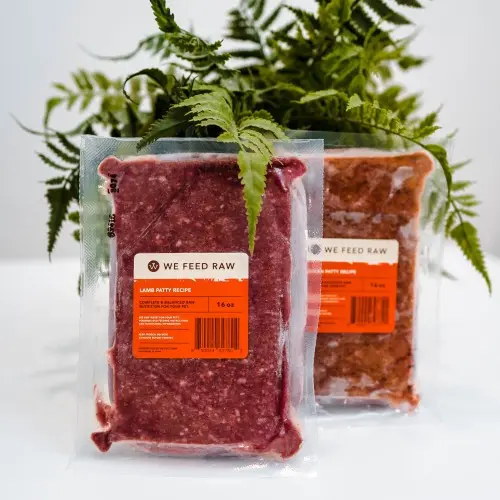
Credit: wefeedraw.com
Determining The Right Amount
Feeding ground beef to your dog requires careful thought about the right amount. Too much can cause weight gain or upset stomachs. Too little may not provide enough nutrients. Finding the correct portion size helps maintain your dog’s health and energy.
Factors Influencing Portion Size
Several elements affect how much ground beef your dog needs. These include breed size, metabolism, and health conditions. A large dog needs more food than a small one. Active dogs burn more calories and need larger portions. Dogs with health issues might need special diets or smaller servings.
Calculating Based On Weight
Start with your dog’s weight to estimate the right amount. A general rule is to feed 2-3% of their body weight daily. For example, a 30-pound dog needs about 0.6 to 0.9 pounds of food each day. This total includes all meals and treats, not just ground beef.
Adjusting For Age And Activity Level
Puppies and young dogs need more calories for growth. Older dogs often require fewer calories to avoid weight gain. Active dogs need more food than those who rest most of the day. Watch your dog’s weight and energy to adjust portions as needed.
Preparing Ground Beef For Dogs
Preparing ground beef for your dog is more than just cooking meat. It’s about ensuring the food is safe, nutritious, and appealing to your furry friend. How you handle the beef can affect your dog’s health and enjoyment, so it’s worth paying attention to the details.
Cooking Methods
Cooking ground beef thoroughly is essential to avoid harmful bacteria like Salmonella or E. coli. You can boil, bake, or pan-cook the beef, but make sure it’s cooked all the way through without any pink spots.
Skip seasoning to keep the meat plain and healthy. A quick tip from my own experience: boiling ground beef in water helps drain excess fat, which is better for dogs prone to weight gain.
Avoiding Harmful Additives
Many store-bought ground beef products contain additives and preservatives that can upset your dog’s stomach. Always check the label and choose pure ground beef without added salt, garlic, onions, or spices.
Even small amounts of onion powder or garlic can be toxic. Have you ever noticed your dog’s reaction after eating something new? Avoiding additives prevents unwanted vet visits.
Mixing With Other Ingredients
Adding veggies like carrots, peas, or pumpkin can boost the nutritional value of the meal. These ingredients provide fiber, vitamins, and minerals that balance the protein in ground beef.
Mix in cooked rice or sweet potatoes for extra energy, especially if your dog is very active. Experiment slowly and observe how your dog reacts to new combinations—it’s a simple way to keep meals interesting and healthy.
Potential Risks And Precautions
Feeding ground beef to your dog can be healthy but carries some risks. Knowing these risks helps you keep your dog safe and healthy. Taking precautions avoids health problems and ensures a balanced diet.
Food Allergies
Some dogs may be allergic to beef. Signs include itching, redness, and digestive upset. Watch for vomiting or diarrhea after feeding ground beef. Stop feeding and consult a vet if these signs appear. Introduce new foods slowly to spot allergies early.
Bacterial Contamination
Raw ground beef may contain harmful bacteria like Salmonella or E. coli. These bacteria can make dogs sick and spread to humans. Cook ground beef thoroughly to kill bacteria. Use clean bowls and wash hands after handling raw meat. Store beef properly to prevent spoilage.
Balancing With Other Nutrients
Ground beef alone lacks some nutrients dogs need. Dogs require vitamins, minerals, and fiber from other foods. Feeding only beef can cause nutrient deficiencies. Mix beef with vegetables, grains, or supplements for a balanced meal. Consult a vet for proper diet plans and portion sizes.
Feeding Frequency And Schedule
Feeding your dog ground beef requires a clear schedule to keep them healthy. Regular feeding times help your dog's digestion and energy levels. Dogs thrive on routine, so consistent feeding builds good habits. Understanding how often and how much to feed is important for their well-being.
Daily Feeding Guidelines
Feed adult dogs twice a day, morning and evening. Puppies need more frequent meals, about three to four times daily. The amount depends on your dog’s size, age, and activity. Use your vet’s advice to decide the right portion. Avoid overfeeding to prevent obesity and health issues.
Portion Splitting Tips
Divide the daily ground beef amount into equal meals. Smaller, regular portions aid digestion and keep energy steady. Use a kitchen scale or measuring cup for accuracy. Fresh ground beef should be served immediately or stored safely. Avoid leaving raw meat out for long periods.
Monitoring Your Dog’s Health
Watch for changes in weight, coat, and energy after feeding ground beef. Digestive upset, like diarrhea or vomiting, signals a problem. Regular vet check-ups help track your dog’s health. Adjust feeding amounts if you notice any issues. Healthy dogs show bright eyes, shiny fur, and steady weight.
Alternatives To Ground Beef
Ground beef is a popular choice for dog meals, but it is not the only option. Some dogs need variety or have dietary restrictions. Alternatives to ground beef can offer balanced nutrition and keep mealtime interesting. Choosing the right protein or food type helps maintain your dog's health and energy.
Other Protein Options
Dogs thrive on protein from different sources. Chicken, turkey, and lamb provide essential amino acids. Fish like salmon adds omega-3 fatty acids for a healthy coat. Eggs are a good protein and nutrient source too. Always cook meats thoroughly to avoid bacteria.
- Chicken: lean and easy to digest
- Turkey: rich in protein and low in fat
- Lamb: suitable for dogs with allergies
- Fish: supports skin and coat health
- Eggs: complete protein and vitamins
Vegetarian Choices
Some dog owners prefer vegetarian diets for their pets. Vegetables like sweet potatoes, peas, and carrots offer vitamins and fiber. Lentils and chickpeas provide plant-based protein. These choices support digestion and energy. Watch protein intake carefully to meet your dog’s needs.
- Sweet potatoes: rich in fiber and vitamins
- Peas: good source of protein and fiber
- Carrots: full of antioxidants and vitamins
- Lentils: plant protein and iron
- Chickpeas: high in protein and fiber
Commercial Dog Food Comparisons
Commercial dog foods offer balanced nutrition and convenience. Dry kibble and canned food come in many flavors and formulas. They often contain essential vitamins and minerals. Some brands use real meat, while others rely on plant proteins. Check labels for ingredients and nutritional value.
| Type | Pros | Cons |
|---|---|---|
| Dry Kibble | Convenient, long shelf life, affordable | May contain fillers, less moisture |
| Canned Food | Higher moisture, palatable, nutrient-rich | More expensive, shorter shelf life |
| Raw Diet | Natural, high protein, less processing | Risk of bacteria, requires prep |

Credit: www.justfoodfordogs.com
Frequently Asked Questions
How Much Ground Beef Is Safe For Dogs Daily?
Feed your dog 10-15% of their daily calories as ground beef. Adjust portions based on size, activity, and age to avoid overeating.
Can Ground Beef Replace Regular Dog Food?
Ground beef can supplement but not replace balanced dog food. It lacks essential nutrients like vitamins and minerals dogs need.
Should Ground Beef Be Cooked Before Feeding Dogs?
Yes, cooking ground beef kills harmful bacteria and parasites. Always cook thoroughly without seasoning to keep your dog safe and healthy.
How Often Can I Feed Ground Beef To My Dog?
Feed ground beef 2-3 times a week as a treat or meal addition. Balance with other protein sources and vegetables for nutrition.
Conclusion
Feeding the right amount of ground beef is essential for your dog's health. Every dog has unique needs based on size and activity. Start by consulting your vet for personalized advice. Introduce ground beef gradually into their diet. Monitor your dog's weight and energy levels.
Adjust portions as needed. Balance is key to a happy, healthy pet. Avoid overfeeding to prevent obesity. Remember, treats should be occasional. A healthy diet means a joyful dog. Keep an eye on your furry friend's health and adjust as needed.
Your dog's well-being depends on your informed choices.