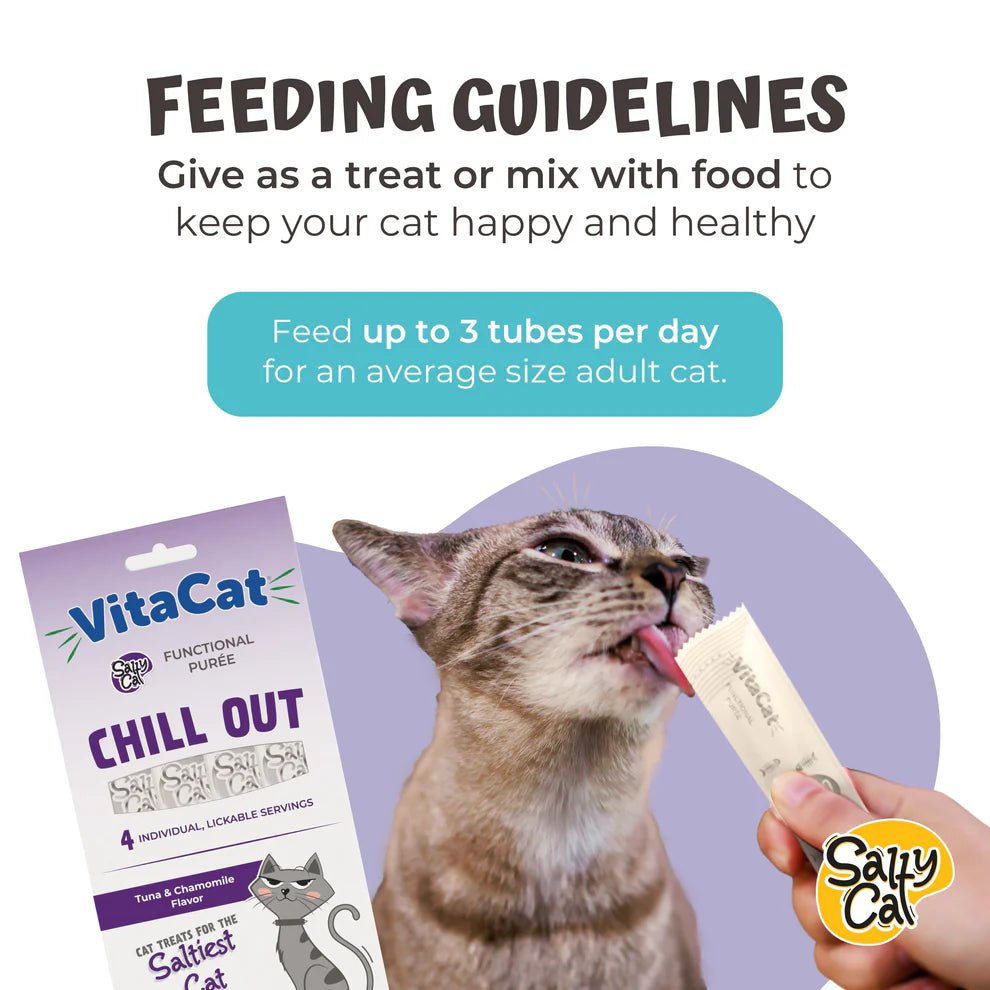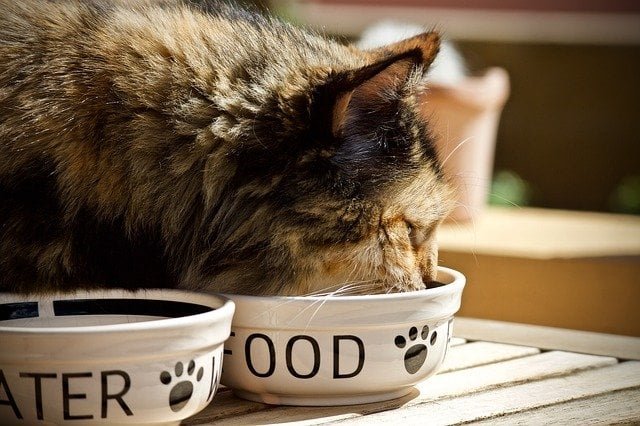
Are you puzzled by how much food your cat should eat each day? You're not alone.
Many cat owners worry about whether they’re feeding their furry friends the right amount. After all, you want your cat to be healthy and happy, but figuring out the perfect portion can be tricky. Overfeeding could lead to obesity, while underfeeding might leave your cat without the energy they need to play and purr.
We’ll dive into the factors that determine your cat's dietary needs and help you find that sweet spot. By the end, you’ll feel confident that you’re giving your feline friend the best care possible. Stick around to learn the secrets of a well-balanced cat diet and ensure your pet's well-being.

Credit: www.purina.com
Daily Calorie Needs
Knowing your cat's daily calorie needs helps keep them healthy and active. Cats require a specific amount of energy from food each day. This energy is measured in calories. Feeding the right calories supports their weight and overall wellness. Too many calories can cause obesity. Too few may lead to malnutrition. Understanding these needs helps you choose proper food amounts.
Factors Influencing Calorie Intake
Several factors affect how many calories your cat needs. These include their size, breed, and health status. Cats with health problems might need special diets. Environmental factors, like indoor or outdoor living, also play a role. Indoor cats often burn fewer calories than outdoor cats. Knowing these influences helps tailor your cat’s diet better.
Age And Activity Level
Kittens need more calories for growth than adult cats. Older cats usually require fewer calories due to lower activity. Active cats burn more calories and need extra food. Sedentary cats need fewer calories to avoid weight gain. Adjust calorie intake based on your cat’s life stage and energy level.
Weight Considerations
Maintaining a healthy weight is key to your cat’s well-being. Overweight cats need fewer calories to lose weight safely. Underweight cats require more calories to gain weight. Regularly monitor your cat’s weight and adjust food amounts as needed. Consult your vet for personalized calorie goals based on weight.
Credit: www.purina.com
Types Of Cat Food
Choosing the right type of food for your cat can feel overwhelming. Each option offers different nutrients, textures, and benefits that can affect your cat’s health and appetite. Understanding the main types of cat food helps you decide what fits best with your cat’s needs and lifestyle.
Wet Food Benefits
Wet food contains a high moisture content, which helps keep your cat hydrated. This is especially useful if your cat doesn’t drink much water on its own.
Many cats find wet food more palatable, making it easier to encourage picky eaters to finish their meals. The soft texture also supports dental health by reducing the buildup of plaque compared to dry kibble.
Have you noticed your cat eating less or drinking less water? Adding wet food might be a simple fix to boost their overall fluid intake.
Dry Food Pros And Cons
Dry cat food is convenient and easy to store. It usually costs less and can be left out for free feeding without spoiling quickly.
However, dry food contains less moisture, which means your cat needs to drink more water to stay hydrated. Some cats may develop dental issues if they eat only dry kibble, though certain formulas are designed to help with this.
Think about your cat’s daily routine—do they prefer to graze throughout the day or eat set meals? Dry food works well for free feeding, but it might not suit cats who need encouragement to drink more water.
Raw And Homemade Diets
Raw and homemade diets give you full control over ingredients and quality. You can tailor meals to your cat’s specific health needs and preferences.
These diets require careful planning to ensure balanced nutrition and avoid harmful bacteria. Many cat owners find it rewarding but time-consuming to prepare fresh meals regularly.
Have you considered how much time and effort you can commit to preparing your cat’s meals? Consulting with a vet or pet nutritionist is key before making this switch to avoid nutritional gaps.
Measuring Food Portions
Measuring your cat’s food portions accurately is key to keeping them healthy and happy. Overfeeding can lead to weight gain, while underfeeding might leave your feline friend hungry or lacking nutrients. Let’s explore how you can measure the right amount of food for your cat every day.
Using Feeding Guidelines
Most cat food packages come with feeding guidelines based on your cat’s weight and age. These guidelines give you a solid starting point for daily portions. However, remember these are just recommendations—they don’t replace paying attention to your cat’s appetite and activity level.
For example, if your cat weighs 10 pounds, the label might suggest feeding 200 calories per day. But if your cat is very active or less active than average, you’ll need to adjust accordingly. Don’t hesitate to check with your vet about what’s best for your cat’s unique needs.
Adjusting Portions Over Time
Your cat’s food needs won’t stay the same forever. Changes in weight, age, or health can mean you need to tweak portions. Regularly monitor your cat’s body condition and energy levels to decide if you should increase or decrease their food.
Try weighing your cat every few weeks and watch for changes. If they’re gaining too much weight, cut back a little. If they seem hungry or losing weight, add a bit more food. Small adjustments can make a big difference in your cat’s well-being.
Tools For Accurate Measurement
Eyeballing food portions rarely works well. Using proper tools helps you measure the exact amount your cat needs. A digital kitchen scale provides the most precise measurement and is especially useful if your cat’s diet requires strict calorie control.
If a scale isn’t available, measuring cups designed for pet food can also work, but keep in mind that different foods have different densities. Investing in a scale or good measuring cups ensures you’re not guessing and keeps your cat’s diet consistent.
Feeding Frequency
Feeding frequency is a key factor in managing your cat's daily food intake. It affects not only how much your cat eats but also their energy levels, digestion, and overall behavior. Finding the right balance between meals can help keep your feline friend healthy and happy.
Meal Timing Options
You can choose from several meal timing options depending on your cat's needs and your schedule. Some cats do well with two or three small meals per day, which keeps their energy steady and prevents overeating.
Others might prefer one larger meal a day, especially if they tend to graze or get bored between meals. Think about your cat’s activity level and personality—does your cat get restless when hungry, or do they seem content waiting longer between meals?
Free Feeding Vs Scheduled Feeding
Free feeding means leaving food out all day for your cat to eat whenever they want. This works well for some cats but can lead to overeating and weight gain in others.
Scheduled feeding involves setting specific meal times and portions. This method helps control your cat’s calorie intake and can reduce begging or food-related anxiety.
I've noticed that my own cat responds better to scheduled feeding—she waits patiently for mealtime and seems more satisfied. Which method aligns better with your cat's behavior?
Impact On Digestion And Behavior
Regular meal times can improve digestion by allowing your cat’s body to process food efficiently. Eating too quickly or irregularly might cause stomach upset or vomiting.
Behaviorally, cats fed on a schedule often develop a routine that reduces stress and overeating. They learn when to expect food and may become less anxious or aggressive around mealtime.
Consider how your feeding frequency affects your cat’s mood and bathroom habits. Have you noticed any changes when you adjust meal times?
Special Dietary Needs
Every cat has unique dietary needs that change as they grow and face different health challenges. Understanding these special requirements helps you provide the right amount of food and nutrients your cat truly needs. Paying attention to these details can improve your cat’s health and happiness.
Kitten Feeding Requirements
Kittens are little bundles of energy that need more calories than adult cats. They require food rich in protein and fats to support rapid growth and development.
Feeding kittens multiple small meals throughout the day works best. You might notice your kitten begging frequently—that’s their body asking for more fuel.
Always choose a formula specifically designed for kittens. It’s packed with the vitamins and minerals they need to build strong bones and muscles.
Senior Cat Nutrition
Older cats often slow down, and their metabolism changes. They usually need fewer calories but more of certain nutrients like fiber to keep digestion smooth.
You may need to adjust portion sizes to prevent weight gain or loss. Watch how your senior cat responds to food and energy levels.
Wet food can help with hydration, especially if your cat drinks less water. Have you noticed your older cat’s eating habits shift? That’s a signal to tweak their diet.
Health Conditions And Diet
Health issues like kidney disease, diabetes, or allergies require special diets. Your vet can recommend food that supports your cat’s specific condition.
For example, cats with kidney problems often need lower protein and phosphorus. Diabetic cats benefit from controlled carbohydrate intake.
Feeding the right diet can ease symptoms and improve quality of life. Have you talked to your vet about how your cat’s health affects their food needs?
Credit: www.petscare.com
Monitoring Your Cat's Weight
Keeping an eye on your cat's weight is crucial for their overall health and happiness. Weight changes can indicate if your cat is eating the right amount or if adjustments are needed. By monitoring their weight regularly, you can catch problems early and keep your feline friend in top shape.
Signs Of Overfeeding
Overfeeding often leads to noticeable weight gain in cats. You might see your cat developing a rounder belly or struggling to groom themselves properly. Excess weight can also cause lethargy and a decrease in activity.
Watch out for begging behaviors or constant snacking that goes beyond their daily portion. If your cat’s food bowl is empty too quickly or they seem always hungry, it could be a red flag. These signs suggest you might be offering more food than they actually need.
Signs Of Underfeeding
On the flip side, underfeeding shows up as weight loss or a more prominent spine and ribs. Your cat might seem less energetic or show signs of irritability. Poor coat condition or excessive meowing could also indicate hunger.
Notice if your cat starts hiding or appears anxious around feeding times. These behaviors often mean their nutritional needs aren’t being met. If you see these signs, it’s time to reassess their daily food intake.
When To Consult A Veterinarian
If you notice sudden or extreme changes in your cat’s weight, don’t wait to get professional advice. A vet can help identify underlying health issues that affect appetite and metabolism. They can also recommend the best feeding plan tailored to your cat’s age, breed, and lifestyle.
Regular vet visits give you a chance to discuss your cat’s weight and diet openly. Have you checked your cat’s weight recently? Small changes now can prevent bigger problems later.
Frequently Asked Questions
How Much Food Does An Average Cat Need Daily?
Most cats require about 20 calories per pound of body weight each day. This varies based on age, activity, and health.
Can Feeding Too Much Harm My Cat?
Yes, overfeeding can cause obesity, diabetes, and joint problems. Always measure portions and avoid free-feeding.
Should I Adjust Food Based On My Cat’s Age?
Kittens need more calories and nutrients than adult cats. Senior cats may require fewer calories but more fiber.
How Often Should I Feed My Cat Daily?
Most cats do well with two meals per day. Kittens may need three to four smaller meals daily.
Conclusion
Feeding your cat the right amount keeps it healthy and happy. Pay attention to your cat’s age, weight, and activity level. Measure food portions carefully every day. Avoid overfeeding to prevent obesity and health problems. Fresh water should always be available.
Consult your vet for personalized advice. Small changes in diet make a big difference. Your cat will thank you with more energy and joy. Keep feeding simple and consistent. That’s the best way to care for your furry friend.