
Are you unsure about how much food to give your cat each day? Feeding your cat the right amount is key to keeping them healthy and happy.
Too much food can lead to weight gain, while too little might leave your furry friend hungry and weak. You’ll discover simple, effective tips to find the perfect daily feeding amount tailored just for your cat. Keep reading to learn how to keep your cat energized and thriving every single day.
Daily Calorie Needs
Understanding your cat's daily calorie needs is key to keeping them healthy and energetic. Every cat is unique, so the amount of food that works for one might not suit another. Knowing how many calories your cat requires helps you avoid overfeeding or underfeeding, both of which can affect their well-being.
Factors Influencing Calorie Requirements
Several factors affect how many calories your cat needs each day. Age is a major one—kittens burn more energy growing, while senior cats often require fewer calories. Activity level also plays a big role; an active outdoor cat needs more fuel than a laid-back indoor one.
Weight and body condition matter too. Is your cat overweight, underweight, or just right? Neutered or spayed cats typically have lower calorie needs because their metabolism slows down. Even breed can influence calorie requirements; some breeds are naturally more energetic.
Calculating Your Cat's Calorie Intake
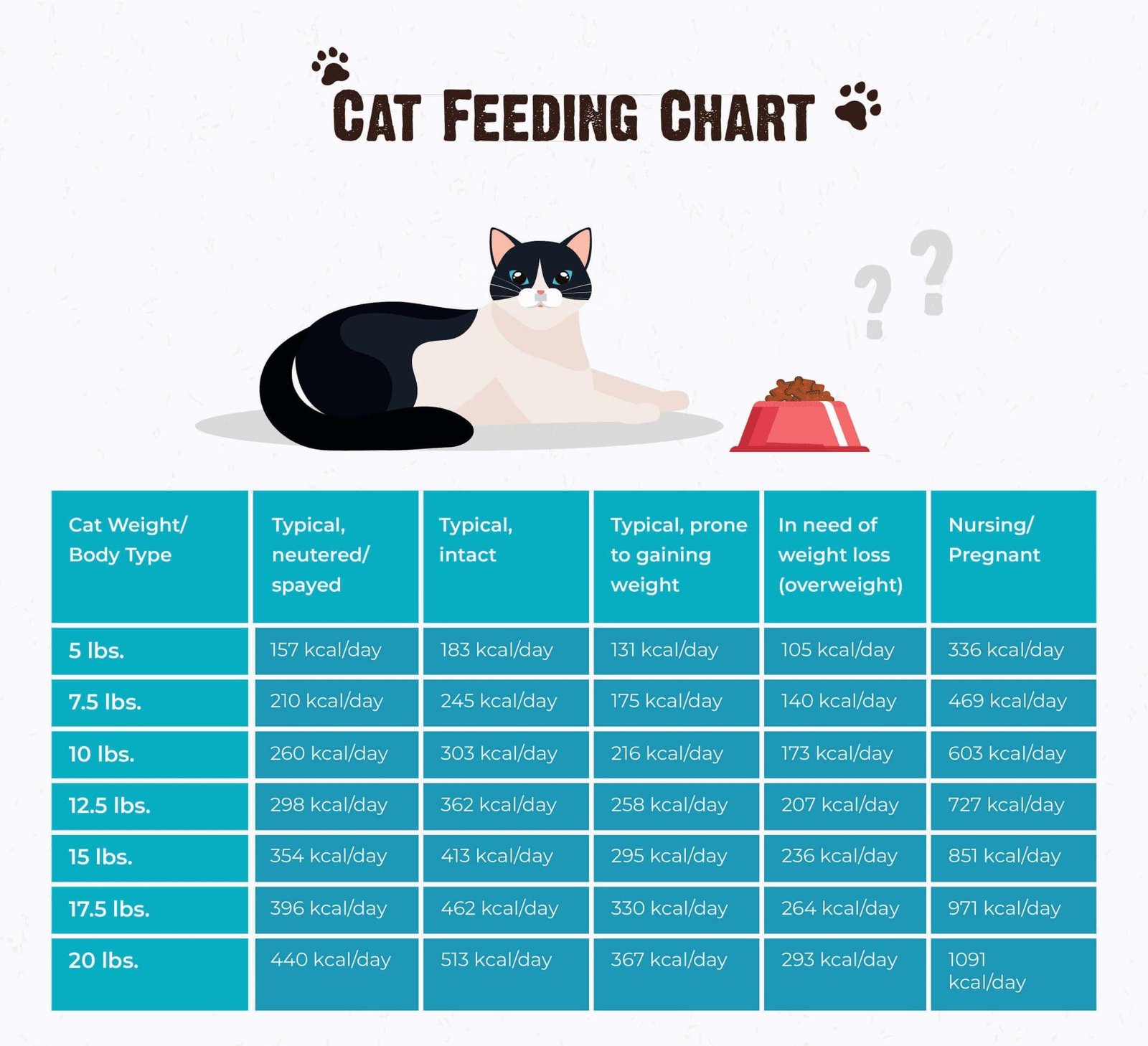
To find out how many calories to feed your cat, start by knowing their ideal weight. You can then use a simple formula to estimate their daily needs: multiply your cat’s ideal weight (in pounds) by 20 calories. For example, if your cat should weigh 10 pounds, they need about 200 calories per day.
Adjust this number based on activity and health. If your cat is very active, add 20-30% more calories. If they are overweight, reduce calories gradually and monitor their weight weekly. Always check the calorie content on your cat food label, so you know how much to serve.
- Check your cat’s weight regularly
- Use a kitchen scale to measure food accurately
- Split the daily calories into two or more meals
Have you noticed your cat gaining or losing weight unexpectedly? That’s a sign to revisit their calorie needs and adjust feeding amounts. Your cat’s health depends on getting just the right amount of energy each day.

Credit: www.amazon.sg
Types Of Cat Food
Choosing the right type of cat food is key to feeding your feline friend properly. Different foods vary in moisture content, calorie density, and nutrient balance. Understanding these differences helps you decide how much to feed daily based on your cat’s diet.
Dry Food Portions
Dry food, or kibble, is convenient and easy to measure. It typically contains about 10% moisture, which means your cat gets fewer liquids from their meal.
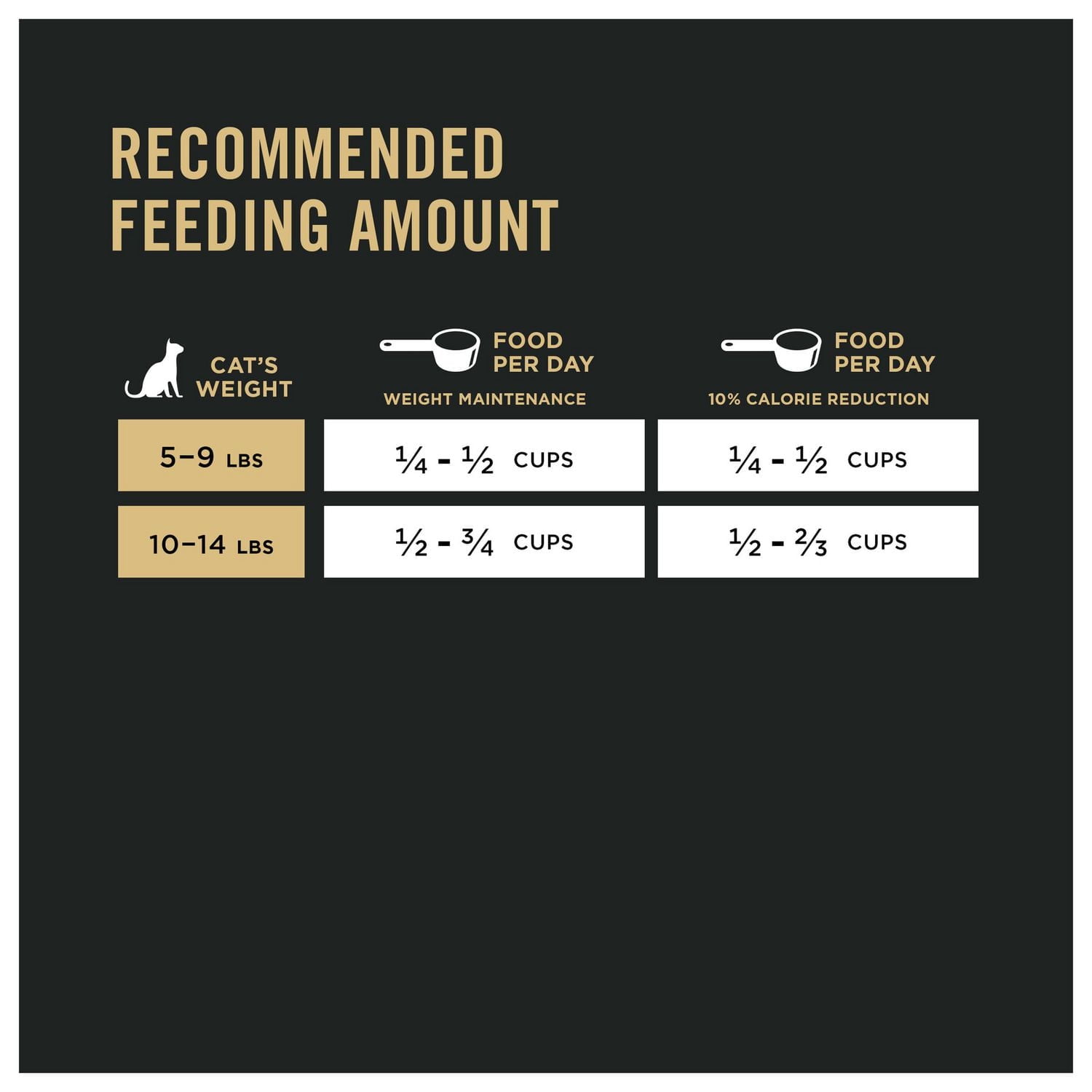
Most cats need around 1/4 to 1/3 cup of dry food per meal, depending on their weight and activity level. Always check the feeding guidelines on the packaging but adjust based on your cat’s health and appetite.
Have you noticed how some cats tend to nibble all day on dry food? That can lead to overeating if you don’t control portions carefully.
Wet Food Portions
Wet food has a much higher moisture content, usually around 75-80%. This helps with hydration and can be more appealing to picky eaters.
Portions for wet food are often given in cans or pouches. A typical serving might be one 3-ounce can per meal, but cats with higher energy needs may require more.
Feeding wet food can reduce the risk of urinary problems, but it’s important to feed the right amount to avoid weight gain.
Mixed Feeding Approaches
Many cat owners mix dry and wet food to offer variety and balance. This approach combines the convenience of dry food with the hydration benefits of wet food.
You might feed half the daily calories as dry food and the other half as wet food. This requires careful portion control to avoid overfeeding.
Does your cat prefer one type over the other? Mixing food types can keep mealtime interesting and help you monitor their intake better.
Feeding By Cat Age
Understanding how much to feed your cat depends heavily on their age. Different life stages require different amounts and types of nutrients to keep your feline friend healthy and happy. Let’s look at how feeding changes as your cat grows from a playful kitten to a wise senior.
Kittens' Nutritional Needs
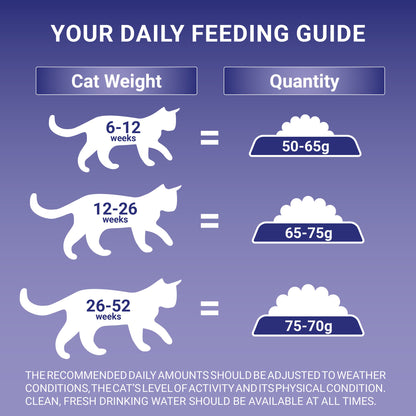
Kittens grow fast and need a lot of energy. Their meals should be rich in protein and fat to support this rapid growth. Usually, kittens require feeding about 3 to 4 times a dayto keep their energy levels steady.
Try offering specially formulated kitten food that provides essential vitamins and minerals. Watch your kitten’s weight and energy; if they seem sluggish or too thin, you might need to increase their portions slightly.
Adult Cats' Feeding Amounts
Once your cat hits about one year old, their growth slows down, and their food intake should adjust accordingly. Most adult cats do well on two meals a day, with total daily calories based on their weight and activity.
For example, a typical 10-pound cat usually needs around 200-250 calories daily. You can check the feeding guidelines on your cat food packaging and adjust based on your cat’s body condition.
Senior Cats And Adjusted Portions
Senior cats often become less active and may develop health issues affecting their appetite or metabolism. It’s important to monitor their weight and adjust food portions to avoid obesity or malnutrition.
Some older cats benefit from foods lower in calories but higher in fiber to maintain digestive health. Have you noticed your senior cat eating less or gaining weight? It might be time to consult your vet about a feeding plan tailored to their changing needs.
Adjusting Portions For Weight
Adjusting your cat’s food portions based on their weight is crucial for their health. Whether your feline friend is too thin or carrying extra pounds, tailoring the amount you feed can make a big difference. Paying attention to weight changes helps you avoid health problems and keeps your cat feeling their best every day.
Managing Underweight Cats
If your cat is underweight, increasing their food intake is important, but it needs to be done carefully. Start by adding small amounts of extra food gradually—too much at once can upset their stomach. Choose nutrient-rich foods that provide more calories without increasing volume excessively.
Try feeding several small meals throughout the day instead of one or two large ones. This approach can stimulate their appetite and help with nutrient absorption. Have you noticed if your cat shows interest in certain flavors or textures? Use that to your advantage when selecting foods.
- Offer wet food for hydration and higher calorie content
- Add a bit of tuna juice or broth to entice eating
- Consult your vet if weight gain is slow or your cat seems lethargic
Controlling Overweight Cats
For overweight cats, reducing food portions is essential, but never starve your pet. Gradually cut back on treats and measure meals precisely to avoid sneaky extra calories. Focus on balanced diets with high protein and low carbohydrates to help maintain muscle while losing fat.
Encourage your cat to move more by introducing play sessions daily. Toys, laser pointers, or even new climbing spots can make a big difference in burning calories. Are you tracking your cat’s weight weekly? Small, consistent changes are easier to manage and safer than rapid weight loss.
- Use a kitchen scale to measure dry food accurately
- Limit free-feeding; stick to scheduled meals
- Include interactive playtime to boost metabolism
Feeding Frequency And Schedule
Feeding your cat the right amount each day involves more than just measuring food. How often and when you feed your cat can greatly affect their digestion, energy levels, and overall happiness. Setting a feeding frequency and schedule tailored to your cat’s lifestyle can make mealtime smoother for both of you.
Meal Timing Tips
Cats thrive on routine, so keeping consistent meal times helps regulate their appetite. Try feeding your cat at the same times each day—morning and evening usually work well for most cats.
If your cat is young or very active, splitting the daily food into three smaller meals can keep their energy steady. Older cats or those with slower metabolisms might do better with two meals.
Watch how your cat responds. Do they seem restless or overly hungry between meals? Adjust the timing slightly to suit their needs without overfeeding.
Free-feeding Vs. Scheduled Meals
Free-feeding means leaving food out all day for your cat to eat whenever they want. It’s convenient but can lead to overeating and weight gain, especially if your cat doesn’t self-regulate well.
Scheduled meals, on the other hand, involve giving measured portions at set times. This method helps control calorie intake and can strengthen your bond as mealtime becomes interactive.
Consider your cat’s personality: if they are prone to begging or obesity, scheduled meals are likely the better choice. If they’re a grazer with a healthy weight, free-feeding might work with close monitoring.
Monitoring And Signs Of Overfeeding
Monitoring your cat’s food intake is vital to keep them healthy. Overfeeding can lead to serious health problems. Watching for signs helps you adjust their diet on time. These signs include changes in weight and behavior. Observing these clues ensures your cat stays fit and happy.
Recognizing Weight Gain
Weight gain is the most obvious sign of overfeeding. Check your cat’s body regularly. Feel their ribs; they should be easy to find but covered with a thin layer of fat. Notice if their belly starts to sag or if they look rounder. Use a scale to weigh your cat weekly. A steady increase means you may need to cut back their food.
Behavioral Indicators
Overfeeding can change your cat’s behavior. They might become less active and sleep more. Some cats show restlessness or irritability after eating too much. Watch if your cat begs for food more often than usual. They might also eat quickly and then seem uncomfortable. These behaviors signal that their feeding routine needs review.
Consulting Your Veterinarian
Feeding your cat the right amount of food can be tricky. Every cat is different, and what works for one might not work for another. That’s why consulting your veterinarian is a smart move to ensure your feline friend stays healthy and happy.
When To Seek Professional Advice
If you notice sudden weight changes in your cat, whether gain or loss, it’s a sign to check in with your vet. Changes in appetite or behavior related to eating also warrant professional guidance.
Sometimes, cats have special dietary needs due to age, breed, or health conditions like diabetes or kidney disease. Your vet can help you spot these needs early and adjust feeding accordingly.
Personalized Feeding Plans
Instead of guessing, your vet can create a feeding plan tailored specifically for your cat’s lifestyle and health status. This plan can include:
- Exact portion sizes based on your cat’s ideal weight and activity level
- Recommendations on the best types of food, including wet vs. dry options
- Feeding schedules that fit your cat’s routine and metabolic needs
When I worked with my vet to develop a feeding plan for my older cat, the difference was clear. She became more energetic, and her weight stabilized. What small adjustments could improve your cat’s diet today?
Credit: pet-supermarket.co.uk
Credit: www.walmart.ca
Frequently Asked Questions
How Do I Calculate My Cat’s Daily Food Amount?
Calculate your cat’s daily food by their weight and activity level. Use feeding guidelines on food packages as a starting point. Adjust portions based on your cat’s age, health, and metabolism. Regularly monitor your cat’s weight to ensure proper feeding amounts.
Does Cat Age Affect Daily Food Quantity?
Yes, a cat’s age greatly affects food needs. Kittens require more calories for growth, while senior cats eat less. Adjust food amounts based on life stage to maintain healthy weight and energy levels. Always consult your vet for specific age-based feeding advice.
How Often Should I Feed My Cat Each Day?
Feed adult cats twice daily for consistent energy and digestion. Kittens need three to four meals daily to support growth. Regular feeding schedules prevent overeating and help maintain weight. Adjust timing based on your cat’s routine and preferences.
Can Overfeeding Harm My Cat’s Health?
Overfeeding can lead to obesity, diabetes, and joint problems in cats. Feeding correct portions prevents these health issues. Monitor your cat’s weight regularly and adjust food amounts accordingly. Consult your vet if you notice weight changes or health concerns.
Conclusion
Feeding your cat the right amount is important. It keeps them healthy. Start by checking their age and size. Consider their activity level too. Overfeeding can lead to obesity. Underfeeding can cause health issues. Always use a measuring cup for accuracy.
Ask your vet if you're unsure. They can give the best advice. Remember, every cat is unique. What works for one may not work for another. Keep observing your cat's weight and behavior. Adjust food portions as needed. A well-fed cat is a happy cat.
Make feeding time a loving routine.