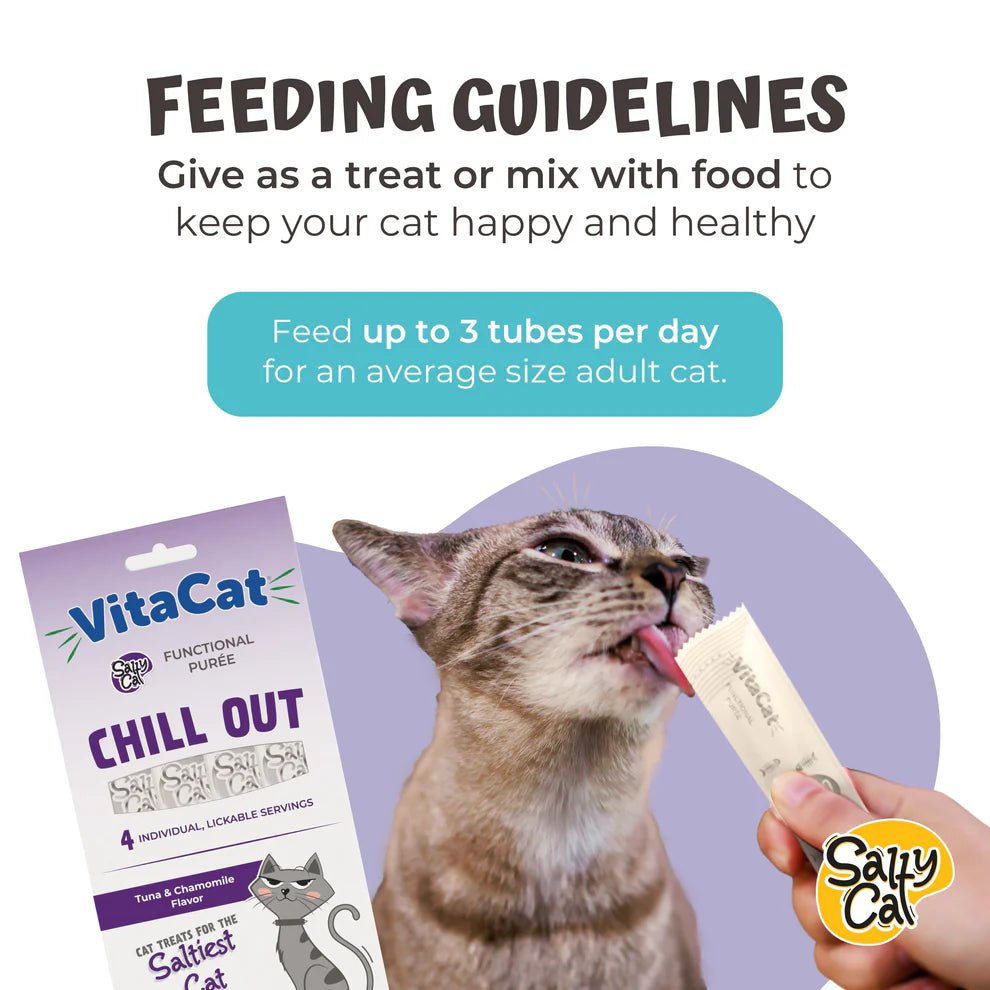
Are you wondering if you're feeding your cat the right amount? You're not alone.
Many cat owners ask themselves, "How much food should I be feeding my cat? " It's an important question because feeding your feline friend the correct amount is crucial for their health and happiness. Overfeeding can lead to obesity, while underfeeding might leave your cat malnourished.
Finding the perfect balance can be tricky, but don't worry – you're about to discover the secrets to a well-fed and content kitty. Keep reading, and you'll learn how to ensure your cat gets the right amount of nutrition every day.
Credit: pet-supermarket.co.uk
Factors Affecting Cat Food Amount
Knowing how much to feed your cat isn't as simple as measuring out a scoop of food. Several key factors influence the right portion size to keep your feline friend healthy and happy. Understanding these can help you avoid overfeeding or underfeeding, which can both lead to health issues.
Age And Life Stage
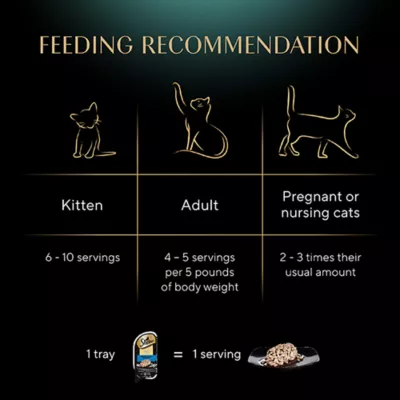
Kittens need more calories and nutrients to support their rapid growth and high energy levels. Adult cats require balanced portions to maintain their weight without gaining excess fat. Senior cats often eat less and may need food tailored to their aging bodies, sometimes with fewer calories but more fiber.
Have you noticed your cat’s appetite change as they've grown? Adjusting their food amount according to their life stage is crucial for their wellbeing.
Activity Level
A playful, outdoor cat burns far more energy than a mostly indoor, sedentary one. Active cats may need more food to fuel their daily adventures. On the other hand, less active cats require fewer calories to prevent weight gain.
Think about your cat’s daily routine—are they chasing toys all day or lounging on the couch? This will help you decide how much food to offer.
Breed And Size
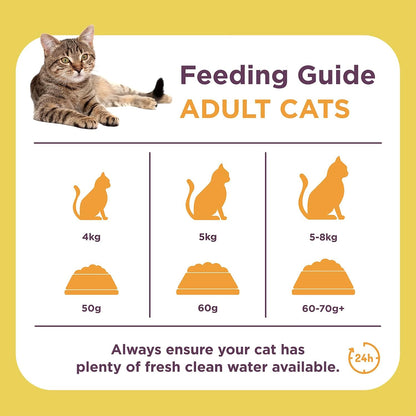
Large breeds like Maine Coons naturally need more food than smaller breeds such as Siamese cats. Size directly affects metabolism and energy needs. Tailoring food portions to your cat's breed and size helps avoid feeding too much or too little.
Have you ever compared feeding guidelines for different cat breeds? It might surprise you how much variation exists.
Health Conditions
Cats with health issues like diabetes, kidney disease, or obesity require special diets and portion control. Your vet’s guidance is essential here because your cat’s needs can change with their condition. Feeding the right amount can improve their quality of life and manage symptoms effectively.
Is your cat on medication or a special diet? Adjusting food portions carefully will support their treatment plan and overall health.
Types Of Cat Food And Their Impact
Choosing the right type of food for your cat affects not just their nutrition but also how much you should feed them. Different types of cat food have different calorie densities and moisture content, which impacts portion sizes and feeding frequency. Understanding these differences helps you avoid overfeeding or underfeeding and keeps your furry friend healthy and happy.
Dry Food Portioning
Dry food is convenient and has a longer shelf life, but it’s more calorie-dense than wet food. Because of this, you generally feed smaller portions compared to wet food. Check the package for calorie information and use a measuring cup to ensure accuracy.
Many cat owners find it easy to free-feed dry food, but this can lead to overeating. You might want to set strict meal times to control portions better. How often do you measure your cat’s food instead of guessing?
Wet Food Guidelines
Wet food contains a lot of moisture, which means your cat can eat a larger volume but consume fewer calories per bite. This helps with hydration, especially if your cat doesn’t drink much water. However, because of the moisture, you’ll need to feed more in weight compared to dry food to meet calorie needs.
Wet food also spoils quickly once opened, so feeding smaller portions several times a day is best. Pay attention to your cat’s weight and energy levels to adjust portion sizes. Have you noticed if your cat prefers wet food over dry?
Raw And Homemade Diets
Raw and homemade diets offer control over ingredients but require careful planning to meet all nutritional needs. These diets can vary widely in calorie content depending on the recipe, so you must consult a vet or pet nutritionist to determine the right amount.
Feeding raw or homemade meals often means preparing fresh food daily and storing it safely. It’s important to monitor your cat’s weight and health regularly with this type of diet. Could you commit to the extra effort needed for a homemade diet?
Calculating Daily Food Intake
Figuring out how much food your cat needs each day can feel tricky. Every cat is different, with unique energy levels, sizes, and health needs. Calculating daily food intake helps you avoid overfeeding or underfeeding, keeping your cat healthy and happy.
Using Calorie Requirements
Start by understanding your cat's daily calorie needs. An average indoor cat usually requires about 20 calories per pound of body weight. For example, a 10-pound cat needs roughly 200 calories per day.
If your cat is very active or a kitten, their calorie needs go up. Older or less active cats need fewer calories. You can ask your vet for a personalized calorie target based on your cat's lifestyle.
Reading Pet Food Labels
Pet food labels show calories per serving, but the numbers can be confusing. Look for "calories per cup" or "calories per can" to match with your cat’s needs. Dry food often has more calories per cup than wet food.
Check both the guaranteed analysis and feeding guidelines. These tell you how much to feed based on your cat’s weight. Remember, guidelines are a starting point, not a strict rule.
Adjusting For Treats And Snacks
Treats add calories, sometimes more than you realize. If you give your cat snacks, subtract those calories from their main meals. For example, a small treat might have 10-20 calories, which can add up quickly.
Think about how often you give treats and their size. Is your cat getting extra calories that could cause weight gain? Balancing treats with regular meals keeps your cat’s diet on track.
Have you ever noticed your cat begging more after treats? That’s a sign to rethink how much extra food you’re offering.

Credit: www.purina.com
Feeding Schedules And Frequency
Setting the right feeding schedule helps maintain your cat's health. It controls weight and digestion. Feeding frequency depends on age, lifestyle, and diet type.
Consistent meal times create routine and comfort for cats. They learn when to expect food. This reduces begging and stress.
Free Feeding Vs Scheduled Meals
Free feeding means leaving food out all day. Cats eat small amounts when they want. This works for some cats but risks overeating.
Scheduled meals involve giving food at set times. You control portions better. Cats may learn patience and better eating habits.
Many owners prefer scheduled meals. It helps monitor appetite and health. Free feeding suits active cats with high energy needs.
Feeding Kittens Vs Adult Cats
Kittens need more meals per day. Their small stomachs fill quickly. Offer 3 to 4 meals daily for kittens under six months.
Adult cats usually eat 1 to 2 meals daily. Their metabolism slows down. Feeding twice a day keeps energy steady.
Adjust feeding amounts as your cat grows. Watch weight and activity level. Avoid overfeeding to prevent obesity.
Meal Timing Tips
- Feed cats at the same times daily.
- Space meals 8 to 12 hours apart for adults.
- Feed kittens every 4 to 6 hours for steady growth.
- Offer meals in a quiet, calm place.
- Remove uneaten wet food after 30 minutes to avoid spoilage.
- Use mealtime as bonding time with your cat.
Signs Of Overfeeding And Underfeeding
Recognizing the signs of overfeeding and underfeeding helps keep your cat healthy. Cats need the right amount of food for energy and well-being. Too much or too little food causes problems. Watch your cat closely for changes in weight, behavior, and health. These clues show if feeding amounts need adjustment.
Weight Monitoring
Check your cat’s weight regularly. Sudden gain suggests overfeeding. Rapid loss signals underfeeding. Use a small scale or visit the vet for accuracy. Track changes over weeks, not days. Healthy cats maintain steady weight.
Behavioral Changes
Overfed cats may become lazy or less active. They might refuse to play or jump. Hungry cats often seem restless or meow more. They may beg for food frequently or search for snacks. Notice shifts in energy and appetite levels.
Health Risks
- Overfeeding can cause obesity, diabetes, and joint pain.
- Underfeeding may lead to malnutrition and weak immune response.
- Both can result in digestive problems and poor coat condition.
- Regular vet checkups catch health issues early.

Credit: www.whiskas.co.uk
Tips For Healthy Feeding Habits
Feeding your cat the right amount is just the start. Developing healthy feeding habits ensures your feline friend stays energetic and happy. Let’s focus on practical tips that help you make the best choices daily.
Choosing Quality Food
Not all cat foods are created equal. Look for options with real meat as the first ingredient and avoid products loaded with fillers like corn or soy. Quality food supports muscle maintenance and overall health, which can help prevent common issues like obesity.
Think about your own diet—would you want to eat something full of artificial ingredients every day? Your cat feels the same. Brands that include balanced nutrients tailored to your cat’s age and activity level are worth the investment.
Hydration Importance
Cats often don’t drink enough water, especially if they eat dry kibble. Proper hydration supports kidney function and helps prevent urinary tract problems. Consider adding wet food to your cat’s diet or providing a cat water fountain to encourage drinking.
Have you noticed your cat’s water bowl often stays untouched? This could be a sign to try different hydration options. Small changes can make a big difference in your cat’s health.
Consulting Your Veterinarian
Your vet is your best resource for personalized feeding advice. Regular check-ups help track your cat’s weight and overall health, so you can adjust food amounts as needed. Never hesitate to ask about specific food types or portion sizes based on your cat’s unique needs.
When was the last time you discussed your cat’s diet with a professional? Getting expert guidance can prevent future health problems and give you peace of mind about your cat’s nutrition.
Frequently Asked Questions
How Much Food Does An Average Cat Need Daily?
Most adult cats require about 20 calories per pound of body weight daily. This translates to roughly 1/3 to 1/2 cup of dry food or 5. 5 ounces of canned food per day, split into two meals. Adjust based on activity and health.
Should Feeding Amounts Vary By Cat’s Age Or Weight?
Yes, kittens and pregnant cats need more calories for growth and energy. Overweight cats require fewer calories to lose weight safely. Always adjust feeding based on your cat’s age, weight, and activity level to maintain optimal health.
Can Feeding Too Much Harm My Cat?
Overfeeding can lead to obesity, diabetes, and joint problems. It shortens a cat’s lifespan and lowers quality of life. Always follow feeding guidelines and consult your vet for proper portion control to avoid health risks.
Is Wet Or Dry Food Better For Portion Control?
Wet food contains more moisture and fewer calories per volume, helping control portions and hydration. Dry food is calorie-dense, so measuring is crucial. A mix of both can balance nutrition and portion control effectively for your cat.
Conclusion
Feeding your cat the right amount keeps them healthy and happy. Each cat’s needs differ by age, size, and activity. Watch your cat’s weight and energy for clues. Use feeding guidelines on the food package as a start. Adjust portions slowly if your cat gains or loses weight.
Fresh water must always be available. Regular vet visits help ensure your cat’s diet is right. Feeding with care shows how much you love your pet. Simple steps lead to a longer, better life for your cat.