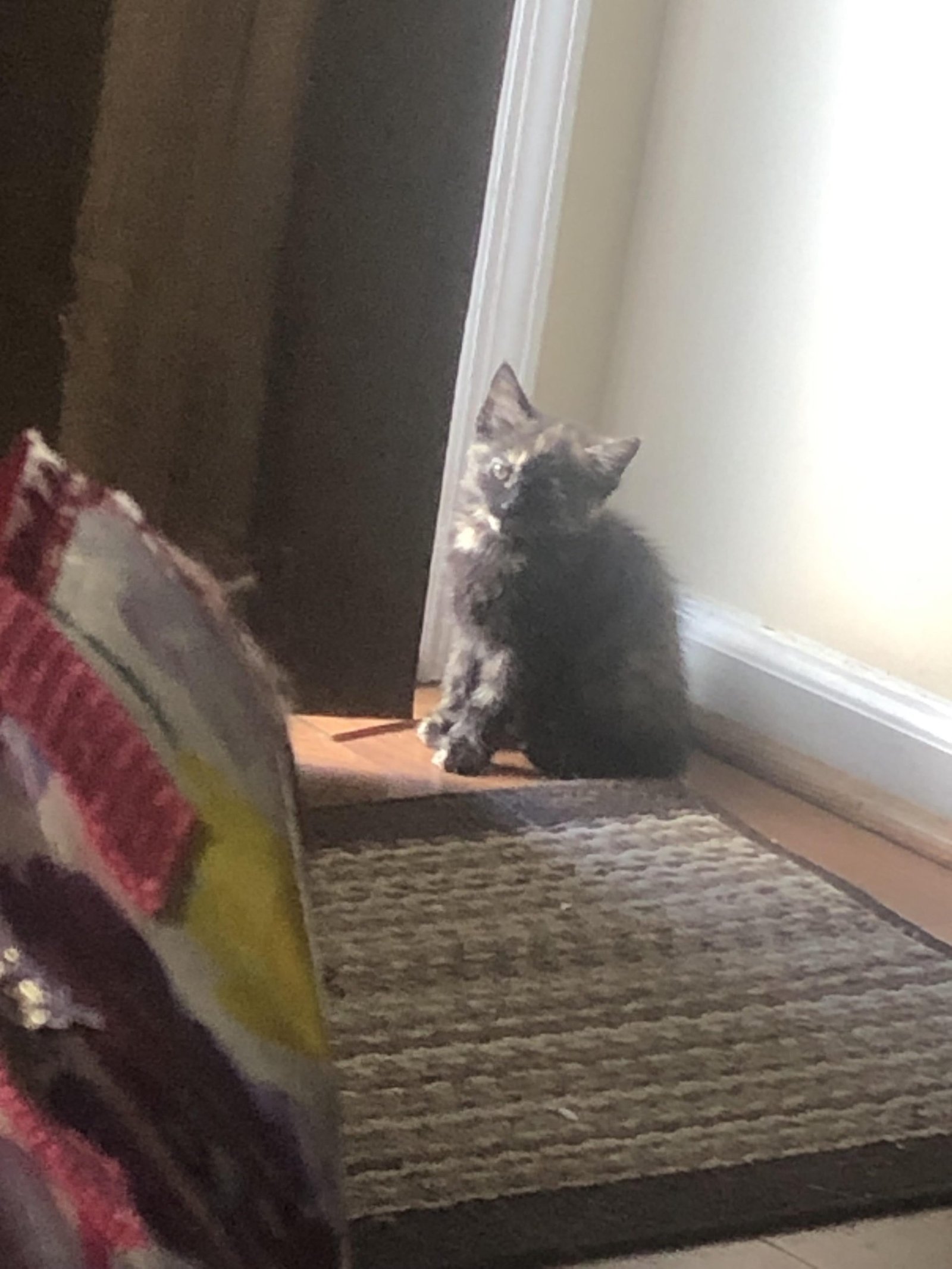
Wondering how much food your 6-month-old cat really needs? Feeding your growing feline just the right amount is crucial for their health and happiness.
Too little, and they might miss out on essential nutrients; too much, and weight problems could sneak in. You’ll discover clear, easy-to-follow guidelines that make feeding your young cat simple and stress-free. Keep reading to learn exactly what your furry friend needs to thrive at this important stage.
Calorie Needs For 6 Month Old Cats
Caring for a 6 month old cat means understanding its calorie needs. At this age, cats are growing fast and need energy to support their development. Knowing the right calorie amount helps keep your kitten healthy and active. It also prevents overfeeding or underfeeding, which can cause health problems.
Daily Calorie Requirements
A 6 month old cat usually needs between 200 and 250 calories per day. This range supports their rapid growth and high activity level. Kittens burn more calories than adult cats because they use energy to build muscles and organs.
Cat food packaging often shows calorie content. Use this to measure portions accurately. Feeding smaller meals multiple times a day helps maintain steady energy.
Factors Affecting Calorie Intake
Several factors change a kitten’s calorie needs:
- Activity level:Active kittens need more calories than calm ones.
- Breed:Larger breeds may require more calories for growth.
- Health status:Ill or recovering cats might need adjusted calories.
- Environment:Indoor cats might burn fewer calories than outdoor ones.
Watch your kitten’s weight and energy to adjust food amounts. Consult a vet for personalized advice.
Choosing The Right Food Type
Choosing the right food type for your 6-month-old cat is crucial for healthy growth and development. At this stage, your kitten is transitioning from baby food to more mature diets, so what you feed can impact their energy, coat, and overall health. Understanding the differences between food types and what nutrients to prioritize helps you make smart choices tailored to your cat’s needs.
Wet Vs Dry Food
Deciding between wet and dry food can feel overwhelming, but it boils down to your cat’s preferences and health needs. Wet food contains more moisture, which helps keep your kitten hydrated and supports urinary tract health. It’s also easier to chew, especially for younger cats who might still be teething.
Dry food offers convenience and helps maintain dental health by reducing plaque buildup. It’s also easier to store and usually costs less. Some cat owners find mixing both types works best, giving variety and balanced nutrition.
- Wet food is higher in water content, aiding hydration
- Dry food supports dental care and is convenient for free-feeding
- Combining both can satisfy texture preferences and nutritional needs
Essential Nutrients For Growth
Your 6-month-old cat needs a diet rich in specific nutrients for proper development. Protein is the top priority since it supports muscle growth and energy. Look for foods that list real meat as the first ingredient.
Fat is another critical nutrient, providing energy and helping absorb vitamins. Omega-3 and Omega-6 fatty acids promote a shiny coat and healthy skin. Don’t overlook vitamins and minerals like calcium and phosphorus, which are vital for strong bones and teeth.
Have you checked if your cat’s food includes taurine? It’s an essential amino acid that cats cannot produce on their own. Without enough taurine, your kitten could face serious health problems.
Recommended Portion Sizes
Determining the right portion size for your 6-month-old cat is key to their growth and health. At this age, kittens are growing rapidly and need balanced nutrition without overeating. Understanding how much to feed can prevent both underfeeding and excess weight gain.
Measuring Food Amounts
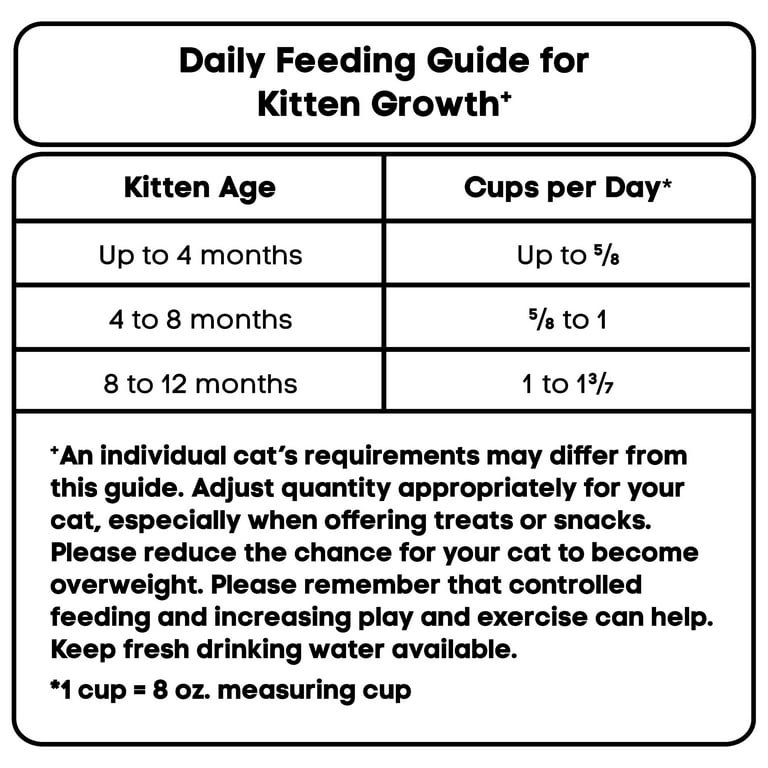
Use a standard measuring cup or a kitchen scale to get accurate food portions. Dry kibble and wet food have different densities, so measure each according to the package guidelines. For example, many brands recommend around 1/3 to 1/2 cup of dry food daily for a 6-month-old kitten, but always check your cat’s specific brand.
Keep track of your cat’s weight and adjust food amounts if you notice weight changes. If your kitten seems hungry after meals, it might mean you need to increase portions slightly. On the other hand, leftover food signals you should cut back.
Feeding Frequency
At six months, your cat should eat multiple small meals daily rather than one or two large ones. Aim for 3 to 4 feedings per day to keep energy levels steady and digestion smooth. This approach mirrors how cats eat in the wild and can help prevent overeating.
Try to feed your kitten at consistent times to create a routine. Have you noticed how your cat’s appetite changes if meal times vary? Consistency helps their metabolism and can reduce begging or anxiety around food.
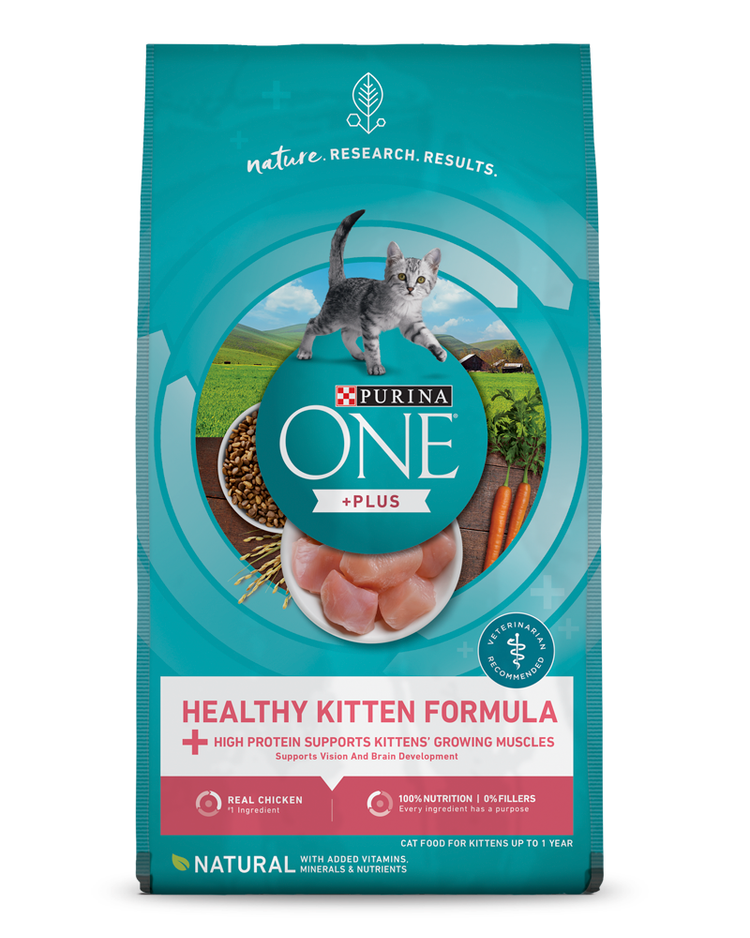
Credit: www.purina.com
Signs Of Proper Nutrition
Proper nutrition is vital for a 6-month-old cat’s growth and health. It supports strong bones, a shiny coat, and good organ function. Knowing the signs of good nutrition helps ensure your kitten thrives during this active stage.
Healthy Weight Indicators
A well-nourished kitten has a sleek, firm body without excess fat. You should feel ribs easily but not see them. The waist should be visible behind the ribs when viewed from above. A healthy weight supports mobility and prevents health issues.
Energy Levels And Behavior
Healthy kittens have steady energy throughout the day. They play, explore, and rest in balance. Lethargy or hyperactivity may signal nutrition problems. Alert eyes and a curious attitude show good health and proper feeding.
Common Feeding Mistakes To Avoid
Feeding a 6-month-old cat might seem simple, but many pet owners stumble into common mistakes that can affect their kitten's health. Understanding what to avoid helps you provide the right nutrition and supports your cat's growth and energy levels. Let’s look at some feeding pitfalls that you should watch out for.
Overfeeding Risks
Giving your kitten too much food can lead to rapid weight gain and obesity. This puts stress on their joints and organs, making them prone to health issues later in life.
It’s easy to think that a growing kitten needs a large amount of food, but more isn’t always better. Pay attention to the feeding guidelines on the food package and adjust based on your cat’s activity level and body condition.
Have you noticed your kitten becoming sluggish or gaining weight too fast? This could be a sign to cut back on portions or switch to a food with fewer calories.
Underfeeding Consequences
On the flip side, feeding too little can stunt your kitten’s growth and weaken their immune system. A 6-month-old cat is still developing muscle and bone, so they need sufficient nutrients and calories.
Missing out on essential vitamins and minerals may cause your cat to appear dull, lose interest in play, or even suffer from frequent illnesses.
Are you tracking your kitten’s weight and energy levels regularly? If your cat seems underweight or less lively than usual, it’s time to increase their food or consult your vet for advice.

Credit: www.purina.com
Adjusting Food Amounts Over Time
As your 6-month-old cat grows, their nutritional needs change too. Adjusting the amount of food you give is crucial to support healthy development without overfeeding. Paying close attention to their growth and behavior helps you provide the right portions at the right time.
Monitoring Growth Progress
Keep track of your kitten’s weight every week. A steady, gradual increase means you’re on the right track. If you notice sudden weight gain or loss, it’s a signal to rethink feeding amounts.
Watch how active your cat is during the day. Energetic play and curiosity usually indicate they’re well-nourished. If your cat seems lethargic or excessively hungry, their food portions might need adjustment.
- Weigh your cat using a small scale or visit a vet for accurate measurements.
- Note any changes in their coat, appetite, or bathroom habits.
- Adjust food portions in small increments—around 5-10%—rather than large jumps.
When To Consult A Veterinarian
If you’re unsure about how much to feed, or notice unusual symptoms like vomiting, diarrhea, or persistent lethargy, seek professional advice. A vet can provide tailored feeding guidelines based on your kitten’s breed, activity level, and health condition.
Veterinarians can also help identify hidden issues like food allergies or digestive problems that affect appetite and growth. Don’t hesitate to ask questions about the best types of food and portion sizes for your cat’s specific needs.
Have you ever wondered if your cat’s eating habits might signal a bigger health concern? A quick vet visit can save you time and worry, ensuring your furry friend thrives.
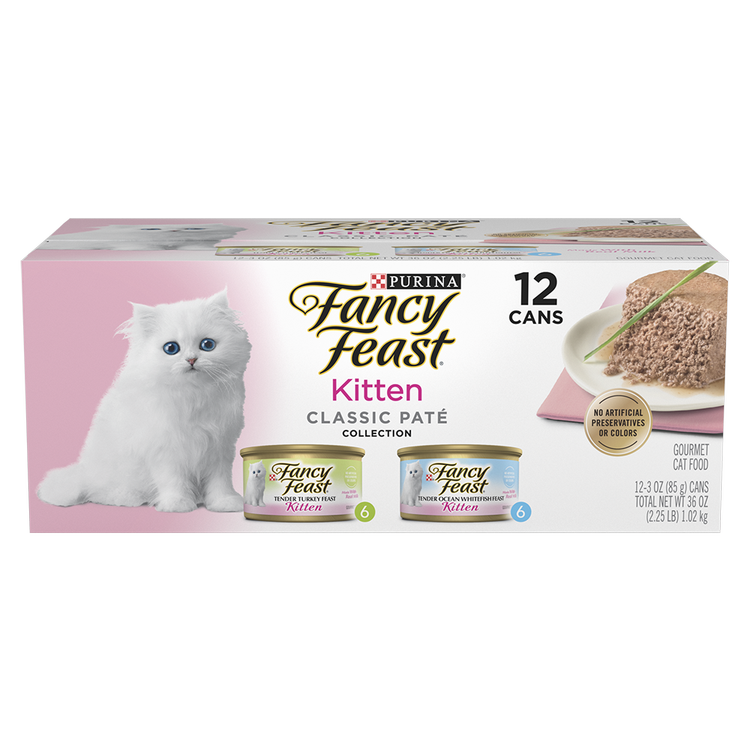
Credit: www.purina.com
Frequently Asked Questions
How Much Food Does A 6-month-old Cat Need Daily?
A 6-month-old cat typically needs about 1/2 to 3/4 cup of food daily. This depends on the cat’s weight and activity level. Divide the food into two or three meals for balanced nutrition and healthy growth.
What Type Of Food Is Best For 6-month-old Cats?
High-quality kitten food is best for 6-month-old cats. It should be rich in protein, fats, and essential nutrients. Wet or dry kitten formulas support growth and energy needs. Avoid adult cat food, as it lacks necessary kitten nutrients.
How Often Should I Feed A 6-month-old Kitten?
Feed a 6-month-old kitten two to three times daily. Regular feeding times help maintain metabolism and digestion. Consistent meal schedules also prevent overeating and encourage healthy eating habits.
Can I Free-feed A 6-month-old Kitten?
Free-feeding is not recommended for 6-month-old kittens. Scheduled meals prevent overeating and obesity. Controlled portions ensure the kitten receives balanced nutrition without excess calories.
Conclusion
Finding the right food amount for your 6-month-old cat is key. Cats need balanced nutrition to grow healthy. Too much food can lead to obesity. Too little can cause malnutrition. Monitor their weight regularly. Adjust portions based on activity and growth.
Consult your vet for personalized advice. Keep their water bowl full for hydration. Quality cat food supports their overall health. A happy cat is a well-fed cat. Providing the right amount ensures they thrive. Keep learning about your cat's needs.
Your cat will thank you with purrs and love.