Are you constantly wondering how much dry food your cat actually needs each day? You're not alone.
Many cat owners face the same dilemma, trying to strike the perfect balance between keeping their feline friends healthy and preventing overfeeding. Feeding your cat the right amount of dry food is crucial for their overall well-being, and getting it wrong can lead to weight issues or nutritional deficiencies.
You'll discover the secrets to determining the perfect portion size tailored specifically for your cat's unique needs. Keep reading to ensure you're giving your cat the best possible care, and avoid the common pitfalls that many pet owners unknowingly make. Your cat's health and happiness depend on it!

Credit: kookykibble.co.nz
Daily Dry Food Amounts
Feeding your cat the right amount of dry food daily is key for its health. Too little can cause hunger and nutrient gaps. Too much leads to weight gain and health issues. Understanding daily dry food amounts helps keep your cat happy and fit. Let’s explore what affects food quantity and how to adjust it properly.
Factors Affecting Food Quantity
Several elements influence how much dry food a cat needs each day. Activity level plays a big role—active cats burn more calories. Indoor cats tend to need less food than outdoor cats. The type of dry food also matters; some brands have higher calorie counts. Health status and metabolism differ from cat to cat. Consider all these factors to find the right portion.
Age-based Feeding Recommendations
Kittens require more calories to support fast growth. They usually need about 3 to 4 meals daily. Adult cats need fewer calories, often split into two meals. Senior cats’ metabolism slows, so they need smaller portions. Here is a simple guide:
| Age | Dry Food Amount |
|---|---|
| Kittens (up to 6 months) | ¼ to ½ cup, 3-4 times daily |
| Adults (1-7 years) | ½ cup, 2 times daily |
| Seniors (7+ years) | ¼ to ½ cup, 2 times daily |
Adjusting For Cat's Weight
Weight is a key factor in portion control. Overweight cats need less food and more exercise. Underweight cats may need more food or vet advice. Use your cat’s ideal weight as a guide for portions. Weigh your cat regularly to track changes. Adjust food amounts slowly to avoid digestive issues.
Calories And Nutritional Needs
Understanding your cat’s calories and nutritional needs is key to feeding the right amount of dry food daily. Cats need energy from calories to stay healthy and active. Their nutritional needs vary by age, size, and lifestyle. Providing the proper balance helps avoid weight problems and supports overall well-being.
Calorie Requirements By Cat Type
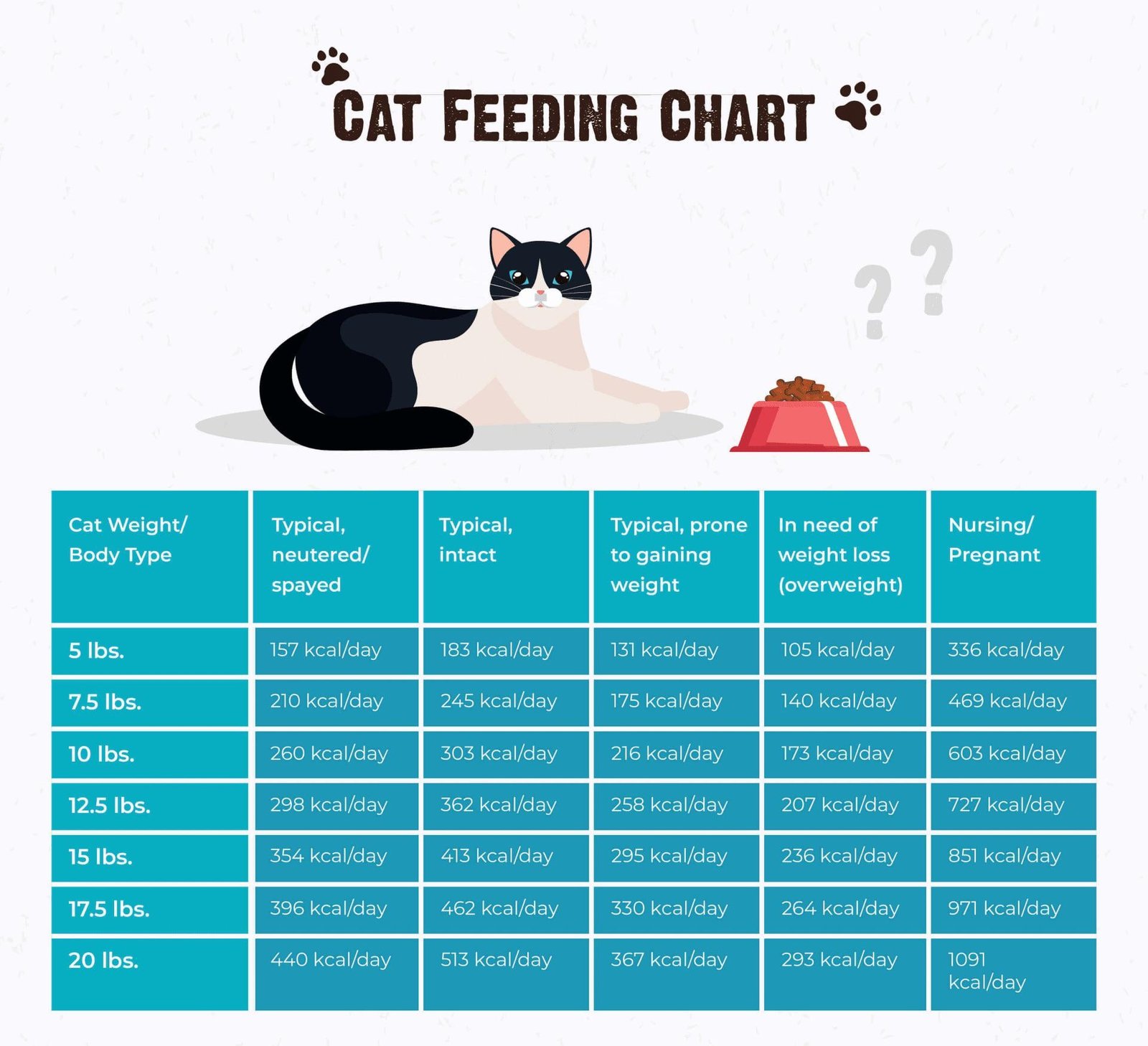
Different cats need different calories based on their type and activity level. Here is a basic guide:
- Kittens:About 200-250 calories per day for growth.
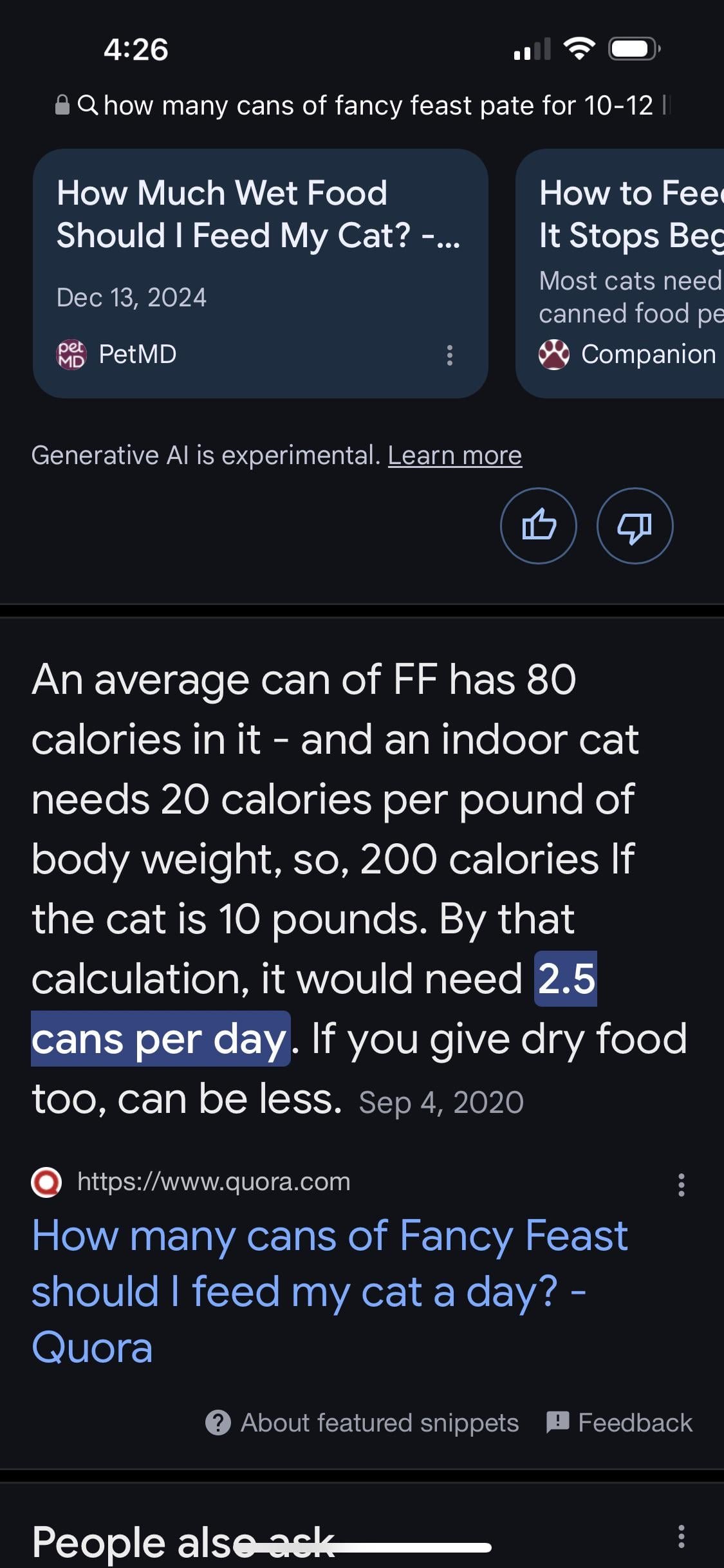
- Adult Indoor Cats:Around 180-220 calories daily to maintain weight.
- Active or Outdoor Cats:May need 250-300 calories or more for energy.
- Senior Cats:Usually require fewer calories, about 150-180 daily.
- Overweight Cats:Need reduced calories to lose weight safely.
Calorie needs can vary. Always observe your cat’s body condition and adjust food amounts.
Balancing Dry Food With Nutrients
Dry food must meet all nutrient needs besides calories. Cats need proteins, fats, vitamins, and minerals daily.
Look for dry food that lists high-quality animal protein first. Protein supports muscles and body repair. Healthy fats provide energy and keep skin shiny.
Essential nutrients to check in dry food include:
- Taurine – vital for heart and eye health
- Omega-3 and Omega-6 fatty acids – for coat and brain function
- Vitamins A, D, and E – support immune and bone health
- Minerals like calcium and phosphorus – for strong bones and teeth
Balancing calories with proper nutrients ensures your cat stays healthy. Avoid feeding too much dry food alone; mix with fresh water or wet food for hydration and variety.
Feeding Frequency Tips
Knowing how often to feed your cat dry food is just as important as knowing how much to give. Feeding frequency affects your cat’s digestion, energy levels, and even their behavior. Getting this right can prevent overeating and keep your feline friend healthy and happy.
Meal Timing Options
You can choose between free feeding and scheduled feeding. Free feeding means leaving dry food out all day, letting your cat eat whenever they want. Scheduled feeding involves offering meals at set times, usually two to three times a day.
Think about your daily routine and your cat’s habits. Some cats prefer nibbling throughout the day, while others do better with defined meal times. If your cat tends to overeat, scheduled feeding can help control portions better.
Benefits Of Scheduled Feeding
Scheduled feeding helps regulate your cat’s appetite and digestion. When you feed at regular times, your cat learns to expect food and can develop a healthy eating rhythm. This often reduces begging and makes mealtime more predictable for both of you.
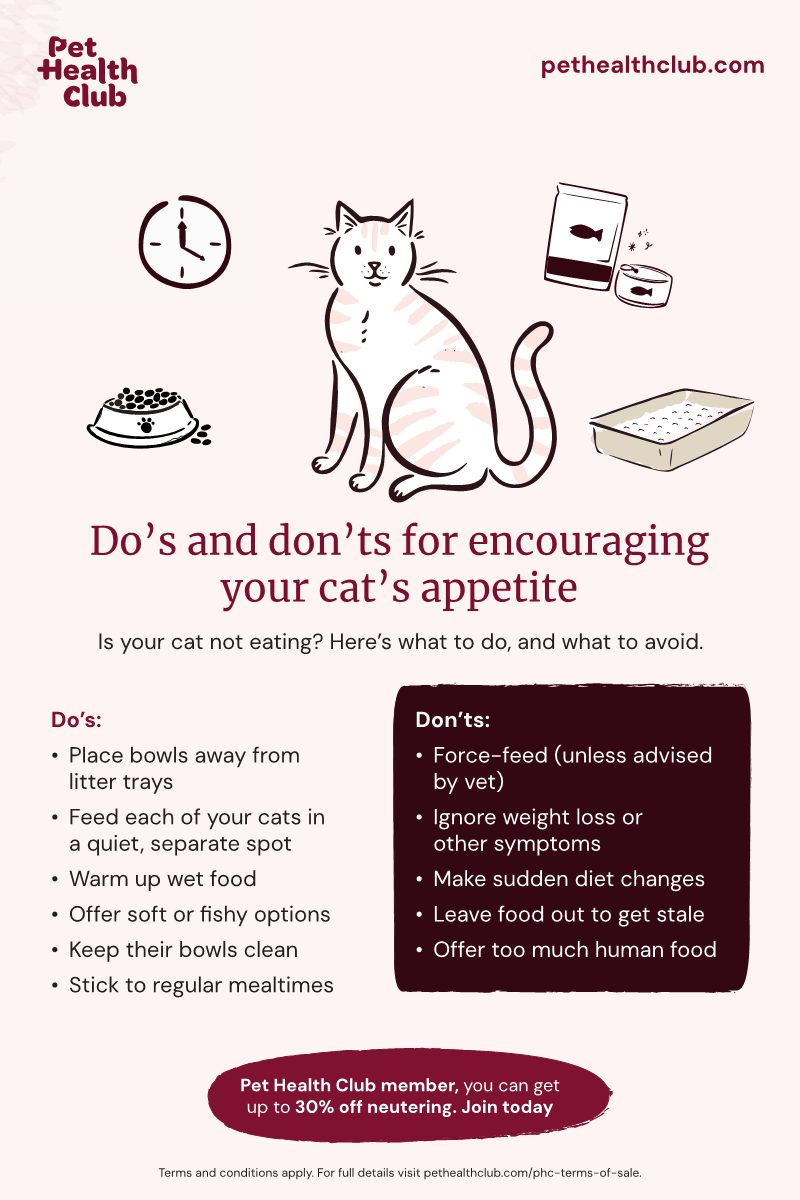
It also makes it easier to monitor your cat’s eating habits. You’ll quickly notice if they skip a meal or eat less, which can be a sign of health issues. Plus, scheduled feeding can prevent food from sitting out too long, reducing the risk of stale or contaminated dry food.
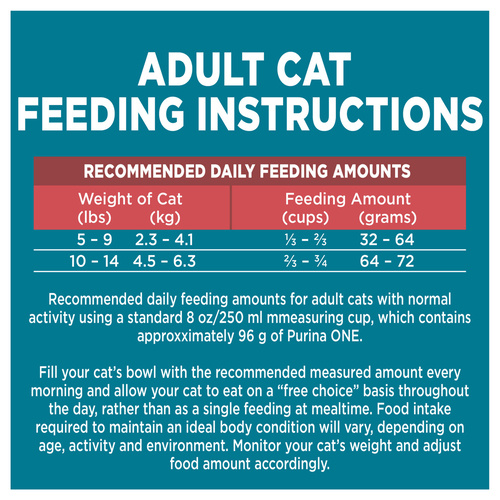
Credit: www.sobeys.com
Monitoring Cat's Weight
Monitoring your cat's weight is key to feeding the right amount of dry food daily. Weight changes reveal if your cat eats too much or too little. Regular checks help catch problems early. Keep a habit of weighing your cat weekly or biweekly. Note the numbers and watch for trends. This practice supports your cat’s health and happiness.
Signs Of Overfeeding
- Noticeable weight gain over a short time
- Difficulty feeling ribs when petting
- Less activity or slower movements
- Excessive begging for food
- Fat deposits around the abdomen or base of the tail
Signs Of Underfeeding
- Rapid weight loss or thin appearance
- Visible ribs and spine
- Low energy and lack of playfulness
- Increased hunger or searching for food
- Dull coat or poor fur quality
Using Weight Charts
Weight charts offer a simple way to track your cat’s ideal weight. Use breed-specific or general cat weight charts. Plot your cat’s weight regularly. Compare it with the chart to see if your cat stays within a healthy range. Adjust food portions based on trends, not just one measurement. Consult your vet for personalized charts. This ensures precise feeding tailored to your cat’s needs.
Special Considerations
Feeding a cat the right amount of dry food daily needs special care. Each cat's lifestyle and health affect how much food it needs. These special points help you feed your cat just right. Paying attention to these factors keeps your cat healthy and happy.
Feeding Indoor Vs Outdoor Cats
Indoor cats usually move less. They need fewer calories to avoid weight gain. Outdoor cats burn more energy. They require more food to stay active and strong. You should adjust the food amount based on where your cat spends most time.
- Indoor cats: Feed less dry food to prevent obesity.
- Outdoor cats: Provide more food to replace energy used outside.
- Watch your cat’s weight and activity to fine-tune feeding.
Adjustments For Health Conditions
Health issues change a cat’s dietary needs. Cats with kidney problems may need less protein. Overweight cats need fewer calories to lose weight safely. Diabetic cats might require special food types and amounts. Talk to your vet for the best feeding plan if your cat has health concerns.
- Kidney disease: Lower protein but balanced nutrition.
- Obesity: Reduced calorie intake and controlled portions.
- Diabetes: Consistent feeding times and special diets.
Choosing The Right Dry Food
Choosing the right dry food is key for your cat’s health and happiness. Cats need balanced nutrition to stay active and strong. Not all dry foods offer the same benefits. Some contain better ingredients than others. Knowing what to pick helps your cat live longer and feel better. Focus on quality and avoid harmful additives.
Quality Ingredients To Look For
High-quality dry food starts with good ingredients. Protein should be the main ingredient. Look for named meat sources like chicken, turkey, or fish. Whole grains or vegetables provide fiber and energy. Natural vitamins and minerals support overall health. Avoid vague terms like “meat by-products” or “animal digest.” Clear labeling means better nutrition for your cat.
Avoiding Common Additives
Many dry foods contain additives that can harm cats. Stay away from artificial colors and flavors. These offer no health benefits and may cause allergies. Avoid preservatives like BHA, BHT, and ethoxyquin. These chemicals can be toxic over time. Excess salt and sugar can also lead to health issues. Choose dry food with minimal and natural additives only.

Credit: pet-supermarket.co.uk
Frequently Asked Questions
How Much Dry Food Should I Feed My Cat Daily?
Most adult cats need about 1/4 to 1/3 cup of dry food daily. Adjust portions based on weight, age, and activity level for best health.
Can Overfeeding Dry Cat Food Cause Health Issues?
Yes, overfeeding dry food can lead to obesity and related health problems. Monitor your cat’s weight and adjust food accordingly.
Should Kitten Feeding Amounts Differ From Adult Cats?
Yes, kittens require more frequent and larger portions of dry food to support growth. Follow feeding guidelines on the packaging.
How To Measure The Right Amount Of Dry Cat Food?
Use a standard measuring cup for accuracy. Divide the daily recommended amount into two or more meals for better digestion.
Conclusion
Feeding your cat the right amount of dry food keeps them healthy. Watch their weight and adjust food as needed. Every cat is different, so check their body condition often. Fresh water must always be available alongside dry food. Consult your vet for specific feeding advice.
Small meals throughout the day help maintain energy. A balanced diet supports your cat’s happiness and longevity. Simple steps can make feeding easier and safer. Careful feeding shows you love your pet.