Are you wondering how much dry food to feed your cat? You're not alone.
Many cat owners find themselves puzzled by feeding guidelines. You want to keep your furry friend healthy and happy, but the question is, how much is just right? Feeding too little can leave your cat hungry and undernourished, while too much can lead to obesity and health issues.
In this guide, you'll discover a simple chart that will take the guesswork out of feeding your cat. Imagine having a clear, easy-to-follow plan that ensures your pet gets exactly what they need. Stay with us, and you'll gain the confidence to provide the perfect portion every time, supporting your cat's well-being and your peace of mind.

Credit: www.reddit.com
Daily Feeding Amounts
Knowing the right daily feeding amount for your cat can save you from overfeeding or underfeeding. Cats have unique dietary needs that change based on various factors. Getting the portion right ensures your feline stays healthy and happy.
Factors Affecting Food Quantity
Not all cats need the same amount of food, even if they look similar. Several factors influence how much dry food your cat should eat daily.
- Type of food:Different brands and formulas have different calorie counts.
- Metabolism:Some cats naturally burn calories faster than others.
- Health conditions:Illness or medication can affect appetite and energy needs.
Have you noticed your cat’s hunger changes after a vet visit or new medicine? That’s why adjusting portions is important.
Age And Weight Considerations
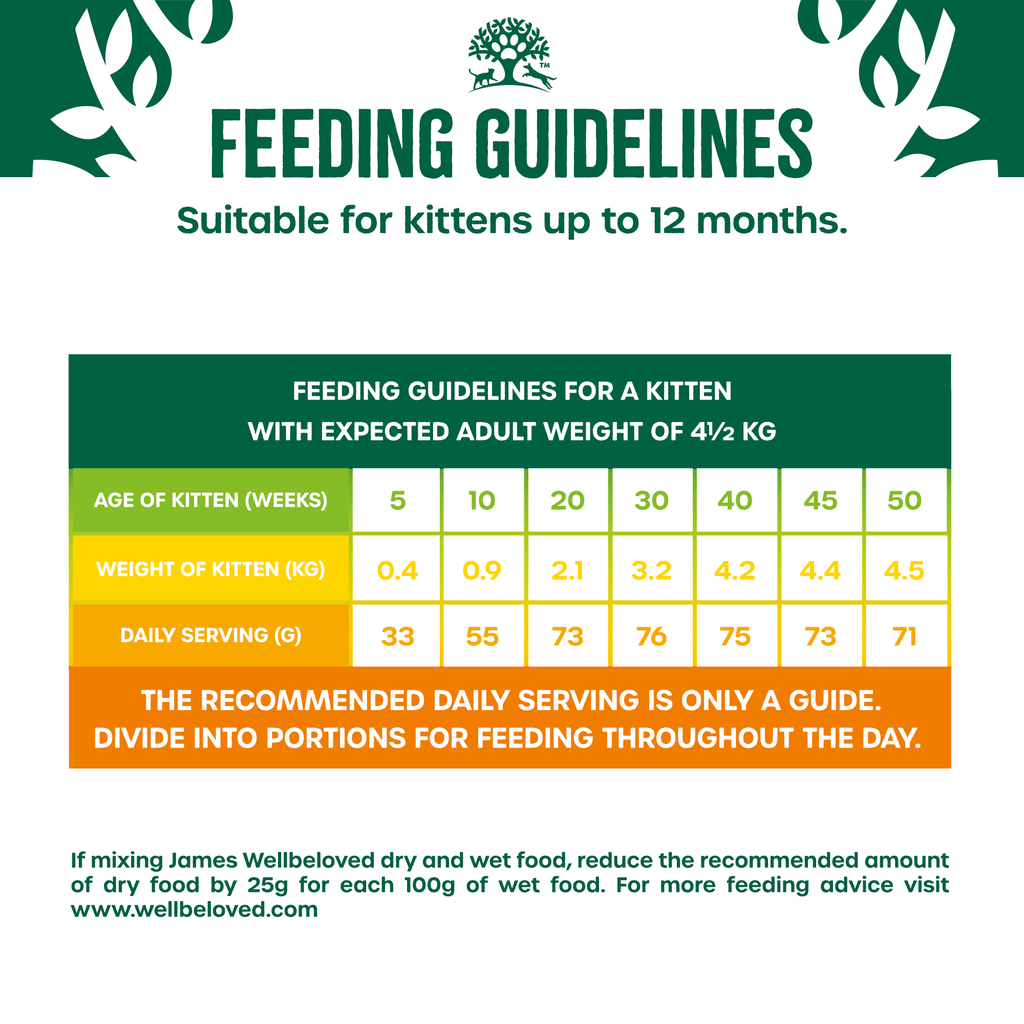
Kittens need more food relative to their size because they’re growing fast. As they mature, their calorie needs drop, so feeding the same amount as a kitten can lead to weight gain.
Adult cats should be fed based on their ideal weight, not just their current weight. Overweight cats require fewer calories to encourage weight loss safely.
| Life Stage | Daily Feeding Amount (grams) |
|---|---|
| Kittens (up to 6 months) | 50 - 70 |
| Adult Cats (4-5 kg ideal weight) | 40 - 60 |
| Senior Cats (7+ years) | 35 - 55 |
Are you measuring your cat’s food or guessing? A kitchen scale can make a big difference in portion control.
Activity Level Impact
Active cats burn more calories and need larger portions to maintain their energy. Indoor cats or those that sleep most of the day usually require less food.
If your cat likes to chase toys or spends time outside, consider increasing their daily dry food amount. Keep an eye on their body condition and adjust if you notice weight changes.
- Highly active cats: add 10-20% more food
- Less active or sedentary cats: reduce portions to avoid weight gain
How often do you see your cat move around? Matching food portions to activity can help prevent unexpected weight issues.
Credit: aimextools.com
Portion Sizes By Cat Weight
Understanding the right portion size of dry food for your cat depends largely on their weight. Feeding the correct amount ensures your cat stays healthy without gaining extra pounds or feeling hungry. Let’s break down how much dry food to offer based on whether your cat is small, medium, or large.
Small Cats
Small cats typically weigh between 5 to 8 pounds. They usually need around 1/4 to 1/3 cup of dry food daily. If your cat is very active, you might add a little more, but watch for signs of overeating.
For example, my petite cat, Luna, thrives on about 1/4 cup per day. Feeding her less made her cranky, while more led to weight gain. Adjust the portions based on how your cat behaves and feels.
Medium Cats
Medium-sized cats weigh between 8 to 12 pounds. A typical portion ranges from 1/3 to 1/2 cup of dry food per day. This amount keeps most of them energetic and satisfied.
Remember, if your cat spends a lot of time indoors and moves less, you might want to stick to the lower end of this range. You can also split the daily amount into two meals to prevent begging and overeating.
Large Cats
Large cats weigh 12 pounds or more and generally require 1/2 to 3/4 cup of dry food daily. Some very active large cats might need even more to maintain their energy.
My friend’s big Maine Coon needs close to 3/4 cup, split into two meals. If your large cat starts gaining weight, cutting back slightly can help. Always observe their body condition and adjust accordingly.
Adjusting Feeding Amounts
Adjusting the amount of dry food your cat needs is crucial to keep them healthy and happy. Cats have different nutritional requirements depending on their life stage and health condition. Paying attention to these changes can prevent problems like obesity or malnutrition and ensure your cat thrives.
Pregnant And Nursing Cats
Pregnant and nursing cats need more calories to support their growing kittens and milk production. Their energy demands can increase by up to 50%, so feeding the usual amount won’t be enough. You might want to offer several small meals throughout the day instead of one or two large portions.
Try increasing the food gradually and monitor your cat’s weight and appetite. If she seems to be losing weight or appears lethargic, consult your vet. Remember, quality matters—choose a dry food formulated for growth and reproduction to meet these higher nutritional needs.
Senior Cats
Older cats often have lower energy levels and slower metabolisms, so their food intake usually needs to be reduced. However, some senior cats lose muscle mass and need protein-rich diets to maintain strength. This means you might need to balance cutting calories while ensuring enough nutrients.
Watch your cat’s body condition closely and adjust portions based on activity and weight changes. Offering food designed for senior cats can provide the right balance of nutrients. Has your senior cat’s appetite changed recently? That might be a sign to tweak their feeding amounts.
Overweight Cats
If your cat is overweight, reducing their daily dry food is a key step toward a healthier weight. However, cutting food too drastically can cause stress and lead to begging or unhealthy behaviors. Aim for a steady, gradual decrease in portions instead.
Pair portion control with increased playtime to help burn calories. Measuring food with a kitchen scale or using a feeding chart can keep you on track. How do you ensure your cat doesn’t feel hungry during this process? Try dividing meals into smaller servings throughout the day to keep them satisfied.
Reading Cat Food Labels
Reading cat food labels helps you feed your cat the right amount of dry food. Labels provide important details about the food’s energy, nutrition, and portion sizes. Understanding these details makes feeding easier and keeps your cat healthy. Here is how to read key parts of a cat food label.
Calorie Content
The calorie content tells how much energy is in one serving of food. Cats need a certain amount of calories daily based on their size and activity. The label usually shows calories per cup or per kilogram. Use this number to measure food correctly and avoid overfeeding or underfeeding.
Serving Suggestions
Serving suggestions guide you on how much food to give your cat. These amounts are based on average cats but can vary. The label may list servings for different weights or ages. Adjust the portions if your cat is very active, older, or has special needs.
Nutritional Balance
Look for balanced nutrients on the label to ensure your cat gets all essentials. Proteins, fats, vitamins, and minerals should be listed with their amounts. Good cat food has high protein and controlled fat levels. Proper nutrition supports your cat’s growth, energy, and overall health.
Feeding Frequency Tips
Finding the right feeding frequency for your cat can make a big difference in their health and happiness. Cats have unique eating habits, and understanding when and how often to feed them helps prevent overeating and keeps their digestion on track. Let’s dive into some practical tips that can help you decide the best schedule for your furry friend.
Meal Timing
Most cats do well with two to three meals a day. Feeding at consistent times helps your cat know when to expect food, which can reduce begging or anxiety. Try offering meals in the morning and evening, spacing them about 8-12 hours apart.
Observe your cat’s behavior around meal times. If they seem restless or meow frequently, they might benefit from smaller, more frequent meals. You might even discover your cat prefers a midday snack to break up the day.
Free Feeding Vs Scheduled Meals
Free feeding means leaving dry food out all day for your cat to eat whenever they want. While convenient, it can lead to overeating, especially if your cat is prone to snacking. Think about your cat’s personality—if they tend to graze all day and maintain a healthy weight, free feeding might work.
Scheduled meals give you control over portions and help regulate your cat’s weight. Feeding at set times can also strengthen the bond between you and your cat, as mealtime becomes a shared routine. If you choose scheduled meals, be consistent and avoid leaving food out between feedings to prevent nibbling.
- Free feeding suits cats with good self-control and steady weight.
- Scheduled meals help manage weight and prevent food guarding behavior.
- Mix both methods carefully if you have multiple cats with different eating habits.
Have you noticed your cat’s energy levels or mood change with different feeding schedules? Trying out these tips can give you clues about what suits your cat best.
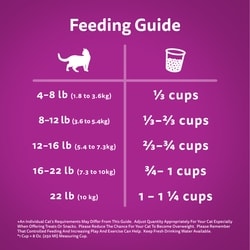
Credit: www.valumart.ca
Common Feeding Mistakes
Feeding your cat the right amount of dry food can be tricky. Many cat owners make common mistakes that affect their pet’s health. Understanding these errors will help you provide better care and avoid unnecessary problems.
Overfeeding Risks
Giving your cat too much dry food can lead to rapid weight gain. Overweight cats face health issues like diabetes and joint pain. It’s easy to assume your cat is still hungry, but extra portions often cause more harm than good.
Think about how often you’ve topped up the bowl without measuring. That habit can turn a small snack into a daily overload. Try using a measuring cup to control portions and resist refilling until the next scheduled meal.
Underfeeding Concerns
On the flip side, feeding too little dry food can leave your cat hungry and undernourished. Cats need enough calories to maintain energy and a healthy coat. Skimping on food might seem like a way to prevent weight gain but can cause weakness or illness instead.
Have you noticed your cat begging more or acting restless? These signs might mean they’re not getting enough food. Adjust your feeding amount based on your cat’s activity level, age, and health needs rather than guessing.
Sample Feeding Chart
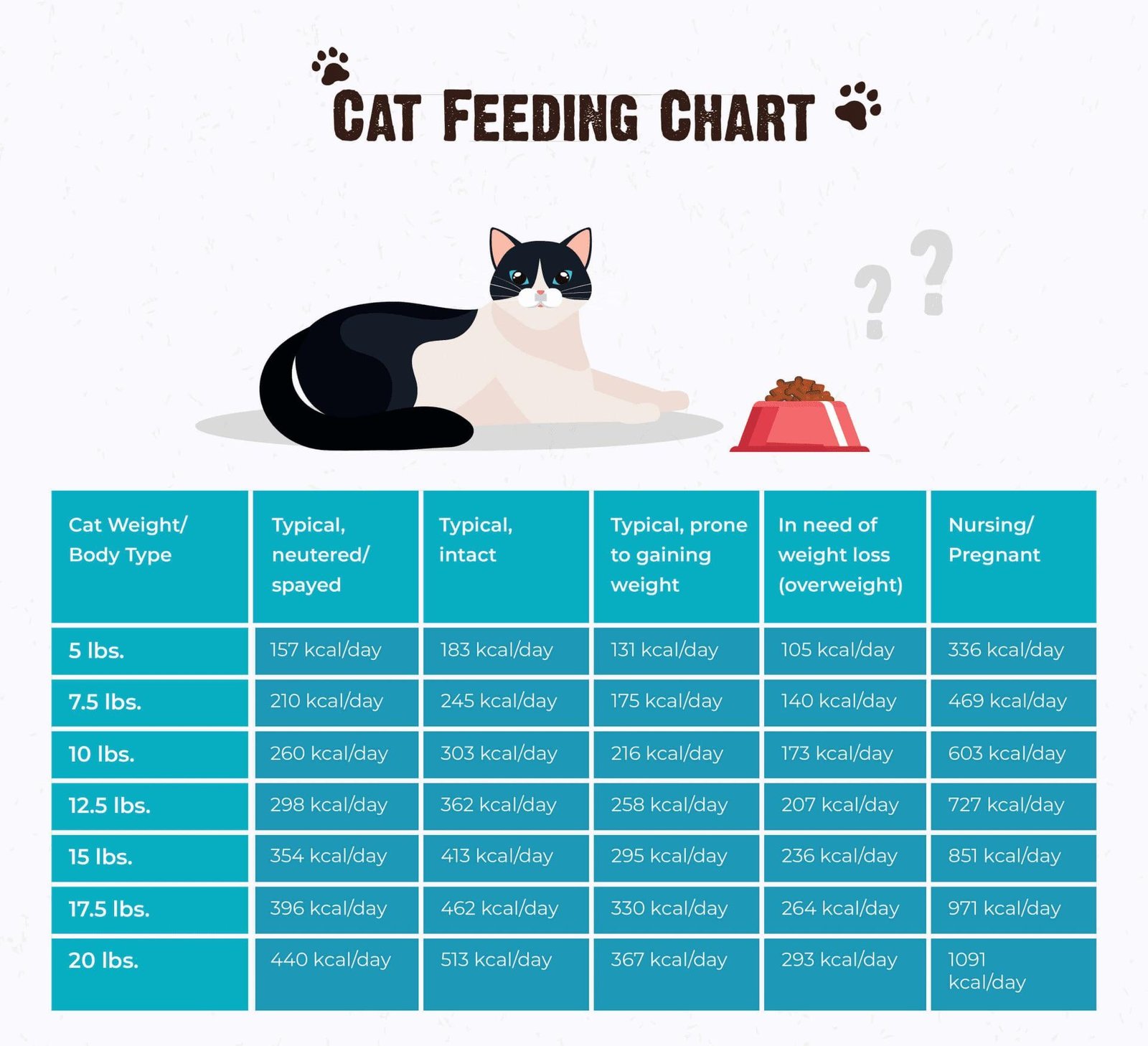
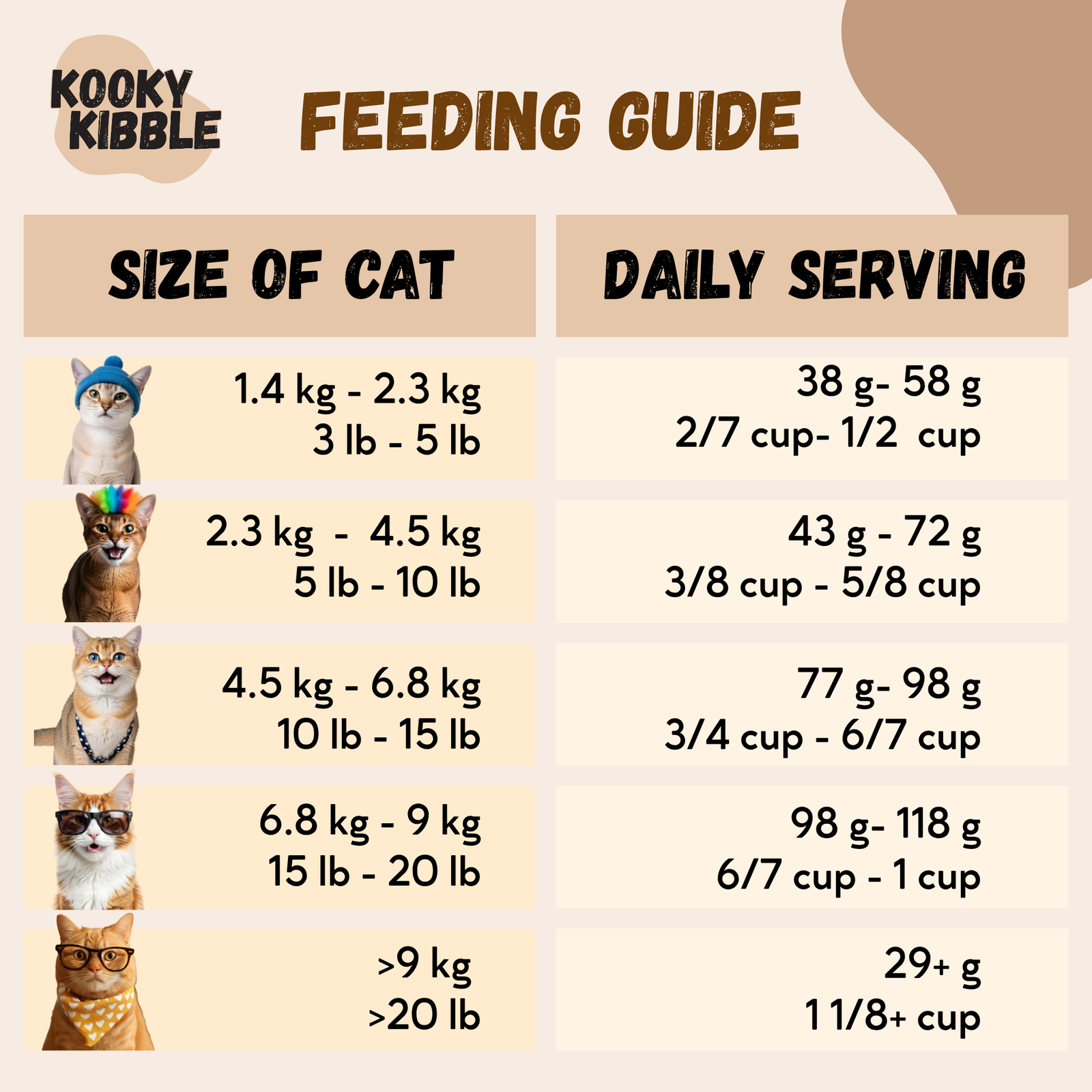
Understanding how much dry food to give your cat daily can feel tricky. A sample feeding chart simplifies this by showing clear guidelines based on your cat’s weight. This helps you avoid overfeeding or underfeeding, keeping your feline friend healthy and happy.
Daily Grams Per Weight Range
| Cat Weight (lbs) | Daily Dry Food (grams) |
|---|---|
| 5 - 7 | 40 - 55 |
| 8 - 10 | 55 - 70 |
| 11 - 13 | 70 - 85 |
| 14 - 16 | 85 - 100 |
This chart helps you match your cat’s weight with the right amount of dry food in grams. Notice how even a small increase in weight changes the daily amount noticeably. Have you measured your cat’s weight recently? It’s key to feeding the right portions.
Conversion To Cups
Dry cat food varies in density, but on average, 1 cup equals about 100 grams. Using this, you can convert the daily grams into cups for easier feeding.
- 5 - 7 lbs: 0.4 to 0.55 cups per day
- 8 - 10 lbs: 0.55 to 0.7 cups per day
- 11 - 13 lbs: 0.7 to 0.85 cups per day
- 14 - 16 lbs: 0.85 to 1 cup per day
When you scoop, be precise. Using a kitchen scale can make a big difference in portion control. Have you ever noticed how even a little extra food changes your cat’s energy or weight? These small adjustments really matter.
Frequently Asked Questions
How Much Dry Food Should I Feed My Cat Daily?
The daily amount depends on your cat’s weight and activity. On average, feed 1/3 to 1/2 cup of dry food per day. Always check the feeding chart on the packaging for precise portions based on your cat’s age and size.
Can Feeding Too Much Dry Food Harm Cats?
Yes, overfeeding dry food can cause obesity and health issues. It’s important to follow recommended feeding amounts and monitor your cat’s weight regularly to keep them healthy and active.
How Do I Adjust Dry Food Portions For Kittens?
Kittens need more calories for growth, so feed smaller, frequent meals. Use a feeding chart designed for kittens, usually 1/4 to 1/2 cup daily, divided into three or more meals.
Should I Consider My Cat’s Activity Level For Feeding?
Absolutely. Active cats need more calories, so increase portions slightly. Less active or indoor cats require less food to avoid weight gain.
Conclusion
Feeding your cat the right amount of dry food keeps them healthy and happy. Use the chart to find the best portion for your cat’s size and age. Watch your cat’s weight and energy to adjust food as needed. Fresh water is important too.
Each cat is different, so check often and ask a vet if unsure. Good feeding habits help your cat live a long, strong life. Simple steps make a big difference in your cat’s health.