

Are you unsure about how much dry food your adult cat really needs each day? Feeding your feline the right amount is key to keeping them healthy, happy, and full of energy.
Too little food can leave your cat hungry and weak, while too much can lead to weight gain and health problems. You’ll discover simple tips and clear guidelines that take the guesswork out of feeding. By the end, you’ll feel confident about giving your cat just the right portion every time.
Keep reading to find out exactly how much dry food your adult cat should eat!

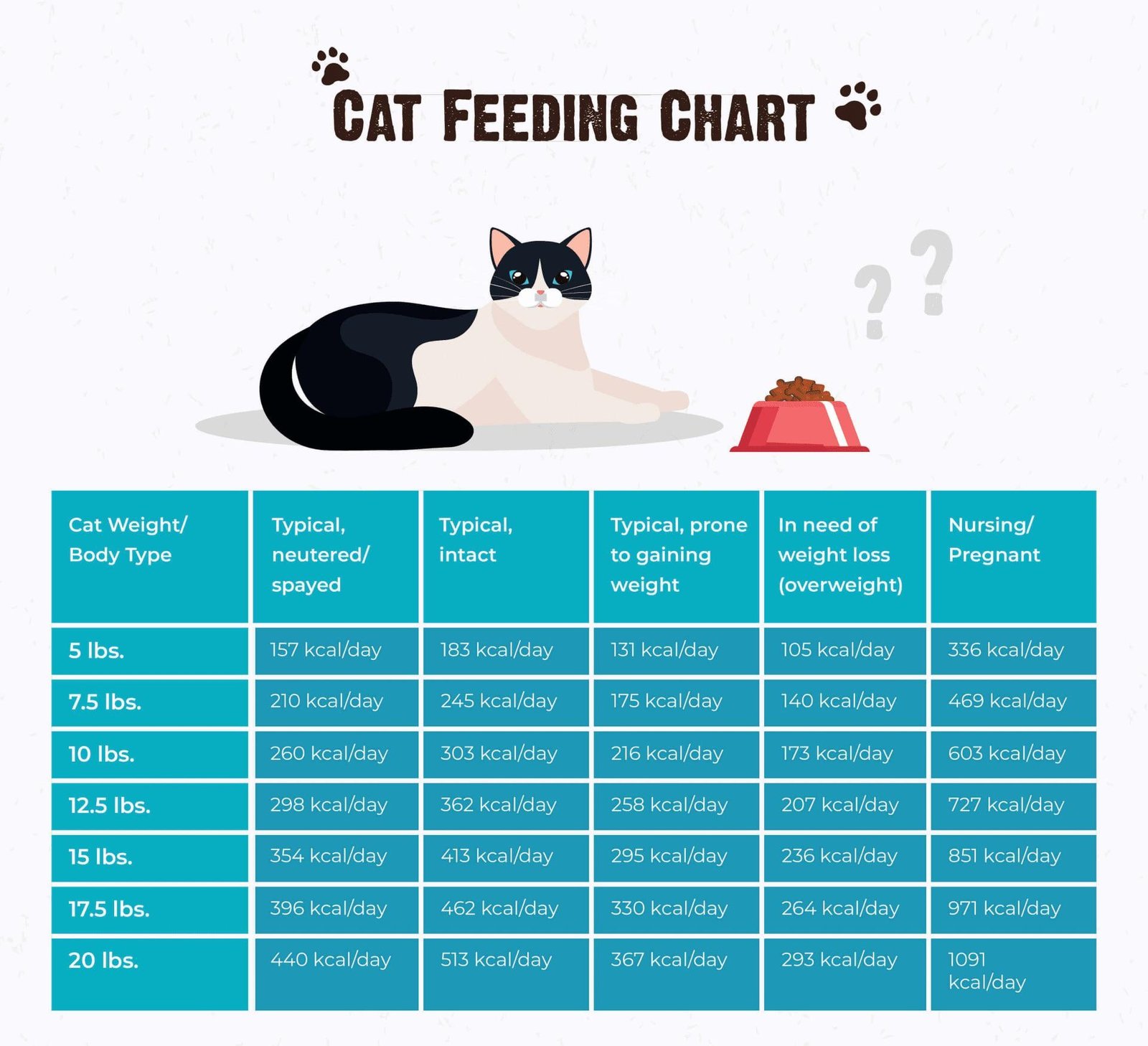
Credit: companion-vets.com
Daily Calorie Needs
Understanding your adult cat’s daily calorie needs is key to keeping it healthy. Cats need the right amount of energy to stay active and maintain a good weight. Feeding too much dry food can cause weight gain, while too little can lead to malnutrition. Finding the balance helps your cat live a happy life.
Factors Affecting Calorie Requirements
Several factors change how many calories your cat needs each day. These include:
- Age:Older cats usually need fewer calories than younger adults.
- Activity Level:Active cats burn more energy and need more calories.
- Weight:Overweight cats need fewer calories to lose weight.
- Health:Illness or medical conditions can affect calorie needs.
- Breed:Some breeds have higher metabolism rates than others.
Calculating Your Cat's Energy Needs
Start by finding your cat’s ideal weight in pounds. Use this simple formula for daily calorie needs:
| Cat’s Weight (lbs) | Calories Needed per Day |
|---|---|
| 5 | 180 |
| 8 | 250 |
| 10 | 290 |
| 12 | 320 |
This estimate guides how much dry food to offer. Check the calorie content on your cat food label. Divide the total daily calories by the calories per cup to find the right portion size.
Portion Sizes For Dry Food
Feeding your adult cat the right portion of dry food is crucial for their health and happiness. Overfeeding can lead to obesity, while underfeeding may cause nutrient deficiencies. Understanding portion sizes helps you maintain your cat’s ideal weight and energy levels.
Recommended Serving Amounts
Generally, adult cats require about 20 to 30 calories per pound of body weight each day. Most dry cat foods provide feeding guidelines on the packaging, often suggesting around 1/4 to 1/3 cup per 5 poundsof body weight daily.
For a 10-pound cat, this usually means approximately 1/2 to 2/3 cup of dry food per day. You can divide this amount into two or more meals to keep your cat satisfied throughout the day.
| Cat's Weight | Daily Serving (Approx.) |
|---|---|
| 8 lbs | 1/3 to 1/2 cup |
| 10 lbs | 1/2 to 2/3 cup |
| 12 lbs | 2/3 to 3/4 cup |
Adjusting Portions Based On Activity
Your cat’s activity level changes how much food they need. A more active cat burns more calories and may need slightly larger portions to stay energized.
On the other hand, if your cat mostly lounges around all day, you should reduce the amount to prevent unwanted weight gain. Have you noticed your cat gaining weight or losing interest in food? That might be a sign to adjust portion sizes.
Try observing your cat’s behavior and body condition every week. If they seem lethargic or are gaining weight, tweak the portions accordingly. Remember, every cat is unique, so tailor the amount based on their lifestyle and health needs.
Reading Food Labels
Reading food labels helps you understand what your cat eats daily. Labels contain key facts about ingredients and nutrition. This knowledge guides the right portion for your adult cat. Proper reading avoids overfeeding or underfeeding your pet.
Interpreting Nutritional Information
Check the percentage of protein, fat, and fiber on the label. Protein is vital for muscle health. Fat gives energy, but too much can cause weight gain. Fiber helps digestion and controls hairballs.
Look for named protein sources like chicken or fish. Avoid vague terms like "meat by-products." Moisture content affects calorie count. Dry food usually has 10% moisture compared to wet food’s 75%.
Understanding Feeding Guidelines
Feeding instructions on labels suggest daily amounts based on weight. Use these as a starting point, not an exact rule. Adjust portions based on your cat’s activity and body condition.
Guidelines often show grams or cups per day. Use a kitchen scale or measuring cup for accuracy. Divide the total amount into two or more meals to keep your cat satisfied.
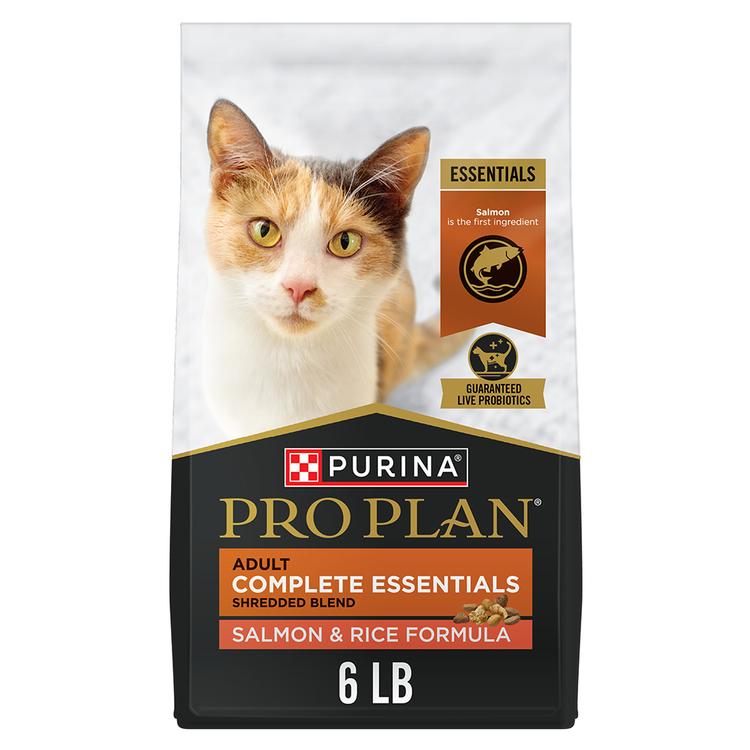
Credit: www.purina.com
Balancing Dry Food With Other Diets
Balancing dry food with other diets helps keep your adult cat healthy and happy. Cats need a mix of nutrients that dry food alone might not provide. Combining different food types can offer variety and better hydration.
Incorporating Wet Food
Wet food adds moisture, which supports kidney and urinary health. It often contains higher protein and fewer carbohydrates than dry food. Mixing wet food with dry food can improve your cat’s overall diet.
Start by replacing part of the dry food with wet food. Watch your cat’s reaction and adjust the amount gradually. This helps prevent digestive issues and keeps your cat interested in meals.
Supplementing With Treats
Treats should be given sparingly to avoid extra calories. Choose healthy treats made for cats, low in fillers and sugars. Use treats mainly for training or special rewards.
Keep treats under 10% of your cat’s daily calorie intake. Too many treats can lead to weight gain and nutritional imbalance. Always consider treats as part of the total daily food amount.
Signs Of Overfeeding And Underfeeding
Knowing the signs of overfeeding and underfeeding is crucial for keeping your adult cat healthy. Feeding too much or too little dry food can affect your cat’s weight, energy, and overall well-being. You need to watch for clear signals from your cat’s body and behavior to adjust their diet properly.
Weight Monitoring Tips
Keep a regular check on your cat’s weight by weighing them every couple of weeks. Use a small scale or take them to the vet for an accurate measure. Track their weight in a notebook or app to spot any sudden changes early.
If your cat is gaining weight rapidly, it might mean you’re overfeeding. On the other hand, steady weight loss can indicate underfeeding or health issues. Remember, a healthy adult cat should maintain a consistent weight with slight seasonal fluctuations.
Behavioral Indicators
Your cat’s behavior can tell you a lot about their feeding needs. Overfed cats often become lethargic and less active because extra food can make them feel sluggish. You might also notice them begging less or ignoring their food bowl.
Underfed cats tend to be more restless or vocal, searching for food more often. They might also show signs of irritability or increased aggression. Have you noticed your cat meowing more after meals or searching the house for food? That’s a red flag worth paying attention to.
Special Considerations
Adjusting the amount of dry food your adult cat needs goes beyond just weight and activity level. Special considerations come into play that can affect their diet significantly. Understanding these factors helps you provide the right nutrition tailored to your cat’s unique situation.
Cats With Health Issues
If your cat has health problems, their food intake needs careful monitoring. Conditions like kidney disease, diabetes, or obesity change how much and what type of dry food is appropriate.
For example, cats with kidney issues often require lower protein and phosphorus levels. Feeding too much dry food without these adjustments can worsen their condition.
Diabetic cats might need controlled carbohydrate intake, which means you should check the dry food’s ingredients closely. Your vet can guide you on the exact portion size and type of food that supports your cat’s health.
Age-related Feeding Adjustments
As cats get older, their metabolism slows down, and their dietary needs change. Senior cats often require fewer calories but more nutrients like fiber and antioxidants.
Have you noticed your older cat eating less or gaining weight? It’s a signal to adjust their dry food amount accordingly.
On the other hand, middle-aged cats may still need energy for play and activity but less than their younger selves. Regularly reassess your cat’s weight and behavior to find the right feeding balance.
Tips For Transitioning Food Amounts
Changing your adult cat’s dry food amount requires care and patience. Sudden shifts may upset your cat’s digestion or appetite. These tips help make the transition smooth and stress-free.
Gradual Changes
Start by mixing a small amount of the new food with the old one. Increase the new food portion slowly over 7 to 10 days. Watch your cat’s reaction. Look for signs like vomiting or diarrhea. If problems appear, slow down the transition. This helps your cat’s stomach adjust comfortably.
Maintaining Consistency
Feed your cat at the same times every day. Use a measuring cup to ensure correct food amounts. Keep feeding spots clean and quiet. Avoid sudden changes in food brand or type. Consistency helps your cat feel safe and secure. It also supports steady digestion and healthy eating habits.
Credit: www.chewy.com
Frequently Asked Questions
How Much Dry Food Should An Adult Cat Eat Daily?
An adult cat typically needs about 1/4 to 1/3 cup of dry food per day. This amount depends on the cat’s weight, age, and activity level. Always refer to your cat food packaging guidelines and adjust based on your cat’s health and appetite.
Can Feeding Too Much Dry Food Harm My Cat?
Yes, overfeeding dry food can cause obesity and health issues in cats. Excess calories lead to weight gain and increase risks of diabetes and joint problems. Measure portions carefully and avoid free feeding to keep your cat healthy.
How To Adjust Dry Food Portions For My Cat’s Weight?
Monitor your cat’s weight regularly to adjust food portions. If your cat gains weight, reduce the dry food amount slightly. For weight loss, consult a vet for a tailored feeding plan. Proper portion control ensures a healthy weight and lifespan.
Is It Necessary To Mix Wet Food With Dry Food?
Mixing wet food with dry food isn’t necessary but can benefit your cat. Wet food adds moisture, helping with hydration and urinary health. It also provides variety, which can improve your cat’s interest in meals.
Conclusion
Determining the right amount of dry food for your cat is crucial. It ensures they stay healthy and active. Always check the feeding guidelines on the food package. Consider your cat's weight, age, and activity level. A vet can provide personalized advice for your cat's diet.
Regularly monitor your cat's weight and adjust portions as needed. Remember, each cat is unique. Their dietary needs may differ. Providing the right amount of food keeps your cat happy and healthy. A balanced diet supports their overall well-being. Make informed choices for your beloved feline friend.