

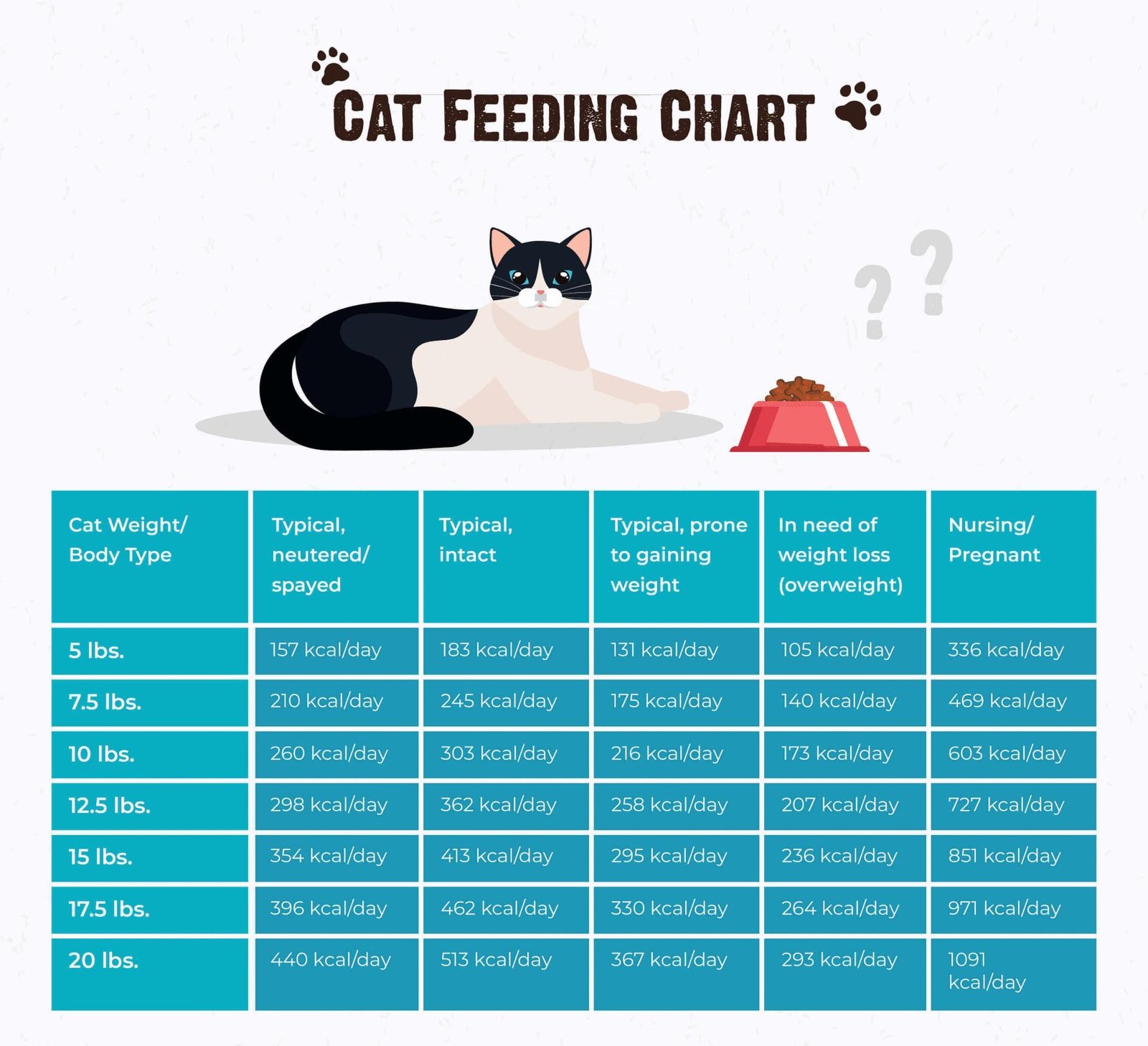
Are you unsure how much dry food your cat should eat every day? Feeding your cat the right amount is key to keeping them healthy and happy.
Too little food can leave them hungry and weak, while too much can lead to weight gain and health problems. You’ll discover simple, practical tips to find the perfect daily portion for your furry friend. Keep reading to learn how to make sure your cat gets just the right amount of nutrition without any guesswork.
Daily Calorie Needs
Understanding your cat’s daily calorie needs is key to feeding them the right amount of dry food. Every cat has unique energy requirements based on several factors, and knowing these can help prevent overfeeding or underfeeding. Getting this balance right supports your cat’s health and keeps them active and happy.
Factors Influencing Calorie Intake
Several elements affect how many calories your cat needs each day. Age plays a big role—kittens and young cats burn more energy than older cats. Activity level also matters; an indoor cat lounging most of the day requires fewer calories than an outdoor explorer.
Body weight and health status influence calorie needs, too. Overweight cats need fewer calories to shed pounds, while cats recovering from illness might require extra energy. Even breed can affect metabolism and energy use.
- Age (kitten, adult, senior)
- Activity level (sedentary vs active)
- Body weight (underweight, ideal, overweight)
- Health conditions (illness, recovery)
- Breed-specific metabolism
Have you noticed changes in your cat’s energy or weight recently? Adjusting their calorie intake might be necessary to keep them in top shape.
Calories In Dry Cat Food
Not all dry cat foods contain the same amount of calories. Most brands list calorie content on the packaging, usually expressed as kilocalories (kcal) per cup or per serving. Checking this information helps you measure the right portion.
Dry food typically ranges from 300 to 500 kcal per cup. Higher calorie foods mean smaller portions, while lower calorie options require more food to meet energy needs. This makes it important to choose a food that matches your cat’s lifestyle.
| Dry Food Brand | Calories per Cup (kcal) | Recommended Daily Portion (cups) |
|---|---|---|
| Brand A | 350 | 1/3 - 1/2 |
| Brand B | 420 | 1/4 - 1/3 |
| Brand C | 300 | 1/2 - 2/3 |
Have you ever weighed your cat’s food or relied only on “eyeballing” it? Using a measuring cup can make a big difference in managing their calorie intake precisely.
Portion Sizes By Weight
Understanding the right portion size of dry food for your cat based on their weight is crucial to maintaining their health. Overfeeding or underfeeding can lead to issues like obesity or malnutrition. Let's look at how portion sizes vary for kittens, adult cats, and senior cats.
Kittens
Kittens need more calories per pound than adult cats because they are growing rapidly. On average, a kitten weighing around 2 pounds should eat about ¼ cup of dry food daily. As they grow, increase the portion gradually, aiming for roughly ¼ to ⅓ cup per 3 pounds of body weight.
Keep an eye on their activity level and weight gain. Too much dry food can cause rapid weight gain, which is unhealthy even for kittens. You might notice your kitten begging more often, but sticking to the recommended portions helps build healthy habits early.
Adult Cats
Adult cats typically require fewer calories per pound than kittens. A healthy adult cat weighing 8 pounds usually needs about ½ cup of dry food daily. This amount can vary based on activity level, so adjust portions if your cat is very active or more sedentary.
Remember, consistency is key. Feeding the right portion by weight prevents overeating and keeps your cat at a healthy size. Have you checked your cat’s weight recently? It’s a good indicator to adjust food portions accordingly.
Senior Cats
Senior cats often have slower metabolisms and may require fewer calories. For a 10-pound senior cat, feeding around ⅓ to ½ cup of dry food daily is usually appropriate. Watch for changes in appetite or weight, as health conditions can affect how much they should eat.
Sometimes, senior cats need more protein or special diets, so consult your vet if you notice weight loss or gain. Adjusting the portion size by weight keeps your older cat comfortable and nourished without overfeeding.
Activity Level And Metabolism
Your cat’s daily dry food intake depends a lot on its activity level and metabolism. These two factors shape how much energy your cat burns and how much fuel it needs. Understanding this helps you feed the right portions and keep your feline friend healthy.
Active Cats
Active cats burn more calories throughout the day. If your cat loves to play, jump, and explore, it needs more energy from food. You might notice your energetic cat finishing meals quickly and asking for more food.
Try increasing their dry food by about 10-20% compared to a less active cat. Keep an eye on their weight and energy, adjusting portions as needed. Active cats often benefit from multiple small meals to keep their energy steady.
Less Active Cats
Indoor cats or those with low activity levels don’t burn as many calories. Feeding them the same amount as an active cat can lead to weight gain. You should reduce their dry food intake to match their slower metabolism.
Consider cutting their daily portions by 15-25% compared to active cats. Watch for signs of hunger or boredom, and use toys or gentle play to encourage occasional activity. You want to keep your less active cat satisfied but not overfed.
Overweight Cats
If your cat is overweight, controlling dry food intake is critical. Overweight cats often have slower metabolisms, meaning they need fewer calories. Feeding them less food while ensuring proper nutrients helps with gradual weight loss.
Work with your vet to determine an ideal daily calorie target. Use measuring cups to avoid free feeding and stick to a strict feeding schedule. Remember, sudden food cuts can upset your cat’s digestion, so reduce portions slowly.
Credit: www.purina.com
Reading Cat Food Labels
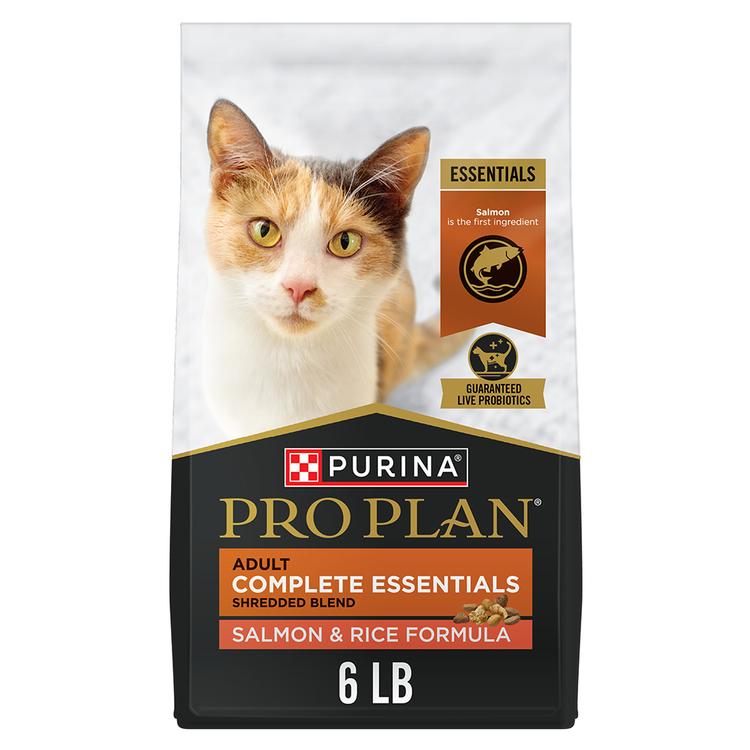
Understanding cat food labels helps feed your cat the right amount daily. Labels show key details about the food’s content and how much to serve. Reading these labels ensures your cat stays healthy and happy. Pay attention to all parts of the label for best results.
Serving Recommendations
Serving guidelines on the label suggest daily portions based on your cat’s weight. These amounts help avoid overfeeding or underfeeding. Look for ranges or specific measures like cups or grams. Adjust portions if your cat is very active or less active than average.
Keep in mind, these recommendations are general. They do not replace advice from a vet. Use them as a starting point for feeding your cat properly.
Nutritional Content
Labels list ingredients and nutrient levels like protein, fat, and fiber. Cats need high protein to stay strong. Check the percentage of crude protein and fat to ensure good nutrition.
Also, look for vitamins and minerals essential for health. Avoid foods with too many fillers like corn or wheat. Quality ingredients mean better energy and overall well-being for your cat.
Balancing Dry Food With Wet Food
Balancing dry food with wet food can improve your cat’s diet. It helps provide variety and better nutrition. Many cats enjoy both types of food. Wet food adds moisture, which is good for hydration. Dry food helps keep teeth clean. Feeding a mix can support your cat’s overall health and happiness.
Benefits Of Mixed Feeding
- Improves hydration with added moisture from wet food
- Supports dental health through crunchy dry food
- Offers a wider range of nutrients
- Prevents boredom by varying textures and flavors
- Helps control calorie intake with portioned meals
Adjusting Portions
Start by calculating your cat’s daily calorie needs. Use this number to split between dry and wet food. For example, 60% dry and 40% wet works for many cats. Watch your cat’s weight and energy levels. Adjust amounts if your cat gains or loses weight.
Feed smaller, frequent meals to avoid overeating. Measure food with a kitchen scale or measuring cup. Avoid free feeding dry food all day. Keep fresh water available at all times.
Signs Of Overfeeding And Underfeeding
Understanding the signs of overfeeding and underfeeding your cat is crucial to keeping them healthy and happy. Cats can't always tell you when their diet isn’t right, so you need to watch for physical and behavioral clues. Spotting these signs early helps you adjust their dry food intake before any serious health issues arise.
Weight Gain Indicators
If your cat is eating too much dry food, you may notice a gradual increase in their body weight. Look for a rounder belly and difficulty feeling their ribs when you gently press their sides. Excessive weight gain can lead to lethargy, making your cat less playful or reluctant to move around.
Other signs include:
- Shortness of breath or heavy panting after minimal activity
- Reduced grooming habits, causing a dull or greasy coat
- Increased appetite but still gaining weight
Have you ever noticed your cat begging for food constantly but still getting chubby? That’s a red flag worth checking out with your vet.
Weight Loss Indicators
On the other hand, if your cat isn’t eating enough, you might see them losing weight quickly or looking bony. You should be able to easily feel their ribs and spine, and their waist will appear more defined than usual. A sudden drop in weight is a serious sign that your cat isn’t getting enough nutrition.
Other signs of underfeeding include:
- Decreased energy and less interest in playing
- Poor coat condition, with dry or flaky fur
- Increased irritability or hiding behavior
Think about your cat’s usual behavior—is it less active or more withdrawn? These might be subtle clues that you need to check their food portions.
Tips For Feeding Routine
Creating a feeding routine for your cat helps maintain their health and keeps their eating habits predictable. Consistency matters because it affects digestion, weight management, and overall behavior. Here are some practical tips to help you decide how to feed your cat dry food every day.
Scheduled Feeding
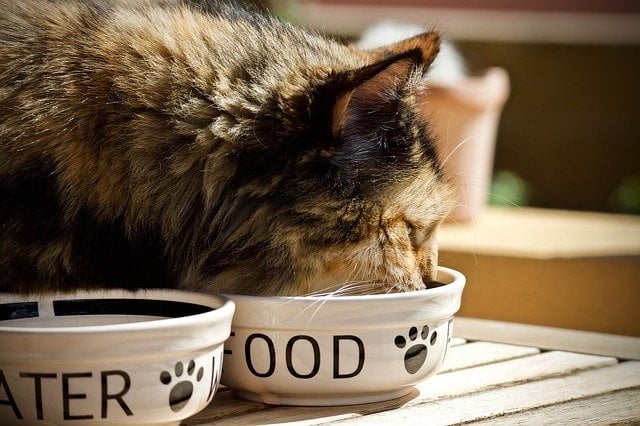
Scheduled feeding means offering your cat measured amounts of dry food at specific times each day. This method helps control portion sizes and prevents overeating, which can lead to obesity.
You might feed your cat twice a day—once in the morning and once in the evening. Use a measuring cup to ensure you give the exact recommended amount based on your cat’s weight and activity level.
One personal tip: I noticed my cat became less picky and more active when I switched to scheduled feeding. It also made it easier to spot any changes in appetite that could signal health issues.
Free Feeding Pros And Cons
Free feeding means leaving dry food out all day for your cat to nibble whenever they want. This method works well if your cat self-regulates their intake and doesn’t tend to overeat.
- Pros:Convenient for busy owners; reduces begging behavior; keeps food available for multiple cats.
- Cons:Risk of overeating and weight gain; food can become stale; harder to monitor appetite changes.
Ask yourself: does your cat tend to eat just enough or keep snacking mindlessly? If you notice weight gain or digestive issues, free feeding might not be the best choice.
Balancing these approaches depends on your cat’s personality and your lifestyle. Regularly observing your cat’s behavior and adjusting feeding habits can lead to better health and a happier pet.
Credit: companion-vets.com
When To Consult A Veterinarian
Knowing when to consult a veterinarian about your cat’s dry food intake is important. Changes in eating habits can signal health issues. Early advice helps keep your cat healthy and happy.
Dietary Concerns
Watch for sudden changes in appetite or weight. Eating too little or too much dry food can cause problems. Nutritional balance matters. Some cats may need special diets due to allergies or sensitivities. A vet can recommend the right food type and amount. Avoid guessing portion sizes to prevent malnutrition or obesity.
Health Issues Affecting Appetite
Health problems often affect how much a cat eats. Dental pain, digestive troubles, or infections may reduce appetite. Some illnesses cause increased hunger but poor nutrient absorption. Monitor for vomiting, diarrhea, or lethargy alongside appetite changes. A vet can diagnose and treat underlying conditions. Timely care improves your cat’s eating habits and overall well-being.
Credit: www.petscare.com
Frequently Asked Questions
How Much Dry Food Should A Cat Eat Daily?
A cat's daily dry food amount depends on its age, weight, and activity. Typically, 1/4 to 1/2 cup per day is suitable for an average adult cat. Always check the packaging guidelines and adjust based on your cat’s health and lifestyle.
Can Overfeeding Dry Food Harm My Cat?
Yes, overfeeding dry food can cause obesity and health issues. Cats can gain weight quickly if they eat too much. Monitor portion sizes carefully and provide balanced meals to maintain your cat’s ideal weight and overall health.
Should Kittens Eat The Same Dry Food Amount As Adult Cats?
No, kittens need more calories and nutrients than adult cats. Feed them kitten-specific dry food in larger portions divided into multiple meals. Their energy requirements are higher to support growth and development.
How Do I Measure The Right Dry Food Portion?
Use a standard measuring cup to portion your cat’s dry food accurately. Avoid guessing, as too much or too little can affect their health. Follow feeding recommendations on the food label and adjust as needed for your cat’s needs.
Conclusion
Finding the right food amount keeps your cat healthy. Each cat is unique. Monitor their weight and health closely. Adjust portions as needed. Consult your vet for personalized advice. A balanced diet is key. Ensure fresh water is always available.
Avoid overfeeding to prevent weight gain. Small, regular meals work best. Observe your cat's energy and activity. Happy cats eat well and stay active. Remember, a healthy cat is a happy cat. Keep your furry friend healthy with the right diet.
Your attention makes a big difference.