
Are you considering training a therapy dog but unsure about the costs involved? Knowing how much it will cost can help you plan better and avoid surprises.
Training a therapy dog takes time, effort, and money, but understanding the expenses upfront makes the process smoother. You’ll discover all the key factors that affect the price and how to budget wisely for your furry friend’s training. Keep reading to find out what you need to know before you start.

Credit: www.nsarco.com
Factors Influencing Training Costs
Training a therapy dog involves several costs. These costs vary widely based on different factors. Knowing these factors helps set realistic expectations and budgets. Understanding what influences the price can guide better decisions.
Breed And Age Impact
Different breeds learn at different speeds. Some breeds have natural traits that suit therapy work. Puppies often need more time and patience to train. Older dogs may require tailored training methods. Both age and breed affect the total training length and cost.
Training Method Variations
Training approaches can vary from basic obedience to advanced skills. Group classes usually cost less than private sessions. Some trainers use reward-based methods; others may use more structured techniques. The type of training chosen changes the overall expense. More personalized training often leads to higher costs.
Geographic Location Effects
Training costs differ by region and city. Urban areas tend to have higher fees due to demand and living costs. Rural locations may offer lower prices but fewer options. Travel costs might add up if trainers are far away. Local market prices strongly affect the final training bill.
Trainer Experience And Credentials
Experienced trainers with strong credentials usually charge more. Certified trainers bring proven skills and knowledge. Less experienced trainers may offer cheaper rates but less expertise. Choosing a qualified trainer ensures better results and value for money.
Types Of Therapy Dog Training
Training a therapy dog involves several important steps. Each type of training builds on the last. This ensures the dog can perform well in therapy settings. Understanding these training types helps you know what costs to expect. The training ranges from basic commands to special skills and certification prep. Ongoing training keeps the dog ready and reliable.
Basic Obedience Training
Basic obedience training lays the foundation for all other skills. Dogs learn simple commands like sit, stay, come, and heel. This training teaches good manners in public places. It also helps dogs stay calm around strangers and other animals. Without basic obedience, therapy work is very difficult.
Specialized Therapy Skills
Specialized therapy skills prepare dogs for unique therapy tasks. Dogs learn to approach patients gently and remain calm under stress. They practice responding to different environments, like hospitals or schools. Training includes socialization and emotional support techniques. These skills make therapy dogs effective and trustworthy helpers.
Certification Preparation
Certification preparation is the final step before working as a therapy dog. Dogs undergo tests to prove their skills and behavior. Trainers focus on specific standards required by therapy organizations. This phase ensures dogs meet health and safety rules. Passing certification shows readiness for therapy visits.
Ongoing Training And Maintenance
Ongoing training keeps therapy dogs sharp and reliable. Regular practice helps dogs remember commands and skills. Trainers update training to address new challenges or environments. Maintenance also includes health checks and behavior monitoring. This ensures dogs stay safe and effective throughout their careers.
Cost Breakdown For Training Services
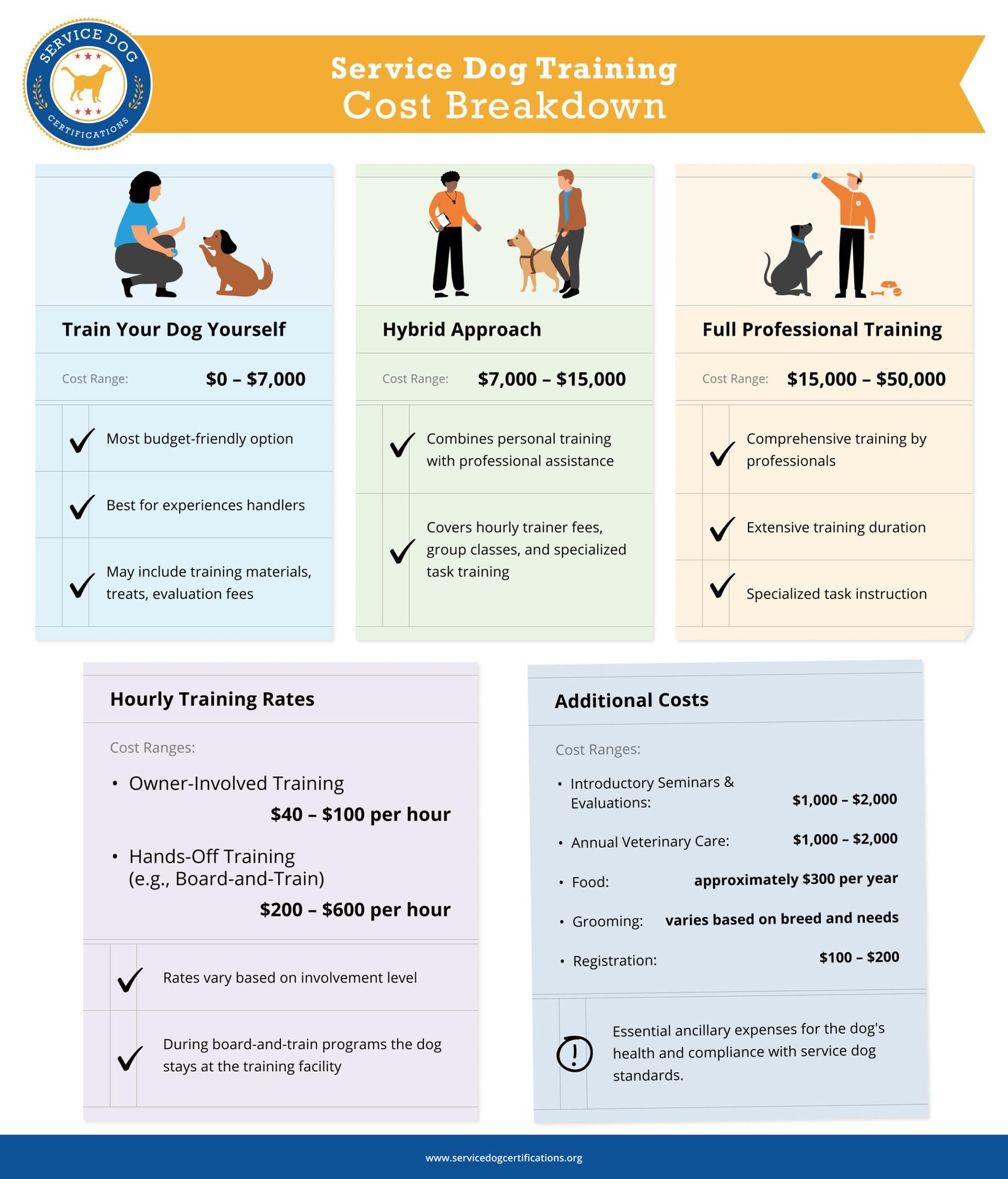
Training a therapy dog involves various services, each with its own cost. Understanding these costs helps plan your budget better. Prices vary by training style, trainer experience, and location. Here is a clear breakdown of common training options and their fees.
Private Trainer Fees
Private trainers offer personalized sessions tailored to your dog's needs. These sessions focus on specific skills and behavior corrections. Fees usually range from $50 to $120 per hour. Some trainers offer package deals for multiple sessions. Private training gives direct attention but can be more costly than group options.
Group Classes Pricing
Group classes provide social learning environments at lower costs. Typical fees fall between $100 and $300 for a series of 6 to 8 classes. Classes usually last 45 to 60 minutes each. This option helps dogs learn around distractions and other dogs. Group settings also offer chances to practice in different scenarios.
Online Training Options
Online training delivers flexibility and affordability. Prices vary from $20 to $100 for courses or video lessons. Some programs include live support or coaching calls. This choice suits busy schedules and those far from trainers. Owners must be consistent to achieve good results.
Board And Train Programs
Board and train programs provide intensive, full-time training. Dogs stay with the trainer for weeks or months. Costs range widely, often $1,000 to $3,000 per month. These programs focus on fast, thorough skill building. They suit owners who want expert handling and quick progress.

Credit: www.nsarco.com
Additional Expenses To Consider
Training a therapy dog involves several costs beyond basic lessons. These extra expenses can add up quickly. Knowing them helps plan your budget better. Here are key areas to consider.
Health And Vaccination Costs
Healthy dogs perform better in training. Regular vet visits keep your dog fit. Vaccinations protect your dog and others. Expect costs for:
- Routine check-ups
- Vaccines like rabies and distemper
- Flea, tick, and heartworm prevention
- Emergency care if needed
Keeping your dog healthy reduces training interruptions.
Equipment And Supplies
Training needs special gear. Equipment ensures safety and comfort. Common items include:
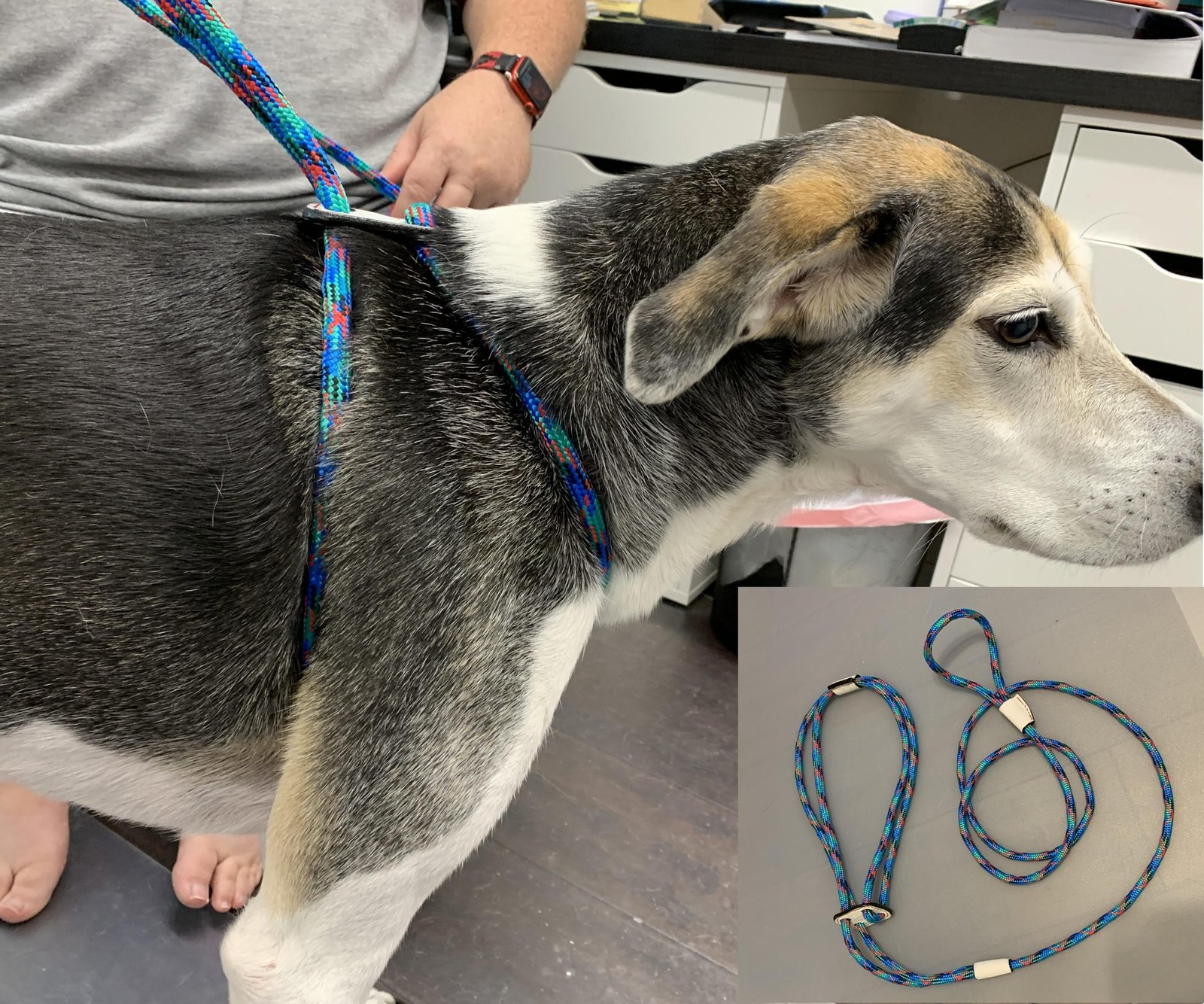
- Leashes and harnesses
- Training treats and toys
- Crates and bedding
- Grooming tools
Quality supplies last longer and help training success.
Certification And Testing Fees
Certification proves your dog meets therapy standards. Testing checks skills and behavior. Fees vary by organization but usually cover:
- Written and practical exams
- Background checks
- Renewal costs every few years
Certification adds value and trust to your therapy dog.
Travel And Accommodation
Some training programs require travel. Costs may include:
- Fuel or airfare
- Hotel stays
- Meals during trips
Plan for these expenses if attending distant classes or events.
Ways To Reduce Training Costs
Training a therapy dog can be costly, but expenses can be lowered. Various options exist to help save money while still providing quality training. These choices suit different needs and budgets. Exploring these can make therapy dog training more affordable.
Utilizing Non-profit Organizations
Many non-profit groups offer free or low-cost therapy dog training programs. These organizations often have experienced trainers who volunteer their time. They provide resources and guidance to new handlers. Joining such groups can reduce or eliminate training fees. They also create a supportive community for ongoing help.
Applying For Grants And Assistance
Some foundations provide grants to cover therapy dog training expenses. These funds help individuals with limited resources. Grant applications usually ask for details about your dog and goals. Local charities or disability organizations may also offer financial support. Researching these options can bring valuable financial aid.
Diy Training Tips
Training your therapy dog at home saves money on professional classes. Start with basic obedience skills using online videos and books. Consistent daily practice improves your dog’s behavior over time. Use simple rewards like treats and praise to motivate your dog. Patience and dedication are key to success.
Community Support And Resources
Local community centers or pet clubs sometimes hold free training sessions. These events offer chances to learn and practice with others. Libraries may have books and DVDs on dog training techniques. Social media groups connect you with experienced handlers willing to share advice. Taking advantage of these resources reduces costs significantly.
Evaluating Training Quality And Value
Evaluating the quality and value of therapy dog training is essential before making an investment. You want to ensure that the time and money spent lead to a well-prepared, reliable companion. Assessing training quality helps you avoid costly mistakes and guarantees the best outcome for your dog's abilities and your needs.
Trainer Credentials Verification
Check if the trainer holds recognized certifications related to therapy dog training. Credentials from reputable organizations demonstrate a solid understanding of animal behavior and therapy standards.
Ask about their experience with therapy dogs specifically, not just general obedience training. You might find trainers who specialize in certain therapy types, such as PTSD support or physical assistance, which could be more relevant to your goals.
Success Stories And Testimonials
Look for real success stories from previous clients. Genuine testimonials reveal how effective the training has been and what kind of progress you can expect.
Pay attention to details like the dog’s behavior changes and how the training impacted the owner's daily life. These insights offer a clearer picture of the training’s practical value.
Trial Sessions And Evaluations
Many trainers offer trial sessions or evaluations before you commit fully. These sessions let you observe the trainer’s methods and see how your dog responds.
Use this opportunity to ask questions about the training process and expected milestones. A good trainer will welcome your involvement and tailor the program to your dog’s unique needs.
Long-term Benefits Analysis
Consider how the training will benefit your dog and your lifestyle in the long run. Well-trained therapy dogs can provide ongoing emotional support and improve your quality of life.
Think beyond initial costs and focus on the value the training adds over time. Investing in quality training now can save you from future frustrations and additional expenses.
Planning Your Therapy Dog Training Budget
Planning your therapy dog training budget is a key step in ensuring your journey is smooth and successful. Understanding the costs involved helps you make informed decisions without surprises along the way. Let’s break down how to plan your budget effectively so you can focus on training your dog with confidence.
Setting Realistic Expectations
Before you dive into numbers, consider what you want to achieve with your therapy dog. Training can range from basic obedience to advanced certification, and each level carries different costs. Knowing your goals upfront helps avoid overspending on unnecessary services.
Think about your dog’s breed, age, and temperament, as these factors influence training time and expenses. Have you considered how much time you’re willing to commit? Setting clear expectations ensures you don’t get overwhelmed or discouraged later.
Creating A Flexible Budget
Your budget should have room to stretch or shrink based on real-time needs. Start with a list of essential expenses like training classes, certifications, and equipment. Then, add optional costs such as private sessions or special workshops.
Use a simple table or spreadsheet to organize these items. For example:
| Expense | Estimated Cost | Notes |
|---|---|---|
| Basic Obedience Classes | $300 | Group sessions, 6 weeks |
| Therapy Dog Certification | $150 | Testing and registration fees |
| Training Equipment | $100 | Leash, treats, toys |
Adjust your budget as you gather actual prices and explore different training options. Flexibility helps you stay on track without cutting corners on quality.
Tracking Expenses
Keep a detailed record of every training-related expense. Use apps or a simple notebook to log payments, receipts, and dates. This habit not only keeps you accountable but also reveals where your money is going.
Review your spending weekly or monthly to spot trends or areas to save. Have you noticed unexpected costs creeping in? Tracking helps you catch these early and adjust your plans accordingly.
Preparing For Unexpected Costs
Training a therapy dog isn’t always predictable. You might face unexpected vet visits, extra training sessions, or equipment replacements. Setting aside an emergency fund of at least 10-15% of your total budget can ease these surprises.
Think about last-minute certification renewals or transportation costs to training sites. How prepared are you to handle these without stress? Being proactive with a buffer protects your progress and peace of mind.
Credit: www.goodrx.com
Frequently Asked Questions
How Much Does Basic Therapy Dog Training Cost?
Basic therapy dog training typically costs between $1,000 and $3,000. Prices vary based on location, trainer experience, and training duration. This usually covers obedience, socialization, and certification preparation.
What Factors Influence Therapy Dog Training Expenses?
Training costs depend on factors like trainer expertise, training length, and dog's age. Additional costs include certification fees, equipment, and ongoing maintenance training.
Can I Train A Therapy Dog At Home?
Yes, home training is possible but requires consistency and expert guidance. Professional trainers can provide valuable techniques and certification support, ensuring your dog meets therapy standards.
How Long Does Therapy Dog Training Usually Take?
Training duration ranges from 3 to 6 months depending on the dog’s temperament and training frequency. Regular sessions and practice speed up readiness for certification.
Conclusion
Training a therapy dog involves various costs. These can include professional training fees, health checks, and equipment. Balancing the budget is crucial for a successful journey. Research thoroughly and plan expenses wisely. Each dog has unique needs. Tailor training to suit your dog's personality.
Consider local trainers and community resources to save costs. The investment ensures a well-trained companion. Your therapy dog brings joy and comfort to many. With careful planning, you can manage costs effectively. Enjoy the rewarding experience of raising a therapy dog.
Your efforts make a difference in many lives.