Thinking about training your dog but unsure how much it will cost? You’re not alone.
Knowing the expenses ahead can help you plan better and avoid surprises. Whether you want basic obedience or advanced skills, training comes with different price tags. You’ll discover what affects the cost, the options available, and how to get the best value for your money.
Keep reading to find out what you really need to budget for your dog’s training and make the smartest choice for you and your furry friend.

Credit: clubk9lasvegas.com
Factors Influencing Training Costs
Training a dog involves several cost factors. These depend on various elements tied to your dog's needs and the services chosen. Understanding these factors helps set clear expectations. It also guides budgeting for effective dog training.
Breed And Size Impact
Different breeds learn at different rates. Large dogs may require more physical training. Small breeds might need gentle handling and special techniques. Some breeds have higher energy and need longer sessions. This affects the total training cost.
Training Method Variations
Training styles vary widely. Group classes tend to cost less than private lessons. Online training is usually cheaper but less hands-on. Specialized programs for behavior issues often charge more. The choice of method changes the price.
Trainer Experience Levels
Experienced trainers charge higher fees. They offer proven techniques and better results. New trainers may offer lower rates but less expertise. Certification and reputation also influence pricing. Choose based on your budget and training goals.
Location And Facility Fees
Urban areas usually have higher training costs. Facilities with advanced equipment or amenities charge more. Traveling trainers might add travel fees. Some places include training materials in their prices. Location impacts the overall expense.
Types Of Dog Training Options
Choosing the right type of dog training can affect both the cost and the results you get with your pet. Different training options offer unique benefits depending on your dog's personality, your schedule, and your budget. Understanding these choices helps you pick the one that fits best with your goals and lifestyle.
Group Classes
Group classes are a popular choice for social dogs and owners who enjoy learning in a community setting. These sessions usually involve several dogs and their owners working with a trainer on basic commands and social skills.
Costs are often lower because the trainer's time is shared among participants. You also get the benefit of watching others' training techniques and mistakes, which can speed up your learning process.
Private Sessions
Private sessions offer personalized attention tailored to your dog's specific needs. If your dog has behavioral issues or requires specialized training, one-on-one time with a trainer can be more effective.
These sessions tend to be more expensive but can yield quicker and more precise results. Have you noticed your dog reacts differently when training is customized just for them?
Board And Train Programs
Board and train programs take your dog to a professional trainer's facility for intensive training over days or weeks. This option is great if you have a busy schedule or if your dog needs a behavior reset.
The upfront cost is higher, but you come home to a dog that has had consistent training and attention. Think about whether you want to be involved daily or trust a professional to handle the process entirely.
Online Training Courses
Online training courses provide flexibility to learn at your own pace from home. These courses range from basic obedience to advanced tricks and behavior management.
They are generally the most affordable and can be revisited as often as needed. However, success depends heavily on your commitment and ability to apply what you learn without in-person guidance.
Average Cost Breakdown
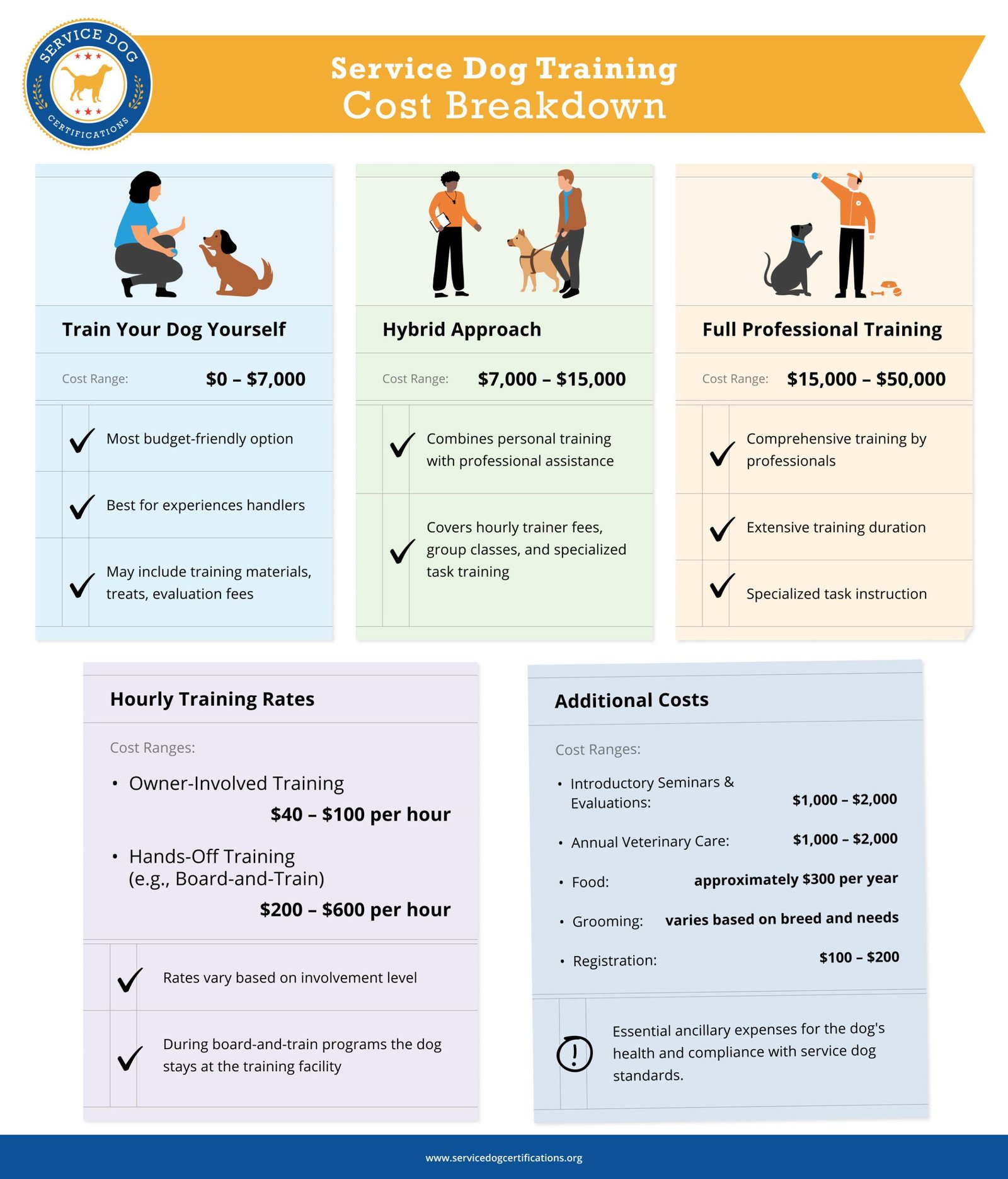
Understanding the average costs involved in training your dog helps you plan better and avoid surprises. Training expenses vary depending on the type of training and your dog's needs. Here’s a clear breakdown of typical costs to give you a realistic idea of what to expect.
Initial Assessment Fees
Most trainers start with an initial assessment to understand your dog’s behavior and training needs. This session usually costs between $50 and $150. It’s a valuable investment because it sets the foundation for a tailored training plan.
Think about it—would you start a workout routine without knowing your fitness level? The same goes for your dog’s training.
Session Pricing
Training sessions typically last 30 to 60 minutes. Prices can range from $30 to $100 per session, depending on the trainer’s experience and location. Group sessions tend to be cheaper than private ones but might not address your dog’s specific challenges.
If your dog struggles with particular behaviors, private sessions may cost more but often deliver faster results. What would you prioritize—cost or speed?
Supplementary Materials
Many trainers provide additional materials like workbooks, videos, or training tools. These can add $20 to $100to your total expense. Some materials are one-time purchases, while others may require updates as your dog progresses.
Consider whether these extras suit your learning style. Have you found training books or videos helpful in the past?
Ongoing Maintenance Training
Training isn’t a one-time event; your dog needs continued practice. Maintenance sessions usually cost $25 to $75each and help reinforce good behavior. Regular refreshers can prevent old habits from creeping back.
Ask yourself how committed you are to keeping your dog well-trained over time. Can you budget for ongoing support?

Credit: dynamiccaninesolutions.com
Additional Expenses To Consider
Training your dog involves more than just the initial class fees or trainer payments. There are several additional costs that can quietly add up during the process. Understanding these expenses helps you budget better and avoid surprises along the way.
Training Equipment
Basic gear like leashes, collars, and harnesses are essential for effective training. Depending on your dog's size and training style, you might also need clickers, treat pouches, or training mats. Investing in quality equipment can make sessions smoother and more enjoyable for both you and your dog.
Health And Wellness
Healthy dogs learn faster, so regular vet visits and vaccinations matter. Sometimes, training can bring out stress-related health issues, requiring supplements or calming aids. Have you considered how much you might spend to keep your dog in top shape during training?
Behavioral Consultations
If your dog shows stubborn or challenging behavior, specialized consultations become important. These sessions often cost more but can save time and frustration by addressing root causes. Think about whether investing here could prevent prolonged training struggles.
Travel And Transport Costs
Getting to and from training sessions can add up, especially if classes are far from home. Fuel expenses, parking fees, or public transport fares should be factored in. You might also need a comfortable crate or seatbelt for safe travel, adding to your budget.
Saving Tips For Dog Training
Training a dog can become costly, but there are many ways to save money. Smart choices help keep training affordable without losing quality. Using simple strategies makes the learning process smooth and budget-friendly.
Diy Training Techniques
Teaching your dog at home saves money on professional fees. Use easy commands like sit, stay, and come. Short sessions work best to keep your dog focused. Reward good behavior with treats or praise. Watch online videos for guidance. Practice daily to build strong habits. Patience and consistency are key.
Utilizing Community Resources
Free or low-cost training classes often happen in local parks or community centers. Some animal shelters offer group sessions. Local pet stores may host workshops. Join dog training clubs to share tips and support. Public libraries have books and DVDs on training. These resources cut costs and provide useful advice.
Package Deals And Discounts
Many trainers offer discount packages for multiple sessions. Buying a bundle reduces the price per class. Look for seasonal sales or promotions. Some trainers give discounts for referrals. Ask about sliding scale fees based on income. Always compare prices before committing. This helps find the best value.
Timing And Scheduling Strategies
Training during off-peak hours can lower costs. Early morning or weekday classes might be cheaper. Booking several sessions at once can secure better rates. Avoid last-minute bookings that cost more. Regular scheduling keeps your dog’s progress steady. Plan sessions around your and your dog’s energy levels.
Evaluating Training Value
Understanding the value of dog training goes beyond just looking at the price tag. You want to make sure that the money you spend truly benefits your dog and your life together. Let’s break down how to evaluate if the training you choose is worth every dollar.
Long-term Benefits
Training isn’t just about quick fixes. It builds habits that last a lifetime, helping your dog behave well in all situations. Think about how a well-trained dog can reduce stress during vet visits, walks, or social interactions.
Investing in good training now can save you from costly problems later, like damaged furniture or aggressive behavior. Have you noticed how a calm dog makes daily life smoother? That peace of mind is a powerful return on investment.
Quality Vs. Cost
Cheaper training options might seem tempting, but are they really effective? Quality training often means personalized attention, experienced trainers, and proven techniques.
Look beyond the price—consider what you get for your money. Group classes are affordable but may not address your dog’s specific needs. One-on-one sessions cost more but often lead to better results faster.
- Ask about the trainer’s qualifications and success stories.
- Check if the training methods are positive and force-free.
- Compare what’s included: session length, follow-up support, and materials.
Measuring Training Effectiveness
How do you know if the training is working? Set clear goals before starting, like “my dog will sit calmly when guests arrive” or “my dog will stop pulling on the leash.”
Track progress regularly. Keep a journal or take videos to see improvements over time. If results aren’t showing, don’t hesitate to ask your trainer for adjustments or try a different approach.
Remember, effective training adapts to your dog’s personality and your lifestyle. What changes have you noticed that show real progress in your dog’s behavior?

Credit: vety.com
Frequently Asked Questions
How Much Does Basic Dog Training Typically Cost?
Basic dog training usually costs between $30 and $100 per session. Group classes are cheaper, while private lessons cost more. Prices vary by location and trainer experience. Consistent training helps improve your dog's behavior effectively.
What Factors Affect The Cost Of Dog Training?
Training cost depends on session type, trainer expertise, location, and training duration. Private lessons cost more than group classes. Specialized training, like agility or behavior modification, also increases the price. Always research trainers before committing.
Is Professional Dog Training Worth The Investment?
Professional training is worth it for lasting behavior improvements. Trainers provide expert guidance, saving time and frustration. Well-trained dogs are safer and happier. Investing in training enhances your dog’s obedience and your relationship.
Can I Train My Dog At Home To Save Money?
Home training saves money but requires time and patience. Use online resources, books, or videos for guidance. Consistency and positive reinforcement are key. Professional help is best for complex behavior issues or advanced skills.
Conclusion
Training a dog requires time, patience, and money. Costs vary based on training type. Group classes tend to be cheaper. Private lessons cost more but offer personalized attention. Online courses can be budget-friendly. Consider your dog's needs and your budget.
Balance costs with the quality of training. Investing in training benefits both you and your dog. It strengthens your bond and improves behavior. Research options and choose wisely. A well-trained dog is a joy. Your efforts and investment pay off in the long run.