
Thinking about training your dog but unsure how much it will cost? You’re not alone.
Knowing the price beforehand can help you plan better and avoid surprises. Whether you want basic obedience or specialized skills, understanding the costs involved is key to making the right choice for your furry friend. Keep reading to discover what affects dog training prices and how to find the best option for your budget and your dog’s needs.
Factors Affecting Dog Training Costs
Understanding what influences the cost of dog training can help you budget wisely and choose the right program for your furry friend. Several factors come into play, each affecting the final price you’ll pay. Knowing these can also guide you to the best value without sacrificing quality.
Type Of Training
Different training types come with different price tags. Basic obedience classes usually cost less than specialized training like agility, therapy dog preparation, or behavior modification. Group sessions tend to be more affordable than private one-on-one coaching.
Think about what your dog needs most. Are you aiming for simple commands or tackling serious behavioral issues? Your choice directly impacts the cost.
Trainer's Experience
Highly experienced trainers often charge more, but their expertise can be worth every penny. They can handle complex problems faster and more effectively, saving you time and frustration. On the other hand, less experienced trainers might offer lower prices but could require more sessions.
Ask yourself: Is it better to spend more upfront or risk extra expenses later due to ineffective training?
Location And Facility
Training costs vary widely depending on where you live. Urban areas with higher living costs usually have pricier training services. The facility also matters—dedicated training centers with advanced equipment may charge more than trainers who come to your home.
Consider how convenient the location is for you and your dog. Sometimes paying a bit extra for a nearby, well-equipped facility saves time and hassle.
Duration And Frequency
How long and how often you train impacts the overall cost. Intensive programs with daily sessions cost more than weekly classes stretched over several months. Some trainers offer discounts for bulk packages, which can make longer commitments more affordable.
Evaluate your schedule and your dog’s learning pace. Would shorter, frequent sessions work better, or is a longer, slower approach more suitable?
Dog's Age And Behavior
Puppies often learn faster, making training potentially quicker and cheaper. Older dogs or those with behavioral problems might need more time and specialized techniques, increasing costs. Reactive or anxious dogs usually require patient, tailored approaches that come with a premium price.
Have you noticed your dog struggles with certain behaviors? Addressing these early can reduce training time and expense in the long run.

Credit: clubk9lasvegas.com
Common Dog Training Methods
Choosing the right dog training method can significantly impact both your budget and your dog's progress. Each training style offers unique benefits and challenges, depending on your dog's personality and your lifestyle. Understanding these common options helps you decide what fits best for you and your furry friend.
Group Classes
Group classes provide a social environment where dogs learn basic commands alongside others. They usually cost less than private lessons, making them a budget-friendly choice. However, group settings might not address specific behavioral issues your dog has.
Imagine your dog practicing "sit" and "stay" with distractions around—it’s a real test of focus. Group classes often run weekly and last about an hour, giving you consistent training without overwhelming your schedule.
Private Sessions
Private sessions offer one-on-one attention tailored to your dog's needs. These sessions allow trainers to focus on particular problems like aggression or anxiety. They tend to be more expensive but can lead to faster results.
Think about the difference between a crowded classroom and a personal tutor—your dog gets customized guidance and you receive direct feedback. You can schedule these sessions at times that suit your availability, making it flexible.
Board And Train Programs
Board and train programs involve your dog living with a professional trainer for several weeks. This intensive training is ideal if you want quick, comprehensive results or have a busy schedule. The cost is higher but includes daily training and care.
Have you ever wished your dog could just come back well-behaved without the daily effort? This method can feel like a shortcut, but remember, maintaining progress requires your involvement after the program ends.
Online Training Options
Online training offers convenience and affordability, letting you learn at your own pace from home. These programs use videos, tutorials, and sometimes live coaching to guide you through training techniques. While cost-effective, online training demands discipline and consistency from you.
Would you be comfortable teaching your dog without a trainer physically present? If you’re motivated and have patience, online options might be perfect. Plus, you can revisit lessons anytime, making it easy to reinforce learning.
Typical Price Ranges
Training a dog involves different services that vary in cost. Prices depend on the type of training and the trainer’s experience. Understanding typical price ranges helps plan your budget for your dog’s training needs.
Costs also vary by location and session length. Some trainers charge per session, while others offer packages. Here are common price ranges for various training types.
Basic Obedience Training
Basic obedience covers commands like sit, stay, and come. Trainers usually charge between $30 and $80 per session. Group classes can be more affordable, costing around $100 to $200 for several weeks.
Advanced Training
Advanced training includes off-leash control and complex commands. Prices often range from $50 to $120 per session. Private lessons may cost more due to personalized attention.
Behavioral Modification
This training addresses issues such as aggression or anxiety. Sessions can cost from $75 to $150 each. It may require multiple sessions, increasing the overall price.
Specialized Training
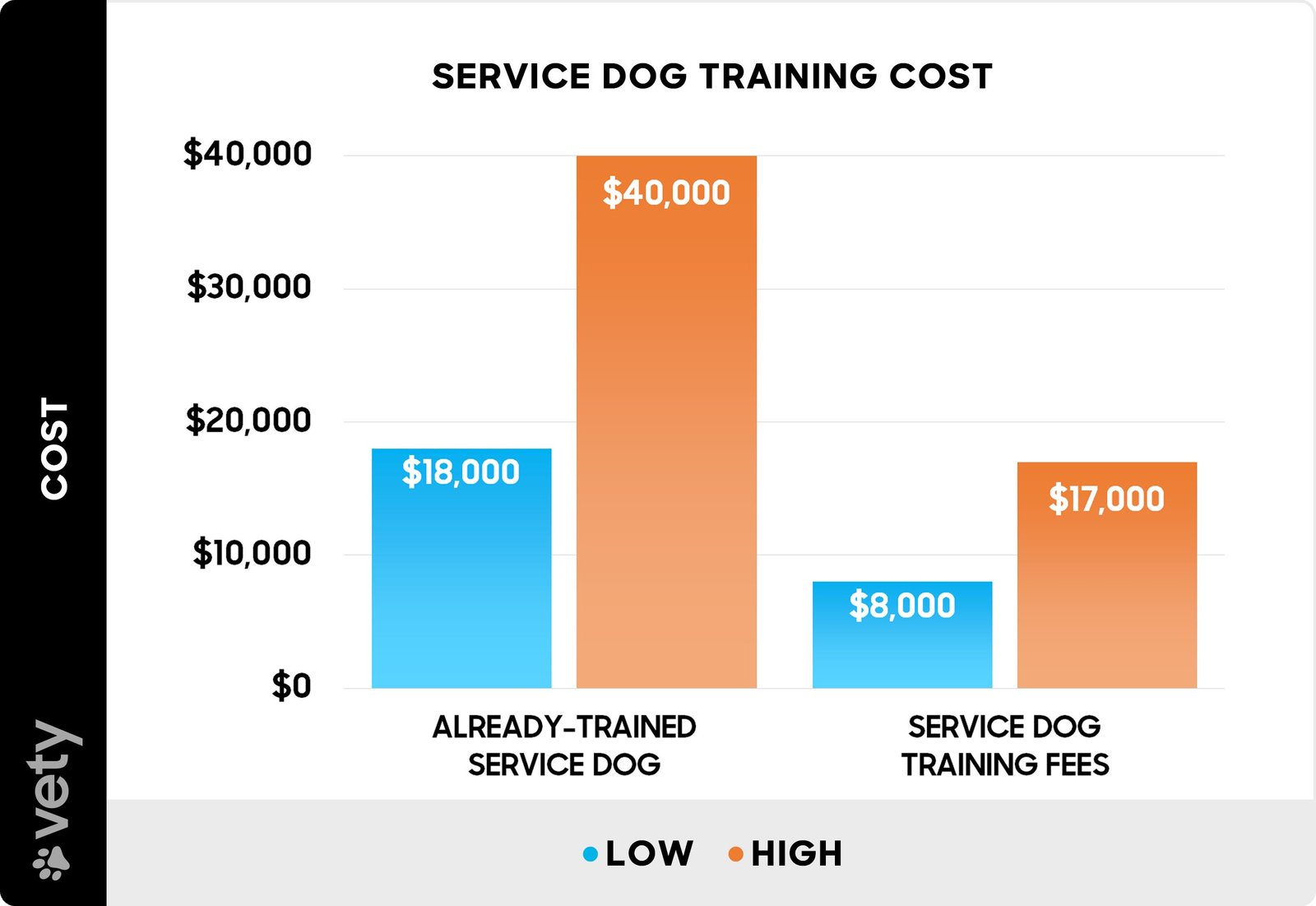
Specialized training includes service dogs or agility training. These programs often cost $100 to $300 per session. They usually need skilled trainers and longer commitment.

Credit: projectupland.com
Additional Costs To Consider
Training your dog involves more than just paying for classes. Additional costs often arise during the process. These extra expenses can affect your overall budget. Knowing about them helps you plan better. Here are some common additional costs to consider.
Training Equipment And Supplies
Training needs specific tools to be effective. Items like leashes, collars, and harnesses are essential. Treats act as rewards during training sessions. Toys keep your dog engaged and motivated. Some trainers may suggest clickers or training mats. These items add to your total cost but improve results.
Vet And Health Checkups
Healthy dogs learn better. A vet visit before training ensures your dog is fit. Vaccinations and health checks prevent illness during group classes. Some trainers require proof of vaccinations. Regular vet visits might also be needed during training. These health expenses are part of responsible pet care.
Travel And Transportation
Getting to training sessions costs time and money. Travel expenses depend on distance and mode of transport. Driving uses fuel and parking fees. Public transport may charge fares. Some trainers offer home visits but may charge extra. Factor in these costs to avoid surprises.
Follow-up Sessions
Training is an ongoing process. Follow-up sessions help maintain good behavior. Many trainers offer refresher classes for a fee. These sessions strengthen what your dog learned. Skipping them may cause setbacks. Budgeting for follow-ups ensures lasting success.
Ways To Save On Training Expenses
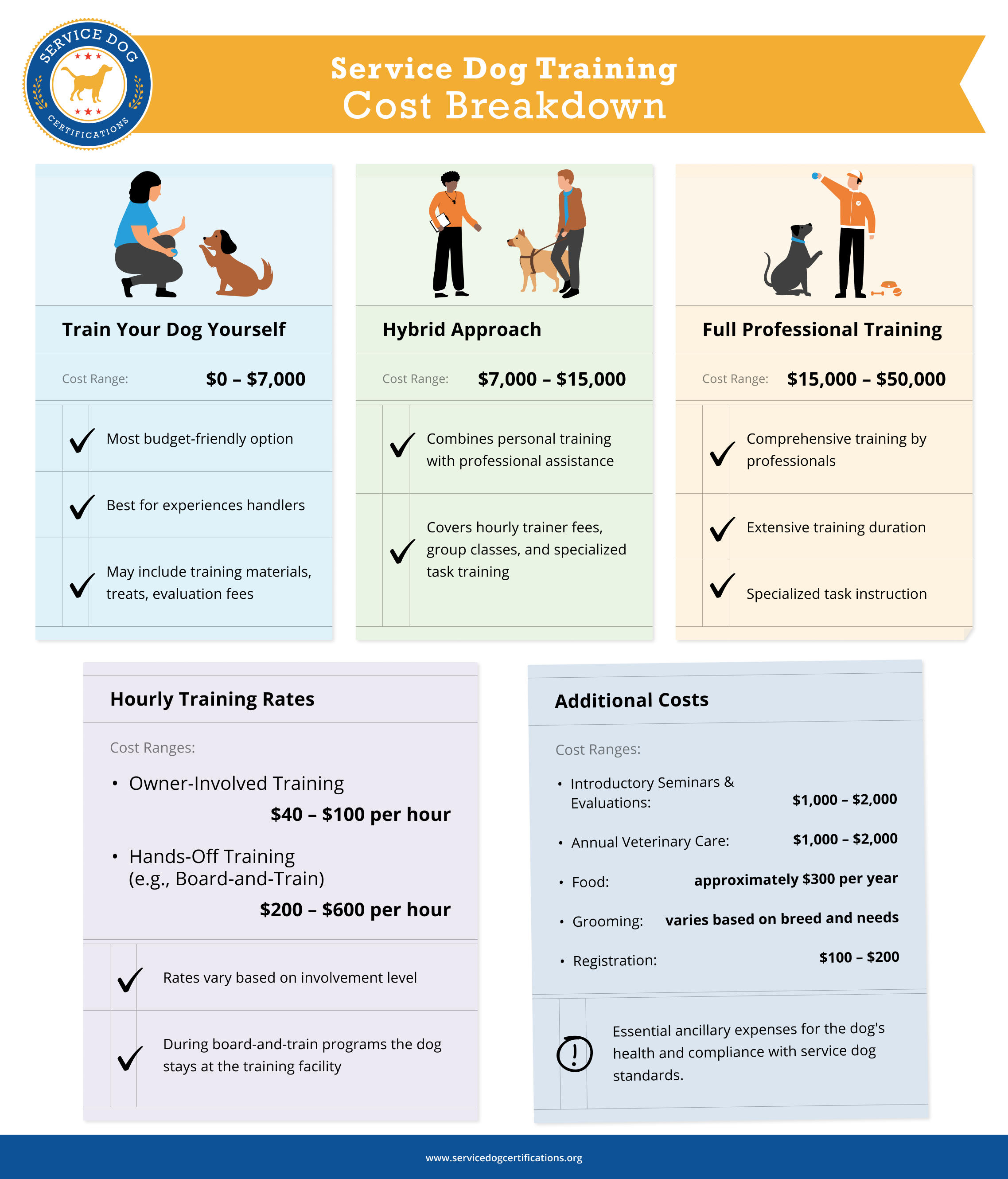
Training your dog can be costly, but several options help reduce expenses. Saving on training does not mean lowering quality. It means choosing smart and affordable ways to teach your dog good behavior. These methods fit different budgets and schedules. They keep training effective and fun for both you and your dog.
Group Classes Vs. Private Sessions
Group classes usually cost less than private sessions. They offer social time for dogs and owners. Training happens in a lively setting with other dogs. Private sessions provide personalized attention but often have higher fees. Consider your dog’s needs and your budget. Group classes can be a great start for basic obedience and social skills.
Online Resources And Apps
Many websites and apps offer free or low-cost dog training guides. Videos, step-by-step instructions, and progress trackers help you train at home. These tools save money on in-person lessons. Choose resources from trusted trainers with good reviews. Use apps to stay consistent and motivated in your training routine.
Diy Training Tips
Training your dog yourself saves money and builds a strong bond. Use treats, toys, and patience to teach commands. Break lessons into short, daily sessions. Keep training fun and positive. Learning basic commands at home prepares your dog for advanced lessons later. Consistency is key to successful DIY training.
Community And Shelter Programs
Local shelters and community centers often run affordable training programs. These may include group classes, workshops, or support groups. Some programs offer discounts or sliding scale fees. Check with nearby shelters for schedules and enrollment details. These programs provide quality training with budget-friendly options.
Credit: www.servicedogcertifications.org
When To Invest In Professional Training
Knowing when to invest in professional dog training helps save time and stress. Training is more than teaching commands. It shapes behavior and builds a strong bond. Choosing the right moment benefits both you and your dog.
Signs Your Dog Needs Help
- Excessive barking or whining
- Difficulty following simple commands
- Destructive chewing or digging
- Fear or aggression toward people or other pets
- Pulling hard on the leash during walks
- House training accidents despite consistent efforts
These signs show your dog struggles to learn alone. Professional trainers spot problems early and offer solutions.
Benefits Of Professional Guidance
- Customized training plans for your dog’s needs
- Techniques that promote positive behavior
- Reduce bad habits with expert advice
- Build confidence in shy or anxious dogs
- Save time with faster, effective learning
Trainers use proven methods that work better than guessing. They teach you how to keep training consistent at home.
Long-term Value Of Training
Good training improves your dog’s safety and happiness. It prevents future behavior problems that may be costly. Well-trained dogs enjoy more freedom and social time.
Investing in training now avoids expensive fixes later. The skills your dog learns last a lifetime. Training strengthens your bond and creates a peaceful home.
Frequently Asked Questions
How Much Does Basic Dog Training Usually Cost?
Basic dog training typically costs between $30 and $80 per session. Prices vary by location, trainer expertise, and session length. Group classes are often cheaper than private lessons. Investing in professional training helps improve your dog's behavior effectively and quickly.
What Factors Affect Dog Training Costs The Most?
Training costs depend on session type, trainer experience, and location. Private lessons cost more than group classes. Specialized training, like obedience or behavior correction, also raises prices. The dog's age and size can influence the training duration and overall cost.
Is Professional Dog Training Worth The Investment?
Yes, professional training ensures proper behavior and socialization. It reduces future behavioral problems and strengthens the owner-dog bond. Investing in training saves money on potential damage and vet bills caused by misbehavior. It’s a valuable step for a well-behaved pet.
Can I Train My Dog At Home To Save Money?
Home training is possible with patience and consistency. However, professional trainers provide expert guidance and structure. They address specific behavioral issues effectively. Combining home practice with occasional professional sessions can be a cost-effective training solution.
Conclusion
Training your dog can be a valuable investment. Costs vary based on trainer expertise and your dog's needs. Group classes might be more affordable. Private sessions could offer personalized attention. Consider your budget and goals when choosing. Research local trainers for best results.
Training enhances your bond with your dog. It also ensures better behavior. A well-trained dog is happier and safer. Weigh options carefully for the best fit. Investing in training benefits you and your pet. Start your training journey today. Your dog will thank you with wagging tail and happy heart.