Are you wondering if you’re feeding your cat the right amount of food? It’s a common question that many cat owners face.
Giving your cat too little can leave them hungry and weak, while too much can lead to weight gain and health problems. Finding the perfect balance is key to keeping your furry friend happy and healthy. You’ll discover simple tips and clear guidelines to help you feed your cat just the right amount every day.
Keep reading to make sure your cat gets the nutrition they need without any guesswork.
Factors Affecting Cat Food Amount
Determining the right amount of food for your cat isn't a one-size-fits-all situation. Several factors influence how much your feline friend needs to eat daily. Paying attention to these can help you keep your cat healthy, happy, and at a good weight.
Cat's Age And Life Stage
Kittens need more calories per pound than adult cats because they are growing rapidly. They require frequent meals throughout the day to support development. Senior cats, on the other hand, often have slower metabolisms and may need fewer calories or specialized diets to maintain their health.
Have you noticed how your kitten’s appetite changes as they grow? Adjusting portions as they transition through life stages is crucial to avoid overfeeding or underfeeding.
Weight And Body Condition
Your cat’s ideal weight directly affects how much food they should eat. Overweight cats need smaller portions to help shed pounds, while underweight cats might require extra calories. Using a body condition score chart can help you decide if your cat is at a healthy weight.
Think about your cat’s physique—is their waist visible when you look from above? Can you easily feel their ribs? These simple checks guide how you adjust feeding amounts.
Activity Level
Active cats burn more calories and thus need more food to maintain energy levels. Indoor cats that lounge most of the day usually need less food compared to outdoor cats that roam and play extensively. Matching food portions to your cat’s daily activity helps prevent weight issues.
Does your cat chase toys or climb regularly? If so, they might benefit from a bit more food, but if they’re mostly napping, cutting back could be wise.
Health Considerations
Medical conditions like diabetes, kidney disease, or food allergies affect how much and what type of food your cat should eat. Always follow your veterinarian’s advice for feeding amounts if your cat has health issues. Special diets might require precise portion control to manage symptoms effectively.
If your cat has recently been diagnosed with a health problem, ask yourself: How should I adjust their feeding routine to support their treatment? Tailoring food amounts can make a significant difference in their recovery and well-being.
Daily Feeding Guidelines
Feeding your cat the right amount daily is crucial for their health and happiness. Too much food can lead to obesity, while too little can cause malnutrition. Understanding daily feeding guidelines helps you maintain a balanced diet for your feline friend.
Recommended Portions By Weight
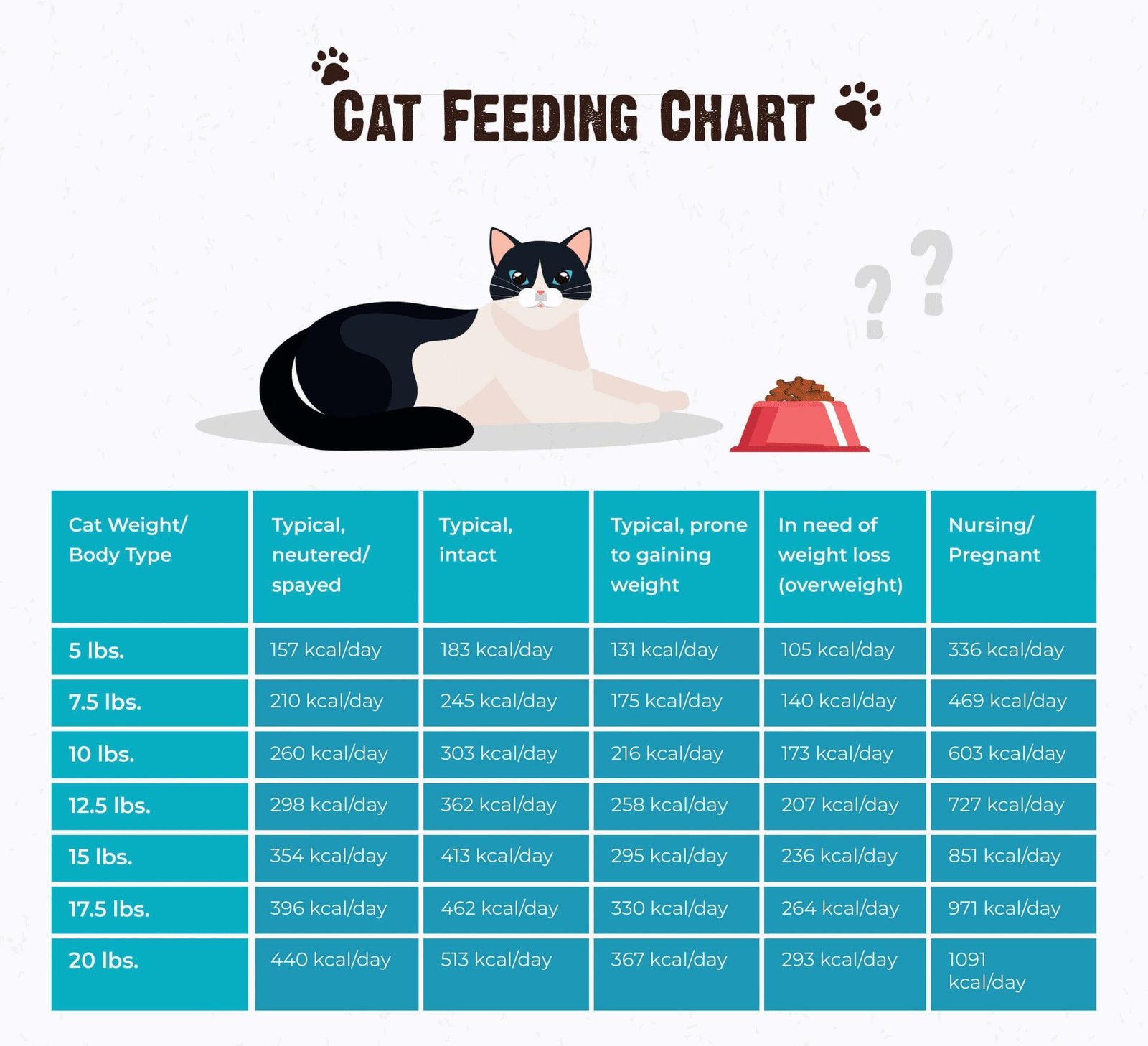
The amount of food your cat needs depends heavily on their weight. Generally, a cat weighing around 8 pounds requires about 200-250 calories per day.
| Cat Weight | Daily Calories | Approximate Dry Food (grams) |
|---|---|---|
| 6 lbs | 180-200 | 30-40 |
| 8 lbs | 200-250 | 40-50 |
| 10 lbs | 250-300 | 50-60 |
Keep in mind, active cats might need more calories, while less active ones need fewer. Have you noticed if your cat’s activity level changes during the day?
Dry Food Vs Wet Food Portions
Dry and wet cat foods differ in calorie density and moisture content. Wet food has more water, so your cat will need to eat a larger volume to get the same calories as dry food.
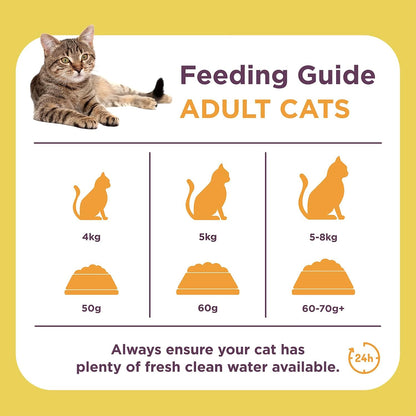
- A typical 8-pound cat may eat 40-50 grams of dry food daily.
- For wet food, the same cat might need around 150-200 grams per day.
Mixing wet and dry food can balance hydration and dental health. When you feed both, adjust portions to avoid overfeeding. Do you track how much your cat eats each day?
Adjusting For Multiple Cats
Feeding multiple cats in one household can be tricky. Each cat has unique needs based on age, weight, and activity.
- Measure food for each cat separately to avoid competition or overeating.
- Use separate bowls placed apart to reduce stress and food guarding.
- Observe your cats’ body condition and adjust portions accordingly.
If you’ve ever tried free-feeding with multiple cats, you might have seen some eat more than others. How do you manage feeding time to ensure every cat gets their fair share?
Measuring Cat Food Accurately
Measuring cat food accurately helps maintain your cat’s health. Proper portions avoid weight problems and keep your cat active. Using the right tools ensures you give the right amount every time. This section explains how to measure cat food correctly.
Using Measuring Cups And Scales
Measuring cups are common and easy to use. Use dry measuring cups for dry food. Fill the cup to the top and level it off with a flat edge. This avoids packing the food tightly, which can add extra calories.
Scales provide the most precise measurement. Weigh your cat’s food on a kitchen scale for accuracy. Place a bowl on the scale and reset it to zero before adding food. This method works for wet and dry food.
Both tools help control portion sizes. Choose one that fits your routine and stick with it. Consistency matters for your cat’s diet.
Avoiding Overfeeding And Underfeeding
Overfeeding can cause obesity and health issues. Underfeeding may lead to malnutrition and low energy. Balanced portions keep your cat healthy and happy.
Check feeding guidelines on the cat food package. Adjust portions based on your cat’s age, weight, and activity level. Monitor your cat’s body condition regularly.
Use a feeding schedule to control portions. Avoid free-feeding or leaving food out all day. This helps prevent overeating and keeps portions consistent.
Feeding Frequency And Schedule
Feeding your cat the right amount at the right times keeps them healthy and happy. Cats thrive on routine. A consistent feeding schedule supports digestion and energy levels. Age affects how often cats need to eat. Meal times vary for kittens, adult cats, and seniors.
Meal Times For Kittens
Kittens grow fast and burn energy quickly. They need frequent meals to support this growth. Feed kittens about four times a day. Small portions work best to avoid overeating. Regular feeding helps build strong bones and muscles.
Meal Times For Adult Cats
Adult cats need fewer meals than kittens. Two meals per day keep them satisfied and prevent hunger. Serve meals in the morning and evening. Consistent timing helps maintain a healthy weight. Avoid free feeding to control portion size.
Meal Times For Senior Cats
Senior cats may eat less but need balanced nutrition. Feed them two to three smaller meals daily. Smaller meals improve digestion and reduce stress on their bodies. Watch for changes in appetite or weight. Adjust feeding times as needed for comfort.
Signs Your Cat Is Overfed Or Underfed
Knowing whether your cat is getting the right amount of food is crucial for its health. Overfeeding or underfeeding can lead to serious health problems, but the signs are not always obvious. Paying close attention to your cat’s body and behavior helps you adjust their diet before issues arise.
Weight Gain And Obesity
Rapid weight gain is a clear sign your cat may be eating too much. You might notice your cat’s belly sagging or their waistline disappearing. Excess weight puts stress on joints and organs, increasing the risk of diabetes and heart disease.
Check your cat’s ribs by gently feeling them; if you can’t feel the bones under a layer of fat, your cat might be overweight. Have you ever seen your cat struggle to jump or play? This often signals extra pounds slowing them down.
Weight Loss And Malnutrition
If your cat is losing weight unexpectedly, it could mean they are not getting enough nutrients. You might notice their bones becoming more prominent or their coat losing its shine. Weight loss might also be a sign of illness, so it's important to monitor closely.
Malnourished cats often appear weak and tired, with less interest in activities they usually enjoy. Is your cat hiding more or eating less than usual? These could be red flags that need your immediate attention.
Behavioral Signs
Changes in behavior can also indicate feeding issues. Overfed cats might become lethargic and less playful, while underfed cats may seem constantly hungry or restless. Both can show signs of irritability or anxiety around feeding times.
You might notice your cat begging for food more often or trying to steal snacks from the table. On the other hand, a cat that ignores food or eats too quickly may be struggling with feeding habits. How does your cat act before and after meals?
Credit: www.purina.com
Special Diets And Feeding Tips
Caring for a cat with special dietary needs can feel overwhelming, but understanding how to adjust their feeding routine makes a big difference. Special diets often require precise attention to ingredients, portion sizes, and feeding frequency. Let’s look at practical tips to help you manage your cat’s unique nutritional needs effectively.
Feeding Cats With Medical Conditions
If your cat has a medical condition like diabetes, kidney disease, or allergies, their food must support their health without causing harm.
Work closely with your vet to choose the right diet. Prescription foods often have carefully balanced nutrients that manage symptoms and improve quality of life.
Watch your cat’s response to food changes. Are they more energetic? Less itchy? These signs help you know if the diet is working or needs adjustment.
Homemade Vs Commercial Food
Some cat owners prefer homemade meals to control ingredients, but balancing nutrients at home can be tricky and risky.
Commercial cat foods are formulated to meet all nutritional needs, backed by research and testing. They offer convenience and consistent quality.
If you choose homemade, consult a vet or pet nutritionist to create recipes that include essential nutrients like taurine and vitamins. Don’t guess—cats have very specific dietary requirements.
Treats And Snacks Management
Giving treats is a great way to bond, but too many can upset your cat’s diet and cause weight gain.
Limit treats to less than 10% of your cat’s daily calorie intake. Use treats to reward good behavior rather than as extra meals.
Choose healthy treats or use small portions of your cat’s regular food. Have you ever noticed your cat begging more after receiving treats? Managing timing and quantity can reduce this behavior.
Tips For Transitioning Food Amounts
Changing your cat’s food amount needs a careful approach. Sudden shifts can upset their stomach or make them refuse the new portion size. A smooth transition helps your cat adjust comfortably and keeps their digestion steady.
Gradual Changes To Avoid Digestive Issues
Start by mixing a small amount of the new food with your cat’s current meal. Increase the new food portion a little each day over 7 to 10 days.
This slow change prevents diarrhea, vomiting, or loss of appetite. Imagine if your cat’s tummy is used to 1/4 cup daily — suddenly jumping to 1/2 cup could cause discomfort. Instead, try:
- Day 1-3: 75% old food, 25% new food
- Day 4-6: 50% old food, 50% new food
- Day 7-9: 25% old food, 75% new food
- Day 10: 100% new food
This method eases your cat’s system into the new amount without overwhelming it.
Monitoring Cat's Response
Watch how your cat reacts during the transition. Are they eating eagerly or leaving food behind? Changes in stool consistency or behavior can signal problems.
Keep a simple daily log noting:
- Amount eaten
- Any vomiting or diarrhea
- Energy levels and mood
If you spot issues, slow down the change or check with your vet. Your cat’s comfort is the best guide to adjusting food amounts successfully. Have you noticed any subtle signs your cat gives when their food changes?

Credit: avantipetcare.com
Credit: pet-supermarket.co.uk
Frequently Asked Questions
How Much Cat Food Should I Feed Daily?
Feed your cat based on weight, age, and activity. Generally, cats need 20 calories per pound daily. Adjust portions according to your cat’s needs and consult a vet for precise guidance.
Does Cat Food Amount Vary By Age?
Yes, kittens require more calories for growth, while older cats need fewer calories. Adjust portions to match your cat’s life stage for optimal health.
Can Overfeeding Cause Health Problems In Cats?
Overfeeding can lead to obesity, diabetes, and joint issues. Monitor your cat’s weight and feeding amounts to maintain a healthy lifestyle.
How To Measure The Right Cat Food Portion?
Use a kitchen scale or measuring cup for accuracy. Follow feeding guidelines on packaging and adjust based on your cat’s activity and health.
Conclusion
Feeding your cat the right amount is crucial. It keeps them healthy. Overfeeding can lead to obesity. Underfeeding can cause malnutrition. Check your cat's weight regularly. Adjust food portions as needed. Consider your cat's age and activity level. Consult your vet for advice.
They can provide personalized guidance. Understand your cat's needs. This ensures they stay happy and fit. Proper nutrition is vital. It supports their overall well-being. Remember, a healthy cat is a happy cat. Feed wisely for a joyful pet.