
Are you wondering how much cat food your furry friend really needs? Feeding your cat the right amount is more important than you might think.
Too little food can leave your kitty hungry and unhappy, while too much can lead to weight gain and health problems. You’ll discover simple tips to find the perfect balance for your cat’s meals. Keep reading to learn how to keep your pet healthy, happy, and full of energy every day.

Credit: www.thehonestkitchen.com
Factors Affecting Cat Food Needs
Knowing how much food your cat needs can be tricky. Several factors influence their daily intake, and understanding these can help you provide the right amount. Let’s break down what really affects your cat’s food requirements so you can keep them healthy and happy.
Age And Life Stage
Kittens need more calories than adult cats because they are growing rapidly. They usually eat several small meals throughout the day to fuel their development. Older cats, on the other hand, tend to slow down and may require fewer calories to avoid gaining extra weight.
Have you noticed how your young cat seems to eat constantly? That’s because their energy demands are high. Adjusting food portions as your cat moves through different life stages is essential to prevent underfeeding or overfeeding.
Activity Level
Active cats burn more energy and need more food to stay fueled. If your cat enjoys climbing, playing, or hunting, they will likely need a bigger portion than a couch potato cat. Watch your cat’s daily habits closely and match their food intake to their energy output.
Think about your cat’s playtime. Does your cat chase toys or nap most of the day? This simple observation helps you decide if you should increase or decrease their food.
Health Conditions
Health problems can change a cat’s dietary needs drastically. Cats with diabetes, kidney disease, or allergies might need special diets or portion adjustments. Always consult your vet before changing your cat’s food if they have any medical conditions.
Even a seemingly small health issue can affect how much your cat should eat. Paying attention to your cat’s health can prevent feeding mistakes that might worsen their condition.
Breed And Size
Large or muscular breeds generally require more food than smaller ones. For example, a Maine Coon will need more calories than a Siamese because of its size and muscle mass. Smaller cats or breeds with a leaner build usually need less food to maintain their weight.
Have you ever wondered why some cats seem to eat more without gaining weight? Their breed and size play a big role. Tailoring food portions based on your cat’s physical traits ensures they get exactly what they need.
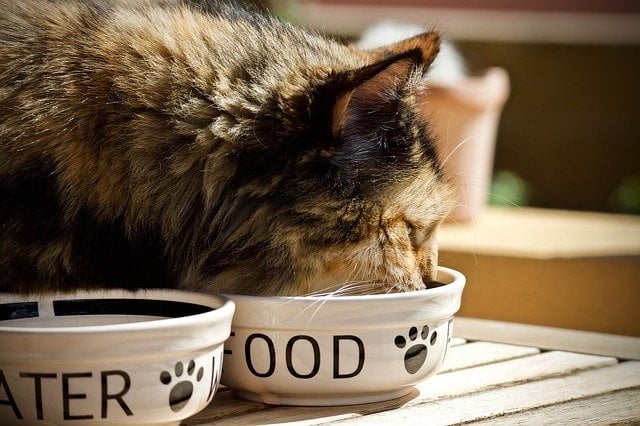
Credit: companion-vets.com
Daily Calorie Requirements
Understanding your cat’s daily calorie needs is key to keeping them healthy and happy. Cats require different amounts of energy depending on their age, activity, and overall health. Meeting these calorie requirements helps prevent underfeeding or overfeeding, both of which can lead to health problems.
Calories For Kittens
Kittens are growing rapidly and need plenty of energy to support their development. They typically require about 200 to 250 calories per day in their first few months. Feeding your kitten nutrient-rich food with the right calorie count helps ensure they grow strong and playful.
Have you noticed how your kitten seems to have endless energy? That’s because their bodies are working hard to build bones, muscles, and organs. Providing enough calories fuels this growth and keeps their immune system strong.
Calories For Adult Cats
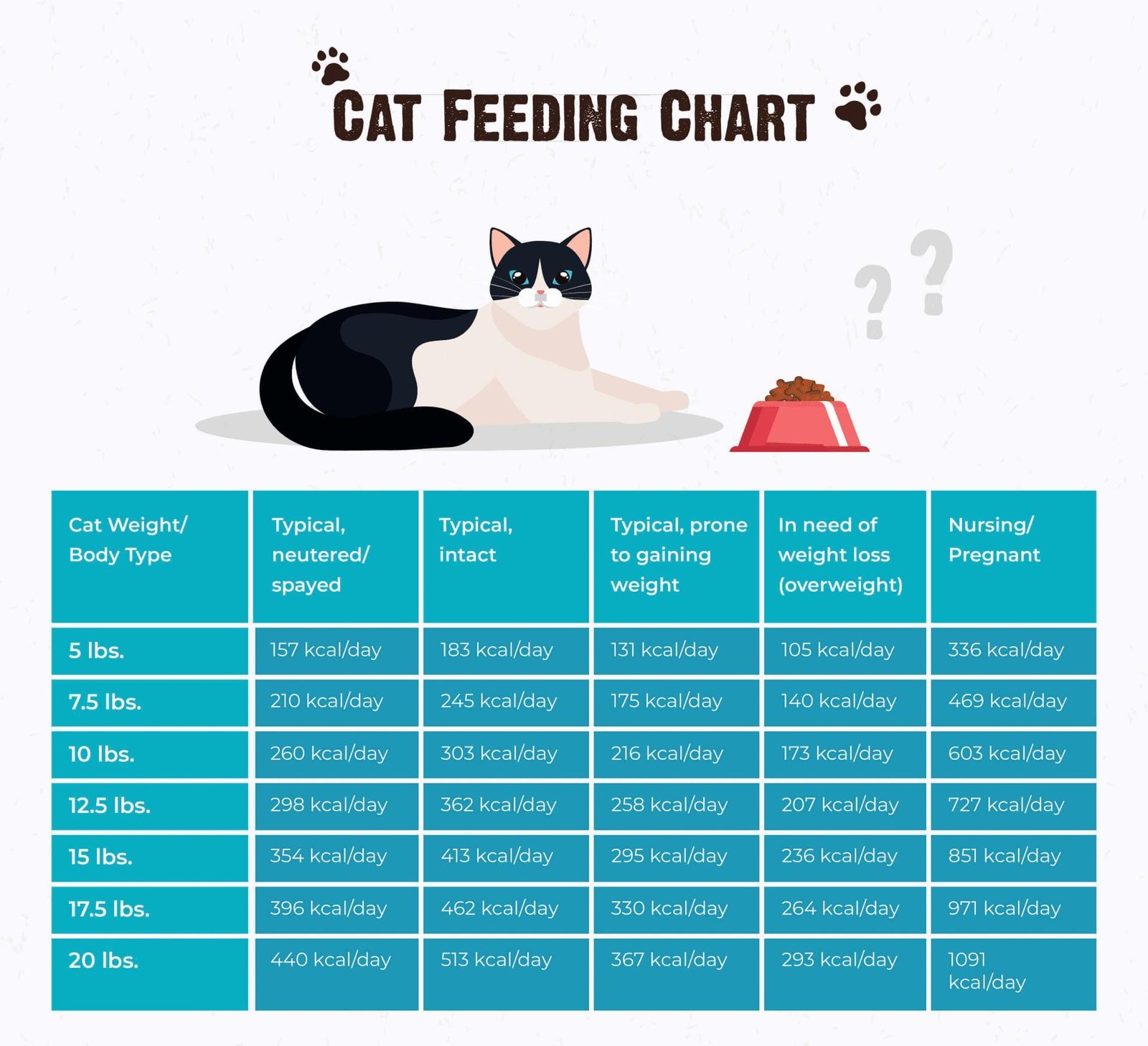
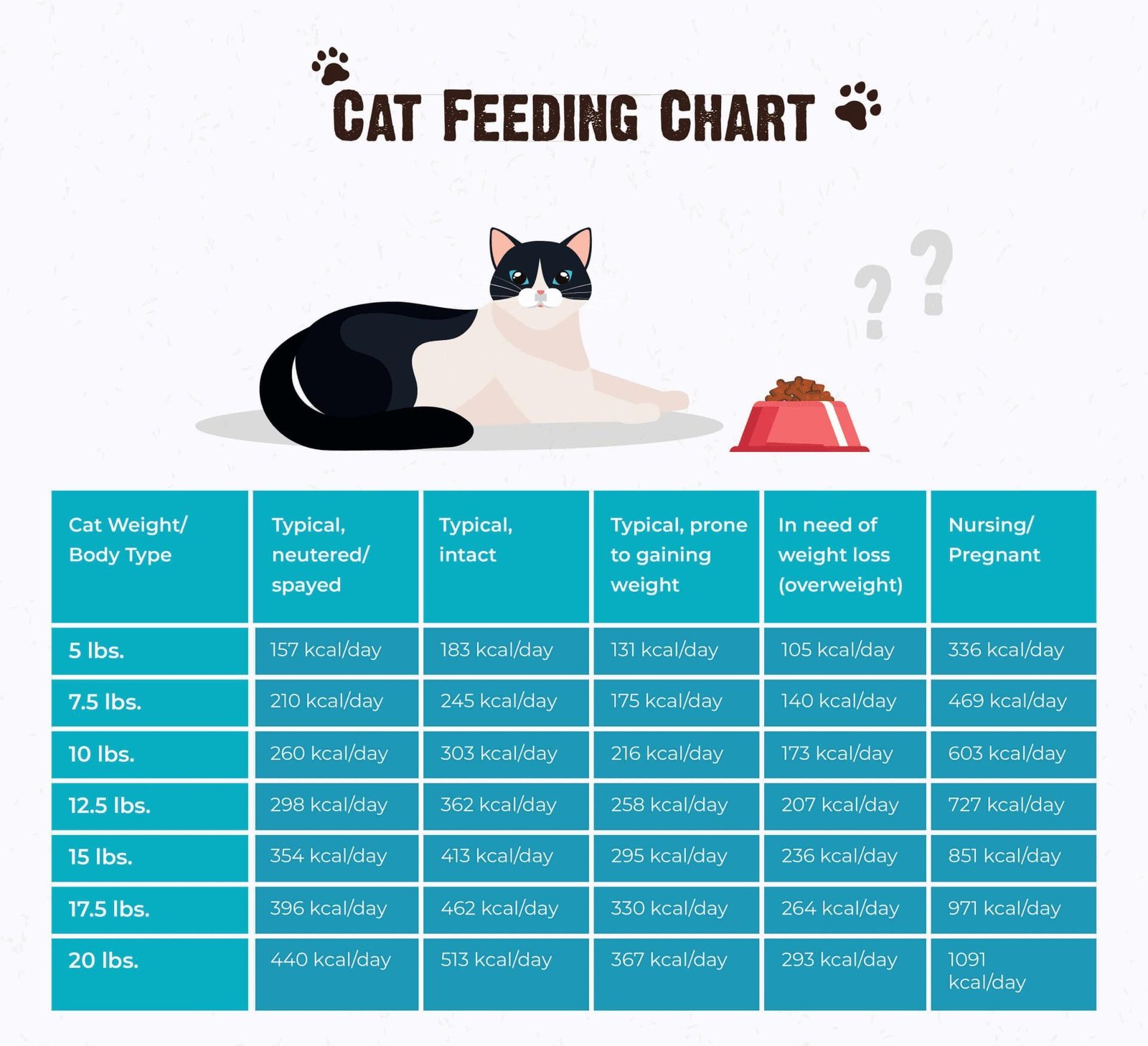
Adult cats generally need fewer calories than kittens but still require a balanced diet to maintain their weight and health. Most adult cats need between 20 to 30 calories per pound of body weight daily. For example, a 10-pound cat usually needs around 200 to 300 calories per day.
Consider your cat’s activity level when deciding how much to feed. A very active cat may burn more calories, while a mostly sedentary one needs less. Monitoring their weight regularly helps you adjust food portions to keep your cat fit.
Calories For Senior Cats
Senior cats often have slower metabolisms and lower activity levels, which means their calorie needs decrease. They may require 20% to 30% fewer calories than their adult counterparts. Overfeeding seniors can lead to obesity and related health issues.
Have you checked if your senior cat’s appetite has changed? Sometimes health conditions affect how much they eat. Feeding a calorie-appropriate diet tailored for older cats supports their aging bodies without adding extra pounds.
Types Of Cat Food
Choosing the right type of cat food is crucial for meeting your cat’s nutritional needs and maintaining their health. Cats have unique dietary requirements, and the type of food you provide can impact their energy levels, coat quality, and overall well-being. Understanding the benefits of different cat food types helps you decide what works best for your furry friend.
Dry Food Benefits
Dry cat food is convenient and easy to store. It usually costs less than wet food and has a longer shelf life once opened.
Many cats enjoy the crunchy texture, which can help reduce plaque buildup on their teeth. Dry food also allows you to free-feed your cat throughout the day without worrying about spoilage.
Have you noticed your cat’s preference for dry kibble over wet? This can make mealtime simpler, especially if you have a busy schedule.
Wet Food Benefits
Wet cat food contains a high moisture content, which helps keep your cat hydrated. This is especially important if your cat doesn’t drink much water.
Wet food often has a richer aroma and texture, making it more appealing to picky eaters or cats with dental issues. It’s also easier to portion control, helping with weight management.
Consider if your cat has a history of urinary tract problems; wet food can be a better option to support urinary health through increased water intake.
Raw And Homemade Diets
Raw and homemade diets allow you to control exactly what your cat eats. This can be beneficial if your cat has allergies or specific dietary restrictions.
Preparing food at home ensures freshness and can include a variety of natural ingredients like meats, organs, and supplements. However, it requires careful planning to provide balanced nutrition.
Have you ever thought about how your cat’s natural diet in the wild compares to what you feed them? Raw and homemade options can mimic this, but they need to be handled with caution to avoid health risks.
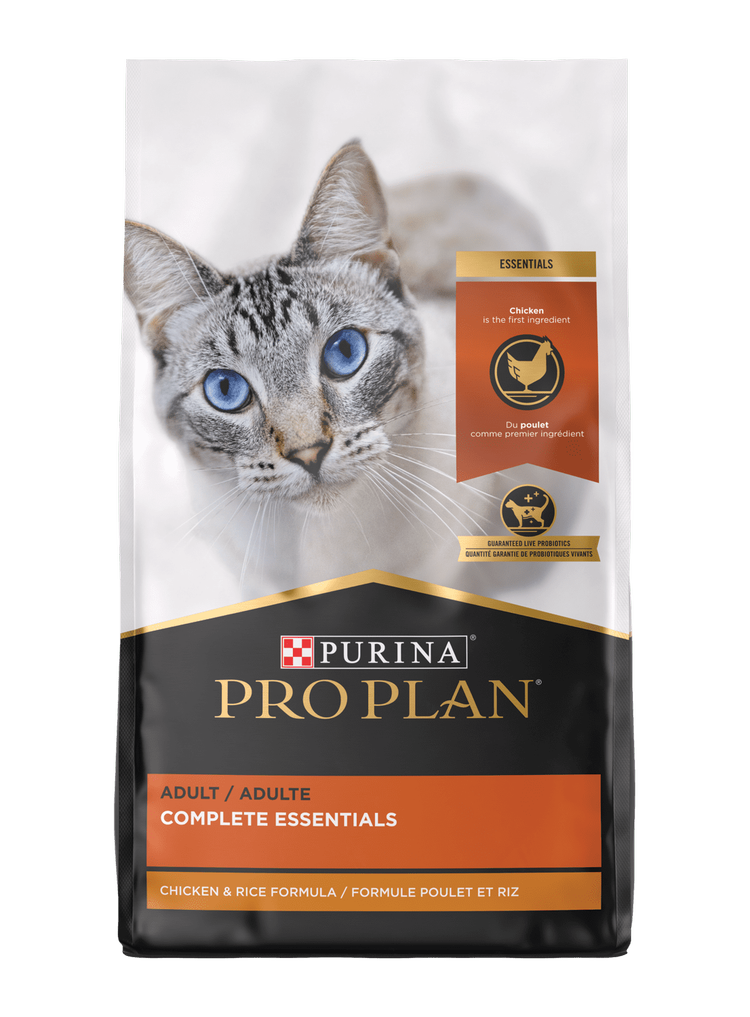
Credit: www.purina.com
Measuring The Right Portion
Measuring the right portion of cat food is crucial for your cat’s health and happiness. It’s not just about filling the bowl; it’s about giving them exactly what they need to thrive. Too much food can lead to weight gain, while too little might leave your cat hungry and undernourished.
Using Feeding Guidelines
Most cat food packages come with feeding guidelines based on your cat’s weight and age. These guidelines are a good starting point but shouldn’t be followed blindly. Every cat is different, so consider factors like activity level and metabolism.
For example, a highly active cat might need more calories than a couch-loving feline. Check the label for daily recommended amounts and divide that into multiple small meals. This helps avoid overfeeding and keeps your cat satisfied throughout the day.
Adjusting Portions Over Time
Your cat’s needs will change with age, health, and lifestyle. Watch your cat’s weight and behavior closely and adjust food portions as needed. If your cat starts gaining too much weight, reduce the portion slightly and increase playtime.
On the other hand, if your cat seems hungry or is losing weight, try increasing the food amount gradually. Remember, changes should be slow—abrupt shifts can upset their digestion. When was the last time you checked your cat’s weight? Regular monitoring helps you keep portions on track.
Tools For Accurate Measurement
Using the right tools can make a big difference in feeding accuracy. A simple kitchen scale is one of the best investments you can make. It ensures you measure the exact grams or ounces recommended, rather than guessing with scoops or cups.
If a scale isn’t handy, measuring cups with clear markings work well too. Avoid free-pouring food from large bags—this often leads to overfeeding. Consistency in measurement helps you maintain your cat’s ideal weight and overall health.
Feeding Schedules And Frequency
Feeding your cat the right amount of food at the right times can make a big difference in their health and happiness. How often you feed and the schedule you follow depends on your cat’s age, lifestyle, and personality. Let’s look at different approaches to feeding schedules and how to handle common challenges.
Free Feeding Vs Scheduled Meals
Free feeding means leaving food out all day so your cat can eat whenever they want. It works well for some cats but can lead to overeating and weight gain if your cat is not good at self-regulating.
Scheduled meals, where you provide food at specific times, help control portion sizes and monitor appetite changes. You might feed your cat twice a day—once in the morning and once at night—to keep them on a routine.
Think about your cat’s behavior: do they graze calmly or gobble food quickly? That can guide your choice between free feeding and scheduled meals.
Feeding Multiple Cats
Feeding several cats in one household can get tricky. Cats have different appetites and personalities, so one feeding schedule might not suit them all.
To avoid food guarding or bullying, provide separate bowls in quiet spots. You can also feed them at the same time but in different rooms, so each cat eats peacefully.
Have you noticed any squabbles during mealtime? Adjusting feeding locations can reduce stress and ensure everyone gets their fair share.
Dealing With Picky Eaters
Some cats are choosy and may refuse food if it’s not to their liking. Changing the brand or type of food too quickly can upset their stomach or cause them to skip meals.
Try mixing new food gradually with the old over several days. You can also warm wet food slightly or add a bit of broth to make it more appealing.
If your cat consistently refuses to eat, it’s important to consult your vet. Loss of appetite can signal health issues that need attention.
Signs Of Overfeeding And Underfeeding
Knowing the signs of overfeeding and underfeeding helps keep cats healthy. Cats need just the right amount of food to thrive. Too much or too little food can cause serious health problems. Watch for changes in weight, body condition, and behavior. These clues tell if a cat’s diet is balanced or needs adjustment.
Weight Gain And Obesity
Overfeeding leads to weight gain and obesity in cats. Obese cats may have trouble moving and breathing. They face higher risks of diabetes and joint pain. You might notice a round belly or fat deposits over the ribs. Check your cat’s weight regularly to prevent obesity.
Weight Loss And Malnutrition
Underfeeding causes weight loss and malnutrition. Cats may appear thin and weak. Their ribs and spine become more visible. Malnourished cats lose muscle and energy. Poor coat quality and dull fur also show lack of nutrients. Prompt action is needed to restore healthy feeding.
Behavioral Changes
Feeding issues often affect a cat’s behavior. Overfed cats may become lazy and less active. They might beg for food even when full. Underfed cats can act restless or irritable. Some show signs of anxiety or depression. Pay attention to these changes to adjust feeding properly.
Tips For Healthy Feeding Habits
Feeding your cat the right amount is just one piece of the puzzle. Healthy feeding habits ensure your cat stays happy and active over the long run. Let’s dive into some practical tips that will help you create a balanced and enjoyable meal routine for your feline friend.
Encouraging Hydration
Water is essential for your cat’s health, but many cats don’t drink enough. You can encourage hydration by offering fresh water several times a day and placing water bowls in different spots around the house. Some cats prefer running water, so a cat water fountain might be a game-changer.
Adding wet food to your cat’s diet also boosts moisture intake. Have you noticed your cat drinking less when only dry food is available? Try mixing wet and dry food to keep hydration levels up without forcing your cat to drink more.
Choosing Quality Ingredients
Your cat’s body needs nutrients from high-quality ingredients to thrive. Look for cat foods that list real meat as the first ingredient and avoid products loaded with fillers like corn or soy. Grain-free options can be better for some cats, but it’s important to check how your cat responds to each type.
Don’t hesitate to read labels carefully. Natural preservatives and added vitamins can make a big difference. Have you ever switched brands and noticed a change in your cat’s energy or coat shine? That’s often a sign of better nutrition.
Consulting Your Veterinarian
Your vet knows your cat’s health history and can tailor feeding advice specifically for them. Before making any major changes to your cat’s diet, have a chat with your vet. They can help you understand your cat’s ideal weight and nutritional needs based on age, activity, and health conditions.
Regular check-ups also help catch any issues that might affect eating habits early. Do you know how often your cat should be weighed or have their diet reviewed? Your vet can guide you on this to keep your feeding strategy on track.
Frequently Asked Questions
How Much Cat Food Should I Feed Daily?
The daily amount depends on your cat’s weight, age, and activity. Usually, adult cats eat 20-30 calories per pound. Check the food label and adjust portions accordingly. Consult your vet for precise feeding guidelines.
Does A Cat’s Age Affect Food Quantity?
Yes, kittens need more calories for growth, while senior cats require fewer calories. Age influences metabolism and activity, affecting food intake. Adjust feeding amounts as your cat ages to maintain a healthy weight.
Can Feeding Too Much Cat Food Cause Health Issues?
Overfeeding can lead to obesity, diabetes, and joint problems in cats. Monitor portions carefully and avoid free-feeding. Balanced feeding keeps your cat healthy and active.
How Often Should I Feed My Cat Daily?
Most adult cats thrive on two meals a day. Kittens may need three to four smaller meals. Consistent feeding times support digestion and prevent overeating.
Conclusion
Feeding your cat the right amount is crucial. It affects their health. Calculate based on age, size, and activity. Always provide fresh water. Consult a vet for precise needs. Every cat is unique. Adjust portions if needed. Monitor your cat's weight regularly.
Choose high-quality food for nutrition. Avoid overfeeding to prevent obesity. A balanced diet ensures a happy cat. Keep an eye on their eating habits. Changes may indicate health issues. Proper feeding leads to a longer life. Your cat deserves the best care.
So, feed wisely and with love.