Are you unsure about how many treats to give your dog each day? Treats are a great way to reward good behavior and show your furry friend some love.
But giving too many can lead to weight gain and health issues. Finding the right balance is key to keeping your dog happy and healthy. Keep reading to discover simple tips and expert advice that will help you decide the perfect number of treats for your dog every day.
Your pet’s well-being depends on it!

Credit: nutri-paw.com
Daily Treat Limits
Dogs love treats, but too many can be bad for them. It's important to know how many treats are safe each day.
Giving the right amount of treats keeps your dog healthy and happy. Always balance treats with their regular meals.
General Guidelines
Treats should not be more than 10% of your dog's daily calories. This prevents weight gain and other health issues.
Choose treats that are low in calories and healthy. Always check the label for nutritional information.
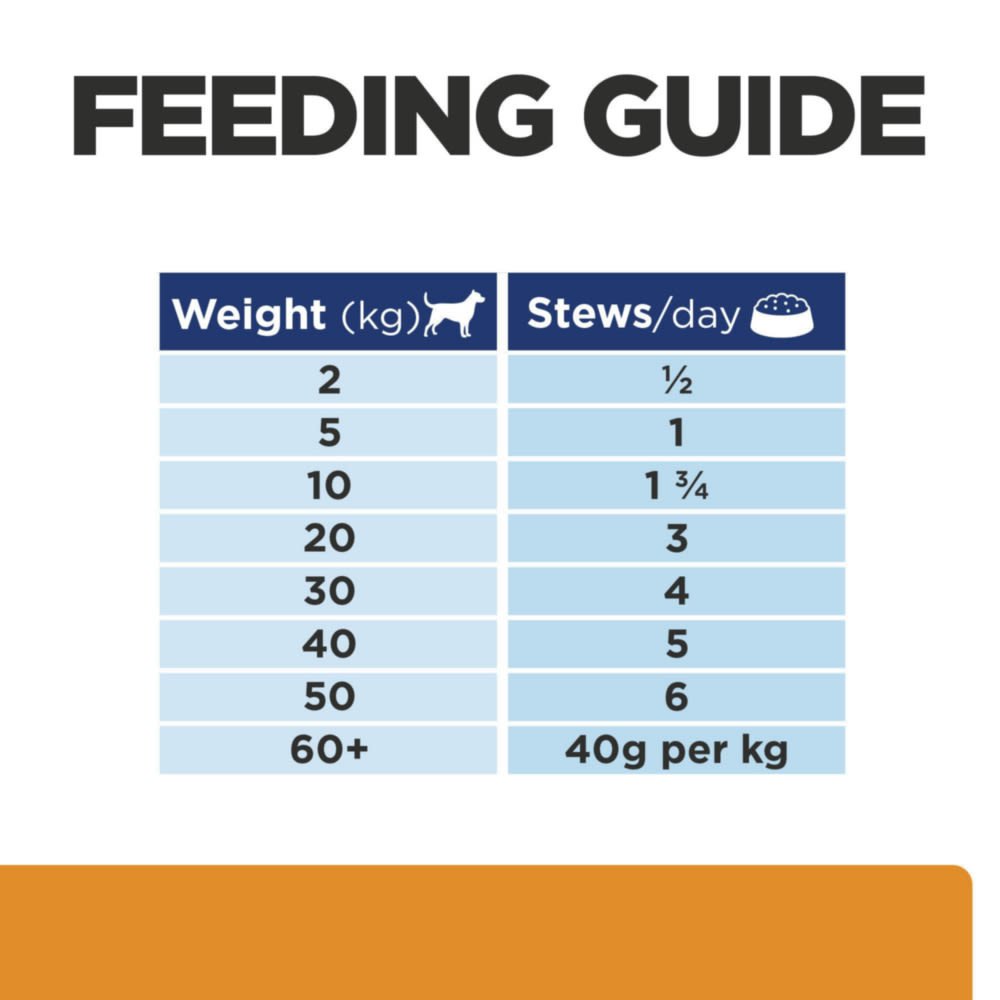
- Small dogs: 1-2 small treats per day
- Medium dogs: 2-3 treats per day
- Large dogs: 3-5 treats per day
Factors Influencing Treat Quantity
Age, size, and activity level affect how many treats a dog can have. Puppies need fewer treats than adult dogs.
Active dogs can have more treats than those who are less active. Always adjust treat amounts if your dog's weight changes.
- Age: Puppies need fewer treats
- Size: Larger dogs can have more treats
- Activity: Active dogs need more energy
Choosing Healthy Treats
Giving your dog treats is a great way to reward good behavior. It also helps build a strong bond with your pet.
Choosing healthy treats is important to keep your dog fit and happy. The right treats support their health and avoid extra calories.
Low-calorie Options
Low-calorie treats help prevent weight gain. They are perfect for dogs that need to stay slim or have health issues.
Look for treats made with simple ingredients. Avoid treats with added sugars or fillers that add unnecessary calories.
- Small pieces of carrot or cucumber
- Freeze-dried liver bites
- Plain air-popped popcorn (no salt or butter)
- Lean meat strips without seasoning
- Commercial low-calorie dog treats labeled for weight control
Natural Vs. Commercial Treats
Natural treats come from whole foods like fruits, vegetables, and meats. They usually have fewer additives.
Commercial treats are made in factories and may contain preservatives, colors, and flavors. Some are healthy, but check the label.
- Natural treats: fresh apple slices, cooked chicken, sweet potato slices
- Commercial treats: check for limited ingredients and no artificial additives
- Choose treats with high protein and low fillers
- Always read ingredient lists carefully
Treats And Dog’s Weight
Giving treats to your dog is a fun way to show love and reward good behavior. But the amount of treats should depend on your dog’s weight. Too many treats can cause weight problems.
Small dogs need fewer treats than large dogs. The treats should not make up more than 10% of your dog’s daily calories. This helps keep your dog healthy and happy.
Adjusting For Weight Goals
If your dog needs to lose weight, cut down on treats. Choose low-calorie treats or smaller pieces. This helps reduce extra calories but keeps your dog motivated.
For dogs that need to gain weight, you can add more treats. Pick nutrient-rich treats that support healthy weight gain. Always check with your vet before changing treat amounts.
- Weight loss dogs: fewer, low-calorie treats
- Weight gain dogs: more, nutrient-rich treats
- Healthy weight dogs: limit treats to 10% of calories
Avoiding Overfeeding
Giving too many treats can lead to obesity and health issues. Watch the total number of treats given each day. Keep treats part of training, not extra meals.
Measure treats instead of guessing. Use small treats for training sessions. Avoid feeding table scraps as treats because they add extra calories.
- Limit treats to 10% of daily calories
- Use small, measured treats
- Keep treats for training and rewards only
- Do not feed table scraps as treats

Credit: biggiebees.com
Treats For Training
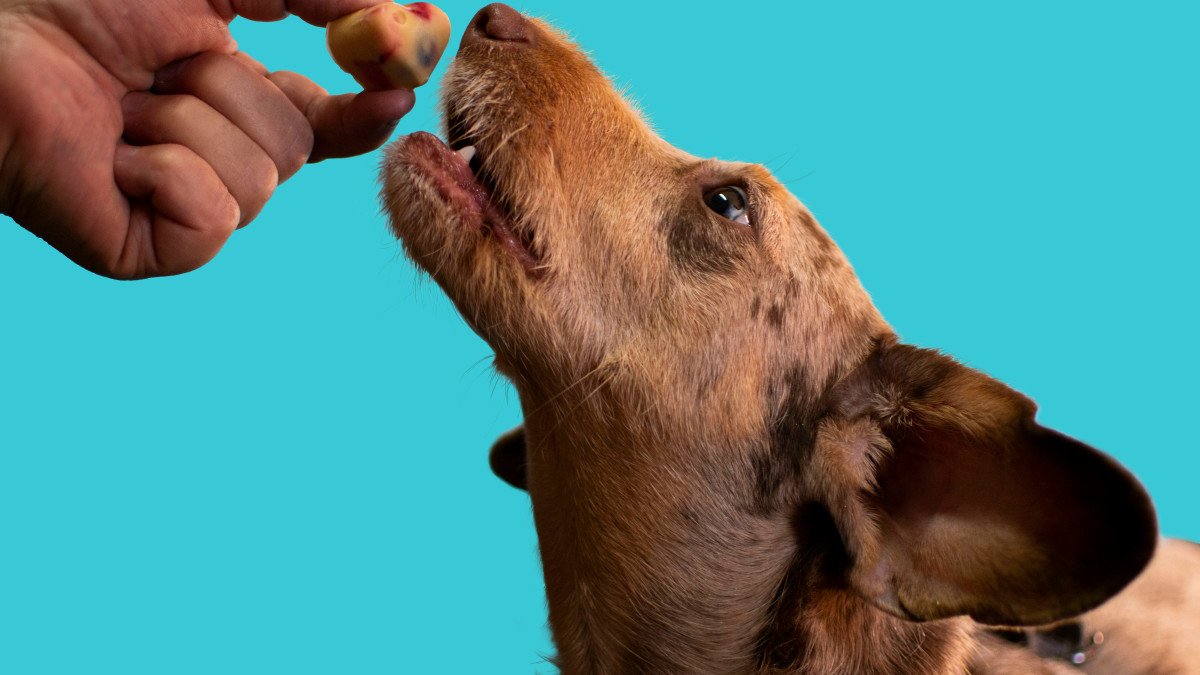
Giving treats is a great way to teach your dog new skills. Treats help your dog learn by rewarding good behavior.
It is important to give treats the right way. Too many treats can cause health problems for your dog.
Frequency During Sessions
Give treats often during training sessions. This helps your dog understand what you want.
Start by giving treats every time your dog does the right thing. As your dog learns, give treats less often.
- Give treats immediately after good behavior
- Use treats to keep your dog focused
- Stop giving treats once your dog knows the command
Using Mini Treats Effectively
Mini treats are small and easy to eat quickly. They help keep training sessions fast and fun.
Use mini treats to avoid giving too many calories. This lets you reward your dog often without overfeeding.
- Choose treats that are bite-sized
- Break larger treats into smaller pieces
- Keep treats moist and tasty for quick eating
Special Considerations
Giving treats to your dog is a good way to reward and train them. But the amount of treats depends on many factors.
Some dogs need fewer treats because of their age, health, or breed. It is important to think about these before giving treats.
Age And Health Conditions
Puppies and older dogs need fewer treats than adult dogs. Puppies are growing and need good nutrition.
Dogs with health problems like diabetes or obesity need special care with treats. Too many treats can cause harm.
- Puppies: limit treats to avoid upsetting digestion
- Senior dogs: fewer treats to prevent weight gain
- Dogs with health issues: consult a vet for treat limits
Breed-specific Needs
Different breeds have different energy needs. Some breeds are prone to weight gain, so treats must be controlled.
Active breeds may handle more treats if they exercise a lot. Small breeds need fewer treats because of their size.
| Breed Type | Treat Recommendation |
|---|---|
| Small breeds | Limit treats to small amounts daily |
| Medium breeds | Moderate treats with regular exercise |
| Large, active breeds | More treats allowed if they stay active |
| Breeds prone to obesity | Very limited treats, focus on healthy options |

Credit: wefeedraw.com
Alternatives To Treats
Giving your dog too many treats can lead to weight gain. You can use other ways to reward your dog. These methods keep your dog happy and healthy.
Alternatives to treats help build a strong bond. Dogs respond well to attention and fun activities as rewards.
Praise And Affection
Dogs love to hear a kind voice and feel gentle petting. Praise helps your dog feel safe and loved. Use happy words and a soft tone.
Petting your dog is a great way to reward good behavior. It shows your dog that you care without adding extra calories.
- Say “Good boy” or “Good girl” clearly
- Use a calm and happy voice
- Stroke your dog’s head or back gently
- Give belly rubs if your dog likes them
Playtime Rewards
Playing with your dog is a fun way to reward them. It keeps your dog active and happy. Use toys like balls or ropes for games.
Short play sessions can replace treats. Dogs enjoy fetch, tug, or hide and seek. Playtime also helps use up your dog’s energy.
- Throw a ball for your dog to fetch
- Play tug-of-war with a rope toy
- Hide a toy and let your dog find it
- Spend a few minutes running together
Frequently Asked Questions
How Many Treats Can A Dog Eat Daily?
Dogs should have treats making up no more than 10% of their daily calories. Overfeeding treats can cause weight gain and health issues. Always consider your dog's size, age, and activity level when giving treats.
What Types Of Treats Are Healthiest For Dogs?
Healthy dog treats include natural options like carrots, apples, and commercial low-calorie treats. Avoid treats with artificial additives, high sugar, or fat content. Always check ingredient labels to ensure treats support your dog's nutritional needs.
Can Too Many Treats Harm My Dog?
Yes, too many treats can lead to obesity, digestive problems, and nutrient imbalances. Treats should supplement, not replace, balanced dog meals. Moderation is key to maintaining your dog's overall health and well-being.
When Is The Best Time To Give Dog Treats?
Treats are best given during training or as rewards for good behavior. Avoid giving treats right before meals to prevent reduced appetite. Timing helps reinforce positive actions and keeps your dog motivated.
Conclusion
Treats make dogs happy but should be given with care. Too many treats can harm their health and cause weight gain. Choose small, healthy treats and limit the number each day. Pay attention to your dog’s size, age, and activity level.
Balance treats with regular meals and exercise for best results. Treats are a great way to reward good behavior. Keep treats as a special part of your dog’s routine. This helps your dog stay healthy and happy every day.