Are you a cat parent wondering just how many tins of cat food your furry friend should devour each day? You're not alone.
Many cat owners grapple with the same question, trying to strike the perfect balance between satisfying their pet's hunger and maintaining their health. Get it right, and you’ll have a happy, purring companion. Get it wrong, and you might face health issues or an unhappy kitty.
In this post, we’ll break it down for you in a simple way, taking the guesswork out of your daily feeding routine. So, if you’re ready to uncover the secrets to optimal feeding and ensure your cat gets the best, keep reading. Your feline friend will thank you!
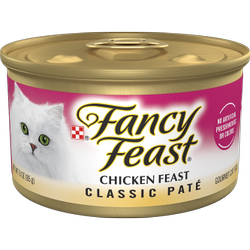
Credit: www.purina.com
Daily Cat Food Needs
Understanding your cat's daily food needs is key to keeping them healthy and happy. Cats require the right amount of nutrition to maintain energy and support body functions. The quantity of cat food depends on several important factors. Monitoring these helps prevent overfeeding or underfeeding. Proper feeding supports weight management and overall wellbeing.
Factors Influencing Feeding Amount
Different cats have different dietary requirements. The type of cat food, such as wet or dry, affects portion sizes. Cats with special health conditions may need tailored feeding plans. Environmental factors like temperature can change appetite. Measuring food accurately ensures your cat gets what it needs.
Age And Weight Considerations
Kittens need more calories for growth and development. Adult cats require balanced portions to maintain weight. Senior cats often eat less due to slower metabolism. Overweight cats should get smaller, controlled meals. Underweight cats need increased nutrition to gain healthy weight.
Activity Level Impact
Active cats burn more calories daily. Playful cats need larger food portions. Indoor cats with less activity require fewer calories. Sedentary cats risk weight gain without portion control. Adjust food amounts based on your cat’s daily movement.
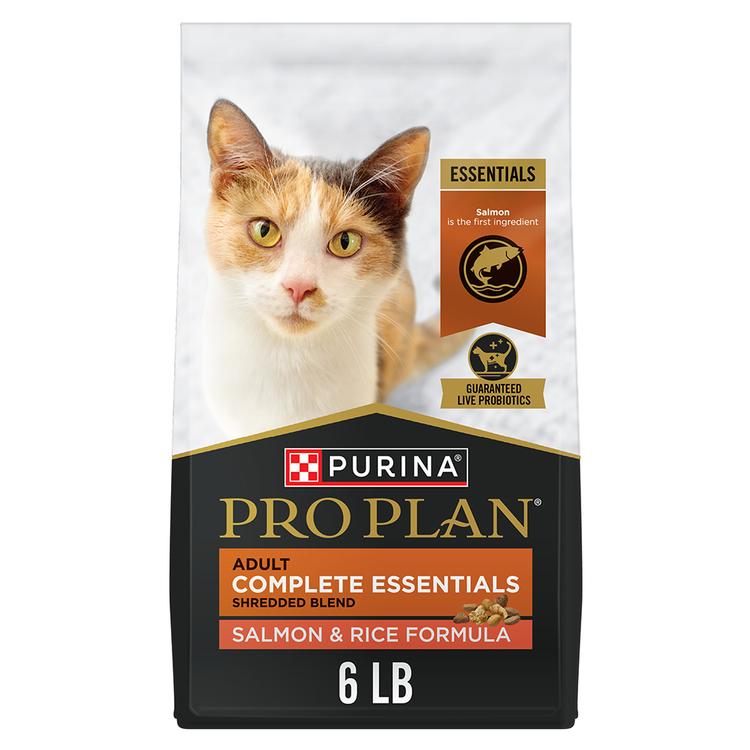
Credit: www.purina.com
Reading Cat Food Labels
Reading cat food labels is essential to feeding your feline friend the right amount. Labels hold key details about the food's content and how much your cat should eat. Understanding these details helps you avoid overfeeding or underfeeding, keeping your cat healthy and happy.
Calories Per Tin
Calories tell you how much energy your cat will get from one tin. Some tins have 150 calories, while others can have 300 or more. Knowing this helps you balance your cat’s daily energy needs with the food provided.
Think about your cat’s activity level. A playful, active cat needs more calories than a sedentary one. Check the label to see the exact calorie count per tin before deciding how many tins to feed each day.
Recommended Serving Sizes
Most cat food labels include serving size suggestions based on your cat’s weight. These guidelines are a good starting point, but you may need to adjust depending on your cat's metabolism.
Serving sizes are usually given in grams or number of tins. For example, a label might say "1 tin per 5 pounds of body weight." Use this information to estimate how much your cat needs daily.
- Divide the total recommended daily calories by the calories per tin to find the number of tins.
- Observe your cat’s weight and adjust servings if you notice weight changes.
Nutritional Information Importance
Beyond calories and serving sizes, the nutritional info tells you what’s inside the food. Look for protein, fat, fiber, and moisture percentages. Cats need a high protein diet, so a label showing 10% protein might not be enough.
Check for added vitamins and minerals too. These support your cat’s overall health and immunity. If a label lacks detailed nutritional info, be cautious about how well it meets your cat’s needs.
Have you ever compared labels and found surprising differences? Taking a few minutes to read them closely can make a big difference in your cat’s diet quality and health over time.
Calculating Daily Tins
Figuring out how many tins of cat food your feline friend needs each day might seem straightforward, but it actually depends on several factors. Calculating daily tins ensures your cat gets the right amount of nutrition without overfeeding or wasting food. Let's break down how to make this calculation based on your cat's weight, type of food, and size.
Using Weight To Determine Portions
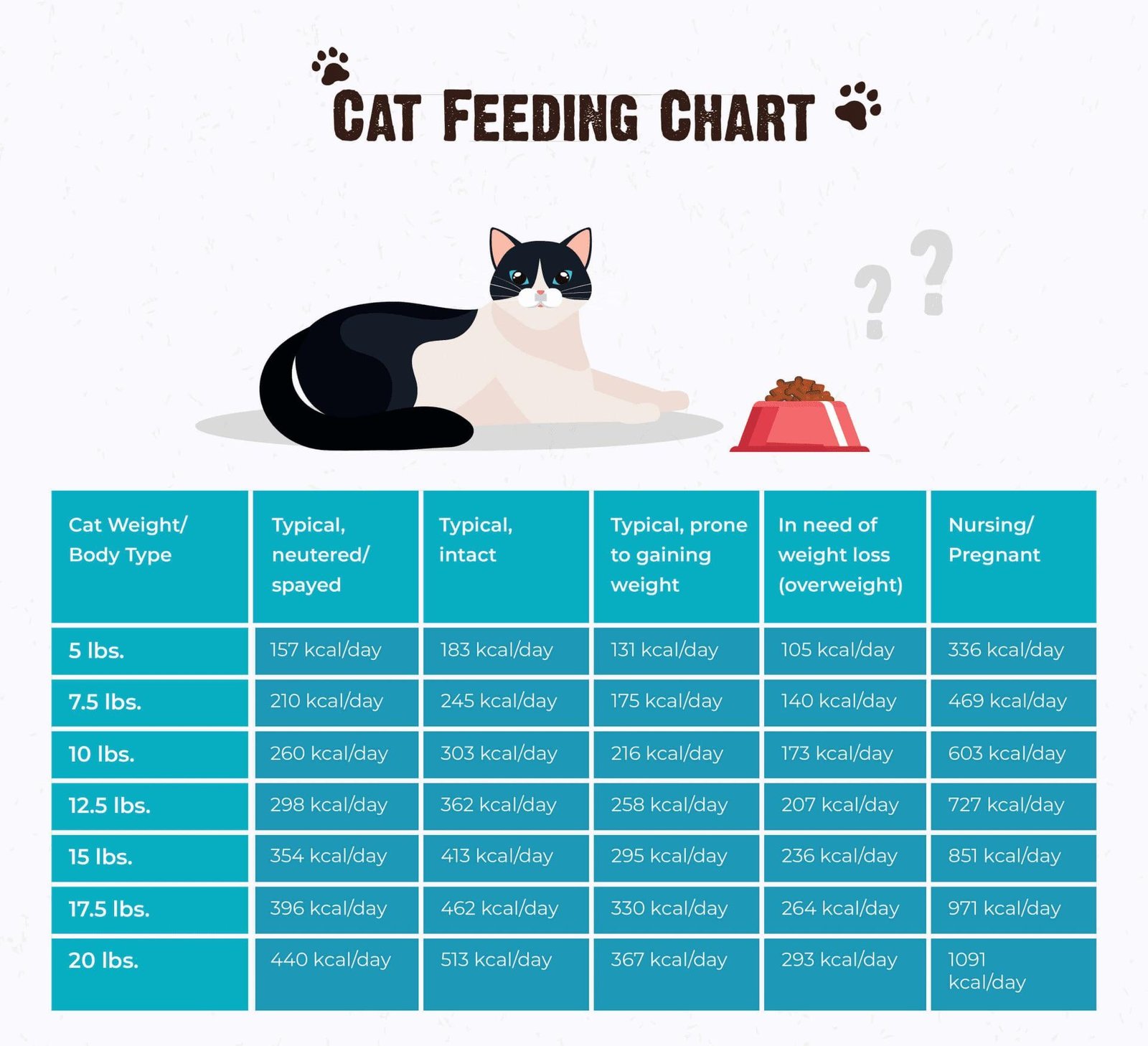
Your cat’s weight is the most important starting point. Typically, cats require about 20 to 30 calories per pound daily, but this can vary based on activity level and age.
You can check the calorie content on the cat food tin and then calculate how much your cat needs. For example, if your cat weighs 10 pounds and needs roughly 250 calories a day, and one tin contains 125 calories, your cat will need about two tins daily.
Have you weighed your cat recently? Knowing this simple number can transform how you feed them.
Adjusting For Wet Vs Dry Food
Wet and dry foods differ in calorie density and moisture content. Wet food generally contains fewer calories per gram but higher moisture, so your cat might eat more volume compared to dry food.
If your cat eats both, you’ll need to adjust portions. For example, if your cat’s daily calorie need is 250 calories, and you feed 100 calories from dry food, then you only need to provide 150 calories from wet food, which might equal around 1.5 tins depending on the brand.
Mixing food types can be great, but have you considered how it changes the total amount of tins you need to open?
Examples For Different Cat Sizes
| Cat Weight | Daily Calorie Need | Calories per Tin | Tins per Day (Wet Food) |
|---|---|---|---|
| 5 lbs (small) | 100-150 calories | 125 calories | 1 tin |
| 10 lbs (medium) | 200-300 calories | 125 calories | 1.5 to 2.5 tins |
| 15 lbs (large) | 300-450 calories | 125 calories | 2.5 to 3.5 tins |
Knowing your cat’s size helps you estimate how many tins to open each day. If you notice your cat’s weight changing, adjust the portions accordingly to keep them healthy.
Special Feeding Situations
Special feeding situations require extra care and attention. Cats at different life stages or with health problems need tailored feeding plans. Understanding these needs helps you provide the right amount of food daily. This ensures your cat stays healthy and happy.
Kittens And Growth Stages
Kittens grow fast and need more calories per pound. They require frequent meals, usually three to four times a day. Wet food is great for hydration and nutrients. The amount of tins depends on their age and weight.
- Up to 8 weeks: Small, frequent meals are best.
- 2 to 6 months: Feed about 3 to 4 small tins daily.
- 6 to 12 months: Gradually reduce to 2 to 3 tins a day.
Consult your vet for specific kitten food amounts. Growth needs vary by breed and activity level.
Senior Cats’ Dietary Needs
Older cats have slower metabolism and less activity. They need fewer calories but high-quality protein. Senior cats may prefer smaller, more frequent meals. Wet food supports hydration and easier digestion.
- Feed 1 to 2 tins daily, depending on weight and health.
- Choose formulas made for senior cats.
- Monitor weight and adjust food amounts as needed.
Cats With Health Issues
Health problems affect appetite and nutrition needs. Special diets can help manage conditions like kidney disease or diabetes. Your vet will recommend the right food type and amount.
- Kidney issues often require low-protein, wet food diets.
- Diabetic cats may need controlled portions and timed feeding.
- Weight problems call for calorie-controlled meals.
Always follow veterinary advice for feeding cats with health issues. Regular check-ups ensure their diet matches their changing needs.
Feeding Tips And Best Practices
Feeding cats properly requires attention to their daily habits and health. Following best practices helps keep your cat happy and healthy. Careful feeding avoids problems like obesity or malnutrition. Understanding how often and how much to feed is key to good care.
Meal Frequency And Timing
Most adult cats do well with two meals a day. Divide the daily food amount into equal portions. Feed your cat at the same times each day. Cats like routine and feel secure with set schedules. Kittens and very active cats may need three to four meals daily. Avoid leaving food out all day to prevent overeating.
Monitoring Cat’s Weight And Health
Check your cat’s weight regularly using a simple scale. Watch for changes that might signal health issues. A healthy cat’s ribs should be felt but not seen easily. Look for signs like lethargy, vomiting, or changes in appetite. Regular vet visits help keep your cat’s health on track. Adjust food amounts based on your cat’s weight and activity level.
Avoiding Overfeeding
Overfeeding leads to weight gain and health problems. Use measuring cups or a scale for accurate portions. Don’t give too many treats or table scraps. Resist feeding more just because your cat asks. Cats can become overweight quickly with extra food. Keep food portions consistent and follow vet recommendations.

Credit: cats.com
Frequently Asked Questions
How Many Tins Of Cat Food Should I Feed Daily?
Most adult cats need about one to two tins of wet food daily. This depends on the tin size and your cat’s weight. Always check the feeding guide on the packaging for accurate portions.
Does A Cat’s Weight Affect Daily Tin Feeding?
Yes, heavier cats usually require more food. Adjust the tins fed per day based on your cat’s weight and activity level. Consult your vet for personalized feeding advice.
Can Kittens Eat The Same Amount Of Cat Food Tins?
No, kittens need smaller, more frequent meals. They require more calories for growth. Feed them according to kitten-specific feeding guidelines until they mature.
What Factors Influence How Many Tins A Cat Needs?
Age, weight, activity, and health all impact feeding amounts. Also, consider if you feed dry food alongside wet food. Adjust tins accordingly for balanced nutrition.
Conclusion
Feeding your cat the right amount keeps them healthy and happy. Each cat is different, so watch their weight and energy. Use the feeding guide on the tin as a starting point. Adjust portions based on your cat’s age, size, and activity.
Fresh water should always be available alongside their food. Regular vet visits help ensure your cat’s diet suits their needs. Small changes in feeding can make a big difference over time. Pay attention to your cat’s signals and enjoy the bonding moments during mealtime.