
Are you wondering how often you should feed your feline friend? You're not alone.
Many cat owners struggle with finding the right feeding schedule. It's crucial to get it right, not just for your cat's health, but also for their happiness. A well-fed cat is a content cat, and knowing how often to feed them can make a world of difference.
Imagine the peace of mind that comes with knowing you’re giving your cat exactly what they need. Stick around to discover the perfect feeding routine that suits both you and your furry companion. Your cat deserves the best, and you’re just a few steps away from providing it.
Feeding Frequency Basics
Feeding your cat the right number of times each day supports their health and happiness. Cats have different needs depending on their age and lifestyle. Understanding basic feeding frequency helps you provide the best care. A well-timed meal routine prevents overeating and keeps energy steady.
Kittens Vs Adult Cats
Kittens need more meals than adult cats. Their small stomachs fill quickly, but they burn energy fast. Frequent, small meals help growth and development.
- Kittens under 6 months should eat 3 to 4 times daily.
- Adult cats do well with 2 meals per day.
Kittens require nutrient-rich food at each meal to build strong bones and muscles. Adult cats benefit from controlled portions to maintain weight.
Impact Of Age On Meals
Age changes how often cats need to eat. Younger cats digest food faster and need more energy. Older cats often slow down and eat less.
- Senior cats may need smaller, more frequent meals.
- Some older cats prefer fewer, larger meals.
Pay attention to your cat’s behavior and appetite. Adjust meal times and amounts to match their changing needs. Feeding frequency impacts digestion and overall well-being.
Recommended Feeding Schedules
Setting up the right feeding schedule for your cat is key to keeping them healthy and happy. Cats have different needs based on their age, activity level, and health status. Understanding the recommended feeding schedules helps you provide balanced nutrition without overfeeding or underfeeding.
Multiple Small Meals
Feeding your cat several small meals throughout the day can match their natural hunting instincts. Cats are natural grazers who prefer eating frequently in small amounts rather than large meals once or twice a day.
Try dividing your cat’s daily food portion into 3 to 4 meals spaced evenly. This keeps their energy steady and helps prevent overeating. I noticed my cat’s digestion improved and energy stayed more consistent after switching to multiple small meals.
Would your schedule allow you to feed multiple times a day? If not, consider using automatic feeders to manage meal times reliably.
Free-feeding Pros And Cons
Leaving food out all day, or free-feeding, can seem convenient, especially if you have a busy day. Your cat can eat whenever they want, which sounds ideal for their freedom.
However, free-feeding often leads to overeating and obesity, especially for less active indoor cats. It also makes it hard to monitor how much your cat actually eats, which can hide health issues.
Free-feeding may work for very active cats or multiple-cat households where competition for food occurs. But for most cats, controlled feeding times help maintain a healthy weight and better routine.
- Pros:Convenience, freedom for the cat, less stress about missing a meal.
- Cons:Risk of overeating, harder to track food intake, potential weight gain.
Portion Control Tips
Portion control is key to keeping your cat healthy and happy. Feeding the right amount prevents obesity and other health issues. It also helps maintain your cat’s energy and mood. Understanding how to measure and adjust portions supports your cat’s well-being.
Calculating Daily Intake
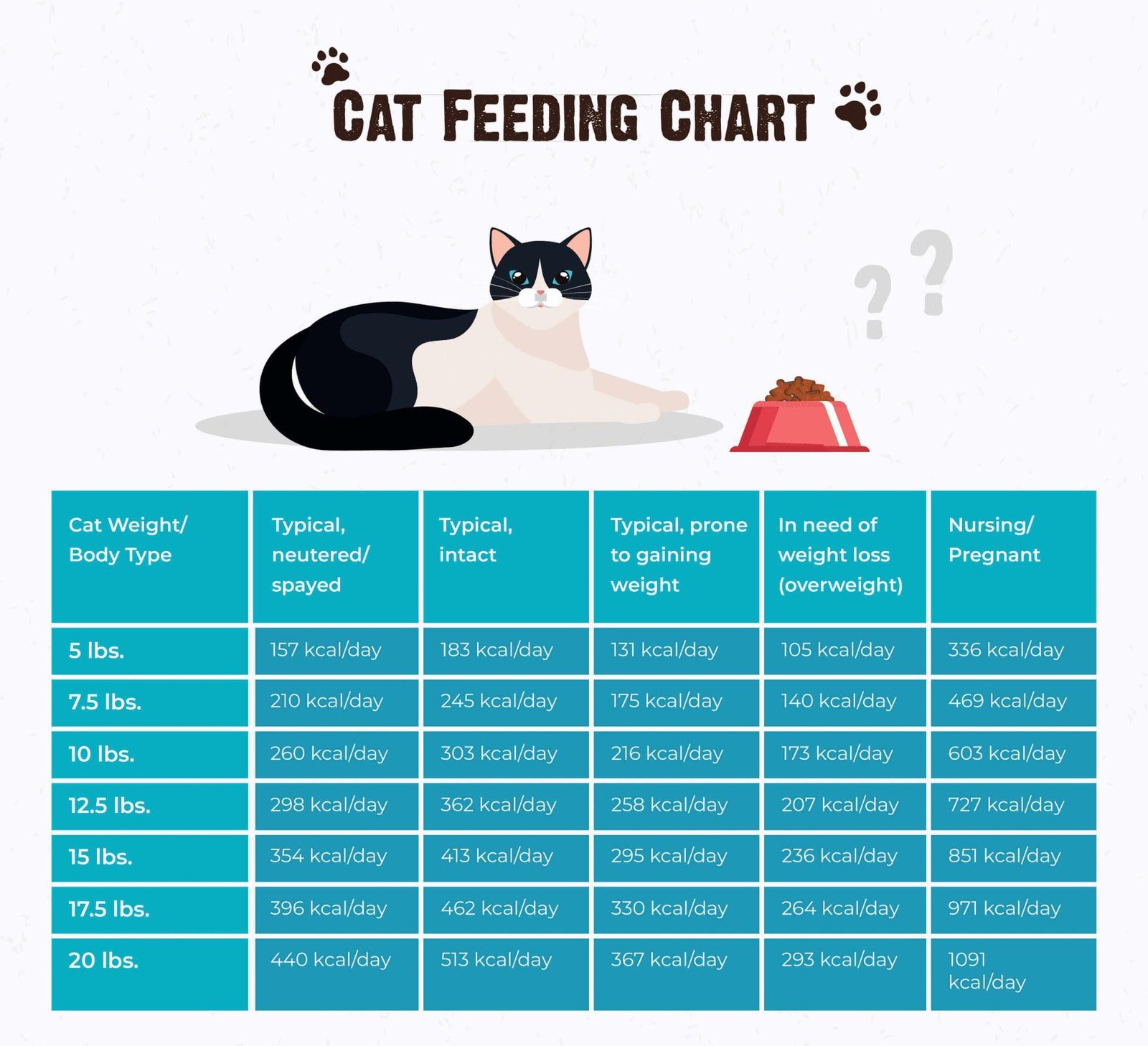
Start by checking the feeding guidelines on your cat’s food package. These guidelines suggest daily calories based on your cat’s weight and age. Use a kitchen scale or measuring cup to portion meals precisely. Divide the daily amount into two or three meals per day for better digestion.
Keep a feeding log to track how much your cat eats. Watch for changes in appetite or weight to adjust portions as needed. Consistency in portion size helps your cat’s metabolism stay balanced.
Adjusting Portions For Weight
Monitor your cat’s weight regularly using a simple home scale or at the vet. If your cat gains weight, reduce portions slightly to avoid obesity. If your cat loses weight, increase portions gradually to support healthy growth.
Consider activity level and age when adjusting portions. Active cats burn more calories and may need more food. Older cats may require fewer calories but nutrient-dense food. Adjust portions carefully to match your cat’s lifestyle and health needs.
Credit: companion-vets.com
Diet Types And Feeding
Choosing the right diet for your cat affects how often you should feed them. Different types of food digest at different speeds and provide varying amounts of moisture and nutrients. Understanding these differences helps you set a feeding schedule that keeps your cat healthy and satisfied.
Wet Food Feeding Frequency
Wet food contains high moisture, which helps keep your cat hydrated. Because it digests quickly, feeding your cat two to three small meals per day works well. This approach prevents hunger and keeps energy levels steady throughout the day.
My cat once seemed restless between meals on wet food alone. Splitting her daily portion into three smaller servings made a noticeable difference in her mood and activity.
Dry Food Feeding Frequency
Dry food is more calorie-dense and stays in the stomach longer than wet food. Many cat owners find free-feeding dry kibble convenient, but this can lead to overeating. Offering two measured meals daily helps control portions and maintain a healthy weight.
Think about your cat’s activity level and age when deciding on dry food feeding times. Younger, active cats may need more frequent meals than older or less active ones.
Mixed Diet Approaches
Combining wet and dry food can give your cat the best of both worlds. You might feed wet food once or twice a day and leave dry food available for nibbling between meals. This method supports hydration and allows your cat to self-regulate their dry food intake.
Have you noticed your cat’s preference for one type over the other? Mixing diets can also add variety and prevent mealtime boredom.
Signs Of Overfeeding Or Underfeeding
Knowing the signs of overfeeding or underfeeding is key to keeping your cat healthy. Cats that eat too much or too little show clear signals. Spotting these signs early helps adjust their feeding routine. It ensures your cat feels good and stays active.
Weight Changes
Weight gain can mean your cat eats too much. Overfed cats often become overweight or obese. This adds stress on their heart and joints. On the other hand, weight loss may show your cat lacks enough food. Sudden or steady weight loss is a red flag. It might also signal health problems needing vet attention.
Behavioral Clues
Overfed cats may act lazy or less playful. They often sleep more and move less. They might beg for food even after eating. Underfed cats seem restless and hungry all the time. They may meow loudly or pace around. Sometimes, they try to find food elsewhere. Watch your cat's mood and energy for clues.

Credit: meowbreeds.com
Special Considerations
Special considerations affect how often you should feed your cat. Cats with unique needs require tailored feeding schedules. Their health or life stage changes their diet demands. Understanding these factors helps maintain your cat’s well-being.
Health Conditions
Cats with health problems need special feeding routines. Diabetes, kidney disease, or obesity affect feeding frequency. Small, frequent meals may help control blood sugar. Kidney issues might require low-protein diets given in divided meals. Obese cats benefit from controlled portions and fewer treats. Always follow your vet’s advice on feeding times and amounts.
Pregnant And Nursing Cats
Pregnant and nursing cats need more calories and nutrients. They usually eat more often to support their kittens. Feeding them three to four small meals daily works well. Provide high-quality, nutrient-rich food designed for mothers. Keep fresh water available at all times. Monitor their weight to avoid overfeeding or underfeeding during this stage.
Tips For Feeding Picky Eaters
Feeding a picky cat can test your patience and creativity. Cats often develop strong preferences, making mealtime a challenge for you both. Understanding how to approach their selective eating can improve their nutrition and your peace of mind.
Meal Timing Strategies
Try feeding your cat at consistent times each day. Cats thrive on routine, and regular meal times can encourage them to eat more willingly.
Limit the feeding window to 20-30 minutes, then remove the food. This helps your cat learn to eat when food is available instead of grazing all day.
Observe if your cat prefers multiple small meals or fewer larger ones. Adjusting the frequency can sometimes unlock better eating habits.
Food Variety Options
Offer different textures such as pate, chunks in gravy, or dry kibble to find what excites your cat's palate. Variety can stimulate appetite and prevent boredom.
Introduce new flavors gradually, mixing a small amount of new food with their favorite dish. Sudden changes can cause rejection, but slow introduction often works better.
Consider warming wet food slightly to enhance aroma and appeal. A warmer meal can mimic the smell of freshly caught prey, which some cats find irresistible.

Credit: www.youtube.com
Frequently Asked Questions
How Often Should Adult Cats Be Fed Daily?
Adult cats typically require two meals per day. Feeding twice helps maintain stable energy and weight. Consistent meal times support healthy digestion and behavior. Avoid free-feeding to prevent overeating and obesity. Consult your vet for personalized feeding schedules.
Is It Necessary To Feed Kittens More Frequently?
Yes, kittens need more frequent meals. They usually eat three to four times daily. Frequent feeding supports their rapid growth and high energy needs. Gradually reduce meal frequency as they mature. Always provide fresh water alongside meals.
Can Feeding Frequency Affect A Cat’s Health?
Feeding frequency directly impacts a cat’s health. Regular meals prevent hunger-related stress and digestive issues. Overfeeding or irregular feeding can cause obesity or malnutrition. Balanced meal timing promotes optimal metabolism and energy levels. Tailor feeding habits to your cat’s lifestyle and health.
Should Feeding Times Differ For Indoor Vs Outdoor Cats?
Indoor and outdoor cats may need different feeding routines. Outdoor cats often require more frequent meals due to higher activity. Indoor cats usually thrive on two scheduled meals daily. Adjust feeding based on your cat’s energy expenditure and environment. Always monitor weight and health regularly.
Conclusion
Feeding your cat the right amount keeps them healthy and happy. Most cats do well with two meals a day. Kittens need more frequent feeding to grow strong. Watch your cat’s weight and energy to adjust portions. Fresh water is important with every meal.
Consistency helps your cat feel secure and cared for. Feeding time also builds a strong bond between you and your pet. Small changes can make a big difference in your cat’s health. Trust your cat’s needs and enjoy every meal together.