How often should you give your dog a bath? It’s a question many pet owners ask but rarely get a clear answer to.
You want your furry friend to stay clean and healthy, but too many baths can dry out their skin. Too few, and they might start to smell or develop skin problems. Finding the right balance can be tricky, but knowing the ideal bath routine can make a big difference for your dog’s comfort and well-being.
Keep reading to discover the best bathing schedule tailored just for your dog’s needs.
Bathing Frequency Basics
Bathing a dog is an essential part of pet care. It helps keep their coat clean and skin healthy. The right frequency varies by dog. Some dogs need baths more often than others. Knowing the basics of bathing frequency helps keep your dog comfortable and clean.
Factors Influencing Bathing Needs
Several factors affect how often a dog should be bathed. Activity level plays a big role. Dogs that spend a lot of time outside get dirtier. Dogs with allergies or skin problems might need special baths. The type of shampoo and water quality can also impact skin health. Each dog’s lifestyle and needs differ.
Breed And Coat Type Impact
Coat type is important in bathing frequency. Dogs with oily coats may need baths more often. Dry-coated dogs can be bathed less frequently to avoid skin dryness. Long-haired breeds may require more grooming but fewer baths. Short-haired dogs often need baths more regularly. Breed traits affect how skin and fur react to water and shampoo.
Age And Health Considerations
Age affects how often to bathe a dog. Puppies have sensitive skin and need gentle care. Older dogs might have skin issues that require careful bathing. Dogs with health problems may need special shampoos or baths. Always check with a vet for dogs with medical concerns. Bathing should support, not harm, your dog’s health.

Credit: parade.com
Signs Your Dog Needs A Bath
Knowing when your dog needs a bath is important for their health and comfort. Dogs don’t need baths every day, but some signs show it’s time to wash them. Watch for changes in how your dog looks, feels, and acts. These clues help keep your dog clean and happy.
Odor And Dirt Buildup
Strong smells from your dog’s coat mean dirt and oils have built up. Dirt can stick to fur after outdoor play or walks. A bath removes grime and freshens your dog’s scent. Look for visible dirt, mud, or oily patches on their fur. These signs show it’s time for a wash.
Skin Irritations And Allergies
Scratching, redness, or flaky skin can mean your dog needs a bath. Allergies or irritants cause discomfort and itching. A gentle bath with the right shampoo soothes skin and removes allergens. Keep an eye out for rashes or bald spots too. These issues call for a cleaning to help your dog feel better.
Behavioral Indicators
Your dog’s behavior can hint at the need for a bath. Restlessness or frequent scratching shows discomfort. Rolling on the floor or rubbing against furniture may mean your dog wants relief. Changes in mood, like irritability, can also occur. Paying attention to these signs helps you decide when to bathe your dog.
Risks Of Overbathing
Giving your dog a bath is important for keeping them clean and healthy. However, bathing too often can cause more harm than good. Understanding the risks of overbathing helps you find the right balance for your furry friend’s hygiene.
Dry Skin And Irritation
Bathing your dog too frequently can dry out their skin. The water and shampoo strip away moisture, leaving the skin flaky and itchy. If you notice your dog scratching more or developing red patches, it might be time to reduce bath frequency.
Stripping Natural Oils
Your dog’s skin produces natural oils that protect their coat and skin. Overbathing removes these oils, making the coat dull and brittle. This loss of natural protection can also make your dog more prone to infections.
Increased Sensitivity
Too many baths can make your dog’s skin sensitive to environmental factors like pollen and dust. This sensitivity can lead to allergic reactions and discomfort. Ask yourself: Is your dog showing signs of skin sensitivity after baths?
Ideal Bathing Schedule
Finding the ideal bathing schedule for your dog can be tricky. Bathing too often can dry out their skin, while too few baths might leave them uncomfortable or smelly. Understanding the right frequency helps keep your dog healthy and happy without overdoing it.
General Guidelines For Most Dogs
Most dogs benefit from a bath every 4 to 6 weeks. This frequency helps remove dirt, oils, and odors without stripping natural skin oils. If your dog has a normal coat and skin, sticking to this schedule usually works well.
Consider your dog's lifestyle and environment. Dogs living mostly indoors with little outdoor activity may need fewer baths. You might also spot signs like a noticeable odor or greasy fur that signal it's time for a wash.
Adjustments For Active Dogs
Dogs that spend a lot of time outdoors, swimming, or rolling in dirt may need baths more often. Weekly or biweekly baths could be necessary to keep them clean and comfortable. Pay attention to how your dog's coat feels and smells after outdoor adventures.
However, frequent bathing can dry out your dog’s skin. Use a gentle, moisturizing shampoo and consider spot cleaning between full baths. Have you noticed how some shampoos help retain moisture better? That can make a big difference.
Special Cases: Puppies And Seniors
Puppies require a gentler approach. Bathing them once a month is usually enough unless they get particularly dirty. Their skin is sensitive, so avoid harsh shampoos and keep baths short and calm.
Senior dogs may need less frequent baths due to thinner, drier skin. But if they have mobility issues, a bath might also help soothe discomfort or manage skin conditions. Always consult your vet about the best routine for your aging friend.
Choosing The Right Shampoo
Choosing the right shampoo for your dog is more than just picking a pleasant scent. It directly affects your pet’s skin health, coat condition, and overall comfort during bath time. Knowing what to look for can save you from skin irritations and make your dog’s fur shine.
Types Of Dog Shampoos
There are several types of shampoos designed for different needs:
- Hypoallergenic shampoos:Great for dogs with sensitive skin or allergies.
- Medicated shampoos:Help treat skin infections, fleas, or other conditions.
- Deodorizing shampoos:Focus on neutralizing strong odors.
- Oatmeal shampoos:Soothe itchy and dry skin effectively.
Understanding your dog’s specific needs will help you choose the most suitable type.
Ingredients To Avoid
Not all dog shampoos are created equal. Some contain harsh chemicals that can harm your dog’s skin or coat.
- Parabens and sulfates:These can strip natural oils and cause dryness.
- Artificial fragrances and dyes:May trigger allergic reactions.
- Phthalates:Linked to health concerns and best avoided.
Always check the label and skip shampoos with these ingredients to protect your dog’s skin.
Homemade Vs. Commercial Products
Making your own dog shampoo might seem like a natural and safe option. However, homemade recipes may lack essential nutrients or the right pH balance for your dog’s skin.
Commercial shampoos are formulated to meet specific needs, often including ingredients tested for safety and effectiveness. But beware of low-quality products that use harmful additives.
Which do you trust more for your dog’s care: a homemade mix or a professionally made shampoo? Consider your dog’s skin sensitivity and your comfort in selecting or mixing products.

Credit: lakecityanimalhospital.com
Bathing Tips For A Positive Experience
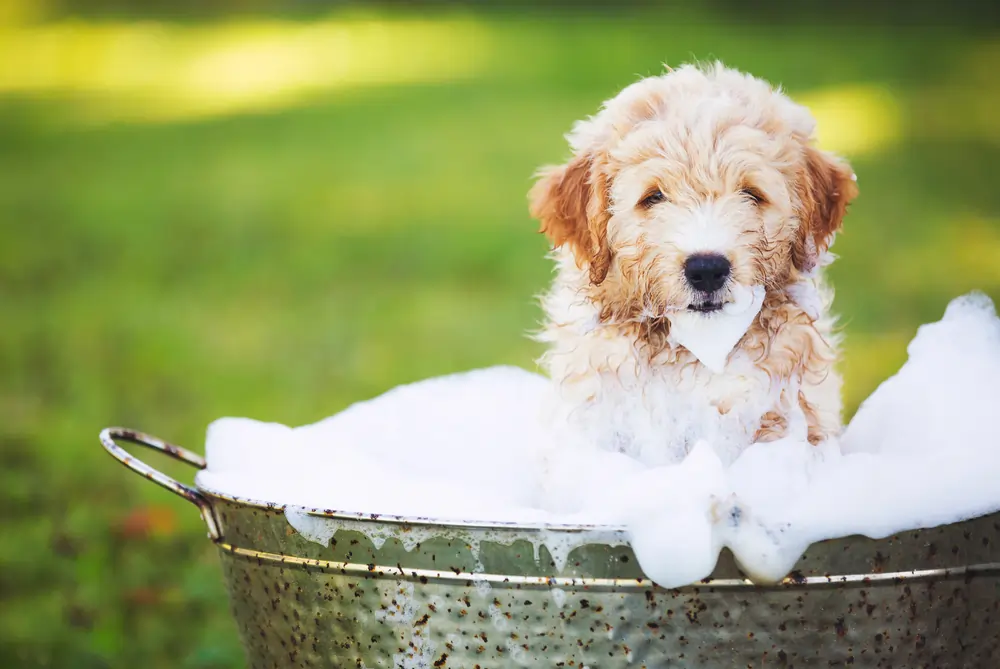
Bath time can be a fun and relaxing moment for your dog. Creating a calm and positive experience helps your dog enjoy baths more. Preparation, gentle handling, and proper care after the bath are key to success.
Preparing Your Dog
- Brush your dog’s coat to remove loose fur and tangles.
- Choose a quiet place with warm water and good drainage.
- Gather all supplies like shampoo, towels, and a cup for rinsing.
- Talk softly to your dog to keep them calm and comfortable.
- Use a non-slip mat to prevent slipping during the bath.
Proper Bathing Techniques
- Wet your dog’s coat slowly, avoiding the eyes and ears.
- Use dog-friendly shampoo and massage gently into the fur.
- Rinse thoroughly to remove all shampoo residue.
- Keep water temperature lukewarm to avoid discomfort.
- Speak calmly to reassure your dog throughout the bath.
Drying And Post-bath Care
- Use a soft towel to pat your dog dry carefully.
- Avoid vigorous rubbing that may irritate the skin.
- If using a blow dryer, set it on low and keep it far away.
- Brush the coat again to prevent tangles and matting.
- Offer treats and praise to create a positive association.
When To Consult A Veterinarian
Knowing when to consult a veterinarian about your dog’s bathing routine is crucial. Sometimes, frequent baths might not solve underlying health problems. Identifying signs that require professional advice can save your dog discomfort and prevent worsening conditions.
Persistent Skin Issues
If your dog’s skin remains irritated, flaky, or red even after regular baths, it’s a sign to see a vet. Persistent itching or sores can indicate infections or parasites that need medical treatment. Don’t ignore these symptoms, as delaying care can lead to more serious problems.
Allergic Reactions
Notice if your dog develops rashes, swelling, or excessive scratching after baths. These could be allergic reactions to shampoo or environmental factors. A vet can recommend hypoallergenic products or treatments to ease your dog’s discomfort safely.
Special Medical Conditions
Dogs with conditions like eczema, dermatitis, or hormonal imbalances often require tailored bathing schedules. Your vet can guide you on the right bath frequency and products to avoid aggravating these issues. Have you checked if your dog’s health needs affect how often it should be bathed?

Credit: perfectpetinsurance.co.uk
Frequently Asked Questions
How Often Should I Bathe My Dog?
Most dogs need a bath every 1 to 3 months. Bathing too often can dry their skin. Active or smelly dogs may need more frequent baths. Always consider your dog's breed, lifestyle, and skin condition when deciding bath frequency.
Can Bathing Too Much Harm My Dog’s Skin?
Yes, frequent bathing can strip natural oils. This leads to dry, itchy, and irritated skin. Use gentle, dog-specific shampoos to protect their skin. Consult your vet if you notice redness or excessive dryness after baths.
What Factors Affect How Often To Bathe Dogs?
Breed, coat type, activity level, and skin health affect bathing needs. Dogs with oily coats or outdoor lifestyles may need more baths. Short-haired breeds typically require fewer baths than long-haired ones. Always adjust based on your dog's unique needs.
Should Puppies Be Bathed Differently Than Adult Dogs?
Puppies require gentler care and less frequent baths. Use mild, puppy-formulated shampoos to avoid irritation. Bathing too often can harm their developing skin. Always wait until after their first vaccinations before giving a full bath.
Conclusion
Finding the right bath frequency for your dog is essential. It depends on their breed, lifestyle, and health. Some dogs need baths monthly. Others, less often. Always use gentle dog shampoo. Human products can irritate their skin. Regular grooming helps reduce bath frequency.
Brushing removes dirt and loose fur. Keep an eye on their coat and smell. Adjust baths as needed. Clean dogs are happier and healthier. Consult your vet for specific advice. Tailor your dog's bath schedule for their needs. Your pup deserves the best care.
After all, they are family.