Are you wondering how often you should be deworming your furry friend? You're not alone.
Many pet owners grapple with this question, unsure of the best routine for their dogs. Worm infestations can be more than just a nuisance; they pose real health risks to your beloved pet. But don't worry. With the right information, you can keep your dog healthy and happy.
In this post, we'll uncover the ideal deworming schedule, helping you ensure your pet is always protected. Stay with us to learn the simple steps you can take to prevent these pesky parasites from affecting your dog's well-being. Your dog deserves the best care, and we're here to guide you every step of the way.
Why Deworming Matters
Deworming protects dogs from harmful parasites. Worms live inside a dog’s body and cause many health problems. Regular deworming keeps your dog healthy and happy. It helps stop worms from spreading to other pets or people. Understanding why deworming matters helps pet owners take better care of their dogs.
Common Dog Worms
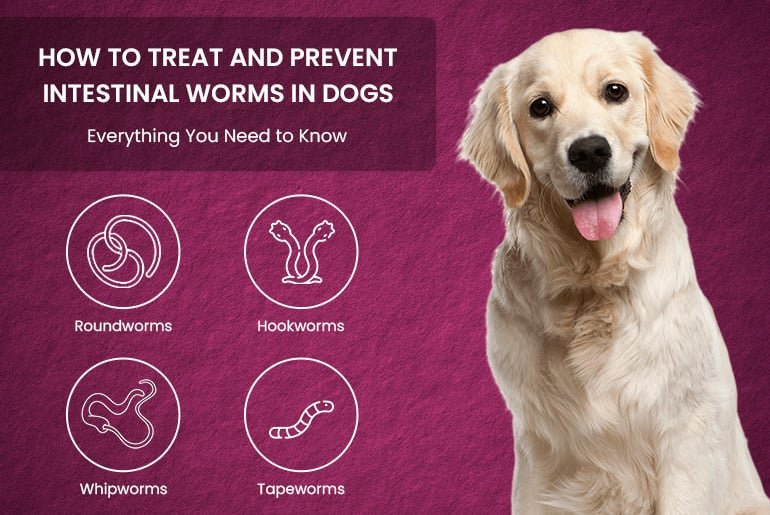
- Roundworms: These worms are long and thin, often found in puppies.
- Hookworms: They attach to the intestines and feed on blood.
- Tapeworms: Flat, segmented worms that live in the intestines.
- Whipworms: Thin worms that cause irritation in the large intestine.
- Heartworms: Dangerous worms that live in the heart and lungs.
Health Risks Of Worms
Worms cause digestive problems, weight loss, and weakness. They can lead to anemia or severe infections. Some worms block the intestines, causing pain or vomiting. Heartworms can damage the heart and lungs. Untreated worms reduce a dog’s life quality and lifespan.
Signs Your Dog Needs Deworming
- Visible worms in stool or around the anus.
- Frequent vomiting or diarrhea.
- Loss of appetite or weight loss.
- Swollen belly or bloating.
- Lethargy or weakness.

Credit: www.reddit.com
Deworming Frequency
Deworming frequency is key to keeping your dog healthy and free from parasites. Understanding when and how often to deworm can save your furry friend from discomfort and serious health issues. The timing depends heavily on your dog’s age, lifestyle, and specific health needs.
Puppy Deworming Schedule
Puppies require more frequent deworming because they are more vulnerable to parasites. Typically, you should start deworming at 2 weeks of age and repeat every 2 weeks until they are 8 weeks old.
After that, a monthly dose until 6 months old is recommended. This schedule helps eliminate worms they might have picked up from their mother or environment early on.
Have you noticed how quickly puppies can get sick? Regular deworming during this critical stage protects their developing immune systems.
Adult Dog Deworming Routine
For adult dogs, the frequency slows down but doesn’t stop. Most vets recommend deworming every 3 to 6 months depending on your dog’s lifestyle.
If your dog spends a lot of time outdoors or hunts, more frequent treatment might be necessary. Indoor dogs with limited exposure might need less frequent doses.
Think about your dog’s daily activities. Could they have contact with other animals or contaminated soil? This helps decide how often to deworm.
Special Cases And Adjustments
Some dogs need customized deworming plans. Pregnant or nursing dogs, for example, require special care to protect both mom and puppies.
Dogs with weakened immune systems or chronic illnesses might also need a different schedule. Always consult your vet for these cases to avoid complications.
Have you ever adjusted your dog’s deworming routine based on their health or environment? Tailoring the plan is often necessary to keep them safe.
Choosing Deworming Products
Choosing the right deworming product for your dog can feel overwhelming. With so many options available, how do you decide what works best for your pet’s health and lifestyle? Understanding the types of dewormers, whether you need a prescription, and the role of natural alternatives can help you make informed choices.
Types Of Dewormers
Dewormers target different kinds of worms like roundworms, tapeworms, and hookworms. Some products are broad-spectrum, meaning they work against multiple types of parasites at once. Others are specific, so it’s important to know what kind of worms your dog might have.
Many dewormers come in various forms such as tablets, chewables, liquids, or topical treatments. Your dog’s preference and ease of administration can influence which product you choose. Have you noticed your dog resisting pills? A chewable might be a better fit.
Prescription Vs. Over-the-counter
Prescription dewormers usually contain stronger or more targeted ingredients. Your vet can diagnose the specific worm infection and recommend the most effective treatment. This tailored approach often leads to better results, especially for stubborn or severe cases.
Over-the-counter options offer convenience and can be suitable for routine deworming or prevention. However, they might not cover all worm types or may require more frequent dosing. Ask yourself if you want quick access or a customized solution for your dog’s parasite control.
Natural Alternatives
Some dog owners prefer natural remedies like pumpkin seeds, diatomaceous earth, or herbal supplements. These can sometimes support parasite control but rarely replace conventional dewormers. It’s crucial to research and discuss with your vet before relying solely on natural methods.
Natural products may have fewer side effects but can also be less effective in clearing infections. Could combining a natural approach with conventional treatment provide a balanced solution for your dog’s health? Your dog’s safety and comfort should always guide your choice.

Credit: www.canadapetcare.com
Administering Dewormers
Administering dewormers to your dog is an essential part of keeping them healthy and free from parasites. The way you give these medications can impact how effective they are. Understanding the different forms and how to handle them helps you keep your dog comfortable and ensures the treatment works well.
Oral Medications
Oral dewormers come in tablets, chewables, or liquid form. They are often flavored to make them more appealing to dogs. Some dogs take them easily, while others might resist swallowing pills.
Giving a pill can be tricky, but hiding it in a small piece of cheese or meat can help. Liquids allow precise dosing but might require a syringe for easy administration. Always check the label for dosage instructions based on your dog's weight.
Topical Treatments
Topical dewormers are applied directly to your dog’s skin, usually between the shoulder blades. This method is less stressful for dogs who dislike pills or liquids. The medication absorbs through the skin and enters the bloodstream to target parasites.
Make sure to apply it on dry skin and prevent your dog from licking the area until it’s fully absorbed. This way, the treatment stays effective and reduces the risk of ingestion. Have you noticed your dog reacting differently to topical versus oral treatments?
Tips For Easy Administration
- Stay calm and confident:Dogs can sense your feelings, so a calm approach helps them stay relaxed.
- Use treats and positive reinforcement:Reward your dog immediately after giving medication to create a positive experience.
- Practice gentle restraint:Holding your dog gently but firmly can prevent sudden movements during administration.
- Break pills into smaller pieces:If allowed, smaller pieces are easier to hide in food.
- Ask your vet for flavored options:Some medications come in flavors dogs prefer, making the process smoother.
Have you tried any creative tricks that worked well for your dog? Sharing those can help others facing the same challenge.
Preventing Worm Infestations
Preventing worm infestations in dogs is essential for their health and happiness. Worms can cause serious problems like weight loss, vomiting, and diarrhea. Taking simple steps at home helps keep your dog safe from these parasites. Regular care and attention reduce the chance of worms returning.
Hygiene And Cleanliness
Clean your dog's living area often. Remove feces quickly to stop worm eggs from spreading. Wash your dog's bedding regularly. Keep food and water bowls clean to avoid contamination. Bathe your dog to reduce fleas, which can carry worms.
Regular Vet Checkups
Visit the vet for regular health checks. Vets can detect worms early with stool tests. Deworming medicine may be given as a preventive measure. Follow the vet’s advice on how often to deworm your dog. Early detection helps prevent serious health issues.
Environmental Control
Keep your yard free of waste and debris. Avoid letting your dog eat wild animals or garbage. Control fleas and ticks with vet-approved products. Prevent access to areas with heavy parasite presence. Clean outdoor spaces regularly to reduce infection risk.

Credit: www.reddit.com
When To Seek Veterinary Help
Knowing when to seek veterinary help during your dog's deworming process is crucial. Sometimes, symptoms may not clear up as expected, or your pet might react poorly to the medication. Recognizing these signs early can prevent complications and ensure your dog stays healthy.
Persistent Symptoms
If your dog continues to show signs like vomiting, diarrhea, weight loss, or lethargy after deworming, it's a clear signal to consult your vet. These symptoms could mean the worms are still present or your dog might have another underlying health issue.
Don't wait for symptoms to worsen. Your vet can perform tests to identify the exact problem and recommend the right treatment. Have you noticed your dog acting unusual even after treatment?
Side Effects Of Dewormers
While dewormers are generally safe, some dogs may experience side effects such as nausea, loss of appetite, or mild diarrhea. These usually pass quickly, but if they persist or become severe, it's time to get professional advice.
Keep a close eye on your dog after giving medication. If you spot anything worrying, like excessive drooling, shaking, or difficulty breathing, contact your vet immediately. Have you observed unexpected reactions after deworming?
Emergency Situations
Certain signs require urgent veterinary attention. Severe vomiting, bloody diarrhea, seizures, or collapse are emergencies. These could indicate a serious reaction to the medication or a heavy worm infestation causing complications.
In such cases, do not attempt home remedies. Take your dog to the nearest emergency vet clinic right away. Are you prepared to act fast if your dog shows these critical symptoms?
Frequently Asked Questions
1. How Often Should I Deworm My Dog?
Deworming frequency depends on factors like age, health, and lifestyle. Typically, puppies need deworming every 2 weeks until 12 weeks old, while adult dogs may require deworming every 3-6 months, or as prescribed by a veterinarian.
2. Can I Deworm My Dog Too Frequently?
Yes, deworming your dog too frequently can lead to resistance and reduced effectiveness. Overdeworming can also cause adverse reactions and harm your dog's health. Always consult with a veterinarian for personalized deworming schedules and advice.
3. What Age Do Puppies Need Deworming?
Puppies typically need deworming at 2, 4, 6, and 8 weeks old, and again at 12 weeks old. This helps eliminate internal parasites and prevent potential health issues. Consult with a veterinarian to determine the best deworming schedule for your puppy.
4. How Do I Know If My Dog Needs Deworming?
Look for signs like diarrhea, vomiting, weight loss, and lethargy. Regular fecal exams can also detect internal parasites. Consult with a veterinarian if you suspect your dog has worms or is showing any symptoms.
Conclusion
Deworming your dog keeps them healthy and happy. Most dogs need deworming every three to six months. Puppies require more frequent treatments. Always follow your vet’s advice for the best schedule. Regular checks help catch worms early. Clean living spaces reduce infection risks.
Healthy dogs mean fewer vet visits and less worry. Keep your dog protected with proper care and routine. Simple steps make a big difference in your pet’s life. Stay consistent, and your dog will thank you with a wagging tail.