Have you ever found yourself wondering, "How many times do you feed a cat a day?" You’re not alone.
As a loving cat owner, you want to make sure your furry friend is happy and healthy. Feeding is a crucial part of that. But knowing the right amount and frequency can be a bit of a puzzle. In this blog post, we’ll unlock the secrets to creating the perfect feeding schedule for your cat.
Whether you’re a new cat parent or looking to refine your current routine, this guide will help you make informed decisions. Keep reading to discover how to keep your feline friend purring with satisfaction at meal times.

Credit: felinefancy.co.uk
Cat Feeding Basics
Feeding a cat properly is key to its health and happiness. Cats need the right amount of food at the right times. Understanding cat feeding basics helps you give your pet balanced nutrition. Cats have different needs than other pets. Their diet, age, and lifestyle shape how often they should eat. Knowing these basics sets a strong foundation for good care.
Nutritional Needs
Cats are obligate carnivores. They must eat animal proteins to stay healthy. Protein supports muscles, skin, and energy. Cats also need fats for energy and healthy fur. Vitamins and minerals keep their body systems working well. Water is vital too, as cats often don’t drink enough. Balanced food meets all these needs in every meal.
Age And Feeding Frequency
Kittens need more meals than adult cats. Their fast growth requires frequent feeding. Young kittens eat about 4 times a day. Older kittens shift to 3 meals daily. Adult cats do well with 2 meals per day. Senior cats may need smaller, more frequent meals. Age changes metabolism and energy needs.
Meal Types: Wet Vs Dry
Wet food contains more water, helping hydration. It is softer and easier to eat. Dry food is convenient and can help clean teeth. Many owners choose a mix of both types. Wet food usually has higher protein and fewer carbs. Dry food lasts longer and is less messy. Choosing the right type depends on your cat’s health and preference.
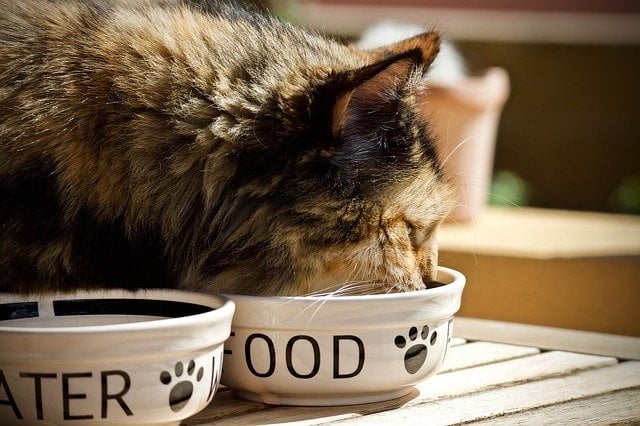
Credit: companion-vets.com
Feeding Schedules
Feeding schedules play a crucial role in your cat’s health and happiness. The number of times you feed your cat each day depends largely on their age and lifestyle. Adjusting the feeding routine can help maintain their energy levels and prevent overeating.
Kittens
Kittens need more frequent meals because they grow quickly and burn a lot of energy. Feeding them 3 to 4 times a day helps keep their blood sugar stable and supports healthy development.
I once noticed my kitten becoming restless and cranky when I tried feeding only twice a day. Increasing to four smaller meals made a huge difference in their mood and activity.
Stick to small portions and watch how your kitten responds to avoid overfeeding. Regular, spaced meals are key to setting a good habit early.
Adult Cats
Adult cats usually do well with two meals a day, spaced about 8 to 12 hours apart. This schedule fits most cats’ natural hunting instincts, replicating a morning and evening hunt.
Some cats prefer grazing throughout the day with free feeding, but this can lead to overeating and weight gain. If you notice your cat gaining weight, try switching to scheduled meals to control portions better.
Ask yourself: does your cat finish their meal quickly or leave food behind? This can help you decide if you need to adjust meal size or frequency.
Senior Cats
Senior cats may need smaller, more frequent meals to help with digestion and keep their energy up. Feeding them 3 times a day can prevent blood sugar dips and support their changing metabolism.
Older cats often develop dental or health issues that affect eating, so observe their behavior closely. You might need to soften food or change feeding times based on their comfort.
Think about your senior cat’s activity level and appetite daily. Are they eating all their meals? Adjust the schedule to meet their unique needs and keep them comfortable.
Portion Control
Portion control is key to feeding your cat the right amount of food. It helps maintain a healthy weight and prevents overeating. Cats have different needs based on age, size, and lifestyle. Feeding too much can lead to obesity and health issues. Feeding too little may cause malnutrition or low energy. Understanding portion control ensures your cat stays fit and happy.
Calculating Daily Intake
Start by checking your cat’s ideal weight and activity level. Use feeding guidelines on the cat food package as a base. These usually suggest calories or grams per day. Adjust amounts based on your cat’s body condition and age. Kittens need more calories per pound than adult cats. Use a kitchen scale for accuracy when measuring food.
Adjusting Portions By Activity Level
Active cats burn more energy and need larger portions. Indoor cats tend to be less active and need smaller portions. Older cats may require fewer calories due to lower activity. Watch your cat’s behavior and weight to decide if portions need changing. Exercise or playtime can increase appetite and food needs. Tailor feeding amounts to match daily activity levels.
Recognizing Overfeeding Signs
Weight gain is a clear sign of overfeeding. Your cat’s waist should be visible but not too thin. Excess food may cause lethargy or digestive issues. Look for begging or constant hunger, which may mean feeding too often. Monitor stool quality; loose stools can indicate too much food. Adjust portions promptly to avoid obesity and health problems.

Credit: pet-supermarket.co.uk
Special Considerations
Feeding your cat isn’t always as simple as setting out a bowl twice a day. Special considerations can change how often and what you feed your feline friend. Paying attention to these details helps keep your cat healthy and happy.
Health Conditions And Diet
Some cats have specific health issues that affect their feeding schedule. Cats with diabetes may need smaller, more frequent meals to keep their blood sugar steady. Kidney disease or allergies could require a special diet that your vet recommends.
Have you noticed your cat losing weight or acting lethargic? These signs might mean you need to adjust their feeding routine or food type. Always consult your vet before making changes if your cat has health problems.
Feeding Multiple Cats
Feeding more than one cat in the same household can be tricky. Some cats eat faster and may steal others’ food. To prevent this, try feeding them in separate areas or at different times.
Watch how your cats behave during meal times. If one is dominating the food, it might be time to rethink your feeding strategy. You want to make sure every cat gets the right amount of food without stress or competition.
Free Feeding Vs Scheduled Meals
Free feeding means leaving food out all day, while scheduled meals involve feeding at set times. Free feeding works for cats who self-regulate their eating, but it can lead to overeating in some.
Scheduled meals help you control portion sizes and monitor your cat’s appetite. If your cat’s weight is a concern or they have health issues, scheduled feeding might be better. Which approach fits your lifestyle and your cat’s needs?
Tips For Successful Feeding
Feeding your cat successfully goes beyond just filling their bowl. It involves creating habits that support their health and happiness. Paying attention to how and when you feed can make a big difference in your cat’s well-being.
Creating A Routine
Cats thrive on consistency, so setting specific feeding times helps regulate their digestion and behavior. Try to feed your cat at the same times every day to build a predictable routine.
Think about your daily schedule—when are you usually home and able to feed your cat? Align feeding times with those moments to avoid missed meals and stress for both of you.
Monitoring Eating Habits
Watch how much your cat eats at each meal. Sudden changes in appetite can signal health issues or stress. Keep a simple log if needed, noting food intake and any unusual behaviors.
If your cat consistently leaves food behind or finishes too quickly, ask yourself if portion sizes need adjusting or if the food might not be appealing enough. What signs is your cat giving you about their feeding satisfaction?
Choosing Quality Cat Food
Not all cat foods are created equal. Look for products with real meat listed as the first ingredient and avoid those heavy in fillers like corn or wheat.
Try different brands or flavors if your cat seems uninterested. Remember, better nutrition often leads to better energy and fewer vet visits. What’s in your cat’s bowl right now?
Frequently Asked Questions
How Many Times Should I Feed My Cat Daily?
Most adult cats do well with two meals a day. Kittens need 3-4 smaller meals. Feeding schedule depends on age and health.
Can I Free-feed My Cat Instead Of Scheduled Meals?
Free-feeding can lead to overeating and obesity. Scheduled meals help control portions and maintain healthy weight.
What Is The Best Time To Feed A Cat?
Feed cats morning and evening at consistent times. Regular feeding helps regulate digestion and prevents begging.
Should I Adjust Feeding Frequency For Older Cats?
Older cats may need fewer calories but the same meal frequency. Consult your vet for personalized advice.
Conclusion
Feeding your cat the right number of times keeps them healthy and happy. Most cats do well with two meals a day. Kittens need more, often three to four small meals. Watch your cat’s weight and energy to adjust feeding.
Fresh water should always be available. Consistency matters. Feeding at regular times helps your cat feel secure. Remember, each cat is different. Talk to your vet for personalized advice. Simple steps make a big difference in your cat’s life. Caring for your cat’s diet shows your love and attention.