Are you sure you’re feeding your dog the right amount each day? Knowing how many times to feed your dog can make a big difference in their health and happiness.
Too much or too little food can lead to problems you don’t want to face. You’ll discover the simple feeding schedule that suits your dog’s age, size, and lifestyle. Keep reading to learn how to keep your furry friend healthy and full of energy every day.
Puppy Feeding Frequency
Puppies need more frequent feeding than adult dogs. Their small stomachs cannot hold large meals. Frequent feeding supports their fast growth and high energy. Feeding them the right amount at the right times helps keep them healthy.
Feeding Schedule By Age
Newborn puppies eat every two to three hours. At three to four weeks, feed them four times daily. Between six and twelve weeks, offer meals three to four times a day. After three months, reduce to three meals daily. Around six months, puppies can eat twice daily.
Portion Sizes For Puppies
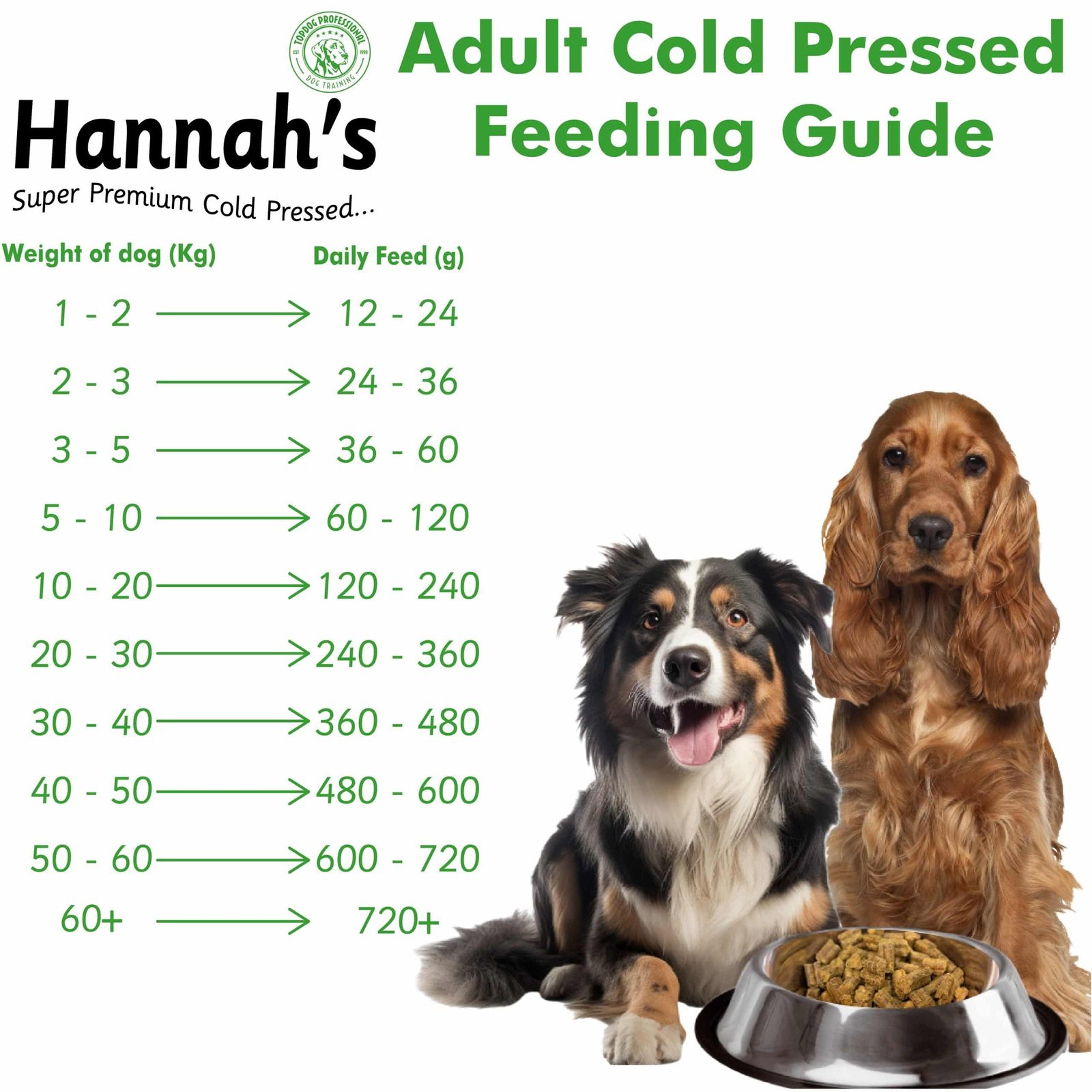
Portion size depends on the puppy’s age, weight, and breed. Use feeding guidelines on the puppy food package. Measure meals with a cup or scale. Avoid overfeeding; watch for weight gain. Adjust portions if the puppy seems hungry or too full.
Transitioning To Adult Food
Begin switching to adult food around one year old. Mix adult food with puppy food over 7-10 days. Gradually increase adult food, reducing puppy food. Monitor your dog's digestion during the change. Feeding adult food twice a day is typical after transition.
Adult Dog Feeding Routine
Creating a consistent feeding routine for your adult dog is key to their health and happiness. The right schedule helps regulate their digestion, energy levels, and overall well-being. How often you feed your dog depends on several factors, including their size, breed, and lifestyle.
Ideal Number Of Meals
Most adult dogs do well with two meals a day—once in the morning and once in the evening. This spacing helps keep their metabolism steady and prevents hunger-related behavior issues.
Some dogs may thrive on a single meal, but feeding twice reduces the risk of bloating, especially in larger breeds. If you notice your dog begging between meals, it might be time to adjust portion sizes rather than the number of feedings.
Balancing Nutritional Needs
Your dog’s meals should cover all essential nutrients without overfeeding. Focus on high-quality proteins, healthy fats, and the right balance of carbohydrates.
Adding fresh vegetables or supplements can boost nutrition, but be cautious with quantities. Too many treats or extras can throw off their diet and lead to weight gain.
Adjusting For Activity Levels
Think about how active your dog is throughout the day. A highly active dog may need more calories or an extra small meal to maintain energy.
Conversely, a less active or senior dog might benefit from smaller meals to avoid unnecessary weight gain. Have you noticed changes in your dog’s activity? Adjusting feeding times and portions can make a big difference in their vitality.
Senior Dog Feeding Tips
Feeding a senior dog requires extra care and attention. Older dogs have different needs than younger ones. Their bodies change, and so does their appetite. Adjusting their feeding habits can help keep them healthy and happy in their golden years.
Changes In Appetite
Senior dogs may eat less than before. Their sense of smell and taste can weaken. This change can make food less appealing. Illness or dental problems can also reduce appetite. Watch for signs of sudden eating changes. Small, frequent meals may encourage better intake.
Special Dietary Requirements
Older dogs need diets that support joint health and digestion. Protein levels should be moderate to protect kidneys. Omega-3 fatty acids help reduce inflammation. Fiber aids in digestion and prevents constipation. Consult your vet for the best food choices.
Meal Timing Adjustments
Senior dogs may benefit from multiple smaller meals daily. This helps with digestion and energy levels. Avoid feeding large meals late at night. Consistent meal times support their routine and well-being. Observe your dog and adjust feeding times as needed.
Credit: wefeedraw.com
Factors Affecting Feeding Frequency
Feeding your dog the right number of times depends on many factors. Each dog is unique, so feeding schedules should match their needs. Understanding these factors helps you create a balanced routine for your pet.
Breed And Size Considerations
Small breeds usually have faster metabolisms. They need more frequent meals to keep energy steady. Large breeds digest food slower and may eat less often. Puppies need many small meals to support growth. Adult dogs often do well with two meals daily. Older dogs might require fewer or smaller meals.
Health Conditions Impact
Dogs with certain health problems need special feeding plans. Diabetes requires consistent meal times to manage blood sugar. Dogs with digestive issues benefit from smaller, frequent meals. Overweight dogs often need controlled portions and fewer meals. Always follow your vet’s advice for health-related feeding.
Lifestyle And Environment
Active dogs burn more calories and may need more food. Working or sporting dogs often eat three or more times a day. Less active dogs may do fine with one or two meals. Stress or changes in environment can affect appetite. Keep feeding routines stable to help dogs feel secure.
Common Feeding Mistakes
Feeding your dog may seem straightforward, but common mistakes can disrupt their health and happiness. These errors often come from good intentions but lead to problems like weight gain or behavioral issues. Understanding these pitfalls helps you create a balanced feeding routine that truly benefits your furry friend.
Overfeeding Risks
Giving your dog too much food is a common error that many owners make without realizing the consequences. Overfeeding can quickly lead to obesity, which increases the risk of diabetes, joint problems, and a shorter lifespan.
Think about how easy it is to give extra treats or bigger portions “just this once.” But these small changes add up fast. Have you noticed your dog gaining weight despite regular meals? It might be time to measure portions more carefully.
Skipping Meals
Some pet owners skip meals, especially if their dog seems uninterested in food. However, missing meals can cause low energy and irritability in dogs. It also disrupts their metabolism and can lead to overeating later on.
If your dog refuses a meal, try to identify the cause rather than skipping. Is the food fresh? Are there any health issues? Consistency in feeding times helps your dog stay balanced and healthy.
Ignoring Behavior Cues
Your dog communicates a lot through behavior during feeding times. Ignoring signs like reluctance to eat, begging, or unusual aggression can mask underlying problems.
For example, a sudden loss of appetite might indicate dental pain or illness. Paying attention to these cues allows you to adjust feeding habits or seek veterinary advice promptly. Are you truly listening to what your dog’s behavior tells you at mealtime?
Credit: medium.com
Using Feeding Tools
Using feeding tools helps make dog feeding easier and more accurate. These tools control portions and timing. They help keep your dog healthy and happy. Feeding tools also reduce stress for busy pet owners. Here are some helpful tools to consider.
Automatic Feeders
Automatic feeders release food at set times. They help feed your dog on a regular schedule. These devices prevent overeating and keep meals consistent. You can program them for multiple meals a day. Some models even work with wet or dry food.
Measuring Food Portions
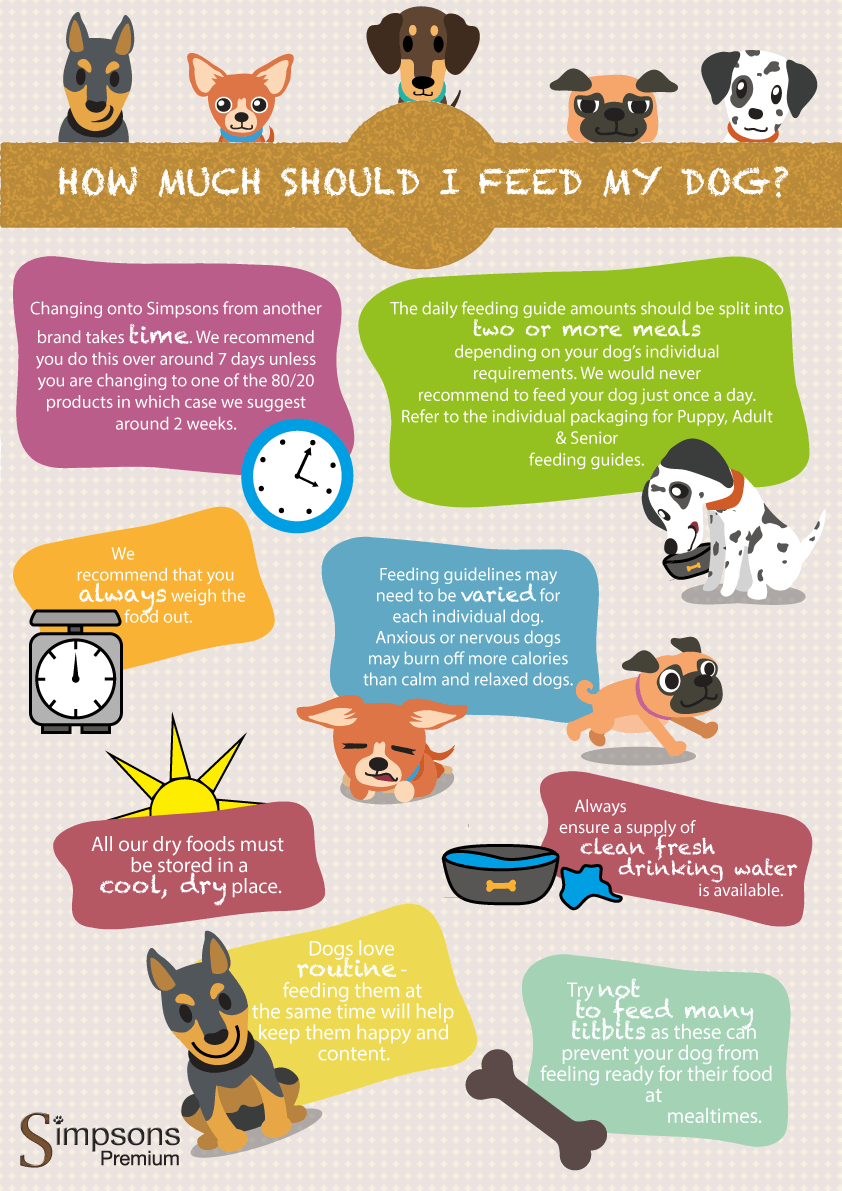
Measuring food portions keeps your dog’s diet balanced. Use a measuring cup or scale to get exact amounts. This avoids feeding too much or too little. Proper portions support your dog’s weight and energy. Measure food before each meal for best results.
Feeding Schedules Apps
Feeding schedule apps remind you when to feed your dog. They track meal times and portion sizes. Some apps offer tips based on your dog’s age and breed. These tools help maintain a consistent feeding routine. They work well for busy or forgetful pet owners.

Credit: www.perfectbowl.com.au
Frequently Asked Questions
How Many Times Should I Feed My Adult Dog Daily?
Adult dogs typically require feeding twice a day. Morning and evening meals help maintain their metabolism and energy levels. Consistent feeding schedules aid digestion and prevent overeating. Adjust the frequency based on your dog’s breed, health, and activity level for best results.
When Should Puppies Be Fed Each Day?
Puppies need more frequent meals, usually three to four times daily. Their growing bodies require consistent nutrients throughout the day. Feeding smaller, regular portions supports healthy development and avoids digestive issues. Gradually reduce meal frequency as they mature into adulthood.
Can Feeding Frequency Affect A Dog's Health?
Yes, feeding frequency impacts digestion, weight, and energy. Regular meals prevent hunger-related stress and overeating. Overfeeding or irregular schedules can cause obesity or digestive problems. Tailor feeding times to your dog’s age, breed, and lifestyle for optimal health.
Is It Okay To Feed Dogs Only Once A Day?
Feeding once daily is generally not recommended for most dogs. It may lead to hunger, low energy, and overeating later. Some adult dogs tolerate once-a-day feeding, but consult a vet before making changes. Twice daily feeding supports better digestion and wellbeing.
Conclusion
Feeding your dog the right amount is crucial for their health. A consistent feeding schedule helps maintain energy and weight. Most dogs do well with two meals per day. But consider age, size, and activity level. Puppies may need more frequent meals.
Always consult your vet for personalized advice. This ensures your pet stays healthy and happy. Remember, fresh water is just as important. A balanced diet supports their long-term well-being. Every dog is unique. Adjust their feeding as they grow and change.
Your furry friend deserves the best care possible. Keep them thriving with proper nutrition.