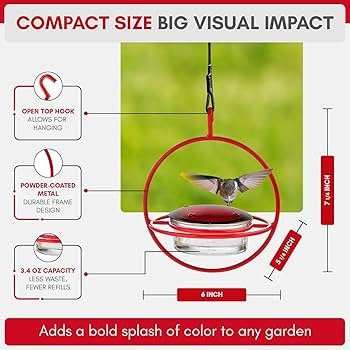
Have you ever wondered how often a tiny hummingbird needs to eat to keep its wings buzzing all day long? These little creatures are full of energy, and their eating habits might surprise you.
Understanding how many times a day a hummingbird eats can give you a new appreciation for their incredible stamina and speed. If you want to know the secret behind their nonstop activity, keep reading—you’re about to discover some fascinating facts that will change the way you see these amazing birds.
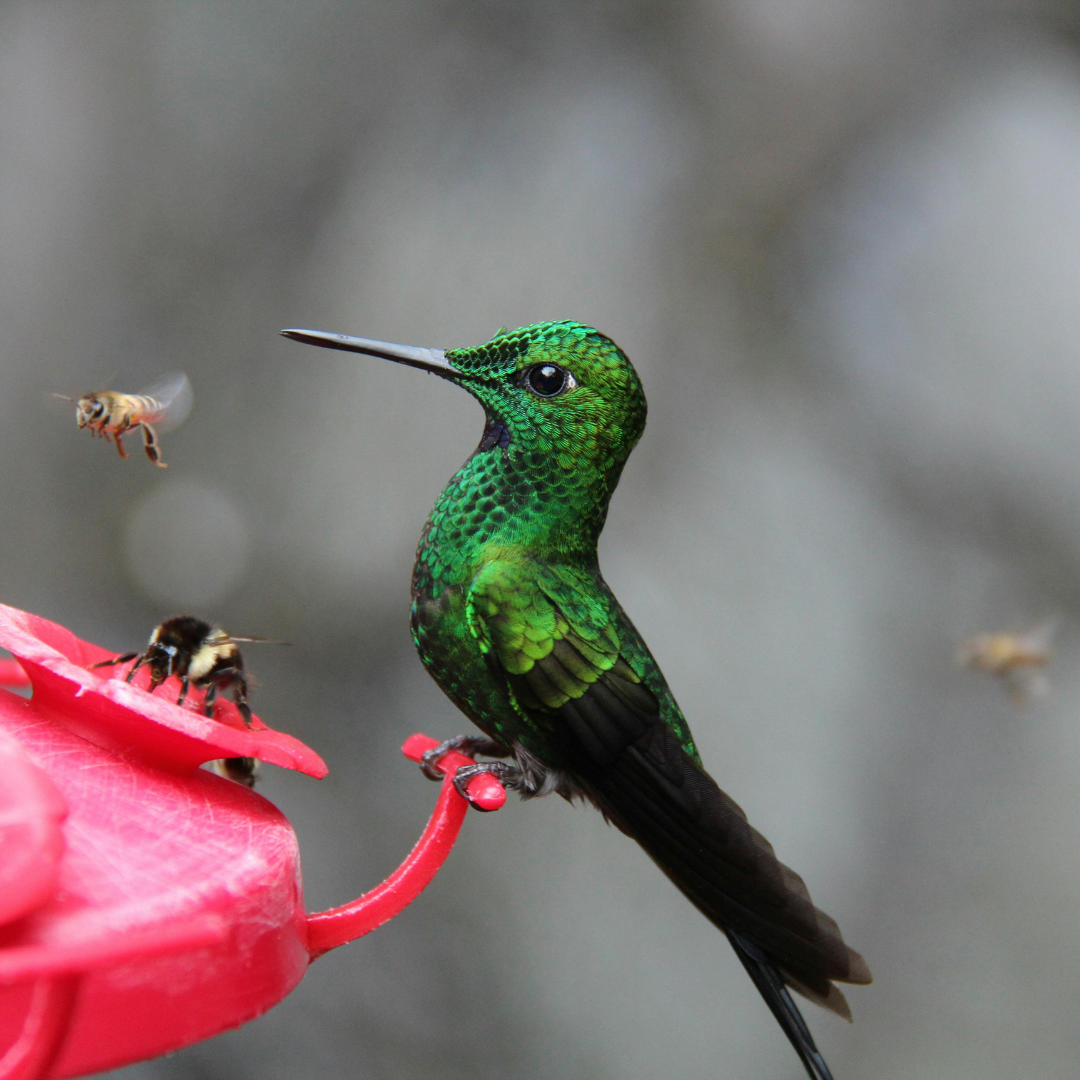
Credit: mybirdkiss.com
Hummingbird Feeding Frequency
Hummingbirds have very high energy needs because they flap their wings rapidly. This fast wing movement requires constant energy from food. To keep their energy levels stable, hummingbirds eat many times throughout the day. Their feeding frequency is unique among birds due to their fast metabolism and active lifestyle.
How Often Do Hummingbirds Eat Daily?
Hummingbirds eat almost every 10 to 15 minutes. They visit flowers or feeders many times a day. On average, a hummingbird can eat 8 to 12 times per hour. This means they may feed up to 100 times daily.
Reasons For Frequent Feeding
- High metabolism burns energy quickly.
- Wing beats consume lots of calories.
- Small body size limits energy storage.
- Constant movement requires constant fuel.
Energy Sources In Their Diet
Hummingbirds mainly eat nectar, which provides quick energy. They also consume insects and spiders for protein. This mix helps them maintain energy and build muscle.
Impact Of Feeding Frequency On Behavior
Frequent feeding means hummingbirds spend much time searching for food. They are active from dawn until dusk. Feeding stops only briefly during rest or sleep.

Credit: askabiologist.asu.edu
Energy Needs Of Hummingbirds
Hummingbirds have very high energy needs. Their tiny bodies use a lot of energy during constant flight. These birds must eat often to keep their energy levels high. Without enough food, they cannot survive long or stay active. Understanding their energy needs helps explain how often they eat each day.
Rapid Metabolism And Energy Use
Hummingbirds have the fastest metabolism among birds. Their heart beats up to 1,260 times per minute. They burn energy quickly to maintain this speed. Flight, especially hovering, requires constant fuel. To support this, they need frequent energy intake.
Sources Of Energy
They get energy mainly from nectar. Nectar contains sugars that provide quick fuel. Hummingbirds also eat small insects and spiders. These provide proteins and nutrients. Both sources are vital for their daily energy needs.
Frequency Of Feeding
Hummingbirds feed many times daily. They visit hundreds of flowers each day. Feeding every 10 to 15 minutes is common. This frequent feeding helps maintain their high energy. They cannot store much energy for later use.
Energy Conservation Strategies
At night, hummingbirds enter a state called torpor. Torpor lowers their metabolism and conserves energy. This helps them survive without eating for several hours. It is an important adaptation to their energy demands.
Types Of Food Hummingbirds Consume
Hummingbirds have a unique diet that keeps them energetic throughout the day. Their small bodies need quick fuel. They rely on two main types of food to survive and thrive. Each type plays a special role in their health and energy levels.
Nectar Sources
Nectar is the primary food for hummingbirds. It provides essential sugars for energy. They visit many flowers, seeking sweet nectar. Common nectar sources include:
- Trumpet vines
- Bee balm
- Salvia
- Honeysuckle
- Columbine
Hummingbirds use their long beaks to reach deep into flowers. This allows them to collect nectar quickly. They also feed from hummingbird feeders filled with sugar water. This mimics natural nectar but must be refreshed often.
Insects And Spiders
Besides nectar, hummingbirds eat tiny insects and spiders. These provide protein and other nutrients. Insects help with muscle repair and feather growth. Common prey includes:
- Aphids
- Fruit flies
- Gnats
- Small spiders
Hummingbirds catch insects mid-air or pluck them from leaves. This part of their diet is crucial during breeding and molting seasons. It helps them stay strong and healthy.
How Feeding Habits Change Throughout The Day
Hummingbirds adjust their feeding habits as the day progresses to match their energy needs and environmental changes. Their tiny bodies burn calories quickly, so they must eat frequently, but the way they feed varies from morning to evening. Understanding these shifts can help you create a garden or feeder setup that supports them throughout the day.
Morning Energy Boost
At sunrise, hummingbirds are often the hungriest. After hours without food, they focus on quick energy sources like nectar to jumpstart their metabolism. You might notice them visiting feeders more rapidly during this time, almost like they’re grabbing a strong coffee before the day begins.
This is when their feeding is most intense. If you’re feeding hummingbirds, make sure your nectar is fresh and easily accessible early in the day to support their high morning demand.
Midday Slowdown
As the sun climbs higher, hummingbirds tend to slow down their feeding. The heat drains their energy, so they conserve it by reducing activity. Instead of constant feeding, they take short breaks, resting in shaded spots to cool down.
This pause helps them avoid overheating. You can help by placing feeders in shaded areas or near plants that provide natural cover.
Afternoon Refueling
Later in the afternoon, hummingbirds pick up their feeding again, preparing for the night ahead. They eat steadily but not as frantically as in the morning, focusing on building reserves. This steady intake helps them maintain energy for evening flights and overnight survival.
Try to keep feeders filled and clean at this time, so they have reliable access to food when they need it most.
Evening Feeding Patterns
As dusk approaches, hummingbirds make a final feeding push. Their visits become more frequent as they top off their energy stores. This “last call” is crucial, as they need enough fuel to survive the night.
Have you noticed how hummingbirds act differently as the sun sets? Observing their evening feeding can give you insights into their energy needs and help you adjust your feeding schedule accordingly.
Factors Influencing Eating Patterns
Hummingbirds eat many times a day to fuel their fast metabolism. Their eating habits change based on various factors. These factors affect how often and how much they eat daily. Understanding these helps explain the bird’s unique feeding patterns.
Weather Conditions
Cold weather makes hummingbirds eat more to keep warm. They need extra energy to maintain body heat. Rainy or windy days can limit their feeding time. They may eat less if flowers are hard to find. Warm, sunny days often mean more food is available. This allows hummingbirds to feed frequently and easily.
Seasonal Variations
Hummingbirds eat differently in each season. In spring and summer, flowers bloom, providing plenty of nectar. This increases their feeding frequency. During fall, they prepare for migration by eating more. In winter, food is scarce, so they eat less often. Some species migrate to warmer places to find food. Seasonal changes strongly impact their daily diet.
Age And Species Differences
Young hummingbirds eat more often to grow fast. They need extra nutrients for development. Adult birds have established feeding routines. Different species have different energy needs. Larger species may eat less often but consume more at once. Smaller species eat more frequently to fuel their fast metabolism. Age and species shape how hummingbirds manage their meals.
Hummingbird Metabolism And Digestion
Hummingbirds are fascinating creatures, especially when you consider how their tiny bodies manage energy. Their metabolism is incredibly fast, making their eating habits unique. Understanding how their digestion works gives you a clearer picture of why they eat so often throughout the day.
How Fast Is A Hummingbird's Metabolism?
A hummingbird's metabolism is one of the fastest in the animal kingdom. Their heart beats up to 1,260 times per minute, and their wings can flap 50 to 80 times per second. This intense activity burns a lot of energy quickly, meaning they need to eat frequently to keep up.
Imagine your own energy levels if you moved that fast all day. You’d probably need to eat every couple of hours too. This constant need for fuel explains why hummingbirds visit hundreds of flowers daily.
What Happens During Hummingbird Digestion?
Hummingbirds digest their food rapidly to keep up with their high energy demands. Nectar passes through their digestive system within minutes, allowing them to quickly turn sugar into usable energy.
Because they absorb energy so fast, they must eat multiple times a day. If they don’t, their energy reserves run low, and they risk losing the ability to fly. This rapid digestion is essential for their survival.
How Does Their Diet Support Their Metabolism?
Their diet mainly consists of sugar-rich nectar and small insects. Nectar provides quick energy, while insects supply protein and essential nutrients. This balanced diet supports their fast metabolism and overall health.
Have you ever noticed how hummingbirds hover near feeders and flowers almost constantly? It’s because their bodies demand a steady supply of fuel. You can support their energy needs by planting nectar-rich flowers or using proper feeders.
Feeding Behavior During Migration
During migration, hummingbirds face intense energy demands. Their feeding behavior shifts dramatically to keep up with these long journeys. Understanding how often they eat and what they choose to consume can help you support these tiny travelers if you’re lucky enough to spot them.
Increased Feeding Frequency On The Move
Hummingbirds can eat up to 15-20 times a day during migration. Their small size means they burn energy quickly, especially while flying hundreds of miles nonstop. You might notice them darting rapidly between flowers or feeders, refueling almost constantly.
Have you ever watched a hummingbird pause briefly only to zoom off again? That’s because they need to refuel often to maintain their high metabolism. Skipping meals during migration isn’t an option—they must eat frequently to survive.
Preference For High-energy Foods
During migration, hummingbirds seek out nectar with higher sugar content than usual. They might visit flowers or feeders that offer sweeter nectar to maximize energy intake. Some also consume small insects for extra protein, which helps repair muscles after long flights.
You can help by providing fresh nectar with the right sugar concentration (about 1 part sugar to 4 parts water). Adding a few drops of fruit juice can sometimes attract more insects, offering a natural protein source.
Strategic Stopovers And Feeding Spots
Hummingbirds plan their routes around reliable feeding spots. They rely on familiar gardens, wildflower patches, or feeders to rest and recharge. These stopovers are critical for building fat reserves needed to cross large obstacles like deserts or bodies of water.
Have you thought about planting native, nectar-rich flowers along migratory paths? This simple action can turn your yard into a vital pit stop. Remember, the timing of blooms matters too—make sure flowers are available when hummingbirds pass through your area.
Tips For Attracting Hummingbirds To Feeders
Attracting hummingbirds to your feeders can be a delightful experience that brightens your garden and offers a close-up view of these tiny wonders. But getting them to visit regularly depends on a few key factors. By paying attention to the feeder you choose, how you prepare the nectar, and keeping everything clean, you create an inviting and safe environment for hummingbirds to feed.
Choosing The Right Feeder
Not all hummingbird feeders are created equal. Look for feeders with bright red parts since hummingbirds are naturally drawn to red. Avoid feeders with yellow because it can attract bees and wasps instead.
Feeders with multiple feeding ports and perches give hummingbirds more space to feed comfortably. Glass feeders tend to last longer and are easier to clean than plastic ones, which can sometimes retain odors or grow mold faster.
Preparing Nectar
Making your own nectar is simple and more attractive to hummingbirds than store-bought options. Use four parts water to one part white granulated sugar. Boil the water first to dissolve the sugar and kill any bacteria, then let it cool before filling your feeder.
Avoid using honey, artificial sweeteners, or food coloring—they can harm the birds. How often do you think about what’s inside your feeder? Refreshing the nectar every 3-5 days keeps it fresh and prevents fermentation.
Maintaining Clean Feeders
Cleanliness is crucial for hummingbird health. Clean your feeder thoroughly with hot water and a bottle brush at least once a week. If you notice mold, clean it immediately, as mold can be deadly to hummingbirds.
Rinse well to remove any soap residue, then dry it completely before refilling. Could your feeding routine be unknowingly discouraging visits? Keeping feeders spotless ensures hummingbirds feel safe and want to return.

Credit: lafeber.com
Frequently Asked Questions
How Often Do Hummingbirds Feed Each Day?
Hummingbirds eat 8 to 12 times daily. They consume nectar frequently to sustain their high energy needs. This constant feeding helps maintain their rapid metabolism and active lifestyle.
Why Do Hummingbirds Eat So Frequently?
Hummingbirds have fast metabolisms that burn energy quickly. Frequent feeding replenishes their energy reserves. They need constant fuel to support their rapid wing beats and hovering flight.
What Do Hummingbirds Eat Besides Nectar?
Besides nectar, hummingbirds eat small insects and spiders. These provide essential proteins and nutrients. A balanced diet helps them stay healthy and active throughout the day.
How Much Nectar Does A Hummingbird Consume Daily?
A hummingbird drinks about half its body weight in nectar daily. This equates to roughly 10 to 15 ml of nectar. Their constant feeding ensures they get enough energy to survive.
Conclusion
Hummingbirds need to eat frequently to survive. Their rapid metabolism demands it. They visit flowers and feeders many times a day. This ensures they get enough energy. Nectar is their main food source. Small insects are also important for protein.
Watching them is fascinating. Their tiny bodies need constant fuel. Feeding hummingbirds can be rewarding. Provide a clean, safe feeding space. This helps them thrive. Keep feeders full and fresh. Enjoy observing these amazing creatures. Their eating habits are a marvel of nature.