
Are you puzzled about how much wet cat food to serve your feline friend each day? You're not alone!
Many cat owners find themselves asking this very question, wanting the best for their beloved pets. Feeding your cat the right amount is essential for their health and happiness. Too little can leave them hungry, and too much might lead to weight issues.
This article will guide you through understanding the ideal quantity of wet cat food your kitty needs daily. Discover the secrets to keeping your cat satisfied and thriving. Keep reading to ensure your furry companion gets the perfect portion every time.
Daily Wet Food Needs
Knowing your cat's daily wet food needs helps keep them healthy and happy. Cats require a specific amount of wet food each day based on several factors. Feeding the right portion prevents overfeeding and nutrient imbalances. Understanding these needs makes mealtime easier for both you and your cat.
Factors Affecting Portions
Portion size depends on your cat’s breed, size, and metabolism. Cats with higher energy levels burn more calories and need more food. Health conditions can change appetite and nutrient needs. The type of wet food and its calorie content also affect how much to serve.
Weight-based Feeding
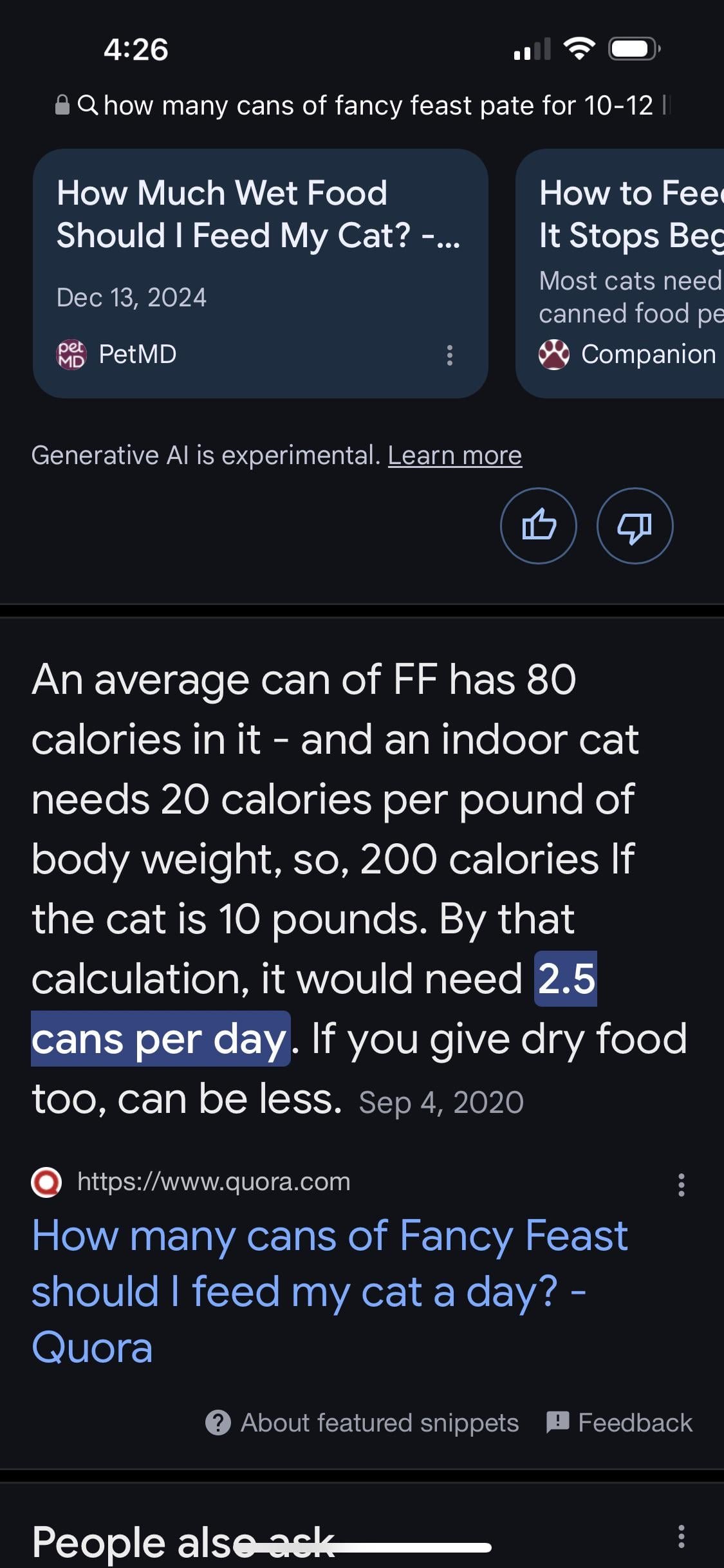
Feeding guidelines often rely on your cat's weight. Small cats usually eat less than larger cats. A general rule is about 3 to 5 ounces of wet food per day for every 5 pounds of body weight. Use your cat’s ideal weight, not current weight, if they need to lose or gain pounds.
Age And Activity Influence
Kittens need more calories for growth and development. Adult cats require fewer calories but need balanced nutrients. Senior cats may eat less due to lower activity or health issues. Active cats, like outdoor or playful ones, need more food than indoor or less active cats.
Credit: www.petsupermarket.com
Calculating The Right Amount
Calculating the right amount of wet cat food is important for your cat’s health. Feeding too much can cause weight gain. Feeding too little can lead to malnutrition. It depends on your cat’s weight, age, and activity level.
Pay attention to your cat’s needs and adjust as needed. Start with guidelines and watch your cat’s weight and energy.
Reading Cat Food Labels
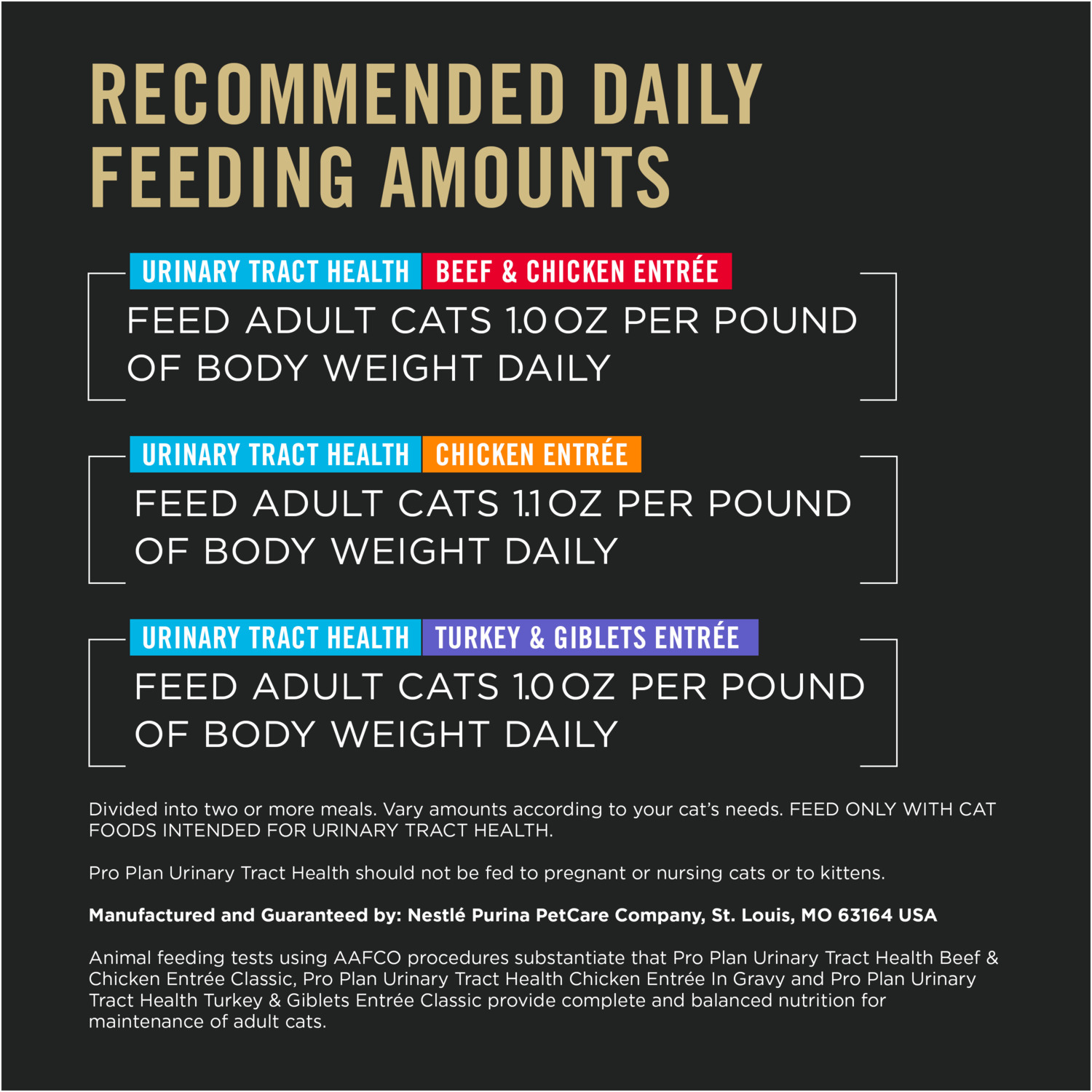
Cat food labels show feeding recommendations based on weight. They often list daily amounts in ounces or grams. Look for calorie content per serving. This helps compare different brands and types.
Labels may include:
- Recommended ounces per day
- Calories per serving
- Ingredients and nutrient info
Use this info to estimate how much your cat needs each day.
Using Feeding Charts
Many cat food brands provide feeding charts. These charts list amounts based on your cat’s weight. They give a starting point for daily feeding.
| Cat Weight (lbs) | Wet Food (oz/day) |
|---|---|
| 5 - 8 | 3 - 5 |
| 8 - 12 | 5 - 7 |
| 12 - 15 | 7 - 9 |
Adjust amounts if your cat is more or less active. Use charts as a helpful guide.
Adjusting For Treats And Dry Food
Treats and dry food count toward your cat’s daily intake. Feeding extra treats means less wet food is needed. Check the calories in treats and dry food.
Subtract treat calories from the total daily calories your cat needs. This prevents overfeeding and weight gain.
Balance treats and meals for a healthy diet. Keep treats to less than 10% of daily calories.
Common Feeding Mistakes
Feeding your cat the right amount of wet food daily is crucial, yet many pet owners slip into common mistakes without realizing the impact. These errors can affect your cat’s health, energy, and happiness. Recognizing and avoiding these pitfalls will help you provide better care for your furry friend.
Overfeeding Risks
Giving your cat too much wet food can quickly lead to obesity. Overweight cats are prone to diabetes, joint problems, and a shorter lifespan. It’s easy to think more food means more love, but excess calories do more harm than good.
Watch out for constant begging or nudging—it doesn’t always mean hunger. Sometimes cats want attention or are bored. Are you feeding based on schedule or your cat’s actual needs?
Underfeeding Consequences
On the flip side, feeding too little can cause malnutrition and low energy. Cats need a balanced intake to maintain healthy skin, fur, and muscle mass. Underfeeding might make your cat lethargic or irritable.
It’s important to adjust portions if your cat is very active or older. Have you noticed your cat losing weight or acting unusually tired? These could be signs that you need to increase their daily wet food amount.
Ignoring Cat's Signals
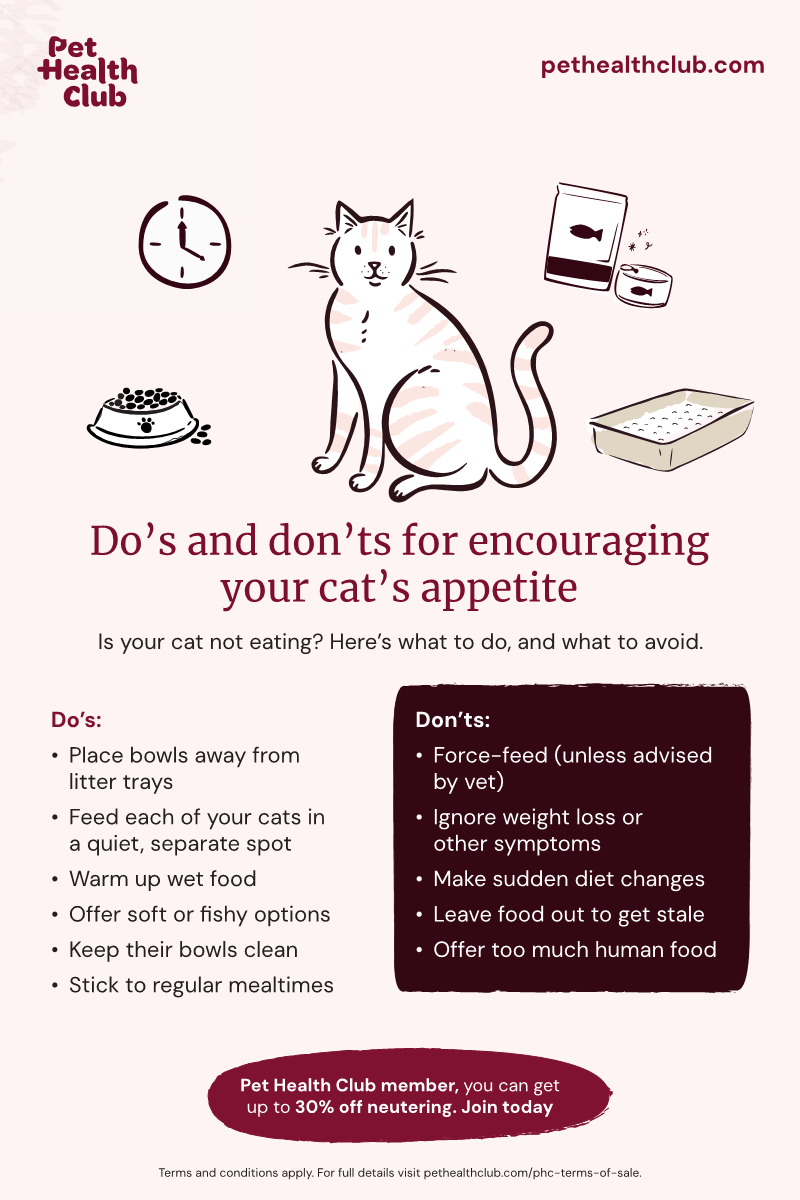
Every cat has unique eating habits and preferences. Ignoring their signals—like refusing food or sudden overeating—can lead you to misjudge their needs. Your cat may be telling you something important about their health or mood.
Pay close attention to changes in appetite or behavior. Are they eating less because of stress or illness? Being responsive to your cat’s cues can prevent feeding mistakes and keep them healthier for longer.
Tips For Feeding Wet Food
Feeding wet cat food can be a rewarding experience for both you and your feline friend, but it requires some thoughtful steps to ensure your cat gets the best nutrition and enjoyment from every meal. Knowing how to handle, serve, and transition to wet food can make a big difference in your cat’s health and happiness. Below are some practical tips that will help you manage wet food feeding effectively.
Maintaining Freshness
Wet cat food spoils quickly once opened, so keeping it fresh is crucial. Always store unused portions in an airtight container or cover the can tightly with plastic wrap.
Refrigerate any leftover food immediately and use it within 24 hours to avoid bacterial growth. Feeding stale food can upset your cat’s stomach and reduce their appetite.
Have you noticed how your cat reacts to food that’s been left out too long? Cats often refuse food that loses its fresh smell, so freshness directly impacts how much they eat.
Transitioning From Dry To Wet
Switching your cat from dry to wet food should be gradual to avoid digestive upset. Start by mixing a small amount of wet food with their usual dry kibble.
Slowly increase the wet food portion over 7 to 10 days while decreasing dry food. This helps your cat adjust to the new texture and flavor without stress.
Watch your cat’s reaction closely—if they seem hesitant, try warming the wet food slightly to enhance aroma and appeal.
Serving Schedule Ideas
Consistency is key when feeding wet food. Decide on specific meal times, such as morning and evening, to create a routine your cat can expect.
Consider portioning the daily wet food allowance into two or three small meals instead of one large serving. This mimics natural hunting behavior and helps prevent overeating.
Does your cat graze or prefer set meals? Adjust serving sizes and frequency based on their eating habits to reduce waste and maintain their ideal weight.
Special Considerations
Feeding your cat wet food isn't a one-size-fits-all situation. Different life stages and health conditions demand unique attention to how much you serve each day. Taking special considerations into account ensures your cat stays healthy, happy, and well-nourished.
Feeding Kittens
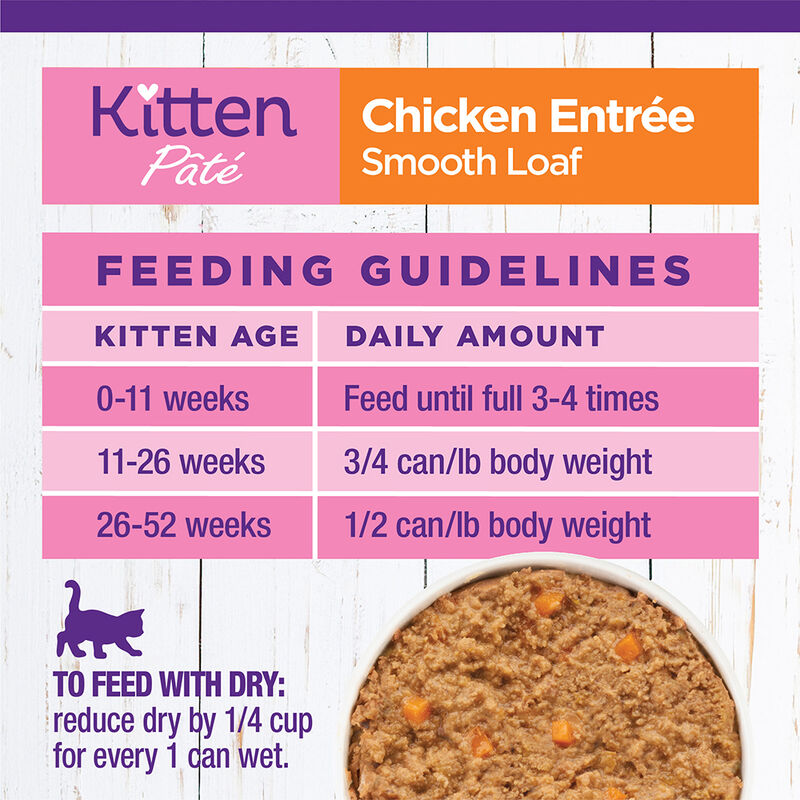
Kittens need more calories and nutrients than adult cats because they are growing rapidly. Typically, they require about 3 to 4 ounces of wet food per day, divided into multiple small meals. You might notice your kitten begging for more often—this is normal, but keep portions balanced to avoid overfeeding.
As your kitten grows, monitor their weight and adjust portions accordingly. Avoid feeding adult cat portions, as kittens burn energy differently and need extra fats and proteins to develop properly.
Senior Cat Needs
Older cats often have a slower metabolism and less activity, meaning their daily wet food intake may need to decrease. However, some seniors require extra hydration and easily digestible protein, which wet food can provide.
Watch for changes in appetite or weight loss, as these can signal health issues. Adjust portions and consult your vet to tailor the diet to your senior cat’s specific needs, ensuring they get enough without gaining excess weight.
Health Conditions Impact
Health problems like kidney disease, diabetes, or obesity drastically affect how much wet food your cat should eat. Cats with kidney issues often need diets lower in protein and phosphorus, so their wet food portions and types must be carefully controlled.
Diabetic cats may require consistent meal sizes and timing to manage blood sugar levels. For overweight cats, reducing wet food portions while maintaining nutrient balance can help with weight loss.
Have you noticed your cat’s eating habits change with illness? Adjusting wet food quantity and quality can make a big difference in managing their condition and comfort.

Credit: www.weruva.com
Credit: www.renspets.com
Frequently Asked Questions
How Many Ounces Of Wet Cat Food To Feed Daily?
Most adult cats need about 3 to 4 ounces of wet food daily. This amount depends on your cat’s weight, age, and activity. Always check the feeding guide on the food label for precise portions.
Can Wet Cat Food Cause Overfeeding?
Yes, feeding too much wet food can lead to weight gain. Measure portions carefully and avoid free feeding. Monitor your cat’s weight regularly to adjust food amounts as needed.
Should Kittens Eat More Wet Food Than Adult Cats?
Kittens require more calories and nutrients, so they eat more wet food. Feed kittens 4 to 6 small meals daily, totaling around 5 to 6 ounces. Consult your vet for exact kitten feeding plans.
How To Transition From Dry To Wet Cat Food?
Switch gradually over 7-10 days by mixing increasing wet food with dry. This helps avoid digestive upset. Monitor your cat’s appetite and stool during the transition for best results.
Conclusion
Feeding your cat the right amount of wet food is key to their health. Watch their weight and energy to guide portions. Every cat is different; adjust food based on their needs. Always check the food label for serving sizes.
Fresh water should be available at all times. Small changes can make a big difference in your cat’s well-being. Keep an eye on their eating habits and talk to your vet if unsure. Healthy feeding helps your cat live a happy life.
Simple steps, better care.