Are you wondering how much wet food your cat really needs each day? Feeding your furry friend the right amount is key to keeping them healthy and happy.
Too little can leave them hungry and lacking nutrients, while too much might lead to weight gain and other health problems. You’ll discover clear, simple guidelines on how many ounces of wet food your cat should eat. Keep reading to find out how to make mealtime just right for your beloved pet.
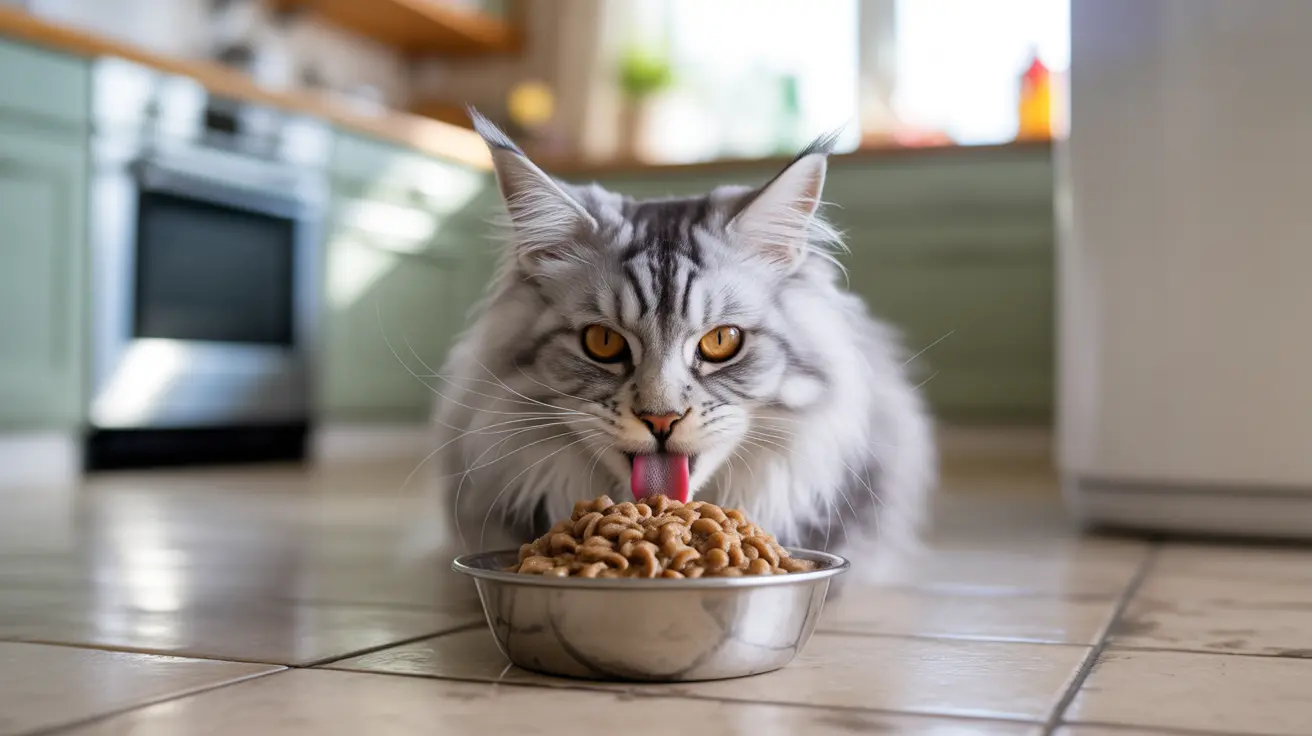
Credit: www.petscare.com
Daily Wet Food Needs
Understanding your cat’s daily wet food needs is essential to keep them healthy and happy. Cats require a balanced amount of food to maintain their weight, energy, and overall well-being. Overfeeding or underfeeding can lead to health problems, so knowing the right quantity is key.
Factors Affecting Intake
Your cat’s wet food intake depends on several factors. Age plays a big role—kittens need more calories for growth, while older cats often require fewer calories. Activity level also matters; an active cat will eat more than a sedentary one.
Health conditions can change appetite and nutrient needs. For example, cats with kidney issues might need special diets and different portion sizes. Even the type of wet food you choose can impact intake because calorie density varies across brands and flavors.
Average Ounce Recommendations
Most adult cats typically eat about 3 to 6 ounces of wet food daily, split into two or more meals. A good rule of thumb is to feed about 3 ounces per 5 pounds of your cat’s body weight. So, if your cat weighs 10 pounds, aim for around 6 ounces of wet food each day.
| Cat Weight (lbs) | Daily Wet Food Intake (ounces) |
|---|---|
| 5 | 3 |
| 8 | 4.8 |
| 10 | 6 |
| 12 | 7.2 |
Have you noticed if your cat finishes their portion or leaves leftovers? That can be a clue about adjusting the amount. Always watch your cat’s weight and energy to see if the food amount feels right for them.
Cat's Weight And Age
Your cat’s weight and age play a big role in deciding how many ounces of wet food they need daily. Younger cats and older cats have very different nutritional needs, and feeding the wrong amount can affect their health. Understanding these differences helps you give your cat just the right portion to keep them happy and healthy.
Kittens Vs Adults
Kittens are growing fast and need more calories per pound than adult cats. They usually eat small amounts more often throughout the day. For example, a 2-month-old kitten might need about 3 to 4 ounces of wet food per day, split into several meals.
Adult cats, on the other hand, have slower metabolisms and require fewer calories. A typical adult cat weighing around 10 pounds might eat between 5 to 6 ounces of wet food daily. Feeding too much can lead to weight gain, so it’s important to measure portions carefully.
Senior Cat Adjustments
As cats age, their metabolism slows down even more, and their activity levels usually drop. Senior cats often need fewer calories but more protein to maintain muscle mass. A senior cat might need about 4 to 5 ounces of wet food daily, but this can vary depending on their health and weight.
If your senior cat has health issues like kidney disease, the type and amount of wet food may need to be adjusted significantly. Always check with your vet to tailor their diet. Have you noticed changes in your cat’s eating habits as they get older? This can be a sign to reassess their food portions.
Activity Level Impact
Activity level plays a key role in deciding how much wet food a cat needs. Cats that move a lot burn more calories. They need more food to stay healthy and energetic. Less active cats require fewer calories. Feeding the right amount supports a cat's weight and overall health.
Active Cats
Active cats need more calories to fuel their energy. They often enjoy running, jumping, and playing for hours. These cats may require around 4 to 6 ounces of wet food daily. This amount supports their muscle maintenance and energy needs. Splitting the food into two or three meals helps keep their energy steady throughout the day.
Indoor And Less Active Cats
Indoor cats or those with lower activity levels need fewer calories. They usually move less and burn less energy. Feeding them about 3 to 4 ounces of wet food daily is often enough. Overfeeding can lead to weight gain and health problems. Monitor their weight and adjust food amounts to keep them fit.
Credit: www.purina.com
Wet Food Types And Calorie Content
Choosing the right type of wet food for your cat is more than just picking a flavor they like. The texture and calorie content can affect how much your cat should eat daily. Understanding these differences helps you give the right portion to keep your cat healthy and satisfied.
Pate Vs Chunky Varieties
Pate wet food has a smooth, mousse-like texture that many cats find easy to eat. It often contains fewer calories per ounce because it includes more water and less solid meat. Chunky varieties, on the other hand, have pieces of meat or fish in gravy or jelly, which can be more calorie-dense due to the solid protein content.
If your cat prefers chunks, you might notice they feel fuller faster because of the texture and higher protein density. However, pate can be great for picky eaters or cats with dental issues. Think about your cat’s preferences and needs when selecting between these types to avoid overfeeding or underfeeding.
Reading Nutrition Labels
Nutrition labels are your best tool to understand calorie content and portion size. Look for the “calories per can” or “calories per ounce” information to compare different products. This helps you calculate how many ounces your cat needs based on their daily calorie requirements.
Besides calories, check protein, fat, and moisture percentages. High moisture content means more water and fewer calories, which might require feeding larger portions. Don’t forget to consider your cat’s activity level and age when deciding the right amount to feed.
- Calories per ounce can vary widely between brands and types.
- Protein and fat content affect energy and fullness.
- Moisture impacts the weight and calorie density of the food.
Have you noticed how your cat reacts to different wet food types? Adjusting portions based on texture and calorie info could make a big difference in their health and happiness.
Combining Wet And Dry Food
Combining wet and dry food can give your cat a balanced diet. Wet food adds moisture and richness, while dry food keeps teeth clean and lasts longer. Feeding both types can satisfy taste and health needs.
Many cats enjoy variety. Mixing wet and dry food helps prevent boredom. It also ensures your cat gets enough water from wet food. This mix supports overall health and hydration.
Balancing Meals
Balance is key. Wet food is usually richer and contains more water. Dry food has more calories per ounce. Adjust portions so your cat does not overeat.
For example, if your cat eats 4 ounces of wet food, reduce dry food accordingly. Check food labels for calorie counts. Your vet can help set the right balance for your cat’s age and weight.
Portion Control Tips
- Measure each meal carefully with a kitchen scale or measuring cup.
- Feed small, frequent meals to avoid overeating.
- Watch your cat’s weight and adjust portions if needed.
- Store dry food in a sealed container to keep it fresh.
- Serve wet food in clean bowls and remove leftovers after 30 minutes.
Combining wet and dry food takes some planning. Track how much your cat eats and stays healthy. This approach helps your cat enjoy meals and stay fit.
Signs Of Overfeeding And Underfeeding
Recognizing the signs of overfeeding and underfeeding helps maintain your cat’s health. Cats need the right amount of wet food daily. Too much or too little can cause problems. Watch closely for changes that show if feeding amounts are correct.
Weight Changes
Weight is a clear sign of feeding issues. Rapid weight gain suggests overfeeding. Your cat’s belly may look round or swollen. Extra weight stresses joints and organs. Sudden weight loss signals underfeeding. Your cat may look thin or have visible bones. Both extremes harm your cat’s health.
Behavioral Indicators
Behavior changes reveal feeding problems. Overfed cats may become less active. They might sleep more and move less. Underfed cats often seem restless or anxious. They may meow loudly or search for food. Some cats show aggression or irritability if hungry. Watch how your cat acts around feeding times.
Feeding Frequency And Schedule
Feeding your cat the right amount of wet food is important for its health. Feeding frequency and schedule help maintain your cat's energy and digestion. Setting a clear routine keeps your cat happy and prevents overeating. Cats enjoy consistency, so regular meal times are best.
Meal Timing
Cats do well with two to three meals per day. Space meals evenly to avoid hunger or overeating. Morning and evening feedings fit most schedules. Some cats like small, frequent meals throughout the day. Watch your cat's behavior to find the best timing. Avoid feeding right before bedtime to support good digestion.
Portion Sizes Per Feeding
Portion size depends on your cat’s weight and activity level. Use the feeding guide on the wet food label as a starting point. Divide the total daily ounces into equal portions for each meal. For example, if your cat needs 6 ounces daily and eats twice, serve 3 ounces each meal.
- Small cats may need 3 to 4 ounces per day.
- Medium cats usually eat 5 to 7 ounces daily.
- Active or large cats might require 8 to 10 ounces.
Measure portions with a kitchen scale or measuring cup. Avoid free feeding wet food as it can spoil and cause overeating. Adjust portions based on your cat’s appetite and weight changes.
Special Considerations
Special considerations play a key role in determining the right amount of wet food for your cat. Various factors affect their dietary needs beyond basic feeding guidelines. Paying attention to these details helps keep your cat healthy and happy.
Health Conditions
Cats with health issues need tailored food portions. Illnesses like kidney disease or diabetes require careful diet control. Wet food quantity may change depending on the condition’s severity.
Always follow your vet’s advice for cats with special health needs. Overfeeding or underfeeding can worsen their condition. Monitor your cat’s weight and appetite closely during illness.
Pregnant And Nursing Cats
Pregnant cats need extra calories to support growth. Nursing cats require even more food to produce milk. Wet food portions should increase steadily during these stages.
High-quality wet food with balanced nutrients supports mother and kittens. Feed small, frequent meals to help digestion and energy levels. Consult your vet for specific portion sizes during pregnancy and nursing.

Credit: www.reddit.com
Frequently Asked Questions
How Much Wet Food Should An Adult Cat Eat Daily?
An adult cat typically needs 3 to 5 ounces of wet food per day. This varies based on weight, activity, and health. Always check the feeding guidelines on the wet food label and adjust portions accordingly to maintain a healthy weight.
Does A Cat's Weight Affect Wet Food Portion Size?
Yes, a cat's weight directly impacts its wet food portion. Heavier cats require more food, while lighter cats need less. Consult your vet to determine the ideal portion size for your cat's specific weight and nutritional needs.
Can Kittens Eat The Same Wet Food Amount As Adults?
Kittens need more calories and nutrients, so their wet food portions differ. They usually require 4 to 6 ounces daily, split into multiple meals. Feeding guidelines for kittens are often on the packaging or can be advised by your vet.
How Often Should I Feed Wet Food To My Cat?
Most cats do well with two to three wet food meals daily. Splitting the daily portion helps digestion and maintains energy levels. Always monitor your cat's appetite and weight to adjust feeding frequency as needed.
Conclusion
Choosing the right amount of wet food is vital for your cat's health. Cats have individual needs based on age, weight, and activity level. Always read the food label for guidance. Consult your vet for personalized advice. Too much food can lead to obesity.
Too little might cause malnutrition. Balance is key. Observe your cat's eating habits. Adjust portions as needed. Happy and healthy cats thrive on balanced diets. Feed your cat with care and attention. Their well-being depends on it.