
Are you wondering how much wet cat food your furry friend really needs each day? Feeding your cat the right amount is key to keeping them healthy and happy.
Too little can leave them hungry and unsatisfied, while too much might cause unwanted weight gain. You’ll discover simple guidelines to help you measure the perfect daily portion. By the end, you’ll feel confident that your cat is getting just what they need—no guesswork involved.
Keep reading to find out how to make mealtime the best part of your cat’s day!
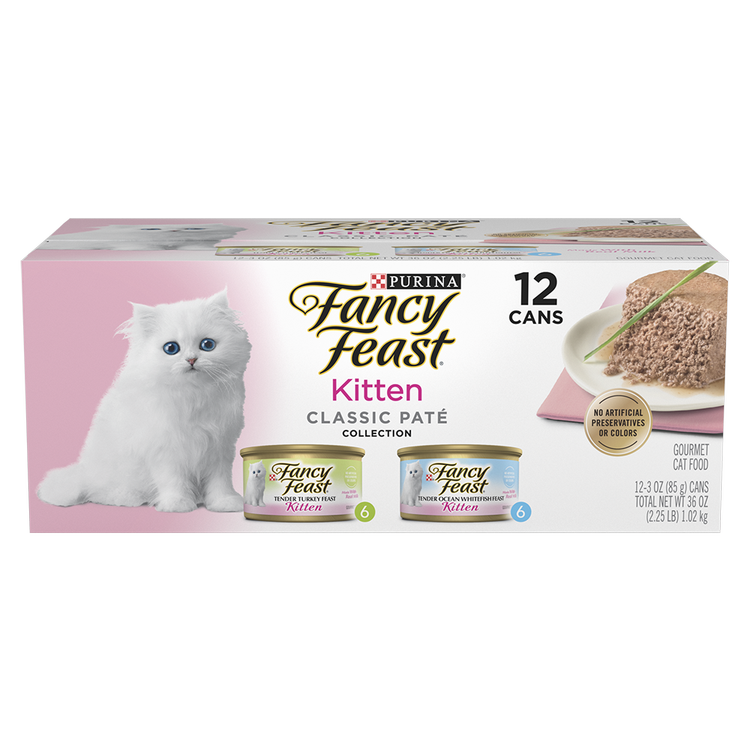
Credit: www.purina.com
Daily Wet Food Needs
Cats usually need about 3 to 5 ounces of wet food daily, depending on their size and age. Feeding the right amount helps keep them healthy and active. Adjust portions based on your cat’s weight and energy level.
Feeding your cat the right amount of wet food each day is key to their health. Cats need a balanced diet to stay active and strong. Too much food can cause weight gain. Too little can lead to poor health. Understanding daily wet food needs helps keep your cat happy.
Every cat is different. Their food amount depends on many things. Paying attention to these factors ensures your cat gets just enough.
Factors Affecting Portion Size
Portion size varies based on your cat’s unique needs. The type of wet food matters. Some brands have higher calories. Wet food with more water means fewer calories per ounce.
Consider your cat’s current health. Overweight cats need smaller portions. Underweight cats may need more food. Always check the label for feeding guidelines.
Age And Weight Considerations
Kittens need more food than adult cats. They grow fast and burn energy quickly. Adult cats require less food to maintain weight. Senior cats often eat less but need nutrient-rich food.
Weight is another factor. A heavier cat needs fewer calories per pound. A lighter cat may need more food to stay healthy. Adjust portions as your cat’s weight changes.
Activity Level Impact
Active cats burn more calories daily. They require larger food portions to fuel their energy. Less active or indoor cats need smaller portions. Overfeeding inactive cats can cause weight gain.
Observe your cat’s behavior. Playful cats usually need more food. Calm or lazy cats need less. Adjust feeding based on how much your cat moves.
Measuring Wet Cat Food
Measuring wet cat food correctly helps ensure your cat stays healthy and happy. Cats need the right amount of food daily to maintain good weight and energy levels. Using the right measurements avoids overfeeding or underfeeding. Understanding how to measure wet food can simplify feeding time.
Using Ounces Vs. Cans
Wet cat food is often sold in cans with different sizes. These cans usually show weight in ounces. Measuring food by ounces is more accurate than counting cans. Can sizes vary between brands and types. One small can may have 3 ounces, while another could have 5 ounces. Always check the weight on the can to give the right amount. Using ounces lets you adjust portions based on your cat’s needs.
Reading Feeding Labels
Feeding labels guide how much food your cat needs daily. They often suggest ounces per day based on weight or age. Labels show recommended servings divided into meals. Check if the label measures food by can or ounces. Some labels give feeding ranges, like 2 to 4 ounces per day. Use these guidelines as a starting point. Monitor your cat’s weight and adjust servings if needed.
Feeding Frequency Tips
Feeding your cat the right amount of wet food is important, but how often you feed them matters just as much. The frequency of meals can affect your cat’s digestion, energy levels, and overall happiness. Finding a feeding schedule that fits your cat’s lifestyle can make mealtime smoother and more enjoyable for both of you.
Single Vs. Multiple Meals
Feeding your cat once a day with wet food might seem convenient, but cats often do better with smaller, more frequent meals. Multiple meals help mimic their natural hunting and eating patterns, keeping their metabolism steady and preventing overeating.
Try splitting your cat’s daily wet food portion into two or three servings. This can reduce hunger-related stress and decrease the risk of digestive issues. Have you noticed your cat getting anxious or begging before meal times? Multiple meals might calm that behavior.
Adjusting Portions Over Time
Your cat’s appetite and activity level can change, so the portion sizes you start with might need tweaking. Keep an eye on their weight and energy; if they’re gaining or losing too much, adjust the ounces of wet food accordingly.
For example, an active young cat may need more food than a sedentary older cat. Use a kitchen scale to measure portions accurately, then watch how your cat responds. Are they finishing their meals quickly or leaving leftovers? These clues help you find the right balance.

Credit: www.weruva.com
Balancing Wet And Dry Food
Finding the right balance between wet and dry cat food can make a big difference in your cat’s health and happiness. Too much of either can lead to issues like dehydration or weight gain. Understanding how to mix these two types helps you feed your cat a well-rounded diet that meets their needs every day.
Combining Food Types
Mixing wet and dry food gives your cat variety in texture and taste, which many cats enjoy. You can start by offering about 50% wet food and 50% dry food, then adjust based on your cat’s preferences and health. Pay close attention to how much your cat eats and their energy levels to find the right mix.
Be sure to measure the portions carefully. Wet food has higher moisture content, so your cat will often need less by weight compared to dry food. Use feeding guidelines on the packaging as a starting point, but tailor the amounts to your cat’s weight, age, and activity level.
Pros And Cons
- Wet Food Pros:Provides extra hydration, which is great for cats who don’t drink much water. It’s usually more appealing in taste and texture.
- Wet Food Cons:More expensive and spoils quickly once opened. Can lead to dental issues if not balanced with dry food that helps clean teeth.
- Dry Food Pros:Convenient to store and feed. Helps keep teeth cleaner through natural abrasion.
- Dry Food Cons:Low moisture content can contribute to dehydration. Some cats find it less tasty or boring over time.
Have you noticed your cat prefers one type over the other? Adjusting their diet to their liking while keeping nutritional balance can improve their health. What’s your cat’s favorite way to eat—wet, dry, or a mix of both?
Special Diets And Wet Food
Special diets play a key role in feeding cats the right amount of wet food daily. Cats with unique needs require careful portion control to stay healthy. Wet food offers hydration and nutrients that support these special diets. Understanding how much wet food to give helps maintain your cat’s well-being.
Kittens And Seniors
Kittens need more calories for growth and energy. They often eat small, frequent meals throughout the day. Wet food is easier to chew and digest for young cats. A typical kitten may need about 3 to 6 ounces of wet food daily, depending on age and size.
Seniors require diets that support aging bodies and organs. Wet food helps keep older cats hydrated and provides gentle nutrition. They usually eat less than younger cats but need nutrient-rich food. Around 3 to 4 ounces of wet food per day is common for senior cats.
Health Conditions
Some cats have health issues needing special diets. Kidney disease cats benefit from wet food low in protein and phosphorus. Diabetic cats often do well with high-protein, low-carb wet food. Obese cats need controlled portions to manage weight.
Always follow your vet’s advice on how much wet food to give. Adjustments depend on the specific condition and treatment plan. Wet food can support therapy and improve your cat’s quality of life.
Signs Of Overfeeding Or Underfeeding
Recognizing the signs of overfeeding or underfeeding your cat is important. Cats need the right amount of wet food to stay healthy. Too much or too little food can cause problems. Watch your cat closely for any changes. These signs can help you adjust their daily food intake properly.
Weight Changes
Weight is a clear sign of feeding issues. Sudden weight gain may mean overfeeding. Your cat's coat might look greasy or dull too. Rapid weight loss can show underfeeding or illness. A healthy cat should maintain a steady weight. Use a scale to check your cat weekly. Note any big changes and act quickly.
Behavioral Indicators
Cats often change their behavior if their diet is off. Overfed cats might become lazy or less playful. They may also beg for food even after eating. Underfed cats can seem restless or anxious. They may meow more or search for food. Watch for changes in eating habits too. A sudden loss of appetite is a warning sign.
Tips For Transitioning Foods
Changing your cat’s food requires care and patience. Sudden switches can upset your cat’s stomach. Use gentle steps to help your cat adjust. This keeps your cat happy and healthy during the change.
Gradual Changes
Start by mixing a small amount of new food with the old. Increase the new food amount slowly over 7 to 10 days. Watch your cat’s reaction to each new mix. This method reduces the chance of digestive problems.
- Begin with 25% new food and 75% old food.
- After a few days, change to 50% new and 50% old.
- Then, move to 75% new and 25% old.
- Finally, feed 100% new food.
Monitoring Acceptance
Check if your cat eats the new food eagerly. Notice any signs of stomach upset like vomiting or diarrhea. If your cat refuses the new food, slow down the change. Try warming the food slightly to improve smell and taste. Always keep fresh water available to help digestion.
Credit: www.purina.com
Frequently Asked Questions
How Many Ounces Of Wet Cat Food Daily For Adult Cats?
Adult cats typically need 5 to 6 ounces of wet food daily. This amount meets their nutritional needs and maintains a healthy weight. Adjust based on your cat’s activity level, age, and health conditions for best results.
Can Kittens Eat The Same Amount Of Wet Food?
Kittens require more food per pound than adults. Feed them about 2 to 4 ounces of wet food daily, divided into multiple meals. Proper portioning supports growth and energy needs.
How To Adjust Wet Food For Overweight Cats?
Reduce wet food to about 3 to 4 ounces daily for overweight cats. Combine with regular exercise and consult your vet to ensure healthy weight loss.
Does Wet Food Portion Vary By Cat Size?
Yes, larger cats need more wet food, around 6 to 8 ounces daily. Smaller cats require less, about 4 to 5 ounces. Tailor portions to your cat’s size and activity.
Conclusion
Feeding the right amount of wet cat food is crucial. Cats need balanced nutrition for a healthy life. Always check the label for serving suggestions. Consider your cat's size, age, and activity level. Too much food can lead to obesity.
Too little can cause malnutrition. Consult with a vet for personalized advice. Monitor your cat’s weight and behavior regularly. Adjust portions as needed for their well-being. A well-fed cat is a happy cat. Keep their diet consistent and nutritious. Your furry friend will thrive with the right care.