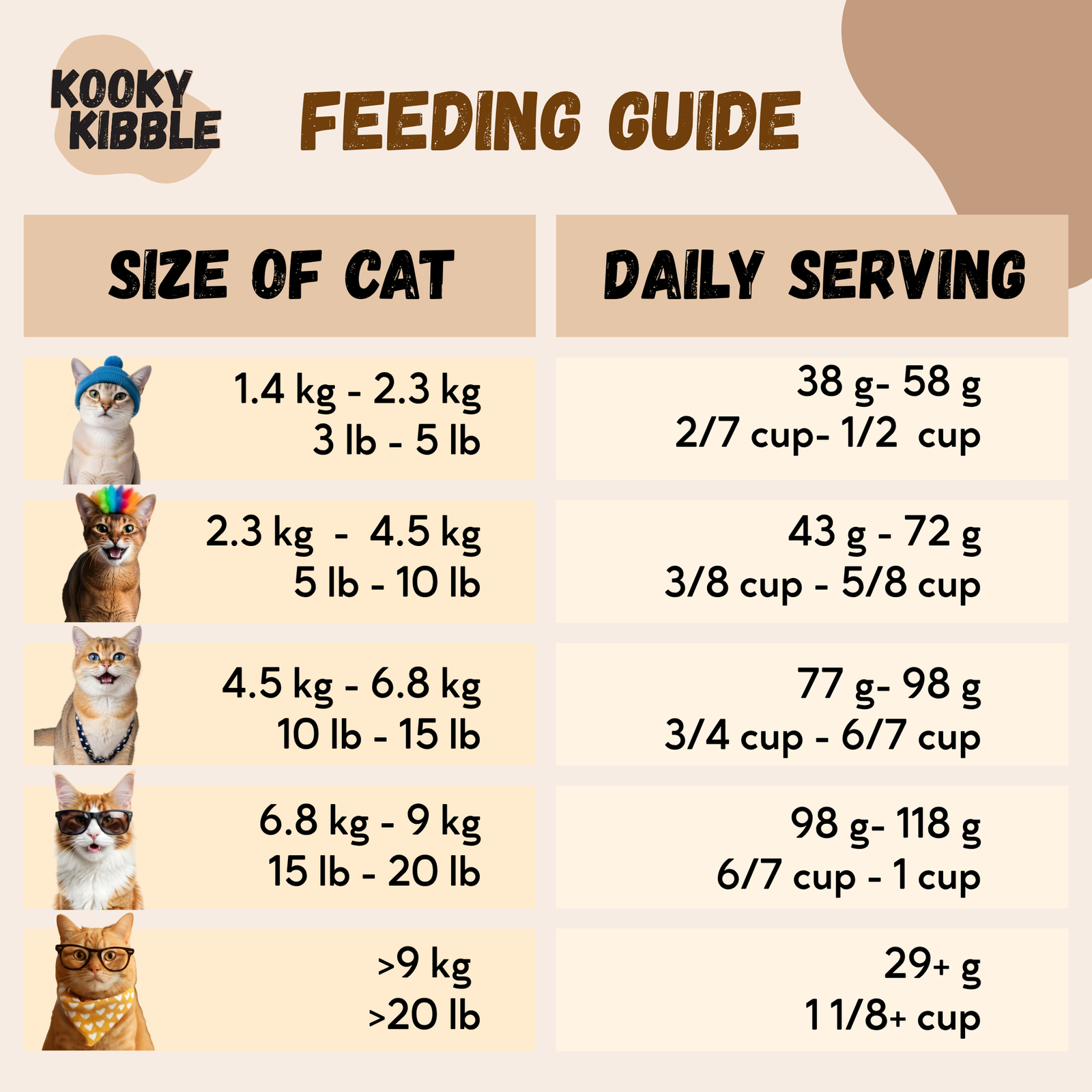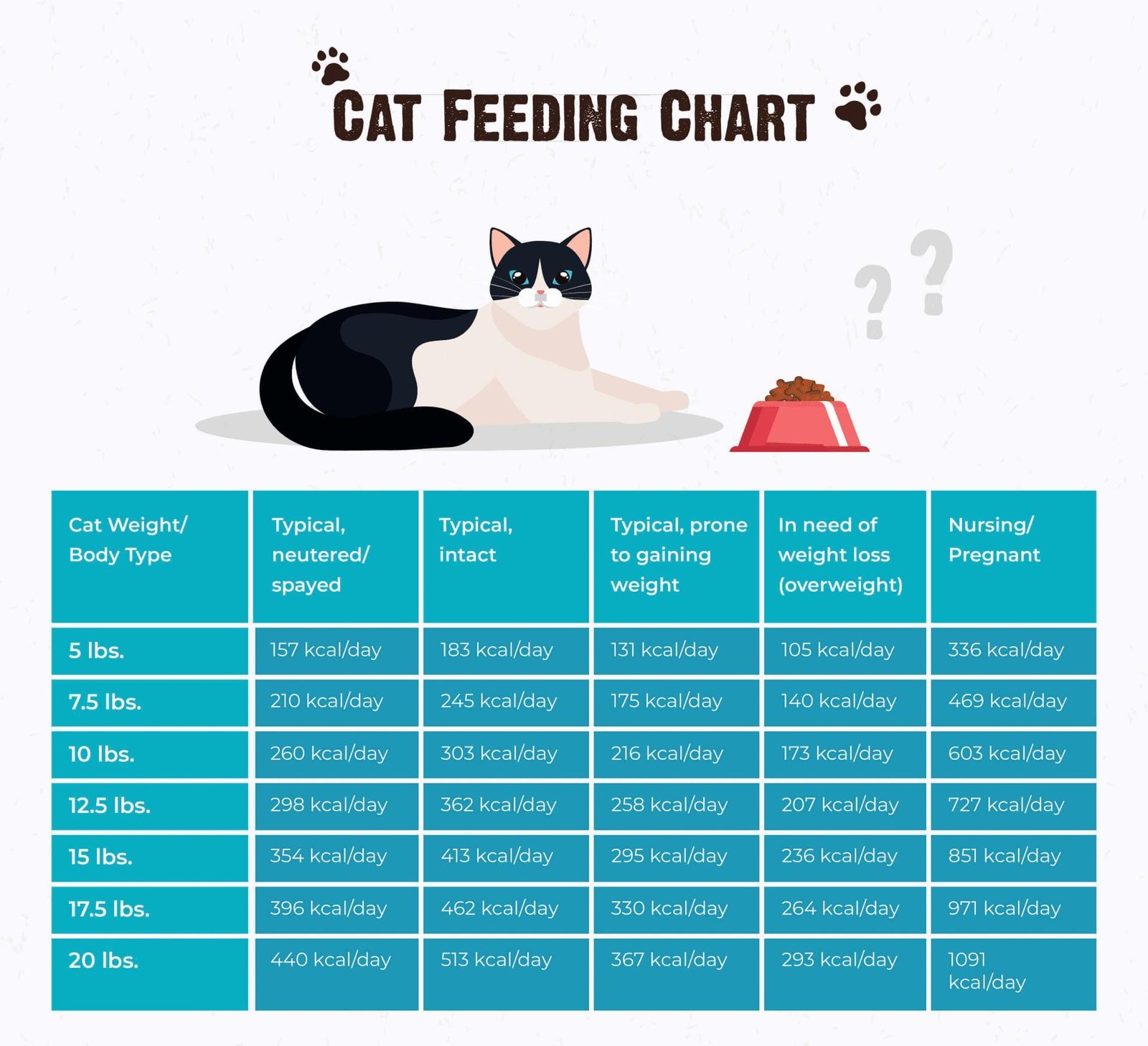
Are you unsure about how much dry cat food to give your furry friend each day? Feeding your cat the right amount is more important than you might think.
Too little, and your cat could miss out on essential nutrients. Too much, and it could lead to unhealthy weight gain. Finding the perfect balance can feel confusing, but don’t worry—you’re about to discover clear, simple guidelines that will make feeding time easier and healthier for your cat.
Keep reading to learn exactly how many grams of dry cat food your cat needs every day.
Daily Feeding Needs
Understanding your cat's daily feeding needs is key to keeping them healthy and happy. The right amount of dry cat food depends on several factors that affect how much energy your cat uses each day. Feeding the correct portion can prevent both hunger and overeating, helping you avoid health issues like obesity.
Factors Influencing Food Amount
Not all cats require the same amount of food. Factors such as breed, metabolism, and even the climate you live in can change your cat’s appetite. If you notice your cat gaining or losing weight, it might be time to adjust their daily grams of food.
Age And Life Stage
Kittens need more calories for growth, so they usually eat more per pound of body weight than adult cats. Senior cats, on the other hand, tend to have slower metabolisms and may require fewer grams of food daily. Feeding according to life stage ensures your cat gets the right nutrients without excess calories.
Activity Level And Weight
A highly active cat burns more calories and needs more food compared to a sedentary one. Overweight cats should have their daily food grams reduced to promote gradual weight loss. Keeping track of your cat’s activity and weight will help you fine-tune their feeding amount for optimal health.
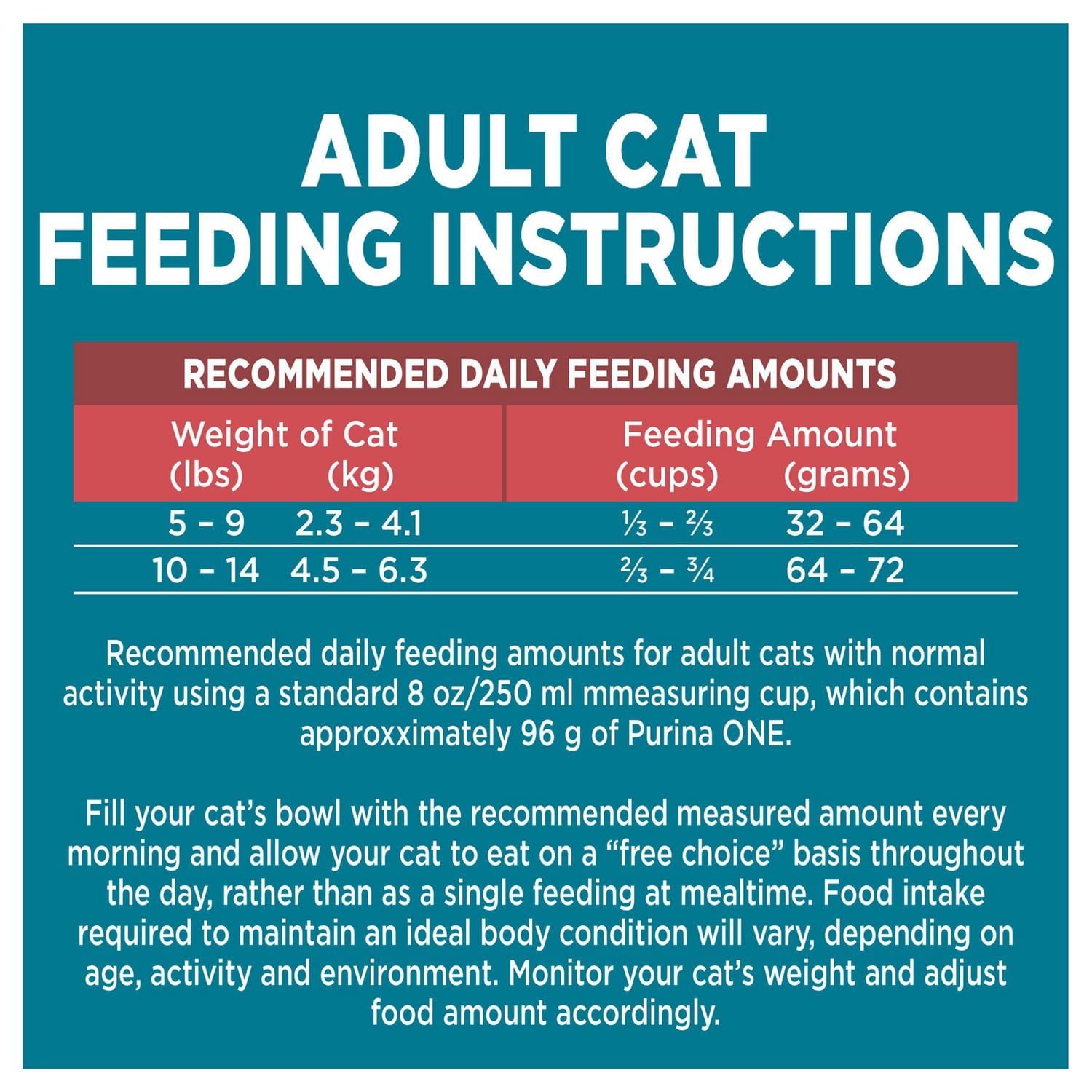
Credit: www.purina.com
Measuring Dry Cat Food
Measuring dry cat food is key to feeding your cat the right amount. Using the correct measurements helps maintain your cat’s health and weight. It also prevents overfeeding or underfeeding. Understanding how to measure the food accurately makes daily feeding easier and more consistent.
Converting Cups To Grams
Cups are common for measuring dry cat food, but grams are more precise. Different brands have different densities, so one cup may weigh differently. Use a kitchen scale to weigh the food for accuracy. Usually, one cup equals about 90 to 100 grams of dry cat food.
Check the brand’s website or packaging for exact conversion information. Keep in mind that using grams helps control portion sizes better than cups.
Reading Food Labels
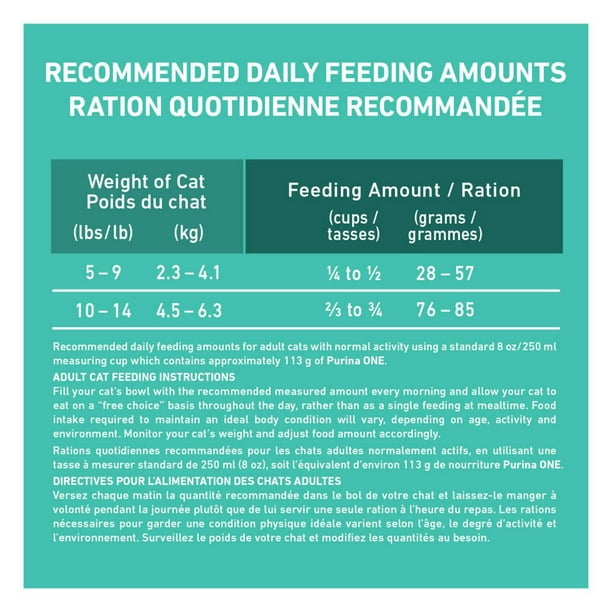
Food labels provide crucial feeding guidelines. Look for the recommended grams per day based on your cat’s weight and age. Labels often suggest a range, depending on activity level and metabolism. Pay attention to calorie content and adjust portions accordingly.
Labels also list ingredients and nutritional information. This helps ensure the food meets your cat’s dietary needs.
Portion Control Tools
Portion control tools make measuring dry cat food easier. Use a digital kitchen scale for exact grams. Measuring cups designed for pet food also work well. Some automatic feeders have built-in portion control settings.
These tools help prevent overfeeding and keep your cat on a healthy diet. Consistent portions reduce the risk of obesity and digestive issues.
Adjusting Portions
Adjusting the daily amount of dry cat food is crucial for your pet’s well-being. Cats have different needs based on their size, age, and activity. Feeding the right portion helps keep them healthy and happy.
Weight Management Tips
Maintaining a healthy weight prevents many health problems in cats. Overfeeding can lead to obesity, while underfeeding may cause malnutrition. Measure food carefully using a kitchen scale or measuring cup. Split the daily portion into two or more meals to avoid overeating. Watch your cat’s body shape; ribs should be felt but not seen.
Health Conditions Impact
Some health issues affect how much food a cat needs. Cats with diabetes or kidney problems may require special diets. Ill or older cats often eat less and need adjusted portions. Consult your vet to tailor food amounts for any health conditions. Changes in appetite or weight can signal health issues that need attention.
Monitoring And Tweaking
Track your cat’s weight and behavior regularly. Use a journal or app to note food amounts and changes. Adjust portions slowly, about 5-10% at a time, to avoid stress. Observe how your cat reacts to changes in food quantity. Consistent monitoring helps maintain ideal weight and health over time.
Special Feeding Scenarios
Special feeding scenarios require careful attention to your cat’s diet. Cats have different needs based on age, health, and life stage. Adjusting dry food grams daily helps maintain their health and energy. Understanding these scenarios ensures your cat gets the right nutrition every day.
Kittens Vs Adult Cats
Kittens need more calories and nutrients than adult cats. Their bodies grow quickly and use energy fast. Feed kittens smaller amounts more often throughout the day. Typically, kittens require about 50-70 grams of dry food daily.
Adult cats need fewer calories to maintain weight. Their metabolism slows down compared to kittens. Feed adult cats around 40-60 grams of dry food per day. Monitor their weight and adjust portions as needed.
Senior Cat Nutrition
Senior cats have lower energy needs but may need more protein. Their digestion slows and joint health may decline. Feed them high-quality dry food with balanced nutrients. Offer about 30-50 grams daily, depending on activity and health.
Watch for weight loss or gain. Adjust food portions carefully to keep seniors healthy and active.
Pregnant And Nursing Cats
Pregnant cats need more calories to support their kittens. Increase their dry food intake by 25-50% during pregnancy. Nursing cats require even more energy to produce milk.
Feed nursing cats 70-100 grams of dry food daily. Divide the food into several small meals to aid digestion. Provide fresh water at all times to keep them hydrated.
Common Feeding Mistakes
Feeding your cat the right amount of dry food daily is key to its health. Many pet owners make mistakes that can harm their cat's well-being. Understanding common feeding errors helps prevent health issues and keeps your cat happy.
Overfeeding Risks
Giving too much dry food can lead to obesity. Overweight cats face serious health problems like diabetes and joint pain. Excess food can also cause digestive upset and reduce activity levels. Portion control is essential to avoid these risks.
Underfeeding Consequences
Not providing enough food can cause malnutrition. Cats may lose weight, feel weak, and have less energy. Poor nutrition affects fur quality and immune strength. Consistent underfeeding can lead to serious health issues over time.
Ignoring Individual Needs
Every cat has unique dietary needs based on age, weight, and activity. Feeding the same amount to all cats ignores these differences. Some cats need more calories; others need fewer. Tailoring portions to your cat’s needs improves health and happiness.
Credit: www.walmart.ca
Tools And Resources
Choosing the right amount of dry cat food daily requires reliable tools and resources. These help pet owners provide balanced nutrition without guesswork. Using feeding charts, online calculators, and expert advice ensures your cat stays healthy and happy.
Feeding Charts
Feeding charts offer quick guidance on daily food amounts based on your cat’s weight and age. They break down portions into easy numbers, making feeding simple. Many cat food brands include charts on their packaging or websites. These charts help prevent overfeeding or underfeeding by showing the right grams per day.
Online Calculators
Online calculators provide a personalized feeding plan for your cat. You enter details like weight, activity level, and age. The calculator then suggests the exact grams of dry food to feed each day. These tools save time and reduce confusion. They adjust recommendations as your cat grows or changes health status.
Consulting A Vet
Veterinarians give the best advice about your cat’s diet. They consider health issues, breed, and lifestyle. Vets can recommend the ideal daily amount of dry food for your cat. Regular check-ups help adjust feeding plans to keep your pet fit. Always ask your vet before changing your cat’s diet significantly.

Credit: www.reddit.com
Frequently Asked Questions
How Many Grams Of Dry Cat Food Should I Feed Daily?
The recommended daily amount varies by cat weight and age. Generally, 40-60 grams per day suits most adult cats. Always check the cat food packaging for specific feeding guidelines and adjust based on your cat's activity level and health.
Does Cat Weight Affect Dry Food Portions?
Yes, heavier cats typically need more food, while lighter cats need less. Feeding portions should align with your cat’s ideal weight to avoid underfeeding or obesity. Consult your vet for personalized feeding advice based on your cat’s weight.
Can Kittens Eat The Same Amount Of Dry Food As Adults?
No, kittens require more calories and nutrients per gram than adults. They generally need more frequent, smaller meals totaling more grams daily, adjusted to their growth stage. Follow kitten-specific feeding guides for best results.
How To Adjust Dry Food Grams For An Active Cat?
Active cats burn more calories and may need 10-20% extra food. Increase the daily gram amount gradually while monitoring weight and health. Always ensure fresh water is available alongside dry food.
Conclusion
Feeding your cat the right amount of dry food keeps them healthy. Check the package for daily gram recommendations. Adjust the amount based on your cat’s age, weight, and activity. Watch their weight and energy to see if changes are needed.
Fresh water is important alongside dry food. Regular vet visits help make sure your cat stays fit. Feeding the right grams daily supports a happy, healthy life. Simple steps lead to better care for your furry friend.