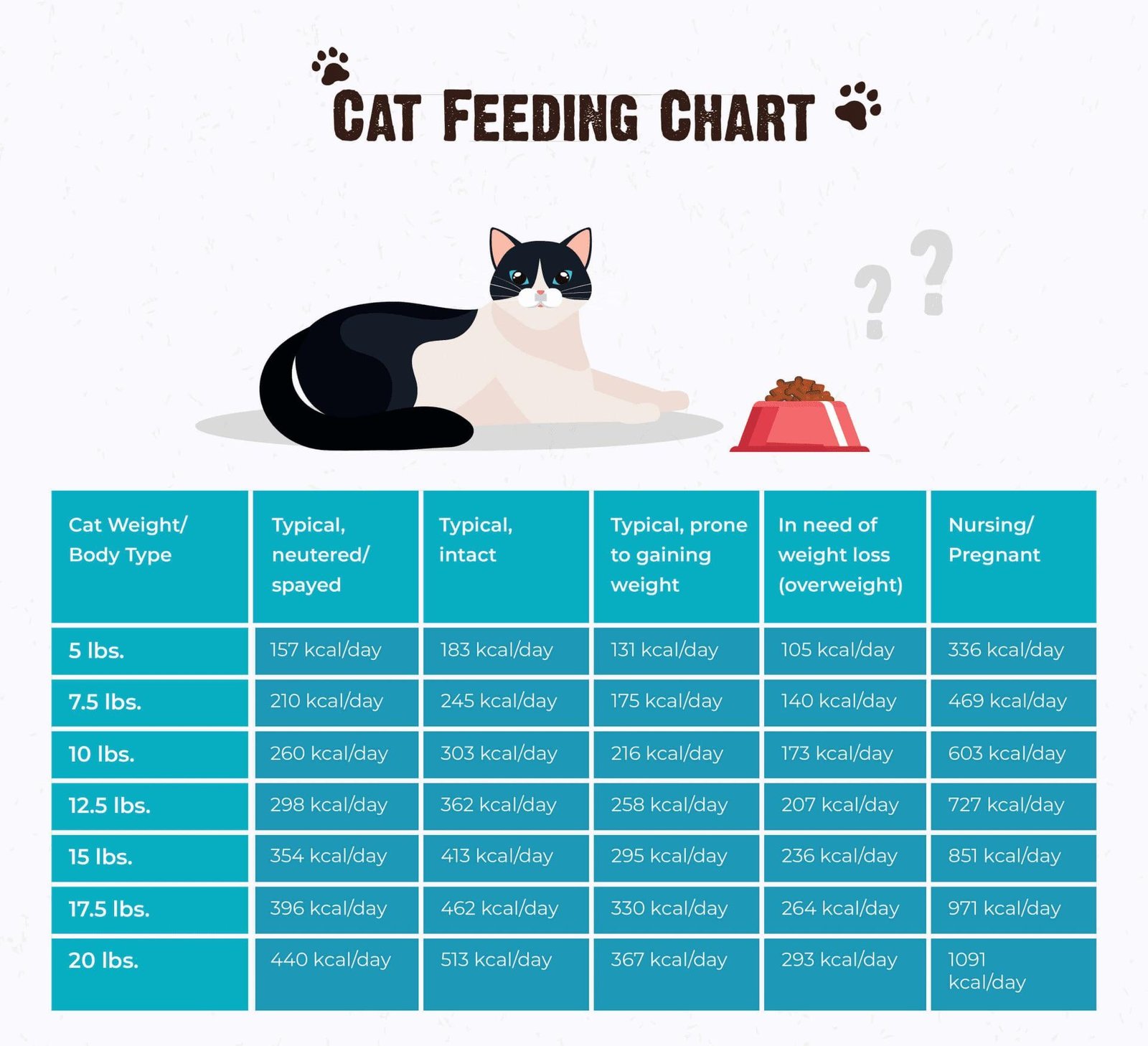
Are you puzzled about how much food your cat really needs? You're not alone.
Many cat owners struggle with this question, trying to strike the perfect balance between ensuring their feline friend is well-fed and not overfed. Getting the portion size right is crucial for your cat's health and happiness. Too little food, and they might miss out on essential nutrients.
Too much, and they could gain weight, leading to health issues down the road. You'll discover exactly how many cups of food your cat should be eating each day. We’ll break down all the factors you need to consider, so you can feed your cat with confidence and peace of mind. Keep reading to uncover the perfect portion size for your beloved pet.
Factors Affecting Cat Food Amount
Determining the right amount of food for your cat isn’t just about measuring cups. Several factors play a crucial role in deciding how much your feline friend should eat each day. Understanding these can help you avoid overfeeding or underfeeding, keeping your cat healthy and happy.
Cat’s Age And Life Stage
Kittens require more calories to support their rapid growth and high energy levels. They typically need multiple small meals throughout the day. Adult cats, especially those who are less active, need fewer calories and might do well on two meals daily.
Senior cats often experience changes in metabolism and appetite. You might notice they eat less or need food that's easier to digest. Adjusting their portions according to their age helps maintain a healthy weight and prevent issues like obesity or malnutrition.
Activity Level
Active cats burn more calories and usually require larger food portions. If your cat loves to play or spends time outdoors, you may need to increase their daily food intake. On the other hand, indoor or less active cats need fewer calories to prevent weight gain.
Have you observed your cat’s daily routine closely? Tracking their activity can guide you in fine-tuning their meal sizes. It’s a simple way to keep their energy balanced without guessing.
Breed And Size
Different breeds come with different nutritional needs. Larger breeds like Maine Coons typically need more food than smaller breeds such as Siamese cats. Their metabolism and body size directly influence how much they should eat.
Understanding your cat’s breed traits helps you avoid feeding too much or too little. Tailoring portions based on size ensures they get the right amount of nutrients without excess calories.
Health Conditions
Health issues can dramatically affect your cat’s diet requirements. Cats with diabetes, kidney disease, or allergies often need special diets and careful portion control. Consult your vet for precise feeding recommendations tailored to your cat’s condition.
Ignoring health-related dietary needs can worsen symptoms or lead to other problems. Are you noticing any changes in your cat’s weight or behavior? This might be a sign to reassess their food portions and ingredients.

Credit: kookykibble.co.nz
Types Of Cat Food
Cats need different types of food to stay healthy and happy. Each type has its own feeding needs. Knowing these helps you feed your cat the right amount every day. Food types include dry, wet, and raw or homemade diets. Each type has benefits and portion guidelines.
Dry Food Portions
Dry food is popular and easy to store. It helps keep your cat’s teeth clean. Most dry foods have feeding instructions on the bag. Usually, adult cats need about 1/4 to 1/3 cup per meal. This depends on the cat’s weight and activity level.
Divide the daily amount into two or three meals. Avoid free feeding to prevent overeating. Measure food with a standard measuring cup for accuracy.
Wet Food Portions
Wet food has more moisture and is good for hydration. It often smells stronger and is tastier for cats. Typical wet food cans or pouches range from 3 to 5.5 ounces. Most adult cats eat one to two small cans per day.
Split the food into two meals. Keep leftovers refrigerated and use within 24 hours. Wet food helps cats who don’t drink enough water.
Raw And Homemade Diets
Raw and homemade diets need careful preparation. They can be fresh and nutritious but require balance. Consult a vet to create a proper meal plan. Portion sizes vary greatly based on ingredients and cat’s needs.
Raw diets often include muscle meat, organs, and bones. Homemade meals should have protein, fat, and some carbs. Always handle raw food safely to avoid contamination.
Reading Cat Food Labels
Understanding how to read cat food labels is essential when deciding how many cups of food to feed your cat. Labels hold key information that can guide you in providing the right amount of nutrition. Many cat owners overlook this, leading to overfeeding or underfeeding without realizing it.
Calories Per Cup
Look for the calories per cup on the label. This tells you how much energy your cat will get from each cup of food. Different brands and formulas vary widely in calorie content, so don’t assume all cups are equal.
For instance, a high-calorie food may have 400 calories per cup, while a weight management formula might have just 300. Knowing the calories helps you adjust the portion size to match your cat’s activity level and weight goals.
Recommended Serving Sizes
Most cat food labels include a feeding guide based on your cat’s weight. This is a helpful starting point but remember it’s just a guideline. Your cat’s age, health, and activity level can require you to feed more or less than the suggested amount.
Pay attention to whether the serving sizes are listed in cups or grams. Some labels provide ranges, like 1/3 to 1/2 cup for a 10-pound cat. If your cat is very active or has a medical condition, consult your vet to customize these portions.

Credit: www.reddit.com
Calculating Daily Food Intake
Calculating the right daily food amount for your cat is key to their health. Every cat needs a specific quantity based on weight, activity, and health. Feeding too much can cause weight gain. Too little can lead to malnutrition. Understanding these factors helps you provide balanced nutrition.
Using Weight-based Formulas
Start by knowing your cat's current weight in pounds or kilograms. Use weight-based formulas that recommend daily calories or grams of food per pound. For example, a common guideline suggests 20 calories per pound of body weight. This gives a basic food amount to adjust from. Always check the food label for calorie content per cup or gram.
Adjusting For Activity And Health
Consider your cat’s activity level. Active cats burn more calories and need more food. Indoor cats or older cats need fewer calories. Health conditions like obesity, diabetes, or kidney disease require special diets. Consult your vet to tailor food amounts for these situations. This keeps your cat’s weight and health in balance.
Measuring Food Accurately
Use a kitchen scale or measuring cup for precise feeding. Avoid guessing amounts, which can cause overfeeding or underfeeding. Measure dry or wet food according to the package instructions. Feed your cat the same amount each day for consistency. This helps track eating habits and maintain a healthy weight.
Feeding Frequency And Schedule
Feeding frequency and schedule play a big role in a cat’s health and happiness. A well-planned routine helps maintain a healthy weight and supports good digestion. Cats thrive on consistency, so setting a clear schedule is important. Feeding your cat the right amount at the right time keeps their energy steady. It also prevents overeating and reduces the risk of obesity.
Meal Times Vs Free Feeding
Meal times mean giving food at set hours each day. This method controls portion sizes and helps track your cat’s eating habits. Cats eat smaller meals multiple times a day. Feeding two to three times daily matches their natural behavior well.
Free feeding means leaving food out all day. Cats can eat whenever they want. This method suits some cats but may cause overeating in others. It works best for cats that self-regulate their food intake. Monitor your cat’s weight and adjust feeding style if needed.
Age-based Feeding Schedules
Kittens need more meals than adult cats. Their small stomachs require frequent feeding. Feed kittens four times daily until they are about six months old.
Adult cats usually do well with two meals per day. This helps maintain their weight and energy levels.
Senior cats may need smaller, more frequent meals. Aging affects their metabolism and digestion. Adjust feeding amounts and schedule based on health and activity.

Credit: www.thehonestkitchen.com
Signs Of Overfeeding And Underfeeding
Knowing the signs of overfeeding and underfeeding your cat helps you adjust their meals to keep them healthy and happy. Cats can’t tell us directly when their food intake is off balance, so you need to watch for subtle clues in their body and behavior. Paying attention to these signals early can prevent bigger health problems down the road.
Weight Gain And Loss
Sudden or gradual weight gain can signal overfeeding. If your cat’s belly starts to look rounder or you notice extra fat around their ribs and spine, you might be giving too many cups per day. On the other hand, if your cat appears thin, with ribs and bones more visible than usual, underfeeding might be the issue.
Keep a simple chart or note of your cat’s weight weekly. This helps you spot trends before they become serious. Have you weighed your cat recently? If not, try it this week and watch for any changes.
Behavioral Changes
Overfed cats might become less active, showing less interest in play or exercise. They may also beg for food more often, which can be confusing because it doesn’t always mean they are hungry. Sometimes, it’s just a learned behavior from getting extra treats.
Underfed cats often show increased restlessness or irritability. They might meow more, pace around their feeding area, or seem anxious before mealtime. If your cat is acting differently around food, it’s a good idea to review how much you’re feeding.
Have you noticed changes in your cat’s mood or energy? These shifts can be key hints that their feeding routine needs adjustment.
Tips For Transitioning Food Amounts
Changing your cat’s food amount can feel tricky, but it doesn’t have to be stressful. The key is to make the switch smooth and gentle, so your furry friend stays happy and healthy throughout. Here are some practical tips to help you adjust their portions with care.
Gradual Adjustments
Start by changing the food amount slowly over several days. Sudden increases or decreases can upset your cat’s digestion or appetite.
Try adjusting the portion by about 10% every 3 to 4 days. This gives your cat’s body time to adapt without discomfort.
If you’re increasing the amount, watch for signs of overeating like begging or weight gain. If reducing, ensure your cat doesn’t seem overly hungry or irritable.
Monitoring Cat’s Response
Observe how your cat reacts after each change in food amount. Are they finishing their meals? Do they seem satisfied or still hungry?
Pay attention to their energy levels and litter box habits. Changes in poop consistency or frequency can signal that the amount isn’t right yet.
Keep a simple daily log to track food intake and behavior. This helps you notice patterns and make smarter adjustments.
Have you noticed your cat turning away from food or begging more? These clues reveal a lot about whether you’re feeding the right amount.
Frequently Asked Questions
How Many Cups Of Food Does A Cat Need Daily?
A cat typically needs 1/4 to 1/2 cup of dry food daily. This varies based on age, weight, and activity level. Always check your cat’s specific dietary needs for accurate feeding amounts.
Does A Cat’s Age Affect Food Portion Size?
Yes, kittens need more frequent and larger portions than adult cats. Senior cats usually require fewer calories to maintain a healthy weight. Adjust portions accordingly to support your cat’s life stage.
How Does A Cat’s Weight Influence Feeding Amounts?
Overweight cats should receive smaller portions to encourage weight loss. Underweight cats may need increased food for healthy gain. Consult a vet to determine the ideal portion size for your cat’s weight.
Can Feeding Too Much Harm My Cat’s Health?
Overfeeding can lead to obesity and related health problems. It’s important to feed the recommended portion size. Monitor your cat’s weight and adjust food amounts as needed.
Conclusion
Feeding your cat the right amount keeps them healthy and happy. Each cat needs a different portion based on age, weight, and activity. Measure food carefully and watch your cat’s weight often. Adjust portions if your cat gains or loses too much.
Fresh water should always be available alongside meals. Consult your vet for personalized feeding advice. Small changes make a big difference in your cat’s wellbeing. Keep feeding simple, consistent, and balanced. Your cat will thank you with a lively and healthy life.