Wondering how many cups of cat food your furry friend should eat each day? You’re not alone.
Getting the right amount of food is key to keeping your cat healthy and happy. Feed too little, and your cat might feel hungry and weak. Feed too much, and you risk weight gain and health problems. You’ll discover exactly how to measure your cat’s daily food intake, so you can feel confident you’re giving them just the right amount.
Keep reading to learn simple tips that make feeding time stress-free and perfect for your cat’s needs.
Factors Affecting Cat Food Amount
Figuring out how many cups of cat food your feline friend needs each day isn’t a one-size-fits-all answer. Several factors come into play, and understanding these can help you feed your cat just right—neither too much nor too little. Let’s look at the key elements that influence your cat’s daily food intake.
Age And Life Stage
Kittens require more calories per pound than adult cats because they are growing rapidly. They need frequent meals throughout the day to support development and energy. On the other hand, senior cats tend to be less active and may need fewer calories to avoid weight gain.
If your cat is in the middle, as an adult, their food amount depends on other factors like activity and weight. Have you noticed your kitten’s appetite change as they grow? That’s a sign their feeding needs are evolving too.
Weight And Size
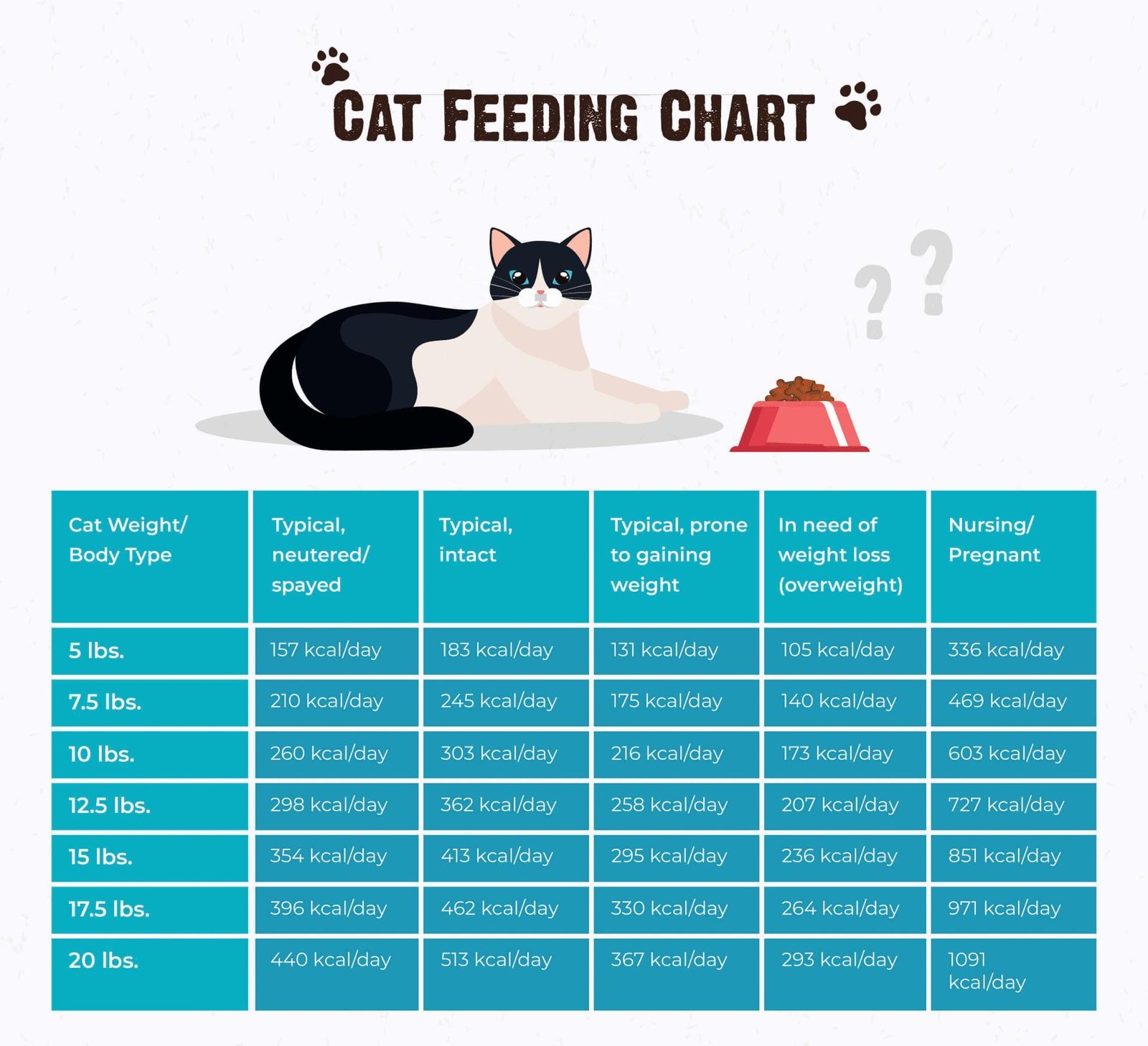
Heavier cats or those with larger builds naturally need more food to maintain their body weight. But it’s crucial to differentiate between healthy weight and overweight. Feeding a chubby cat the same amount as a lean cat of the same size could lead to health issues.
Try weighing your cat regularly or using a body condition score to judge if they’re at a healthy weight. Adjusting food portions based on these checks can keep your cat fit and energetic.
Activity Level
Active cats that spend time running, jumping, or hunting outdoors burn more calories. These energetic cats need extra food to fuel their busy lifestyle. Conversely, indoor or less active cats require fewer calories to avoid excess weight.
Think about your cat’s daily routine: Do they chase toys or lounge around most of the day? Tailoring their food intake to their activity level can make a big difference in their overall health.
Health Conditions
Certain health issues like diabetes, kidney problems, or thyroid disease affect how much your cat should eat. Some conditions require special diets or controlled portions to manage symptoms and prevent complications.
Always consult your vet if your cat has health problems before changing their food amount. Have you seen how a small dietary change improved your cat’s wellbeing? Monitoring and adapting based on health is key.
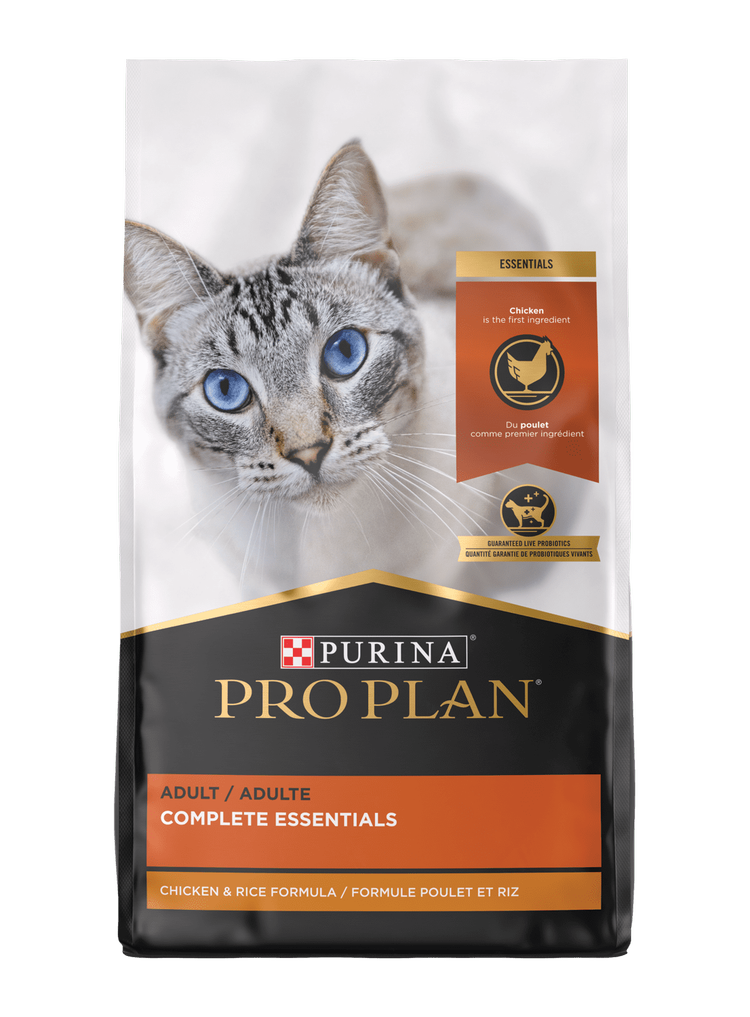
Credit: www.purina.com
Types Of Cat Food And Portions
Understanding the types of cat food and the right portions can make a huge difference in your cat's health and happiness. Cats have unique dietary needs, and the way you feed them impacts their energy, weight, and overall well-being. Let's look closely at how much dry and wet food your cat should eat daily and how to balance both.
Dry Food Serving Sizes
Dry cat food is convenient and easy to store, but portion control is key. Most adult cats need between 1/4 to 1/3 cupof dry food per meal, usually twice a day. Always check the package for feeding guidelines based on your cat's weight and activity level.
Keep in mind that some cats may overeat dry food if it's left out all day. If your cat is prone to weight gain, try timed feeding instead of free-feeding. Using a measuring cup ensures you don’t accidentally overfeed.
Wet Food Serving Sizes
Wet food is great for hydration and often more palatable for picky eaters. A typical portion is about 3 to 6 ouncesper meal, depending on the cat’s size and metabolism. Feeding wet food once or twice daily is common.
Since wet food is more calorie-dense, it’s easier to overfeed. You might notice your cat finishing a whole can in one sitting, but splitting it into smaller meals can help regulate intake. Pay attention to how active your cat is to adjust portions accordingly.
Mixing Wet And Dry Food
Combining wet and dry food can offer the best of both worlds—dry food for dental health and wet food for moisture. However, portion sizes need adjusting to avoid overfeeding.
For example, if you feed 1/4 cup of dry food in the morning, you might offer 3 ounces of wet food in the evening. This balance keeps your cat satisfied without extra calories.
Have you noticed how your cat reacts to mixed meals? Some cats prefer wet food in the morning and dry at night, while others do the opposite. Experiment with timing and amounts to find what suits your furry friend best.
Reading Cat Food Labels
Reading cat food labels is more important than you might think when deciding how many cups of food to feed your cat each day. Labels hold key information about the food’s energy content and nutritional value. Understanding this data helps you avoid overfeeding or underfeeding your furry friend.
Calories Per Serving
Calories tell you how much energy your cat gets from one serving of food. This number varies between brands and formulas. For example, a high-protein formula might have 350 calories per cup, while a lower-calorie weight control food could have 250 calories per cup.
Knowing the calorie content is crucial because your cat’s daily calorie needs depend on their age, weight, and activity level. You can calculate how many cups to feed by dividing your cat’s daily calorie requirement by the calories per cup listed on the label. Have you checked if the calories match your cat’s lifestyle recently?
Nutritional Information
Look beyond calories to the nutritional breakdown. Key nutrients like protein, fat, fiber, and moisture are listed as percentages. Protein is especially important for cats since they are obligate carnivores and need it to stay healthy.
Check if the protein content matches your cat’s health needs. For instance, kittens and active cats require more protein than senior or less active cats. Fat content affects energy levels and coat health, while fiber can help with digestion. Do you know what balance works best for your cat?
Feeding Guidelines
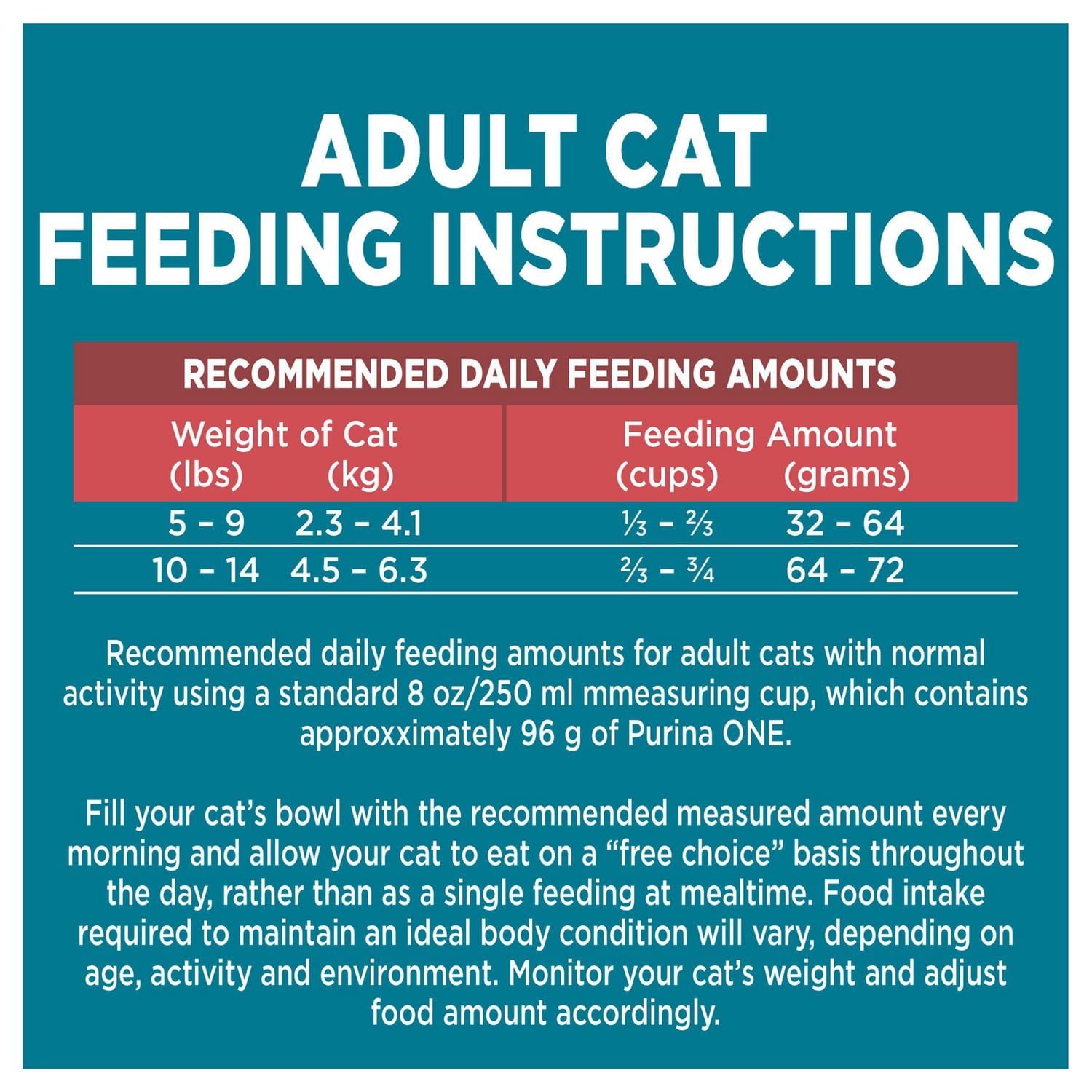
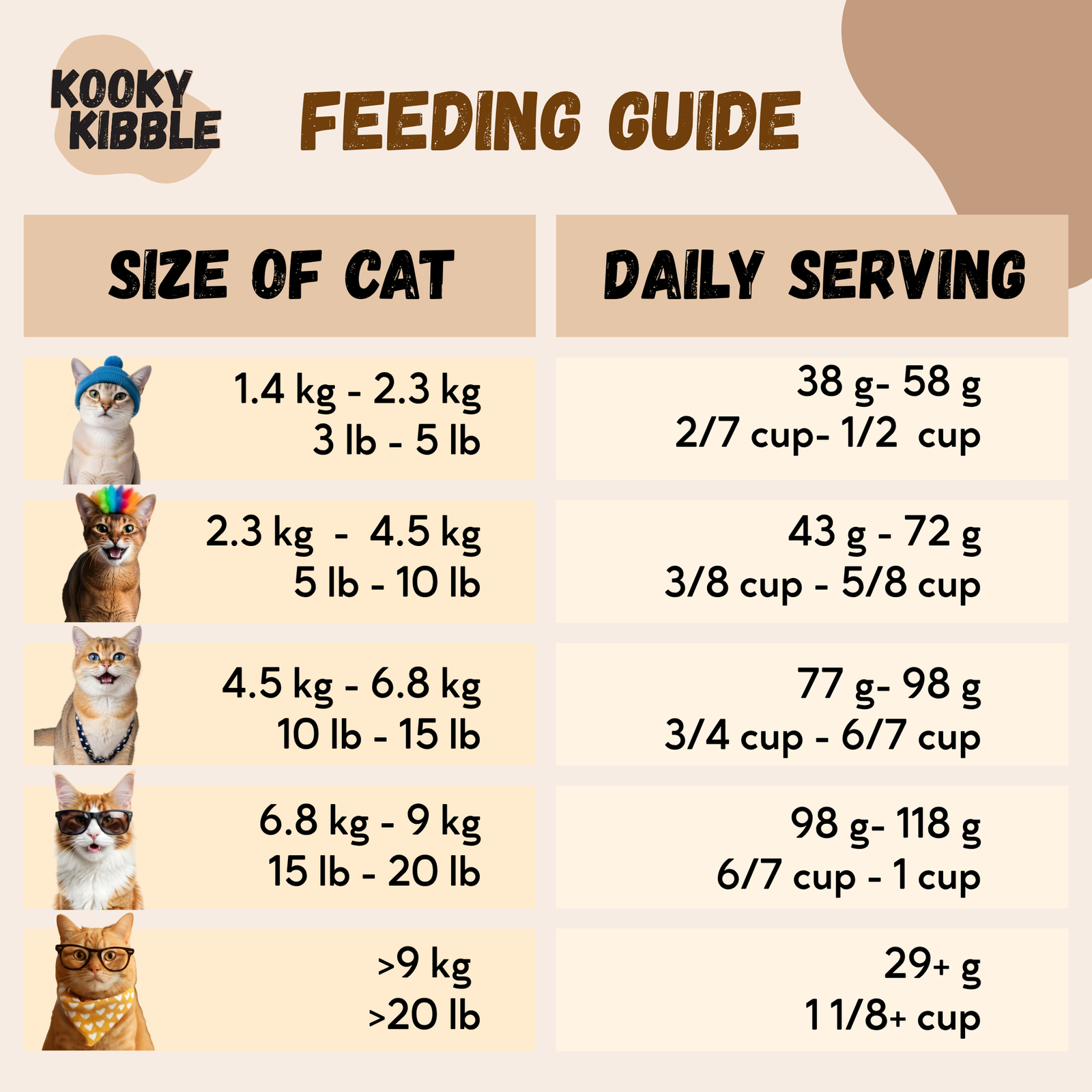
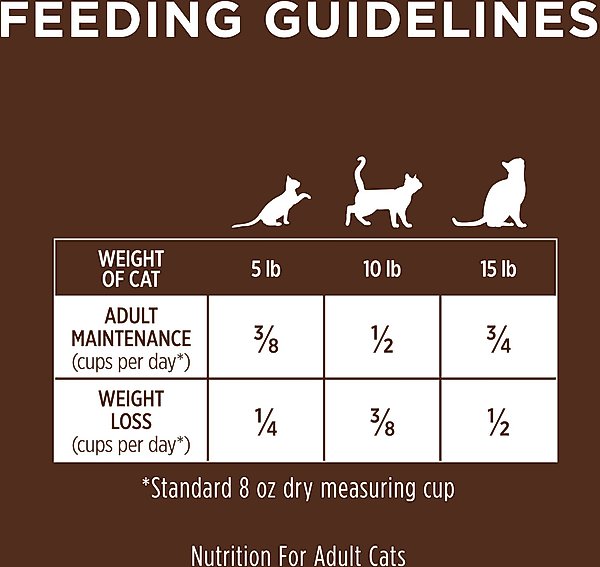
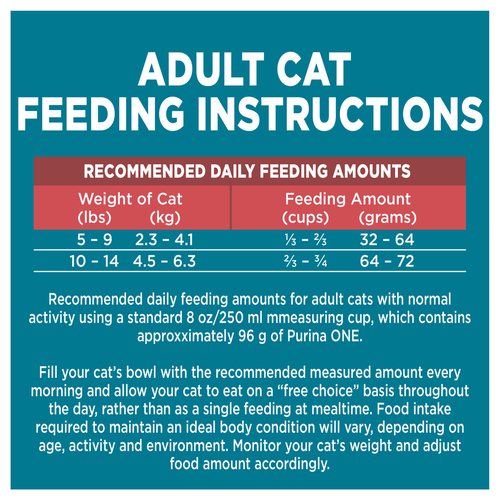
Most cat food labels include feeding guidelines based on your cat’s weight. These are general recommendations to help you estimate daily portions. However, these guidelines don’t consider your cat’s specific metabolism or activity.
Use feeding guidelines as a starting point, then adjust based on your cat’s body condition and appetite. If your cat gains or loses weight unexpectedly, tweak the portions accordingly. Have you noticed changes in your cat’s weight that might mean it’s time to adjust the feeding amount?
Adjusting Portions For Weight Management
Adjusting your cat's food portions is key to managing their weight effectively. Proper portion control helps keep your cat healthy and active. Each cat’s needs vary based on age, activity, and body condition. Monitoring weight changes guides you in adjusting daily food amounts. Small, gradual changes prevent sudden health issues and keep your cat comfortable.
Overweight Cats
For overweight cats, reduce daily food portions slightly. Cutting calories helps them lose weight safely. Avoid sudden, large cuts to prevent stress and health problems. Feed measured portions and avoid free feeding. Use a food scale or measuring cup for accuracy. Include more playtime to increase activity and burn calories.
Underweight Cats
Underweight cats need more calories and nutrients. Increase food portions gradually to avoid digestive upset. Choose high-quality, nutrient-rich cat food for better weight gain. Offer meals more frequently to encourage eating. Monitor weight weekly and adjust portions as needed. Consult a vet if weight gain is slow or stops.
Maintaining Ideal Weight
Maintaining your cat’s ideal weight requires balanced portions. Feed the recommended amount based on your cat’s size and activity. Avoid overfeeding by measuring food precisely. Keep treats minimal and count them as part of daily calories. Regularly weigh your cat to track weight stability. Adjust portions slightly with changes in activity or age.
Feeding Frequency Tips
Feeding your cat the right amount of food each day is important for their health. How often you feed them affects their digestion and energy levels. Consistent feeding times help your cat feel secure. Understanding feeding frequency can make mealtimes smoother for both of you.
Meal Timing
Feed your cat at regular times each day. Cats often like routine and can get hungry around the same time. Most adult cats do well with two meals daily. Morning and evening work best for many owners.
Keep meal portions consistent to avoid overeating. Avoid leaving food out for long periods unless using free feeding. Timing meals helps control your cat’s weight. It also helps you notice changes in their appetite quickly.
Free Feeding Vs Scheduled Feeding
Free feeding means leaving dry food out all day. Cats can eat whenever they want. This suits some cats but may cause overeating. It’s harder to monitor how much your cat eats this way.
Scheduled feeding means offering set meals at specific times. This helps control portion size and prevents obesity. Scheduled feeding encourages bonding during mealtime. It also makes it easier to track your cat’s health.
Choose the method that fits your cat’s needs and your lifestyle. Some cats do well with free feeding, others need set meals. Watch your cat’s behavior and weight to adjust feeding style.
Credit: www.chewy.com
Common Feeding Mistakes To Avoid
Feeding your cat the right amount of food daily is crucial, but many pet owners make common mistakes without realizing the impact on their feline friend’s health. These errors can lead to weight problems, nutritional imbalances, or even behavioral issues. Let’s look at some feeding mistakes you should watch out for to keep your cat happy and healthy.
Overfeeding Risks
Giving your cat too much food can quickly lead to obesity, which increases the risk of diabetes, joint pain, and heart problems. Cats don’t always regulate their food intake naturally, so free feeding or offering too many treats can be dangerous. Have you ever noticed your cat begging constantly? That might be a sign you’re unintentionally encouraging overeating.
Try measuring your cat’s food with a proper cup or scale to avoid guessing. Remember, even a little extra each day adds up over time. Adjust feeding amounts based on your cat’s age, activity level, and body condition regularly.
Ignoring Individual Needs
Every cat is unique, so feeding them the same amount or type of food as another cat might not meet their needs. Some cats require more calories due to high activity, while others need fewer because they’re less active or have health issues. Ignoring these differences can cause malnutrition or weight issues.
Consider factors like your cat’s weight, age, breed, and health status before deciding how much to feed. If your cat has medical conditions like kidney disease or diabetes, consult your vet for a tailored feeding plan. Have you noticed your cat’s appetite or energy change? That’s a clue you may need to adjust their diet.
Credit: www.sobeys.com
Frequently Asked Questions
How Many Cups Of Cat Food Should I Feed Daily?
Most adult cats need about 1/3 to 1/2 cup of dry food daily. This varies by age, weight, and activity level. Always check your cat food label for specific feeding guidelines. Adjust portions based on your cat's health and hunger signals.
Does Cat Size Affect Daily Food Cups Needed?
Yes, larger cats usually require more food than smaller cats. Kittens and active cats also need more calories. Tailor the amount to your cat’s size and energy needs for optimal health.
How To Measure Cat Food Cups Accurately?
Use a standard measuring cup for accuracy. Avoid guessing portions by eye, as this can lead to overfeeding. Consistent measurement helps maintain your cat’s ideal weight.
Can Feeding Too Many Cups Harm My Cat?
Yes, overfeeding can cause obesity and health issues. Stick to recommended portions and monitor your cat’s weight. Consult your vet if unsure about the right amount.
Conclusion
Finding the right amount of cat food is crucial. Cats need proper nutrition daily. Overfeeding can lead to weight issues. Underfeeding might cause health problems. Always consider your cat's age and activity level. Check the food packaging for guidance. Consult your vet for personalized advice.
Every cat is different, needing specific care. Gradually adjust the food amount if needed. Observe your cat's behavior and weight. A healthy cat is a happy cat. Stay attentive and ensure your cat's well-being. Regular check-ups and balanced meals are key.
Your furry friend deserves the best care possible.