
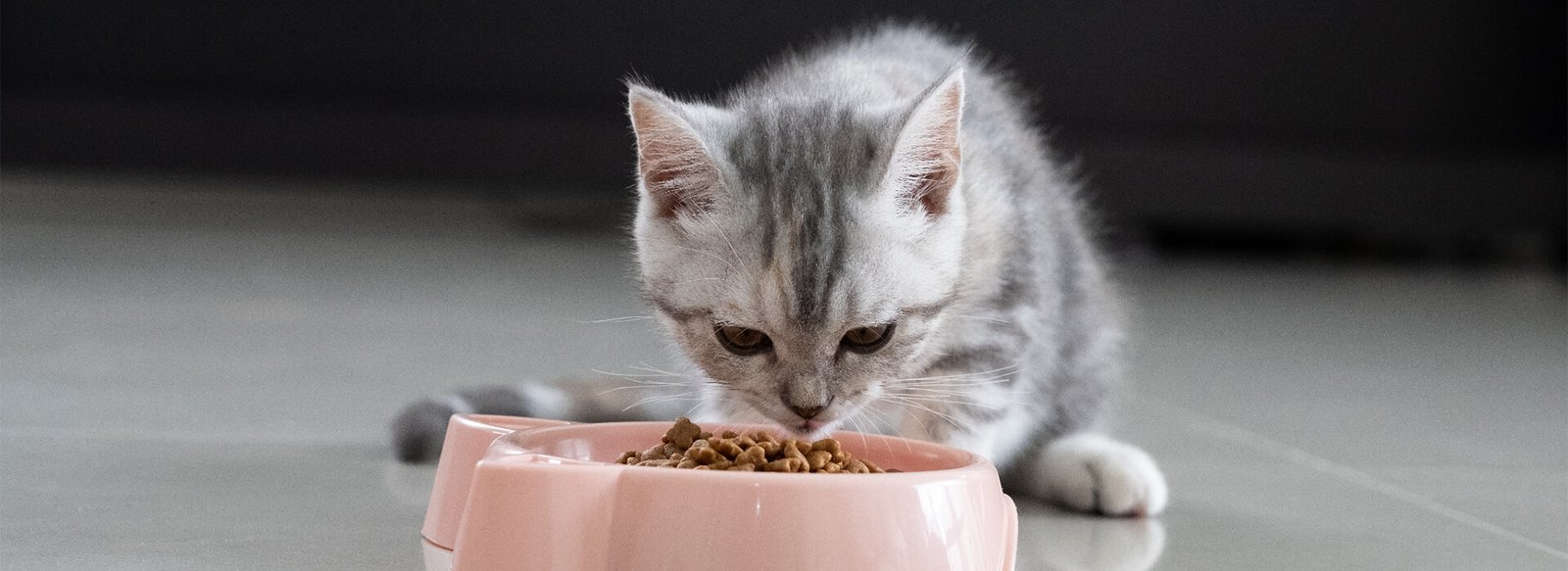
Are you a proud parent of a playful kitten, wondering how long you should stick to kitten food? You're not alone!
Many cat owners are curious about the right time to transition their little furballs to adult cat food. Feeding your kitten the right nutrition is crucial for their growth and health, but knowing when to make the switch can be tricky.
We'll unravel the mystery and give you clear answers. Keep reading to ensure your kitten gets the best start in life and grows into a healthy, happy cat. Understanding this can make all the difference for your feline friend, and we promise, by the end of this article, you'll feel confident in your feeding decisions.
Credit: www.petmd.com
Kitten Food Benefits
Kitten food offers special benefits designed to meet the needs of growing cats. It contains the right balance of nutrients that support healthy growth. Feeding kittens with proper food helps them build strong bones and muscles. It also supports their immune system and keeps their energy levels high. Choosing the right food makes a big difference in their overall health.
Nutritional Needs Of Kittens
Kittens need more protein than adult cats to grow well. Kitten food provides high-quality protein to build muscles. It also includes essential fats that help with brain development. Vitamins and minerals in kitten food promote strong bones and healthy skin. The food is easy to digest, which helps kittens absorb nutrients better. This ensures they get everything required for a healthy start.
Growth And Development Support
Kitten food supports rapid growth during the first months. It contains extra calories to fuel their active lifestyle. The right balance of calcium and phosphorus helps develop strong teeth and bones. Antioxidants in kitten food protect cells and support a strong immune system. Feeding kitten food until they reach about one year helps them grow into healthy adults.
Ideal Feeding Duration
Understanding the ideal feeding duration for kitten food is essential for your cat’s health and growth. Feeding your cat kitten food too long or switching too early can impact their development and well-being. Knowing when and how to transition helps you provide the right nutrients at the right time.
Age To Start Transitioning
Most cats should start transitioning from kitten food around 9 to 12 months old. This is when their growth rate slows down, and their nutritional needs shift. However, some larger breeds may need kitten food a bit longer, up to 18 months.
It’s important to watch your cat’s behavior and body condition rather than just following the calendar. If your cat is still very active and growing, delaying the transition might be better. Have you noticed changes in your cat’s appetite or energy that suggest it’s time to reconsider their diet?
Signs To Switch To Adult Food
Look for clear signs before making the switch. Your cat may start to show less interest in kitten food or maintain a stable weight without growth spurts. Their coat might become shinier, and their energy levels could stabilize.
- Steady weight with no rapid gain
- Lower activity compared to early kittenhood
- Reduced appetite for kitten-formulated meals
Switching gradually over 7 to 10 days helps avoid digestive upset. Mix increasing amounts of adult food with kitten food daily until your cat fully adapts. Have you tried mixing foods to see how your cat handles the change?
Transitioning Tips
Switching your kitten from kitten food to adult cat food is a crucial phase that needs care and patience. A smooth transition helps avoid digestive issues and ensures your cat continues to enjoy their meals. Here are some practical tips to help you navigate this change effectively.
Gradual Food Changes
Start by mixing a small amount of adult cat food into your kitten's current diet. Increase the adult food portion slowly over 7 to 10 days while decreasing the kitten food. This gradual shift allows your cat’s digestive system to adjust without stress.
Try mixing the foods in different ratios each day. For example:
| Day | Kitten Food | Adult Food |
|---|---|---|
| 1-3 | 75% | 25% |
| 4-6 | 50% | 50% |
| 7-10 | 25% | 75% |
Have you noticed your cat’s preference for certain textures or flavors? Use that insight to choose the adult food that feels familiar and appealing to your cat.
Monitoring Your Cat's Reaction
Watch how your cat responds during the transition period. Look for signs like changes in appetite, stool consistency, or energy levels. These can indicate how well your cat is adapting.
If your cat refuses the new food or shows digestive upset, slow down the transition. Sometimes a pause or a slight return to the previous ratio helps. Remember, patience is key in this phase.
Keep a daily log of your cat’s behavior and eating habits. This simple step helps you track progress and spot any issues early on. Have you ever noticed a sudden change in your cat’s mood during feeding? That might be a clue worth noting.
Feeding Frequency And Portion
Feeding your kitten the right amount of food at the right times helps them grow healthy and strong. Kitten food is rich in nutrients but feeding too much or too little can cause problems. Knowing how often to feed and how much to give is key for their development.
Recommended Meal Times
Kittens need frequent meals because they have small stomachs and high energy needs. Feeding them three to four times a day works best. This schedule keeps their energy steady throughout the day and supports fast growth.
- Morning meal
- Midday meal
- Afternoon meal
- Optional evening meal
As kittens grow, meal frequency can reduce. By six months, feeding twice a day is usually enough.
Adjusting Portions With Age
Kittens require more calories than adult cats. Start with small portions and increase as they grow. Check the kitten food label for serving size based on weight. Watch your kitten’s weight and energy to decide if portions need changing.
- Up to 3 months: feed small, frequent meals
- 3 to 6 months: increase portion size gradually
- 6 months and older: transition to adult portions
Keep fresh water available at all times. Proper portion control prevents obesity and supports healthy growth.
Choosing The Right Food
Choosing the right food for your kitten sets the foundation for a healthy and happy cat. Your choice impacts their growth, energy levels, and even long-term health. Understanding what to feed and when to transition from kitten to adult food can feel overwhelming, but focusing on quality and nutrition makes the process easier.
Wet Vs Dry Kitten Food
Deciding between wet and dry kitten food depends on your kitten’s needs and your lifestyle. Wet food contains more moisture, which helps keep your kitten hydrated and supports kidney health. It also tends to be more appealing to picky eaters because of its texture and aroma.
Dry food, on the other hand, is convenient and helps maintain dental health by reducing plaque buildup. It’s easier to store and usually more affordable, making it a practical choice for many cat owners. Some vets recommend mixing wet and dry food to balance hydration and dental benefits.
Ingredients To Look For
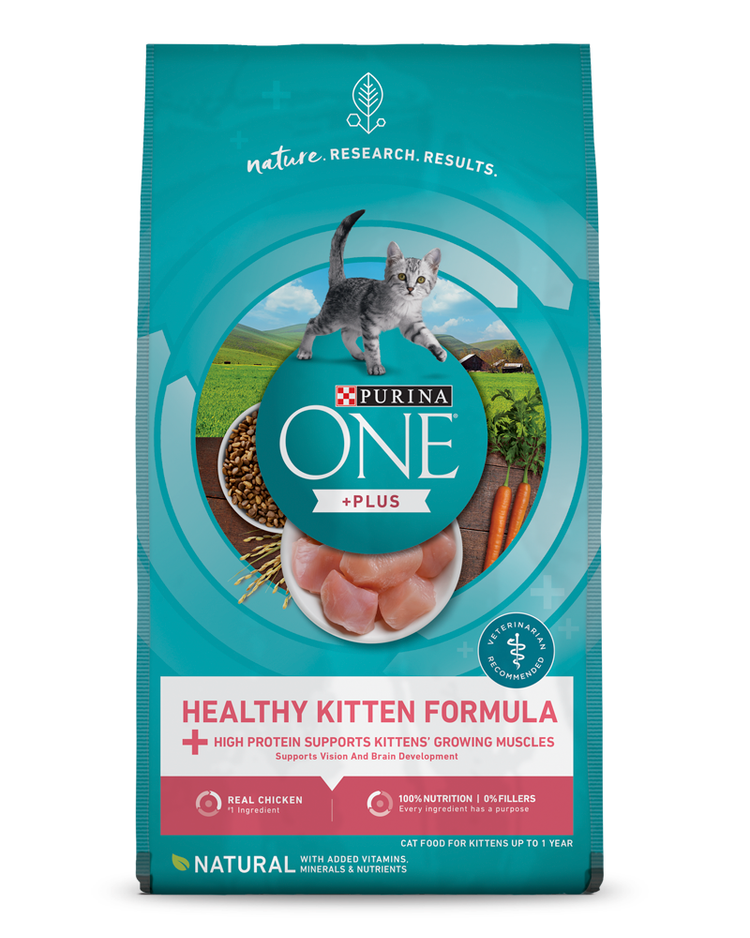
Quality ingredients make all the difference in kitten food. Look for real meat or fish listed as the first ingredient—this ensures your kitten gets enough protein for muscle and brain development. Avoid foods with too many fillers like corn or soy, which offer little nutritional value.
Essential nutrients like taurine, DHA, and vitamins are crucial for your kitten’s growth. Taurine supports heart and eye health, while DHA helps brain development. Check the label for these nutrients to ensure you’re giving your kitten a balanced diet that supports their rapid growth.
Credit: www.purina.com
Special Considerations
Feeding your kitten the right food is crucial, but sometimes you need to think beyond just age. Special considerations can influence how long your cat should stay on kitten food. These factors help ensure your furry friend gets the nutrition they truly need for a healthy life.
Health Conditions Affecting Diet
Some cats have health issues that change their dietary needs. For instance, a kitten with digestive problems might need a gentler formula for longer than typical kittens. If your cat has allergies or food sensitivities, switching too early could cause discomfort or illness.
Have you noticed your kitten reacting poorly to new foods? It might be time to consult your vet before changing diets. Chronic conditions like kidney disease or diabetes also mean your cat might need special food well beyond kitten stages.
Breed-specific Needs
Certain breeds grow at different rates and require food tailored to their unique needs. Large breeds such as Maine Coons often benefit from staying on kitten food longer because they take more time to reach full size. Smaller breeds might need to switch earlier to avoid gaining excess weight.
Do you know your cat’s breed-specific growth patterns? This knowledge helps you adjust feeding schedules and types. Paying attention to breed traits ensures your cat’s diet supports their natural development and energy levels.
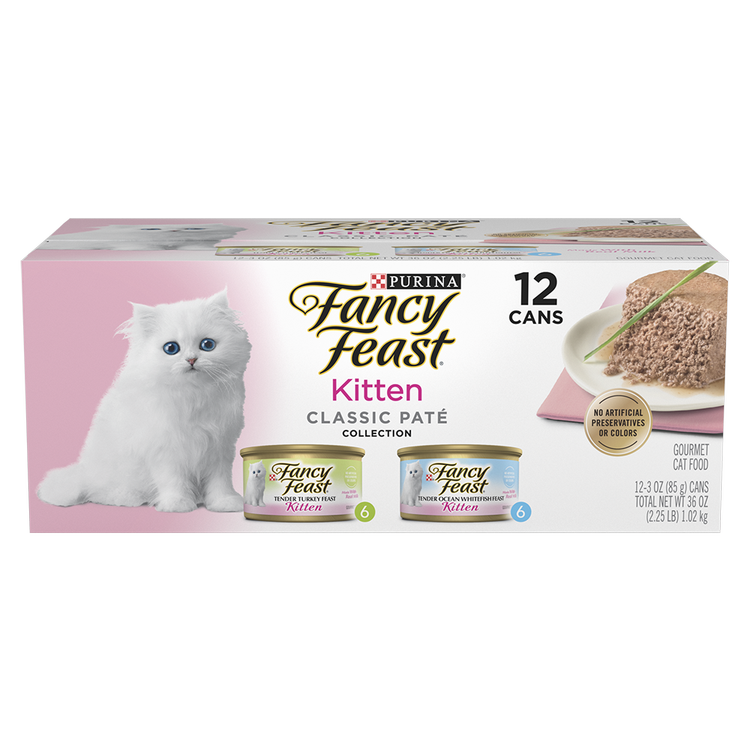
Credit: www.purina.com
Frequently Asked Questions
How Long Do Kittens Need Kitten Food?
Kittens should eat kitten food for about 12 months. This period supports their rapid growth and development. After one year, you can gradually switch to adult cat food.
When To Switch From Kitten To Adult Cat Food?
Switch from kitten to adult food at 12 months old. This ensures your cat receives proper nutrition for maintenance. Consult your vet if your cat has special dietary needs.
Can I Feed My Kitten Adult Cat Food Early?
Feeding adult cat food too early can harm kittens. Kitten food has extra nutrients essential for growth. Always wait until the kitten is around one year old before switching.
Why Is Kitten Food Important For Young Cats?
Kitten food contains higher protein, fat, and calories. These nutrients support strong bones, muscles, and brain development. Feeding kitten food ensures your cat grows healthy and strong.
Conclusion
Feeding your cat kitten food helps their growth and health. Most cats switch to adult food by one year old. Watch your cat’s size, energy, and teeth to know the right time. Gradually change the food to avoid stomach upset.
Always provide fresh water along with their meals. Giving the right food helps your cat stay strong and happy. Trust your pet’s needs and enjoy the journey together.