

You love your furry friend like family, and you want the best for them. You feed them well, take them on long walks, and give them endless cuddles.
But there's one important question you might be overlooking: "How long should I brush my dog's teeth? " Dental care for your dog is just as crucial as it is for you. Neglecting it can lead to bad breath, gum disease, and even more serious health issues.
You might wonder if you're brushing enough or if you're doing it right. This is where you can make a difference in your dog’s life. By learning the proper timing and technique, you can ensure your pup's teeth stay healthy and strong. Ready to discover the secrets to a happier, healthier canine smile? Let's dive in and find out how you can give your dog the best dental care possible.
Credit: www.woofpurnayvet.com.au
Importance Of Dog Dental Care
Good dental care is key to your dog's health and happiness. Healthy teeth help your dog eat well and feel good. Poor dental care can lead to pain and illness. Regular brushing keeps your dog's mouth fresh and clean. It also stops bad breath and plaque build-up. Taking care of your dog's teeth is part of caring for their whole body.
Health Risks Of Poor Dental Hygiene
Bad dental hygiene can cause serious health problems in dogs. Plaque and tartar build-up lead to gum disease. This can cause pain, bleeding, and tooth loss. Bacteria from the mouth can enter the bloodstream. It may harm the heart, liver, and kidneys. Untreated dental issues lower your dog’s quality of life.
Benefits Of Regular Teeth Brushing
Brushing your dog’s teeth often keeps their mouth healthy. It removes plaque before it hardens into tartar. This prevents gum disease and tooth decay. Regular brushing reduces bad breath and mouth infections. It also helps your dog avoid costly vet visits. A clean mouth supports your dog’s overall health and well-being.
Credit: www.fetchpet.com
Ideal Brushing Duration
Brushing your dog's teeth is vital for its oral health. The right brushing duration helps remove plaque and prevent dental issues. Too short may leave debris; too long can cause discomfort. Finding the ideal brushing time keeps your dog calm and clean.
Recommended Time Per Session
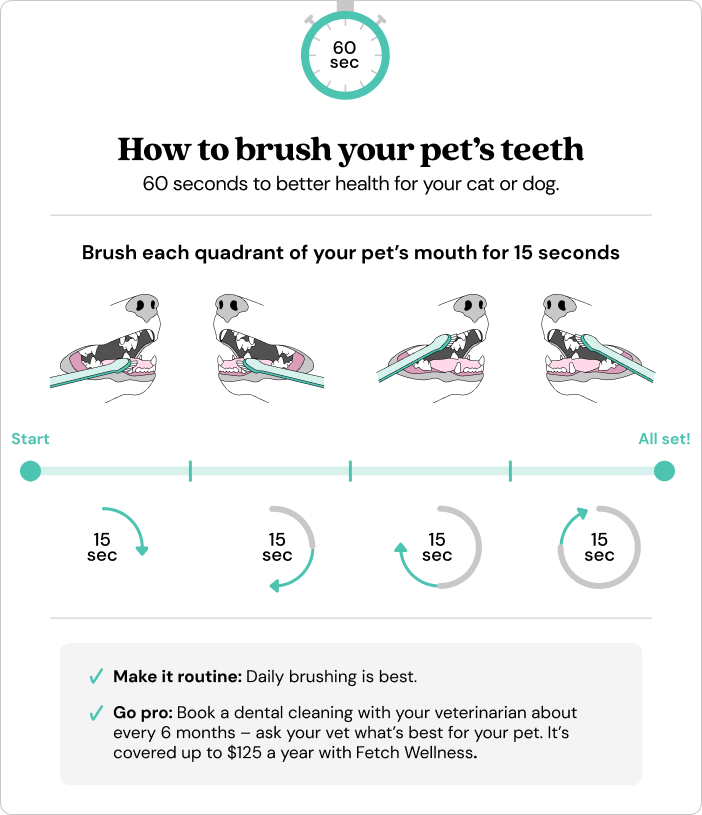
Each brushing session should last about two minutes. This time is enough to clean all teeth surfaces thoroughly. Focus on the outer and inner sides of teeth. Divide the time equally between the upper and lower jaws. Use gentle, circular motions for better cleaning.
Signs Of Effective Brushing
- Teeth look clean and free of visible plaque.
- Gums appear pink and healthy, not red or swollen.
- Your dog stays calm and does not resist brushing.
- Breath smells fresher after brushing.
- Regular brushing reduces tartar buildup over time.
Best Brushing Techniques
Brushing your dog's teeth is key for their health. Using the best techniques makes brushing easy and effective. It helps keep their teeth clean and prevents bad breath. Taking time to brush properly protects your dog’s gums and teeth from disease.
Choosing The Right Toothbrush And Toothpaste
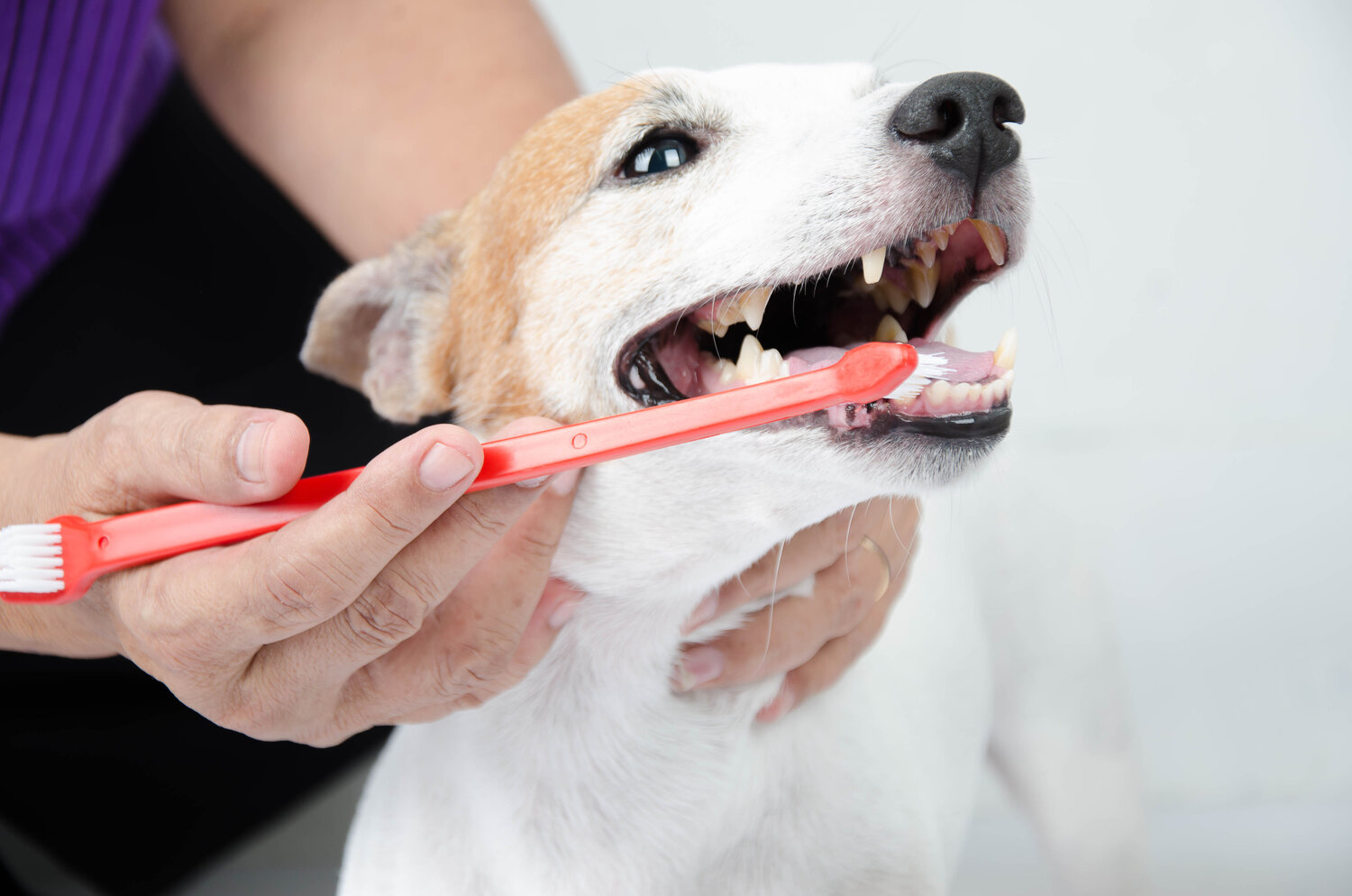
Pick a toothbrush made for dogs. Their brushes have softer bristles and a shape that fits small mouths. Some dogs like finger brushes for gentle control. Use toothpaste made for dogs only. Human toothpaste can hurt their stomach. Dog toothpaste comes in flavors they enjoy, like chicken or peanut butter.
Step-by-step Brushing Guide
- Let your dog smell and taste the toothpaste first.
- Hold the brush at a 45-degree angle to the teeth.
- Brush the outer surfaces gently in small circles.
- Clean the back teeth where plaque builds up most.
- Brush for about two minutes, covering all teeth.
- Reward your dog with praise or a treat after brushing.
Frequency Of Brushing
Keeping your dog's teeth clean is essential for their health. The frequency of brushing plays a big role in preventing dental problems. Regular brushing removes plaque and stops tartar buildup. It also helps avoid bad breath and gum disease.
Daily Vs. Weekly Brushing
Daily brushing is best for most dogs. It keeps their teeth in top shape and lowers the chance of dental issues. Even just two or three times a week can help, but daily is ideal.
Weekly brushing is better than none, but it allows plaque to build up more. This can lead to gum problems and tooth decay over time. Daily care gives your dog the best protection.
Adjusting Frequency Based On Dog’s Needs
Some dogs need more frequent brushing than others. Small breeds and older dogs often have more dental problems. They may need brushing every day.
Dogs with good dental health might do well with brushing a few times a week. Talk to your vet to find the right routine for your dog. Watch for signs like bad breath or red gums. These signs mean your dog needs more care.
Making Brushing Comfortable
Making brushing comfortable helps your dog accept the routine easily. Dogs may feel nervous or scared about tooth brushing at first. Creating a calm and positive experience encourages good dental habits. Patience and gentle handling build trust over time. The goal is to make brushing a stress-free activity for both you and your dog.
Training Your Dog For Brushing
Start by letting your dog sniff the toothbrush. Use a soft brush made for dogs. Offer small treats to create positive feelings. Brush just a few teeth at first. Gradually increase the brushing time as your dog gets used to it. Keep sessions short and calm. Praise your dog often to build confidence. Consistency helps dogs learn faster. Training daily is better than long sessions once a week.
Handling Resistant Dogs
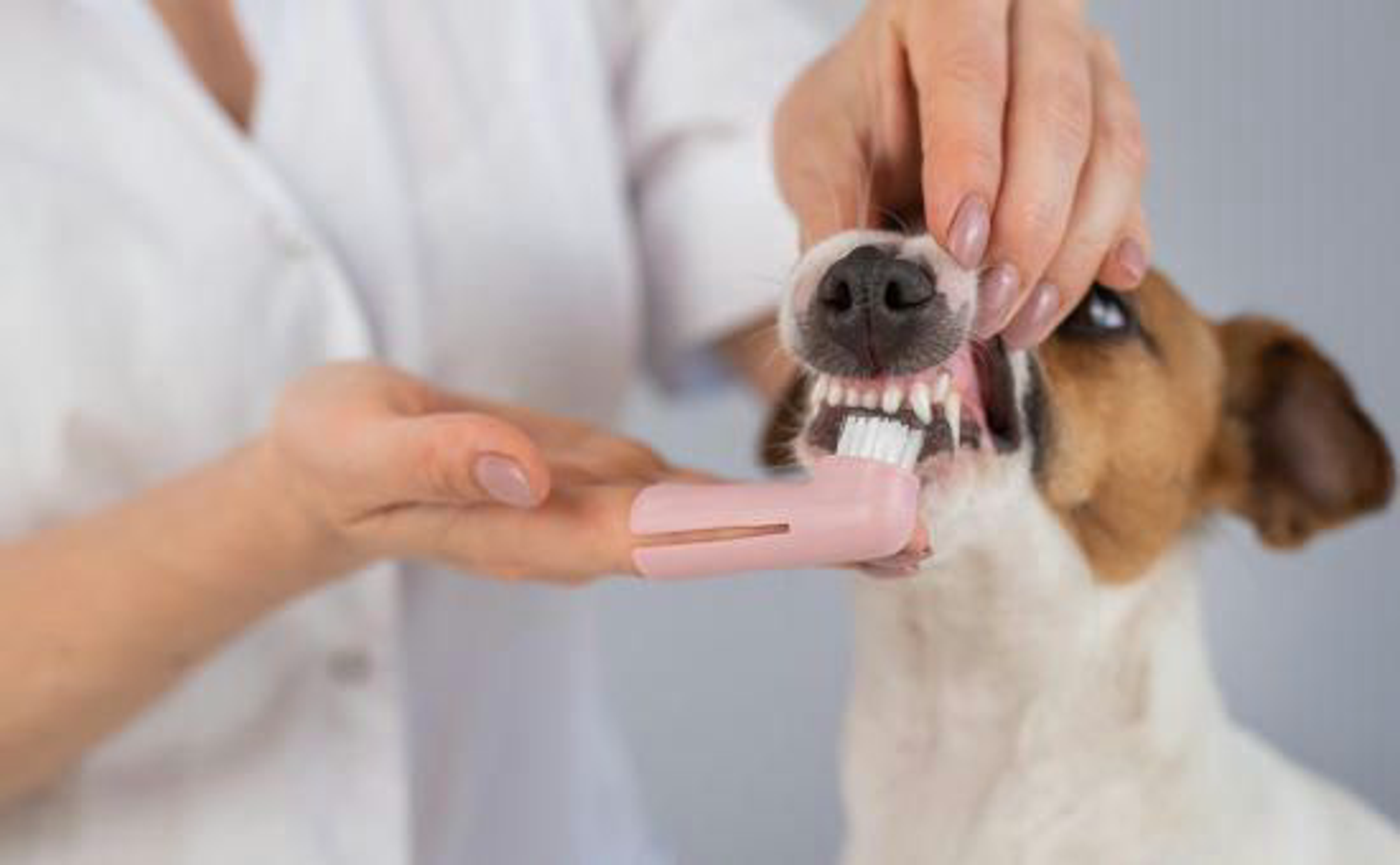
Some dogs resist brushing no matter what. Try brushing after exercise when they are calmer. Use a finger brush if a toothbrush feels scary. Wrap your dog in a towel to keep them steady. Speak softly and stay calm during brushing. Stop and try again later if your dog gets upset. Avoid forcing your dog to prevent fear. Consult a vet if your dog shows strong resistance. They can suggest safe alternatives or professional cleaning.
Additional Dental Care Tips
Brushing your dog’s teeth is essential, but it’s only one piece of the dental care puzzle. To keep your furry friend’s smile healthy, you need to add other habits that support dental hygiene. These additional tips can make a big difference in preventing plaque buildup and bad breath.
Using Dental Chews And Toys
Dental chews and toys are great tools to help clean your dog’s teeth between brushings. They work by scraping off plaque and massaging the gums as your dog chews. Choose chews designed specifically for dental health to avoid harmful ingredients or excessive calories.
My dog loves her dental chew after every walk—it keeps her busy and her teeth cleaner. Have you noticed how some dogs prefer certain textures? Trying different types might help you find the perfect match for your dog’s chewing style.
- Look for products approved by veterinary dental associations.
- Avoid chews that are too hard to prevent tooth fractures.
- Use toys with ridges or nubs to promote gum stimulation.
Regular Vet Dental Checkups
Even with daily brushing and chews, your dog needs professional dental checkups. Vets can spot problems you might miss, like hidden tartar or early signs of gum disease. These visits often include a thorough cleaning under anesthesia to remove buildup safely.
Think about how often you visit your dentist—shouldn't your dog get the same care? Scheduling regular dental exams can catch issues early and save your pet from pain or tooth loss.
- Ask your vet how often your dog needs dental checkups based on age and breed.
- Discuss any changes in your dog’s chewing habits or breath odor.
- Keep a record of dental visits to track your dog’s oral health over time.
Credit: www.green-petfood.com
Frequently Asked Questions
How Long Should I Brush My Dog's Teeth Daily?
You should brush your dog's teeth for about 2 minutes daily. This duration helps remove plaque effectively and maintain oral health. Consistent brushing prevents dental diseases and keeps your dog's breath fresh.
How Often Should I Brush My Dog's Teeth?
Brush your dog's teeth at least 3 to 4 times per week. Daily brushing is ideal for best results. Regular care reduces tartar buildup and promotes healthier gums and teeth.
What Is The Best Way To Brush A Dog's Teeth?
Use a dog-specific toothbrush and toothpaste. Gently brush in circular motions on all tooth surfaces. Start slowly and reward your dog to build positive habits.
Can Brushing Teeth Prevent Dog Dental Problems?
Yes, regular brushing prevents plaque, tartar, and gum disease. It reduces bad breath and lowers the risk of tooth loss. Proper dental care improves your dog's overall health.
Conclusion
Brushing your dog’s teeth for two minutes is best. This keeps their mouth clean and healthy. Short sessions work well for restless dogs. Regular brushing helps prevent bad breath and tooth problems. Use a soft brush and dog-friendly toothpaste every day.
Small steps make a big difference over time. Healthy teeth mean a happier dog. Start slow and be patient with your pet. Keep brushing simple and consistent for good results.