If you have a kitten or are planning to get one, you might be wondering how long your furry friend should stay on kitten food. It’s a common question because feeding your cat the right food at the right time is crucial for their growth and health.
You want to make sure your kitten gets all the nutrients they need without switching too soon or staying on kitten food for too long. Keep reading to find out exactly when and why you should make the change, so your cat stays happy and healthy every step of the way.
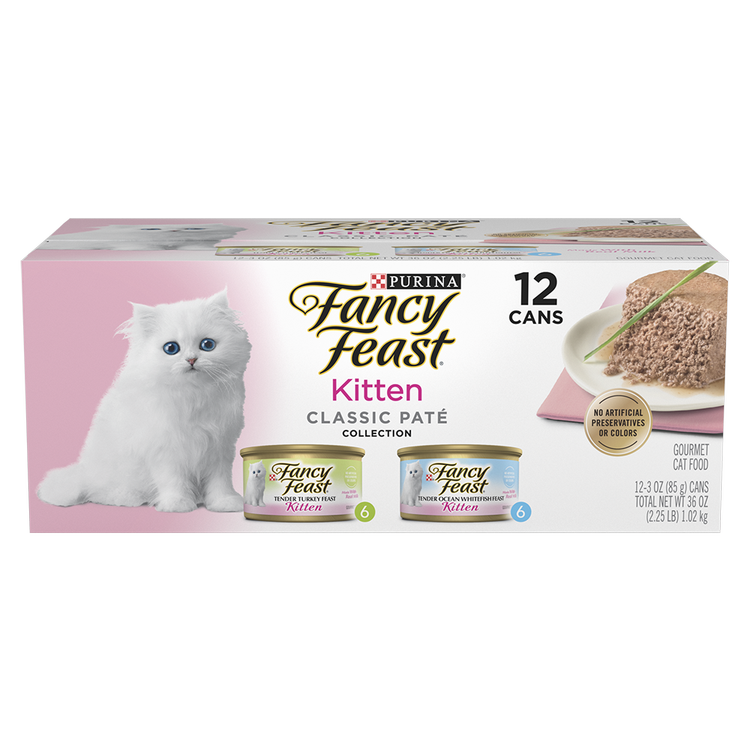
Credit: www.purina.com
Kitten Food Basics
Feeding a kitten the right food is key to healthy growth. Kitten food supports development in ways adult cat food cannot. Understanding the basics helps you choose the best diet for your young cat.
Nutritional Needs Of Kittens
Kittens need more calories than adult cats. Their bodies grow fast and burn energy quickly. Protein supports muscle and tissue growth. Fat provides essential energy and helps brain development. Vitamins and minerals strengthen bones and the immune system. Balanced nutrients help kittens stay active and healthy.
Differences Between Kitten And Adult Cat Food
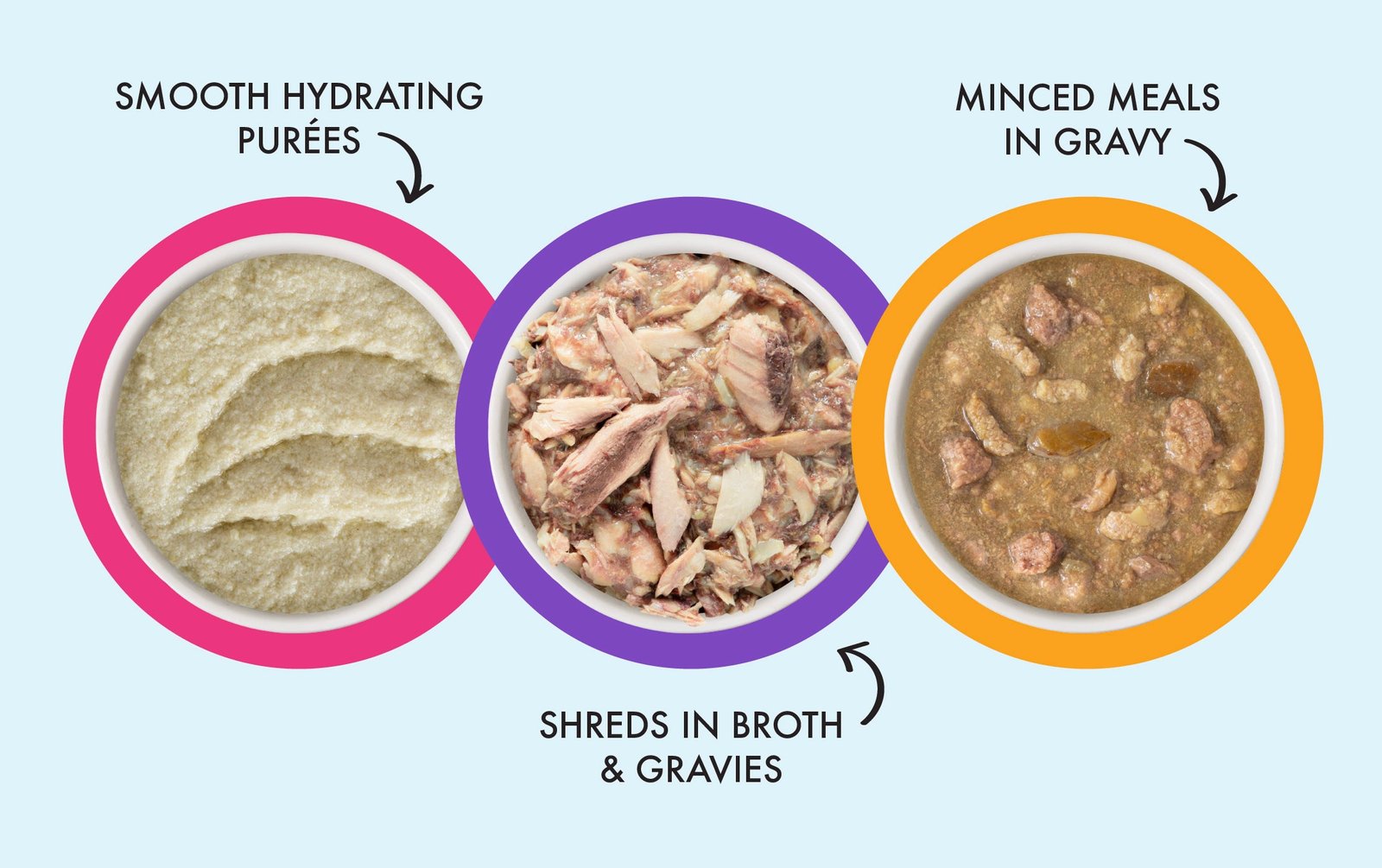
Kitten food contains higher protein and fat levels. It has extra vitamins like calcium and phosphorus for bone growth. The texture is softer to match kitten teeth and jaws. Adult cat food has fewer calories and less fat. It focuses more on maintaining weight and health. Feeding kitten food beyond growth can cause weight gain.
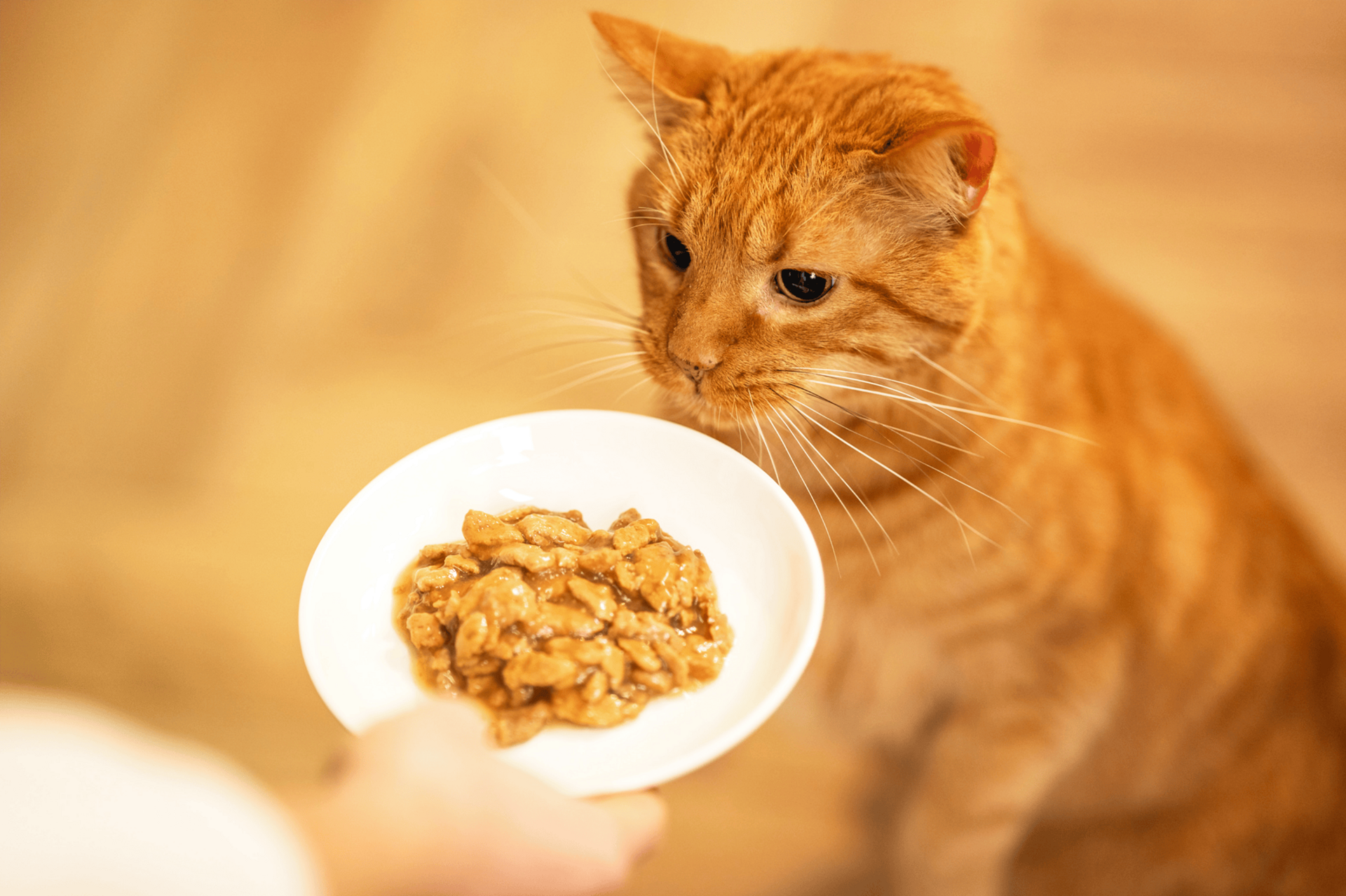
Credit: iams.eu
Ideal Duration For Kitten Food
The ideal duration for feeding a cat kitten food depends on its growth and development. Kitten food is specially made to support strong bones, muscles, and a healthy immune system. The transition to adult food should happen at the right time to ensure the cat stays healthy.
Recommended Age Range
Most kittens should eat kitten food from birth to about one year old. This food has more calories and nutrients than adult cat food. It helps kittens grow quickly and stay energetic. Some vets suggest starting the switch to adult food around 10 to 12 months. Large breed cats might need kitten food a little longer.
Signs To Transition
- Kitten reaches close to full size
- Reduced playful energy compared to kitten stage
- Eating habits become more stable
- Teeth fully developed and strong
- Vet advice based on growth check
Watch your cat’s behavior and health. Transition slowly by mixing adult food with kitten food over several days. This helps avoid stomach upset. Proper timing means your cat gets the right nutrition for every stage of life.
Factors Affecting Feeding Duration
Deciding how long your cat should stay on kitten food depends on several key factors. Understanding these will help you provide the right nutrition at the right time. It's not a one-size-fits-all timeline, and paying attention to your cat's unique needs makes all the difference.
Breed And Size Considerations
Different cat breeds grow at different rates, which affects how long they need kitten food. Larger breeds, like Maine Coons, may require kitten food for up to 12 months or more because they take longer to reach full size. Smaller breeds might transition earlier, sometimes around 9 months.
Think about your cat’s breed and size when planning their diet. Are you aware that some cats can double their weight in their first year? Adjusting their food accordingly supports healthy growth without overfeeding.
Health And Growth Rate
Your cat’s health plays a big role in how long they should eat kitten food. Cats growing steadily and showing good energy levels typically follow standard feeding durations. However, if your cat has health issues or slower growth, they might need kitten food longer to meet their nutritional needs.
Keep an eye on your cat’s weight and activity. If growth seems slower or your cat isn’t as playful, consult your vet before switching to adult food. Have you noticed how a slight change in diet can boost your cat’s energy and coat quality?
Transitioning To Adult Cat Food
Transitioning your cat from kitten food to adult cat food is a crucial step in their growth. It supports their changing nutritional needs and helps avoid digestive issues. Knowing how and when to make this change ensures your cat stays healthy and happy.
Gradual Switching Process
Suddenly changing your cat's diet can upset their stomach. Instead, mix a small amount of adult food with their kitten food. Slowly increase the adult food ratio over 7 to 10 days.
Watch how your cat reacts during this period. If you notice vomiting, diarrhea, or refusal to eat, slow down the transition. This gradual approach helps your cat adapt without stress.
Choosing The Right Adult Food
Select adult cat food that matches your cat’s lifestyle and health needs. Look for high protein content and essential nutrients like taurine and omega fatty acids.
Consider wet food if your cat drinks little water, or dry food for dental health. Have you checked the ingredient list lately? Avoid foods with fillers like corn and artificial additives.
Remember, what worked for your kitten might not suit their adult stage. Your cat’s taste and nutritional needs change—don’t hesitate to try a few brands to find the best fit.
Common Feeding Mistakes
Feeding a kitten properly is key for healthy growth. Mistakes during this phase can lead to health problems or slow development. Many cat owners make common feeding errors without realizing their impact. Understanding these mistakes helps provide the right nutrition at the right time.
Premature Food Changes
Switching from kitten food too soon can cause digestive issues. Kitten food has more nutrients to support growth. Changing to adult food early may leave kittens without enough energy. The transition should happen around one year of age. Gradual change over 7 to 10 days helps avoid upset stomachs. Patience is important to keep kittens healthy and happy.
Overfeeding And Underfeeding
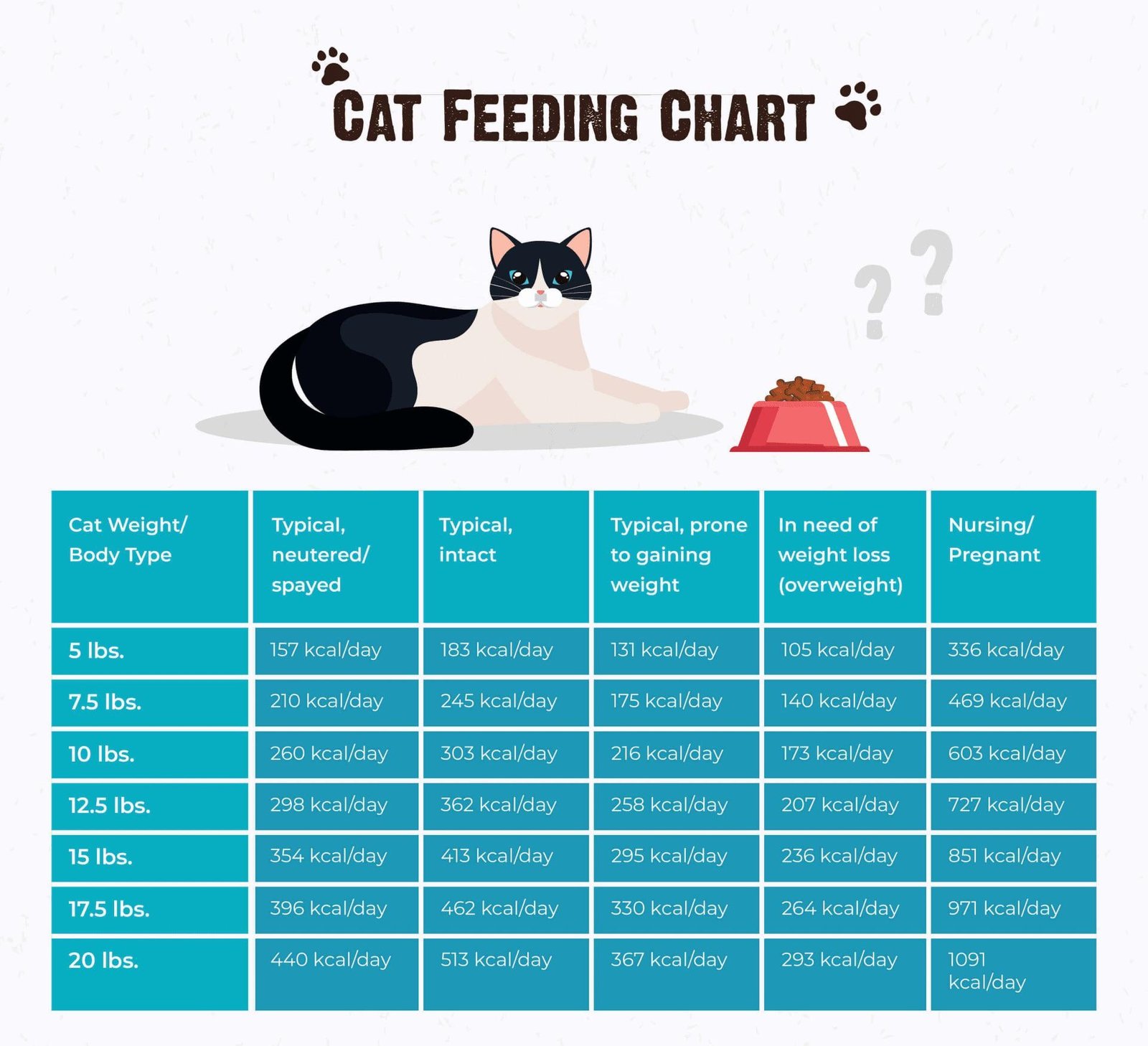
Overfeeding kittens leads to obesity and joint problems later. Too much food causes quick weight gain and poor habits. Underfeeding slows growth and weakens the immune system. Kittens need balanced meals with correct portion sizes. Feeding guidelines on packaging offer a good starting point. Observe your kitten's weight and adjust food amounts carefully. Consistency helps maintain a healthy weight and energy level.
Expert Tips For Feeding Success
Feeding your cat the right food at the right time is key to their health and happiness. Knowing how long to keep your cat on kitten food can be tricky, but some expert tips can make the process smoother. These tips help you recognize when it’s time to switch and ensure your cat thrives during each growth stage.
Monitoring Weight And Behavior
Keep a close eye on your cat’s weight and energy levels. A healthy kitten should be gaining weight steadily but not becoming overweight. If your kitten seems lethargic or is losing weight, it might be a sign that their diet needs adjusting.
Watch how your kitten behaves around mealtime. Are they eagerly eating their food, or showing disinterest? Sudden changes in eating habits can indicate dietary needs have shifted, signaling it might be time to reconsider their food type.
Consulting Your Veterinarian
Your vet is your best resource for personalized advice. They can assess your cat’s growth, health, and nutritional needs more accurately than any chart or guideline.
Don’t hesitate to ask specific questions like, “Is my kitten ready to switch to adult food?” or “What signs should I watch for during this transition?” Their expert guidance will help you avoid common feeding mistakes.

Credit: www.reddit.com
Frequently Asked Questions
How Long Should Kittens Stay On Kitten Food?
Kittens should eat kitten food until they are about 12 months old. This food supports their rapid growth and development. After one year, they can gradually switch to adult cat food for balanced nutrition.
When Can I Switch My Cat To Adult Food?
Switch your cat to adult food around 12 months of age. This timing ensures they receive nutrients suited for adult cats. Transition gradually over 7-10 days to avoid digestive upset.
Why Is Kitten Food Important For Young Cats?
Kitten food contains higher protein, fat, and calories needed for growth. It supports brain development, strong bones, and healthy muscles. Feeding kitten food helps kittens thrive in their early months.
Can I Feed Kitten Food To Adult Cats?
Kitten food is richer and may cause weight gain in adult cats. It's best to feed adult cats food formulated for their life stage for optimal health.
Conclusion
Switching your cat from kitten food? Timing matters for health. Typically, cats transition around 12 months. Larger breeds might need more time. Watch for signs of maturity. Adult teeth, less play, and steady weight suggest readiness. Consult your vet for tailored advice.
Proper nutrition supports a healthy life. Choose food suited to your cat's age and needs. Keep an eye on behavior and health changes. Adjust diet accordingly. Your cat's well-being depends on balanced meals. Make informed decisions for a happy, healthy companion.
Transitioning is a vital step in their growth journey.