Have you ever wondered how long your cat's dry food remains fresh after you’ve opened the bag? You’re not alone.
Many pet owners share this concern, as ensuring the quality of your cat’s food is crucial for their health and happiness. You might think that as long as the food looks and smells fine, it's good to go, but is it really?
We'll uncover the surprising truth about the shelf life of dry cat food once opened, and how you can keep it fresh for as long as possible. Stick around, because what you discover might just change the way you store your cat's food, ensuring they always get the best nutrition possible.
Shelf Life Of Dry Cat Food
Understanding the shelf life of dry cat food is important to keep your pet healthy. Knowing how long it stays fresh after opening helps avoid feeding spoiled food. Dry cat food lasts longer than wet food but still loses quality over time. Proper storage can extend its freshness. Let’s explore how long dry cat food remains good and what affects its shelf life.
Typical Expiration Period
Dry cat food usually lasts 6 to 12 months unopened. After opening, it stays good for about 4 to 6 weeks. This period depends on the brand and packaging. Most manufacturers print a "best by" or expiration date on the bag. Use this as a guide to keep the food fresh and safe.
Factors Affecting Freshness
- Storage conditions:Keep the food in a cool, dry place away from sunlight.
- Packaging:Reseal the bag tightly or use an airtight container to prevent air exposure.
- Humidity:High moisture can cause mold and spoilage quickly.
- Temperature:Avoid storing near heat sources or in warm areas.
- Handling:Use clean scoops to avoid contamination.

Credit: cats.com
Storage Tips To Extend Freshness
Keeping your dry cat food fresh after opening is key to preserving its taste and nutritional value. How you store it can make a big difference in how long it stays good. Let’s look at simple yet effective storage tips that can help you extend the freshness of your cat’s food.
Ideal Storage Conditions
Store dry cat food in a cool, dry place away from direct sunlight. Heat and moisture speed up spoilage and can cause mold growth. A pantry or cupboard is usually the best spot—avoid places like the garage or near the stove where temperature fluctuates.
Seal the bag tightly after each use to keep air and humidity out. Oxygen exposure can cause the fats in the food to go rancid, which affects flavor and nutrition. You might find it helpful to fold the bag tightly and use a clip or rubber band to seal it before placing it in a container.
Have you noticed a stale smell or your cat rejecting the food? This often means the storage conditions weren’t ideal. Checking the environment regularly can save you from wasting food and money.
Best Containers To Use
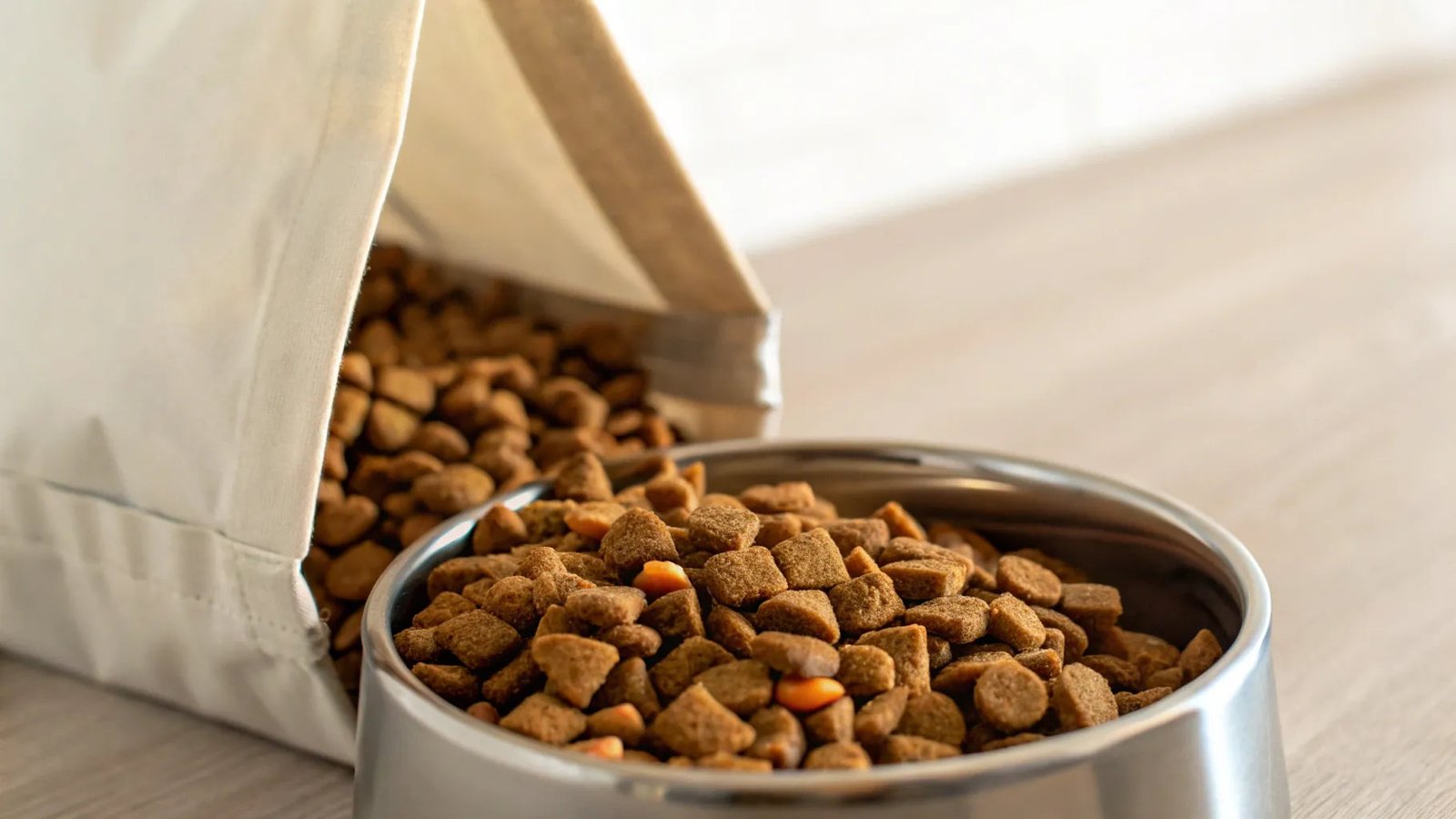
Using the right container is crucial for keeping dry cat food fresh. Airtight containers with a secure lid prevent exposure to air and pests. Plastic or glass containers specifically designed for pet food work well.
Look for containers that are easy to open but seal tightly after use. Some come with built-in measuring scoops, which can make feeding time more convenient. Avoid using the original bag alone unless it fits perfectly inside the container.
- Opaque containershelp block light, protecting nutrients from breaking down.
- Containers with a wide mouthmake scooping easier and reduce spills.
- Food-grade materialsensure no harmful chemicals leach into the food.
Have you tried different containers before? Choosing one that fits your routine can make storing and serving your cat’s food much easier and keep it fresher longer.
Signs Of Spoiled Dry Cat Food
Knowing the signs of spoiled dry cat food can save your furry friend from an upset stomach or worse. Spoiled food often looks and smells different from fresh kibble, making it easier for you to spot before feeding. Paying close attention to these changes helps you keep your cat safe and healthy.
Visual Changes
One of the first signs that dry cat food has gone bad is a change in its appearance. Look out for:
- Discoloration:If the kibble looks darker or has odd patches, it might be spoiled.
- Mold or white powder:Any visible mold growth or powdery residue is a clear red flag.
- Clumping:Kibble sticking together can mean moisture has gotten in, which can lead to spoilage.
I once noticed my cat’s food had little white spots that weren’t there before. Turns out, moisture had crept in, and the food was no longer safe.
Smell And Texture Differences
Fresh dry cat food has a mild, meaty aroma that your cat usually enjoys. Spoiled food often smells rancid, sour, or just off.
- Rancid or sour smell:If the food smells strange or unpleasant, don’t feed it to your cat.
- Unusual texture:Kibble that feels soft, sticky, or greasy instead of dry and crunchy is likely spoiled.
Have you ever opened a bag and been hit by a weird smell? That’s your cue to check the texture and toss it if something feels wrong.

Credit: www.amazon.com
Health Risks Of Feeding Old Dry Cat Food
Feeding your cat dry food that has been opened for too long can lead to several health risks. Over time, the quality of the food deteriorates, which can affect your cat's well-being in ways you might not expect. Understanding these risks helps you make better choices for your pet’s diet and health.
Potential Digestive Issues
Old dry cat food can develop mold or bacteria, especially if it’s exposed to air or moisture. This contamination may cause vomiting, diarrhea, or upset stomach in your cat. Have you noticed your cat acting differently after eating old food? That could be a warning sign that the food is no longer safe.
Even if you don’t see visible mold, the fats in the food can go rancid. Rancid fats irritate your cat’s digestive system and reduce appetite. It’s better to avoid risks by discarding dry food that’s been open beyond its recommended time.
Nutritional Loss
Dry cat food loses essential nutrients once opened, especially vitamins and fatty acids. Over time, exposure to air breaks down these nutrients, making the food less beneficial. Your cat may not get the energy or immune support it needs from old food.
Think about your own diet—would you eat food that has lost its nutrients and flavor? Your cat deserves fresh, nutritious meals to stay healthy and active. Regularly replacing opened dry food ensures your pet receives full nutritional value every time.
How To Properly Handle Leftovers
Handling leftover dry cat food correctly is key to keeping your cat healthy and happy. Improper storage or feeding habits can lead to stale food or even digestive problems for your feline friend. Let’s look at how you can manage leftovers smartly to ensure every meal is fresh and safe.
Portion Control Tips
Measure your cat’s daily food amount carefully. Overfeeding leads to more leftovers, which can lose freshness quickly.
- Use a standard measuring cup or scoop for consistency.
- Divide the daily portion into smaller meals throughout the day.
- Observe your cat’s appetite and adjust portions accordingly.
Have you noticed your cat leaving food behind? Reducing the portion size slightly can prevent waste and ensure your cat eats all the food before it goes stale.
Safe Feeding Practices
Always store leftover dry cat food in a cool, dry place away from sunlight. Exposure to heat and moisture speeds up spoilage.
- Use airtight containers to keep the food crisp and free from pests.
- Keep the original packaging inside the container to retain important freshness information.
- Avoid leaving food bowls out for more than 30 minutes to prevent bacterial growth.
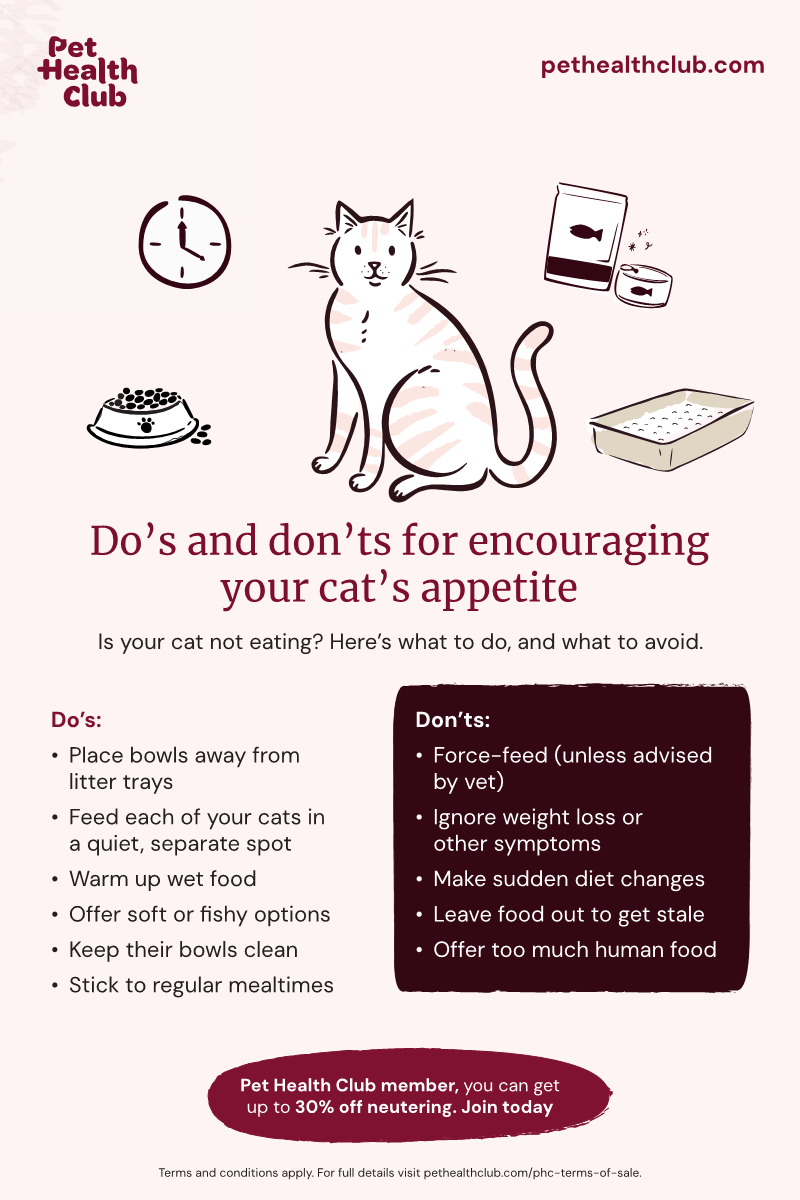
Have you ever found your cat refusing food that’s been sitting too long? Freshness impacts your cat’s willingness to eat and their overall health. Clean your cat’s bowl regularly to reduce germs and keep mealtime inviting.
Comparing Opened Vs Unopened Dry Cat Food
Comparing opened and unopened dry cat food reveals clear differences in freshness and safety. Unopened bags stay fresh longer because they are sealed and protected from air and moisture. Once opened, the food faces exposure that can speed up spoilage and nutrient loss. Understanding these differences helps pet owners keep their cats healthy and happy.
Shelf Life Differences
Unopened dry cat food can last up to 12 months if stored properly. The sealed packaging keeps air, moisture, and bacteria out. Once opened, exposure begins. Dry cat food usually stays good for 4 to 6 weeks after opening. Air and humidity cause the food to go stale faster. Keeping the bag sealed tightly slows this process. Storing the food in a cool, dry place also helps maintain freshness.
Nutritional Impact
Unopened dry cat food maintains its nutrients longer. Vitamins and fats stay stable inside sealed packaging. After opening, nutrients start to break down. Oxygen causes fats to become rancid, reducing food quality. Vitamins like A, D, and E degrade over time once exposed. Feeding spoiled or nutrient-poor food can affect your cat’s health. Using opened food within the recommended time ensures your cat gets proper nutrition.

Credit: www.amazon.com
Frequently Asked Questions
How Long Does Dry Cat Food Stay Fresh After Opening?
Dry cat food typically stays fresh for 4 to 6 weeks once opened. Store it in an airtight container to maintain freshness and prevent moisture or pests from spoiling the food.
Can I Refrigerate Opened Dry Cat Food For Longer Shelf Life?
Refrigerating dry cat food is not necessary and may introduce moisture. Keep it in a cool, dry place in a sealed container to preserve freshness and quality.
What Signs Indicate Dry Cat Food Has Gone Bad?
Look for unusual odors, mold, discoloration, or clumping. If the food smells rancid or looks different, it’s best to discard it to protect your cat’s health.
How Should I Store Opened Dry Cat Food Properly?
Store it in an airtight container, away from heat and humidity. Keep the container in a cool, dry place to maintain the food’s nutritional value and taste.
Conclusion
Dry cat food stays fresh for about four to six weeks after opening. Keep it in a cool, dry place and seal the bag tightly. Check for any strange smell or texture before feeding your cat. Using an airtight container helps keep the food fresh longer.
Always feed your cat the best quality food for good health. Remember, fresh food means a happy, healthy cat. Store properly and use within recommended time for best results. Simple steps make a big difference.