Are you wondering how long it will take to house train your dog? You’re not alone.
Many dog owners want quick and reliable results but don’t know what to expect. Understanding the timeline can save you frustration and help you stay motivated. You’ll discover the key factors that affect house training speed and practical tips to speed up the process.
Keep reading to find out how you can turn your puppy or new dog into a well-trained member of your home faster than you might think.
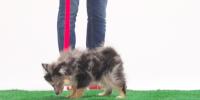
Credit: www.purina.com
Timeline For House Training
House training a dog requires patience and consistency. The time it takes varies widely. Understanding the typical timeline helps set realistic expectations. Training depends on many factors, including the dog's age and past experiences.
Most dogs can learn proper bathroom habits within a few weeks to several months. Some need more time, especially if they have had no prior training. The key is steady effort and positive reinforcement.
Factors Influencing Duration
- Age of the dog: Puppies and adults learn at different speeds.
- Previous training: Dogs with some training adapt faster.
- Consistency in schedule: Regular feeding and bathroom times help.
- Owner’s commitment: Frequent supervision and rewards speed progress.
- Breed tendencies: Some breeds are easier to train than others.
- Health issues: Medical problems can delay house training success.
Typical Time Frames For Puppies
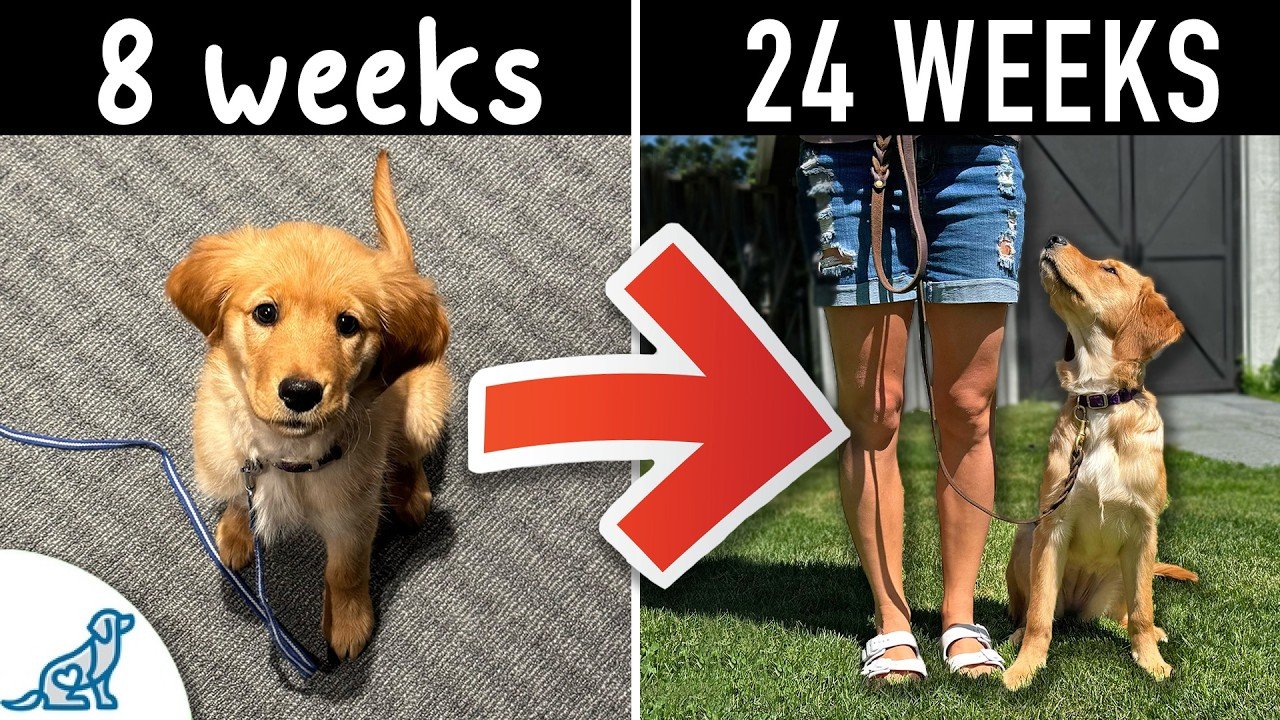
Puppies usually start learning house training between 8 and 12 weeks old. Most puppies show good progress within 4 to 6 months. They need frequent bathroom breaks every 1 to 2 hours.
Early mistakes are common. Puppies have small bladders and less control. Patience and gentle correction guide them toward good habits.
Adult Dogs And House Training
Adult dogs may learn faster or slower than puppies. Those with previous training often adjust within 1 to 3 months. Rescue dogs or those with bad habits need more time.
Consistency and patience remain essential. Adults benefit from clear routines and positive rewards. Health checks help rule out medical causes of accidents.
Essential House Training Supplies
House training a dog needs the right supplies. These tools help make the process faster and less stressful. Good supplies support your dog's learning and keep your home clean.
Choosing the right items also helps your dog feel safe and comfortable. Proper tools encourage good habits from the start. Here are some essential supplies to prepare before training begins.
Choosing The Right Crate
A crate is a safe space for your dog. It helps with potty training and prevents accidents. Pick a crate that fits your dog comfortably. It should be big enough to stand and turn around.
Use soft bedding inside the crate. Make the crate inviting but not a place for punishment. Keep the door open at first to let your dog explore it.
Effective Cleaning Products
Accidents happen during house training. Clean messes quickly to stop your dog from returning to the same spot. Use enzymatic cleaners to remove odors fully. These cleaners break down urine and feces smells.
Avoid ammonia-based products, as they smell like urine. This can confuse your dog. Keep cleaning supplies handy and use them after every accident.
Useful Training Tools
- Potty pads:Help puppies learn where to go indoors.
- Leash and collar:Use during outdoor potty breaks for control.
- Treats:Reward good behavior instantly to encourage learning.
- Clicker:Mark the right actions with a sound to reinforce training.
- Baby gates:Limit your dog's access to certain rooms.
These tools support clear communication with your dog. They make training easier and more effective.
Step-by-step Training Process
Training your dog to be housebroken involves a clear and consistent process. It’s about building habits that your dog understands and follows naturally. By breaking down the training into manageable parts, you can see progress and adjust your approach as needed.
Establishing A Routine
Your dog thrives on routine. Feeding, potty breaks, and playtime should happen around the same hours every day. This consistency helps your dog learn when and where to go.
Start by taking your dog outside first thing in the morning, after meals, and before bedtime. If you stick to this schedule, your dog will begin to anticipate these outings. Have you noticed how some dogs start getting restless or excited around their usual potty times?
Recognizing Signs Your Dog Needs To Go
Watching for signals is key. Dogs often sniff around, circle, or head toward the door when they need to relieve themselves. Catching these signs early lets you act quickly and prevent accidents inside.
Try keeping a small notebook or app to track when your dog shows these behaviors and when they actually go outside. This record can reveal patterns and improve your timing. Have you ever missed a signal and wondered what you could do differently next time?
Reward Systems That Work
Positive reinforcement motivates your dog to repeat good behavior. Use treats, praise, or playtime immediately after your dog goes potty outside. The quicker the reward follows the action, the stronger the connection.
Some dogs respond better to verbal praise, while others prefer a favorite toy or treat. Experiment to see what excites your dog most. Remember, rewards don’t have to be big; even a simple “Good job!” can make a difference.
Common Challenges And Solutions
House training a dog can bring many challenges. These challenges often make the process longer and harder. Knowing common problems helps you act fast. Solutions reduce stress for both you and your dog. This section covers key issues and ways to handle them.
Dealing With Accidents
Accidents are normal during house training. Dogs learn at their own speed. Cleaning accidents quickly prevents smells that attract dogs back.
- Use enzyme-based cleaners to remove odors.
- Do not punish your dog; it causes fear.
- Take your dog outside often, especially after meals.
- Reward your dog immediately after they go outside.
Managing Separation Anxiety
Separation anxiety can cause accidents and stress. Your dog may bark or chew things when alone. Helping your dog feel safe is key.
- Practice short separations and increase time gradually.
- Give toys or treats to distract your dog.
- Create a comfortable, quiet space for your dog.
- Stay calm and confident when leaving and returning.
Handling Stubborn Behavior
Some dogs resist house training more than others. Patience and consistency are important. Understanding your dog’s needs helps.
- Stick to a regular schedule for feeding and potty breaks.
- Use positive reinforcement, like treats and praise.
- Break training into small, easy steps.
- Consult a professional trainer if needed.
Tips For Accelerating Progress
Speeding up the house training process can feel like a challenge, but you have a lot of control over how quickly your dog learns. The key is to focus on practical steps that make your expectations clear to your dog and keep the learning environment positive. Let’s look at some straightforward ways to help your dog catch on faster and make the experience less frustrating for both of you.
Consistency And Patience
Dogs thrive on routine. If you want to see faster results, keep feeding, bathroom breaks, and training sessions on a strict schedule. This helps your dog understand when and where they should go.
Patience is just as important as consistency. If you get upset or frustrated, your dog picks up on that and may become confused or anxious. Remember, accidents happen, and staying calm helps your dog feel safe and ready to learn.
Positive Reinforcement Techniques
Rewarding your dog immediately after they do their business outside makes a big difference. Use treats, praise, or a favorite toy to create a strong connection between good behavior and rewards.
Try to catch your dog in the act or take them out frequently to increase the chances of success. You can even use a clicker or a specific word to mark the right behavior, which helps your dog understand what you want quickly.
When To Seek Professional Help
If your dog isn’t making progress after several weeks, or if you notice signs of anxiety or confusion, it might be time to get expert advice. Trainers can spot issues you might miss and offer tailored strategies to fit your dog’s personality.
Don’t hesitate to reach out if you feel stuck. Sometimes a fresh perspective is all you need to break through the training plateau and move forward confidently.

Credit: k9connoisseur.com

Credit: medium.com
Frequently Asked Questions
How Long Does House Training A Puppy Usually Take?
House training a puppy typically takes 4 to 6 months. Consistency, patience, and positive reinforcement speed up the process. Some puppies learn faster, while others need more time depending on breed and age.
What Factors Affect The Duration Of House Training?
Factors include the dog's age, breed, previous training, and owner consistency. Younger dogs and consistent routines tend to house train faster. Distractions and irregular schedules can delay progress.
Can Adult Dogs Be House Trained Quickly?
Yes, adult dogs can be house trained, but it may take longer. Patience and regular routines are key. Prior habits and past experiences influence the training speed.
How Often Should I Take My Dog Outside To Train?
Take your dog outside every 1-2 hours initially. After eating, drinking, or waking up, immediate outdoor trips are essential. Frequent outdoor breaks help build a strong house training habit.
Conclusion
Training a dog takes time and patience. Each dog learns differently. Some dogs may take weeks. Others might need a few months. Consistency is key in training. Praise and rewards help motivate your dog. Set a routine and stick to it.
Accidents will happen, but that's normal. Stay patient and keep encouraging your dog. With dedication, your dog will learn. A well-trained dog is a happy companion. Enjoy the journey together!