Are you tired of seeing your cat scratch and itch nonstop? Fleas can make your furry friend uncomfortable and restless, and you want to fix the problem fast.
But how long does cat flea treatment take to work? You’re probably eager to know when your cat will start feeling relief and when those pesky fleas will disappear for good. You’ll discover exactly what to expect after starting treatment, why some solutions work faster than others, and how to speed up the process.
Keep reading to get your cat back to feeling happy and flea-free as soon as possible.
Credit: www.chewy.com
Cat Flea Treatment Types
Choosing the right flea treatment for your cat can be confusing, especially with so many options available. Each type works differently and has its own timeline for effectiveness. Understanding these treatment types helps you pick what fits your cat’s needs and lifestyle best.
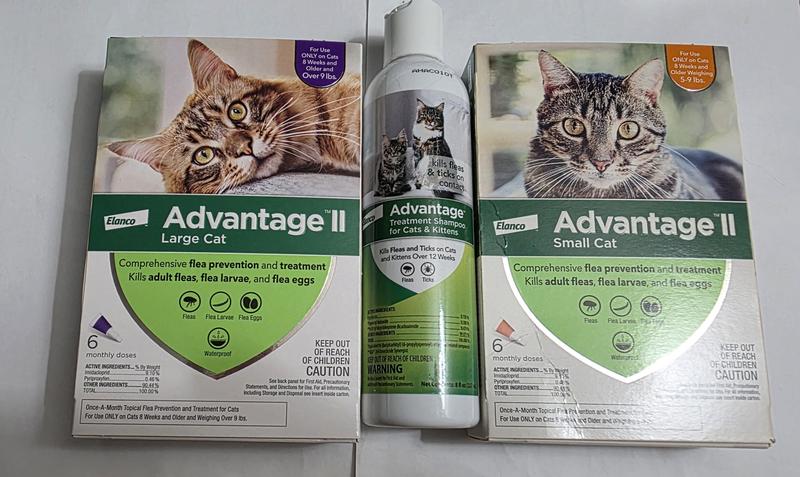
Topical Treatments
Topical treatments are applied directly to your cat’s skin, usually between the shoulder blades. They start killing fleas within hours and can protect your cat for up to a month. These treatments often prevent flea eggs from hatching, breaking the flea life cycle effectively.
One pet owner shared how a single application stopped their cat's scratching in less than a day. But remember, bathing your cat soon after applying can reduce effectiveness.
Oral Medications
Oral flea medications are given as a pill or chew and work fast, often killing fleas within a few hours. They circulate in your cat’s bloodstream, so fleas die when they bite. These meds usually last about a month and are convenient if your cat dislikes topical treatments.
Have you noticed how some cats resist topical treatments but take pills easily? Oral meds might be your best bet if that’s the case.
Flea Collars
Flea collars release chemicals that repel or kill fleas. Some provide protection for several months and are easy to use. However, their effectiveness can vary, and they might not cover the entire flea life cycle like other treatments.
Many cat owners find collars handy for outdoor cats, but always check if your cat tolerates wearing one comfortably.
Shampoos And Sprays
Flea shampoos and sprays offer immediate relief by killing fleas on contact. They’re great for quick flea removal but don’t provide long-term protection. You’ll need to repeat applications regularly to keep fleas away.
If your cat has a heavy flea infestation, combining shampoos with another treatment type can speed up results.
Natural Remedies
Natural remedies like essential oils, diatomaceous earth, or herbal sprays appeal to owners wary of chemicals. While some may help repel fleas, they usually work slower and aren’t always proven effective for severe infestations. Use caution—some natural ingredients can irritate your cat’s skin or be toxic.
Have you tried natural flea control? It might suit cats with mild flea problems or as a supplement to conventional treatments.

Credit: www.amazon.com
How Flea Treatments Work
Flea treatments work by attacking different stages of the flea life cycle. This approach helps stop the problem quickly and keeps it from coming back. Treatments focus on killing adult fleas, targeting flea eggs and larvae, and preventing reinfestation. Understanding these steps helps pet owners see why flea control takes time.
Killing Adult Fleas
Adult fleas cause most of the itching and discomfort for cats. Flea treatments use ingredients that kill these fleas fast. Some work by poisoning the fleas when they bite the cat. Others target the nervous system of the flea, causing quick death. This step reduces the number of fleas on the cat quickly.
Targeting Flea Eggs And Larvae
Fleas lay eggs on the cat and in the environment. These eggs hatch into larvae, which grow into new fleas. Many treatments contain ingredients that stop eggs from hatching. Others kill larvae before they become adults. This step is key to breaking the flea life cycle and stopping new fleas from appearing.
Preventing Reinfestation
Flea treatments also work to keep fleas away after the initial treatment. Some products stay active on the cat for weeks. This prevents new fleas from settling and laying eggs. Treating the home and bedding helps remove fleas in the environment. Together, these actions protect cats from getting fleas again.
Timeframe For Results
Understanding how long cat flea treatment takes to work helps manage expectations. Flea treatments do not always act instantly, but some effects can be seen quickly. The full results depend on several factors, including the type of treatment used and the flea life cycle. Patience is key during this process.
Immediate Effects
Some flea treatments start killing fleas within hours. You may notice fewer fleas on your cat soon after application. Itching and scratching might reduce quickly. These early signs show the treatment is working. However, not all fleas die immediately.
Full Effectiveness Period
Complete flea elimination usually takes several days to weeks. Flea eggs and larvae must also be treated. Most treatments kill adult fleas first, then target the next stages. Full control often happens within two to four weeks. Regular application as directed ensures best results.
Factors Affecting Speed
- Type of flea treatment (spot-on, oral, spray)
- Severity of the flea infestation
- Cat’s age, size, and health condition
- Environment cleanliness and flea prevention measures
- Frequency of treatment application
These factors influence how fast flea treatments work. Follow the product instructions carefully for the best outcome.
Signs Treatment Is Working
Noticing the signs that your cat's flea treatment is working can bring a huge sense of relief. It’s not just about waiting; it’s about observing real changes in your cat’s behavior and appearance. Paying attention to these signs helps you know if the treatment is effective or if you need to consider alternative options.
Reduced Scratching And Biting
One of the earliest signs that flea treatment is working is a noticeable drop in your cat’s scratching and biting. Fleas irritate the skin, causing intense discomfort, so less scratching means fewer fleas bothering your pet.
Have you noticed your cat spending less time clawing at their fur or skin? This change usually happens within a few days of starting treatment and signals that the fleas are losing their grip.
Fewer Flea Sightings
Seeing fewer fleas crawling on your cat or in their bedding is a clear indicator the treatment is effective. Fleas multiply quickly, so a reduction means the treatment is breaking their life cycle.
Try checking your cat’s coat daily in a well-lit area. If you spot fewer fleas or none at all, you’re on the right track. Remember, complete elimination can take a couple of weeks, so persistence is key.
Improved Skin Condition
Flea bites cause redness, bumps, and sometimes scabs on your cat’s skin. As treatment works, you should see the skin healing and inflammation going down.
Look for less redness and fewer sores, especially in common flea bite areas like the neck, tail base, and belly. Healthy skin is a strong sign that your cat is recovering and the fleas are disappearing.
Common Treatment Challenges
Flea treatment on cats can be tricky due to several common challenges. These issues often slow down how fast the treatment works. Understanding these challenges helps pet owners manage expectations and improve treatment success. Some problems come from the fleas themselves, while others relate to the cat’s environment.
Resistance To Flea Products
Fleas can become resistant to certain flea medicines. This means the product may not kill all fleas quickly. Resistance happens when fleas survive treatments and pass on their traits. Using the same product repeatedly can increase resistance. Changing the flea treatment type might be necessary for better results.
Environmental Flea Control
Fleas live in more than just your cat’s fur. They hide in carpets, bedding, and furniture. Treating only the cat does not remove these fleas. Cleaning your home is vital to stop fleas from returning. Vacuum regularly and wash pet bedding in hot water. Consider using environmental flea sprays safely around the home.
Reinfestation Risks
Even after treatment, cats can get fleas again. Outdoor cats are more at risk of catching fleas from other animals. Fleas can jump from wildlife, other pets, or neighbors’ animals. Preventing reinfestation requires ongoing flea control. Keep your cat indoors during flea season and check for fleas often.

Credit: www.splootvets.com
Tips For Faster Relief
Dealing with fleas on your cat can be frustrating, especially when you want quick relief. The good news is that there are ways to speed up the flea treatment process. Paying attention to a few key factors can make a big difference in how fast your cat feels better.
Consistent Treatment Application
Applying flea treatment consistently is crucial. Skipping doses or not following the instructions can slow down the process and give fleas a chance to survive. Make sure you apply the treatment exactly as directed, usually once a month, to keep fleas from coming back.
Have you noticed how quickly fleas return if you miss a single application? That’s because flea eggs can hatch continuously. Staying on schedule stops this cycle and brings faster relief to your cat.
Cleaning Your Home
Fleas don’t just live on your cat; they hide in carpets, bedding, and furniture. Cleaning your home thoroughly can help remove flea eggs and larvae. Vacuum regularly, wash your cat’s bedding in hot water, and consider using a home flea spray designed to kill fleas in your environment.
Ignoring your home’s role in the flea problem can make treatment take much longer. Have you cleaned the places your cat spends the most time? This step often makes the biggest difference in getting rid of fleas quickly.
Consulting Your Veterinarian
Your vet can offer advice tailored to your cat’s specific needs. Some cats might need stronger or different treatments depending on their health and flea infestation level. Don’t hesitate to ask your vet if the current treatment isn’t working as fast as expected.
Sometimes, what works for one cat doesn’t work for another. Have you talked to your vet about alternative flea treatments or additional steps? Their guidance can save you time and stress, helping your cat find relief faster.
Frequently Asked Questions
How Quickly Do Cat Flea Treatments Start Working?
Most cat flea treatments begin working within 12 to 24 hours. They kill adult fleas fast and prevent new infestations. However, complete flea elimination may take up to a week, depending on treatment type and flea severity.
When Will My Cat Stop Itching After Treatment?
Cats usually stop itching within 2 to 3 days after flea treatment. Relief depends on how severe the flea allergy is and if all fleas are eliminated. Persistent itching may require a vet check.
Can Flea Treatments Work Immediately On All Fleas?
No, flea treatments kill adult fleas quickly but may take days to eliminate eggs and larvae. Full treatment success depends on using a product that breaks the flea lifecycle and treating your home environment.
How Long Does It Take To See Flea Treatment Results?
Visible results like fewer fleas and less scratching often appear within 24 to 48 hours. Complete flea control may take 7 to 10 days, especially if environmental cleaning is part of the process.
Conclusion
Treating cat fleas takes time and patience. Most treatments start working fast. But, full results can take days or weeks. Check your pet often. Make sure to follow instructions. Consistency is key. This ensures effective treatment. Always consult your vet for advice.
They offer expert guidance. Choosing the right product matters too. Each cat is unique. Different factors affect treatment time. Be patient. Your furry friend will be flea-free soon. Keep monitoring for best results. Regular checks prevent future flea problems. Peace of mind for you and comfort for your cat.
Stay diligent and attentive.