Ever wonder why your allergies flare up even after your feline friend has left the room? Or perhaps you're planning to adopt a cat but are worried about the lingering dander.
You're not alone. Many cat owners and potential pet parents share your concerns. Cat dander, those tiny, pesky particles that trigger allergies, can stick around longer than you'd think. But how long exactly do they linger in your home? We’ll uncover the surprising truth about cat dander and its lasting presence in your living space.
By the end, you'll have a clear understanding of how to manage it effectively, ensuring a sneeze-free environment for you and your family. Stay with us; you won’t want to miss these essential tips and insights.

Credit: www.reddit.com
Cat Dander Basics
Understanding cat dander is essential for managing allergies and keeping your home clean. Cat dander consists of tiny particles shed by cats that can linger in the air and on surfaces. These particles are light and can spread easily, which makes them hard to remove completely. Learning about cat dander helps you reduce its presence and protect your health.
What Is Cat Dander
Cat dander is made of tiny skin flakes from cats. These flakes are much smaller than human dandruff. Dander also contains proteins from a cat’s saliva and urine. When cats groom themselves, the saliva dries and falls off as dander. These particles float in the air and settle on furniture, carpets, and clothes.
Sources Of Cat Dander
- Cat’s fur and skin
- Saliva from grooming
- Urine and feces residues
- Cat bedding and toys
- Furniture and carpets where cats rest
Even if a cat leaves the house, dander can stay for weeks. It clings to surfaces and can be stirred up by movement or cleaning.
Why Cat Dander Causes Allergies
Cat dander has proteins that trigger allergic reactions. The immune system sees these proteins as harmful. It reacts by releasing chemicals like histamines. This causes symptoms such as sneezing, itching, and watery eyes. People with asthma may experience breathing problems.
Dander particles are very small and easy to inhale. They can stay in the air for a long time. This increases allergy chances, especially in closed spaces.

Credit: www.catastrophicreations.com
Duration Of Cat Dander In Homes
Cat dander can linger in a home for a varying amount of time. It depends on several factors like airflow, cleaning habits, and home materials. Understanding how long cat dander stays can help manage allergies and keep your home fresh.
How Long Cat Dander Remains Airborne
Cat dander particles are very small and light. They can float in the air for hours after being shed. In rooms with poor ventilation, dander may stay airborne longer. Good airflow helps clear dander faster. Air purifiers also reduce airborne dander significantly.
Persistence On Surfaces
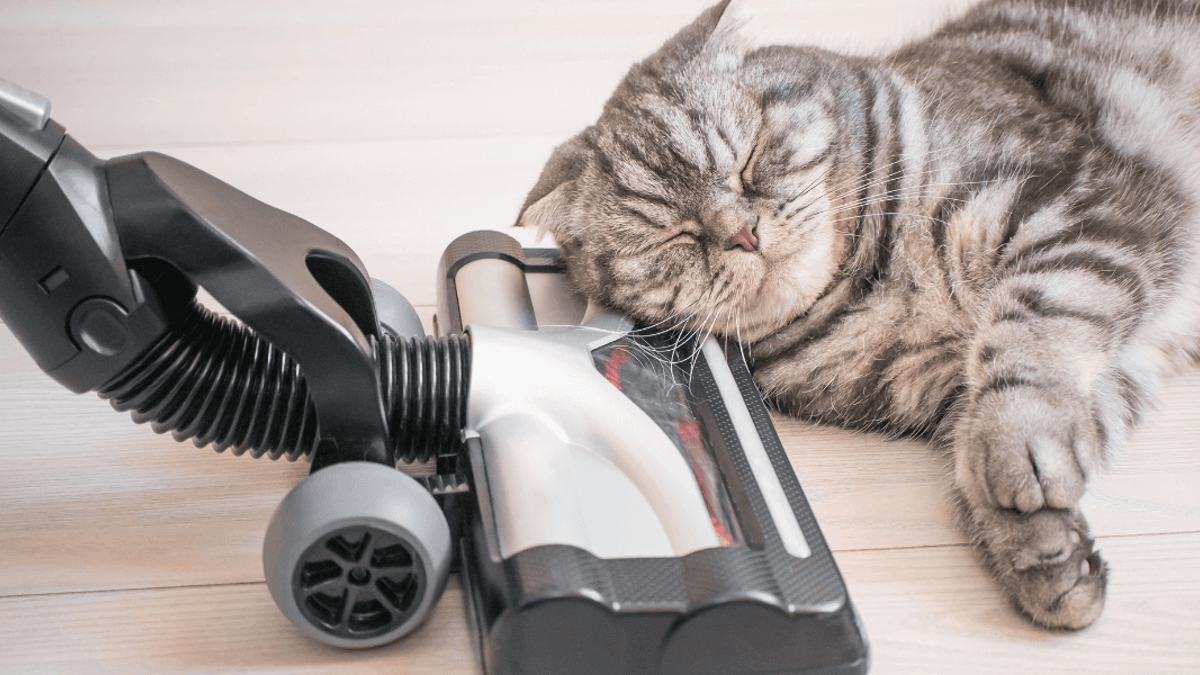
Dander settles on furniture, carpets, and walls. It can stick to surfaces for weeks or even months. Soft surfaces like upholstery and bedding trap dander more than hard surfaces. Regular cleaning is necessary to remove dander from these areas. Vacuuming with HEPA filters helps capture tiny particles.
Factors Affecting Dander Longevity
- Ventilation and airflow speed up dander removal.
- Cleaning frequency reduces dander buildup.
- Humidity levels influence particle settling.
- Type of flooring affects how long dander stays.
- Number of cats increases dander amount and persistence.
Impact Of Cleaning On Dander
Cleaning plays a crucial role in managing cat dander in your home. While cat dander is tiny and can linger for weeks or even months, thorough cleaning can significantly reduce its presence. Understanding how different cleaning methods affect dander helps you create a healthier living space, especially if you or someone in your home is sensitive or allergic.
Effective Cleaning Methods
Vacuuming regularly with a vacuum cleaner equipped with a HEPA filter can capture a large amount of dander from carpets and upholstery. Wiping surfaces with a damp cloth prevents dander from becoming airborne again, which is essential for keeping dust levels down.
Washing pet bedding and soft furnishings frequently in hot water removes dander trapped in fabrics. Steam cleaning carpets and curtains also helps break down and lift dander particles that regular vacuuming might miss.
Role Of Air Filters And Purifiers
Air filters and purifiers with HEPA technology trap tiny dander particles floating in the air. Running these devices consistently improves indoor air quality and reduces allergens.
Consider placing purifiers in rooms where your cat spends most of its time. This targeted approach helps reduce airborne dander and makes breathing easier for allergy sufferers.
Limitations Of Cleaning
Even with diligent cleaning, cat dander can still linger in hard-to-reach places like inside vents, behind furniture, and within fabrics. Dander is so fine that it easily becomes airborne again after cleaning if disturbed.
Can you completely eliminate cat dander without removing the cat? Most likely not, but reducing its levels is achievable. Regular cleaning combined with other strategies creates the best results for managing dander in your home.

Credit: www.reddit.com
Preventing And Reducing Dander Build-up
Preventing and reducing cat dander build-up is essential if you want to keep your home fresh and allergy-friendly. Dander sticks to surfaces and lingers in the air, but there are practical ways to manage it effectively. Let’s look at how you can take control of dander before it piles up.
Grooming Your Cat
Regular grooming helps remove loose fur and dander directly from your cat’s coat. Brushing your cat daily can cut down on the amount of dander that spreads around your home.
Using a damp cloth or pet-friendly wipes on your cat can also trap dander without irritating their skin. Have you noticed how much less hair ends up on your furniture after consistent grooming?
Home Environment Adjustments
Adjust your home to reduce dander accumulation by choosing easy-to-clean surfaces. Hard floors and leather furniture don’t trap dander like carpets or fabric sofas do.
- Vacuum frequently with a HEPA filter vacuum cleaner
- Wash pet bedding and blankets weekly in hot water
- Use air purifiers equipped with HEPA filters to catch airborne dander
These small changes can make a big difference in air quality and dander levels.
Managing Cat Access Areas
Restricting your cat’s access to certain rooms can help contain dander to smaller areas. Closing bedroom doors or setting up pet gates can protect spaces where you spend the most time.
Consider creating a cozy, dander-friendly zone for your cat. This helps keep the rest of your home cleaner and reduces your exposure.
What rooms in your home would benefit most from limited cat access?
Health Considerations
Cat dander can linger in a home for weeks or even months. This tiny skin and hair debris can cause health issues for sensitive individuals. Understanding the health considerations related to cat dander helps protect yourself and your family. Awareness of symptoms and proper care can improve daily comfort and well-being.
Allergy Symptoms Linked To Dander
Cat dander triggers allergy symptoms in many people. Common signs include:
- Sneezing and runny nose
- Itchy, watery eyes
- Coughing and wheezing
- Skin rashes or hives
- Difficulty breathing in severe cases
Symptoms can appear soon after contact or develop slowly over time. Even small amounts of dander can cause reactions in sensitive individuals.
When To Seek Medical Advice
See a doctor if symptoms worsen or do not improve. Seek help if you experience:
- Shortness of breath or chest tightness
- Persistent coughing or wheezing
- Swelling or severe skin reactions
- Symptoms that affect sleep or daily activities
A healthcare provider can offer testing and treatment options. Early intervention helps manage symptoms and prevent complications.
Living With Cat Allergies
Living with cat allergies requires some adjustments. Strategies include:
- Regular cleaning to reduce dander buildup
- Using air purifiers with HEPA filters
- Keeping cats out of bedrooms and carpets
- Washing hands after petting cats
- Consulting doctors for allergy medications
These steps can reduce symptoms and improve quality of life. Many people successfully manage allergies while enjoying their pets.
Frequently Asked Questions
How Long Does Cat Dander Stay Airborne Indoors?
Cat dander can remain airborne for several hours, depending on air circulation. Proper ventilation reduces airborne dander quickly, improving indoor air quality.
Can Cat Dander Last Weeks Without A Cat Present?
Yes, cat dander can last for weeks on surfaces without a cat. Regular cleaning helps remove dander and reduces allergic reactions.
What Cleaning Methods Effectively Remove Cat Dander?
Vacuuming with HEPA filters and damp dusting remove cat dander effectively. Washing fabrics and air purifiers also reduce dander accumulation in the home.
Does Cat Dander Stick To Furniture And Fabrics?
Cat dander easily sticks to furniture and fabrics, making it hard to remove. Frequent cleaning and washing help minimize dander buildup on these surfaces.
Conclusion
Cat dander can stay in a house for weeks or even months. It sticks to furniture, carpets, and curtains. Cleaning often helps reduce it quickly. Using air filters also keeps the air cleaner. Regular vacuuming with a HEPA filter works best.
Washing pet bedding and toys helps too. Keep windows open to let fresh air in. Reducing dander takes time and effort. You can make your home more comfortable. Just stay patient and keep cleaning often.