Are you tired of dealing with scratched furniture and torn upholstery caused by your cat’s claws? Nail caps for cats might be the solution you’ve been searching for.
But how long do these little protective covers actually last? Understanding their durability can help you decide if they’re right for your furry friend and your home. You’ll discover everything you need to know about the lifespan of nail caps, how to make them last longer, and what signs to watch for when it’s time for a replacement.
Keep reading to protect your belongings and keep your cat comfortable at the same time!
Types Of Nail Caps
Nail caps for cats come in different types, each with unique features. Choosing the right type affects how long they last. Knowing the materials and glue types helps in making a better choice for your cat’s comfort and safety.
Soft Silicone Caps
Soft silicone caps are flexible and gentle on your cat’s nails. They fit snugly and move with the nail. These caps are less likely to cause discomfort. They usually last around 4 to 6 weeks before needing replacement.
Hard Plastic Caps
Hard plastic caps are more rigid and durable than silicone. They provide strong protection against scratching. These caps can last longer, often up to 6 to 8 weeks. Some cats may find them less comfortable due to stiffness.
Glue Variations
The type of glue used to attach nail caps matters a lot. Most nail caps use non-toxic, pet-safe glue. Some glues dry faster, allowing quicker application. Others offer stronger hold, making caps last longer. Proper glue choice reduces the chance of caps falling off early.

Credit: www.reddit.com
Factors Affecting Durability
Nail caps for cats do not last the same for every feline friend. Several factors influence how long these caps stay on and protect your cat’s claws. Understanding these factors helps you set the right expectations and care for the caps better.
Some cats might wear nail caps longer, while others lose them quickly. The durability depends on the cat’s behavior, the way the caps are applied, the speed of nail growth, and how well the caps fit. Each of these elements plays a key role in the lifespan of nail caps.
Cat's Activity Level
Active cats tend to wear down nail caps faster. Cats that climb, scratch, or play a lot stress the caps more. Less active cats usually keep the caps intact for longer periods. Rough surfaces and outdoor activities also reduce cap durability.
Application Technique
Proper application is crucial for nail caps to last. Caps must be glued securely to the nail. Poor glue or hasty application causes caps to fall off early. Cleaning nails before applying helps the glue stick better. Applying caps evenly ensures better adhesion and comfort.
Nail Growth Rate
Faster nail growth means caps come off sooner. As nails grow, caps move and loosen. Cats with slow-growing nails keep caps longer. Regular monitoring helps replace caps when needed. Nail trimming before application also extends cap life.
Cap Size And Fit
Caps that fit well last longer. Too small caps fall off quickly. Too large caps cause discomfort and loosen easily. Choosing the right size ensures a snug fit. Measuring your cat’s nails before buying caps helps find the perfect size.
Typical Lifespan Of Nail Caps
Nail caps for cats offer a safe way to protect furniture and prevent scratching injuries. Knowing how long these caps last helps pet owners plan for replacements and maintain comfort for their cats. The typical lifespan depends on several factors, including activity level and cap quality.
Average Duration
Nail caps usually last between four to six weeks. This period varies by the cat’s age and behavior. Active cats may wear down caps faster. Some caps may fall off sooner due to scratching or grooming. Proper application and high-quality materials can extend the lifespan.
Signs Of Wear And Tear
- Edges of the caps start to peel or lift.
- Caps appear cracked or damaged.
- Loose caps that wobble or slide on the nail.
- Visible nail tips showing through the cap.
- Cat shows discomfort or tries to remove caps.
Regular checks help spot these signs early. This prevents discomfort and ensures protection remains effective.
When To Replace Caps
Replace nail caps as soon as damage or loosening appears. Waiting too long can cause the caps to fall off unexpectedly. Frequent replacement keeps nails covered and furniture safe. It also helps maintain the cat’s comfort and hygiene. Follow the manufacturer’s instructions for best timing.
Tips To Extend Nail Cap Life
Nail caps can protect your cat’s claws and furniture. Extending their life saves money and effort. Small habits and care make nail caps last longer. Follow easy tips to keep them strong and intact.
Proper Application
Apply nail caps carefully to avoid early loss. Trim your cat’s nails before putting caps on. Use the right size for each nail. Avoid applying glue inside the cap. Press gently to fit caps snugly on nails. Let the glue dry completely before letting your cat walk.
Regular Maintenance
Check nail caps often for wear or loosening. Replace any caps that fall off or break quickly. Keep your cat’s nails clean and dry to help caps stick. Trim nails regularly to prevent caps from slipping. Watch your cat’s behavior to spot discomfort early. Clean nails gently if dirt builds up under caps.
Avoiding Rough Surfaces
Rough floors and outdoor areas wear caps fast. Limit your cat’s contact with concrete or rough carpets. Provide soft scratching posts for your cat. Avoid letting your cat climb rough trees or fences. Soft surfaces keep nail caps intact longer. Protect caps by directing your cat to safe play zones.
Common Problems And Solutions
Nail caps for cats offer many benefits but can come with some challenges. Understanding common problems helps keep your cat comfortable and the caps effective. Simple solutions often fix these issues quickly.
Caps Falling Off Early
Caps may fall off sooner than expected due to poor fit or weak glue. Cats that are very active or scratch rough surfaces lose caps faster. Dirt or oils on nails reduce glue strength.
- Clean your cat’s nails well before applying caps.
- Use a strong, pet-safe glue designed for nail caps.
- Check the size to ensure a snug, but not tight, fit.
- Limit rough scratching surfaces during the first few days.
Discomfort Or Irritation
Some cats feel uneasy with nail caps on. Signs include licking paws often or trying to remove caps. Poorly fitted caps can pinch or rub the skin.
- Trim nails before applying caps to avoid tightness.
- Choose the correct cap size for each nail.
- Observe your cat for unusual paw licking or limping.
- Remove caps if irritation persists and consult a vet.
Handling Chewing Or Scratching
Cats may chew or scratch at the caps. This behavior can damage the caps or hurt your cat. Chewing often happens if the cat dislikes the glue smell or feels discomfort.
- Distract your cat with toys or treats after application.
- Apply caps when your cat is calm or sleepy.
- Use bitter-tasting sprays safe for pets to discourage chewing.
- Regularly check caps and replace any that show damage.

Credit: www.amazon.com
Alternatives To Nail Caps
If nail caps don't seem like the right fit for your cat or your lifestyle, there are several alternatives you can consider. These options help manage your cat’s scratching behavior without the need for adhesive caps. Each alternative offers unique benefits and challenges, so you can find what works best for your feline friend and your home environment.
Regular Nail Trimming
Trimming your cat’s nails regularly is one of the simplest ways to reduce damage from scratching. It keeps claws short and less sharp, which means less chance of torn furniture or scratched skin. You might feel nervous at first, but with patience, your cat can get used to this routine.
Try trimming nails every two to three weeks. Use special pet nail clippers and reward your cat with treats afterward. Have you noticed how calm your cat becomes after a fresh trim? It’s a sign they feel more comfortable and less irritated by their own claws.
Scratching Posts And Pads
Offering your cat dedicated scratching surfaces can redirect their natural urge away from your furniture. Cats enjoy different textures, so providing a variety of posts and pads—like sisal, cardboard, or carpet—can keep them interested. Place these items near areas your cat already likes to scratch for better results.
Encourage use by rubbing catnip on the posts or playing nearby. Have you tried observing where your cat scratches the most? Matching your scratching posts to these spots increases the chance they’ll use them instead of your sofa.
Soft Paws Vs. Other Products
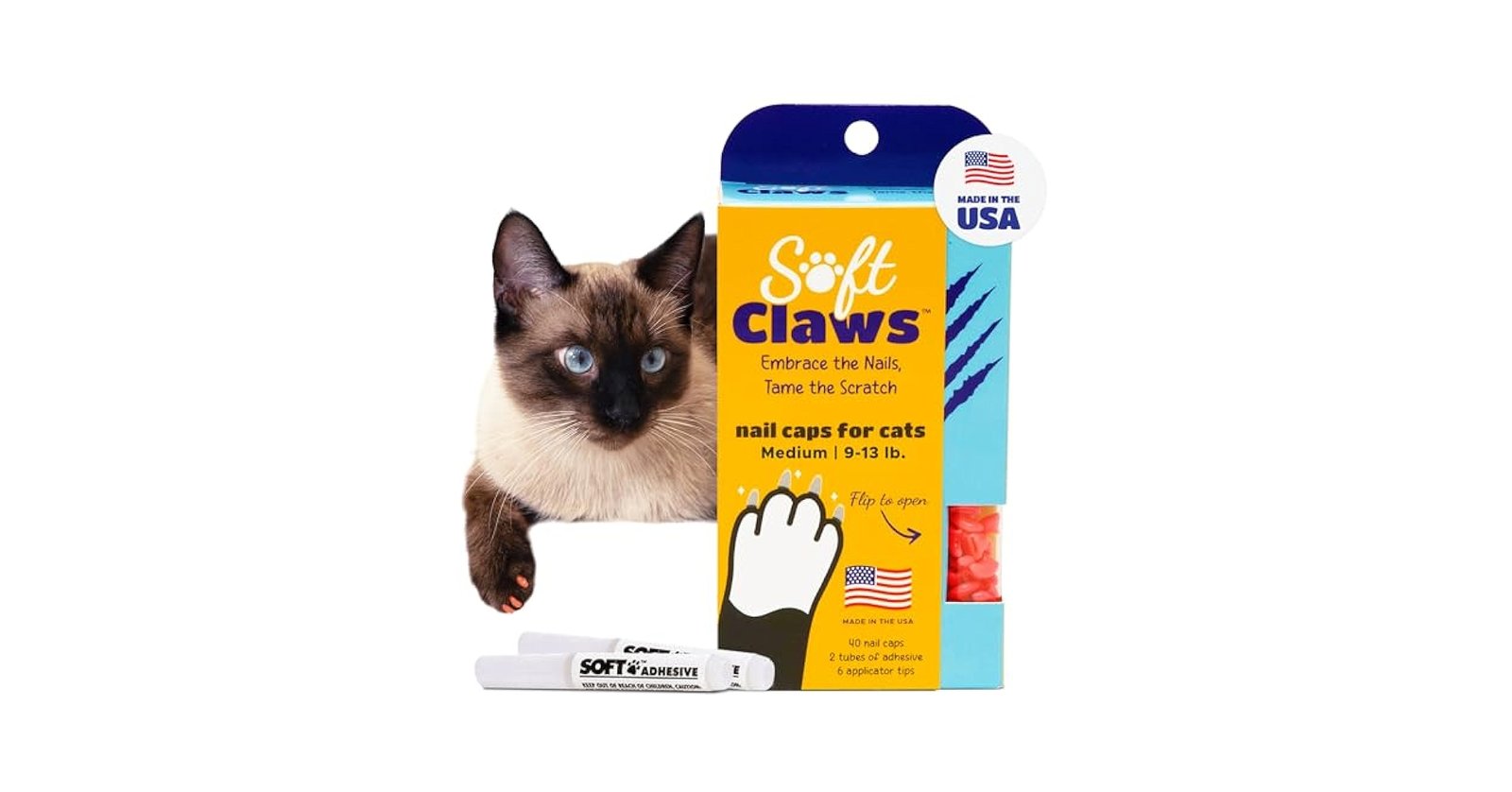
Soft Paws nail caps are popular but they’re not the only product on the market. Other brands offer similar caps with different materials or adhesive formulas. Some owners prefer nail covers that claim longer durability or easier application, but results vary.
Consider what matters most to you: ease of use, how long they last, or the comfort of your cat. Reading reviews and asking your vet can help you make an informed choice. Have you thought about trying a few brands to see which one your cat tolerates best?

Credit: www.amazon.com
Frequently Asked Questions
How Long Do Cat Nail Caps Typically Last?
Cat nail caps usually last about 4 to 6 weeks. They fall off naturally as your cat’s nails grow. Regular replacement is needed to keep them effective and comfortable.
Can Nail Caps Stay On Longer With Proper Care?
Yes, proper care can extend nail caps’ lifespan. Avoid rough surfaces and check them weekly. This prevents early wear and keeps the caps secure longer.
When Should I Replace My Cat’s Nail Caps?
Replace nail caps every 4 to 6 weeks or when they start falling off. Regular replacement ensures your cat’s comfort and prevents damage from sharp nails.
Are Nail Caps Safe For Cats Long-term?
Yes, nail caps are safe for long-term use when applied correctly. They don’t harm the nail or paw and allow natural nail growth without damage.
Conclusion
Nail caps for cats are a practical solution for claw issues. They typically last four to six weeks. This varies based on your cat’s activity level. Regular checks ensure they stay in place. Cats may need time to adjust. Patience helps them get comfortable.
Choose the right size for your cat's comfort. Proper application is key for lasting results. Nail caps offer peace of mind for cat owners. They protect furniture and skin from scratches. Consider them for a harmonious home with your feline friend.