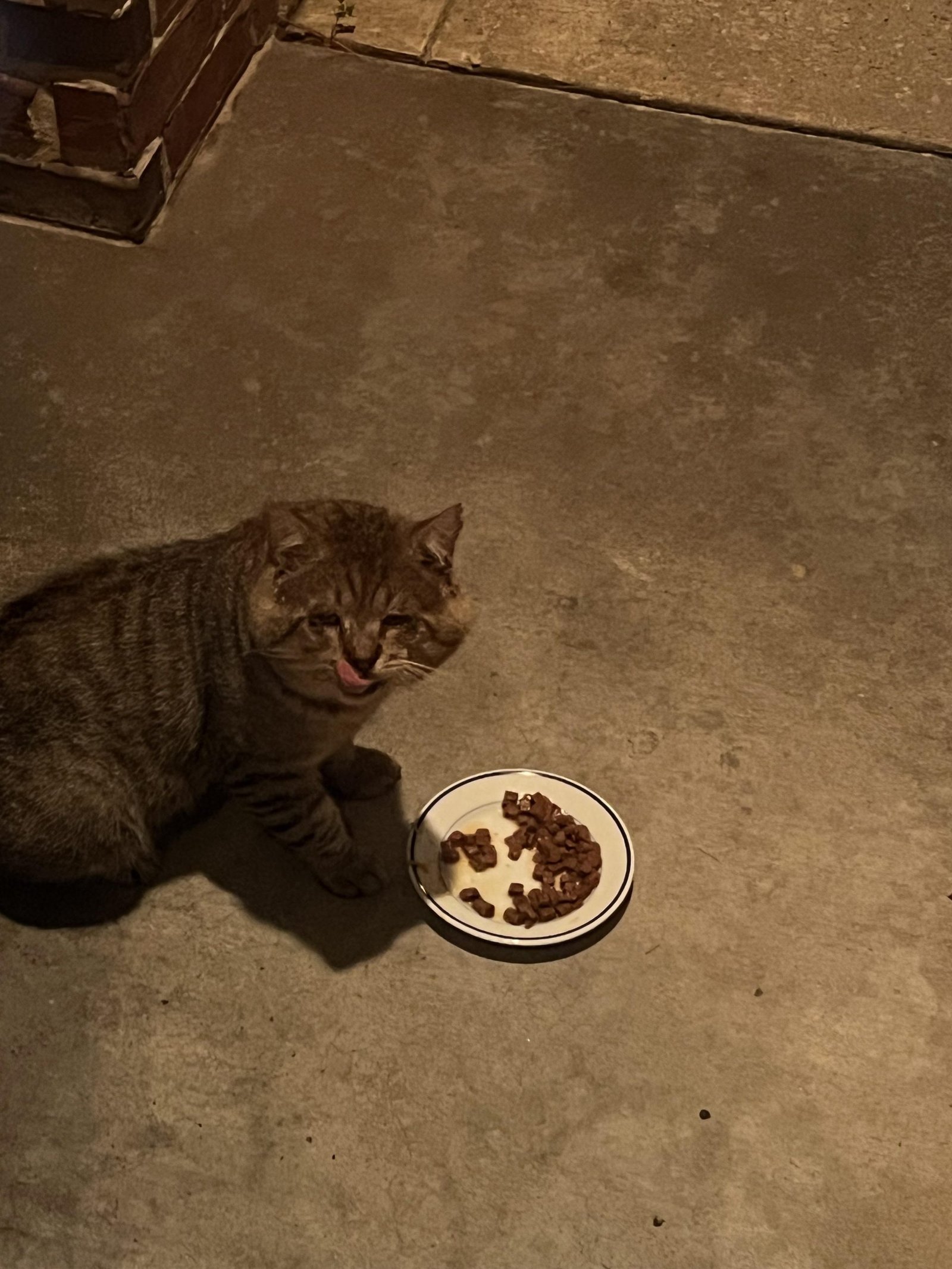
If your cat is suddenly limping, hiding, or seems to be in pain, you might be dealing with an abscess. These painful pockets of infection can cause serious discomfort for your furry friend.
But how do you treat an abscess on a cat quickly and safely? You want to help your cat feel better as soon as possible, and knowing the right steps can make all the difference. Keep reading to discover practical tips and expert advice that will guide you through caring for your cat’s abscess at home and when to seek professional help.
Your cat’s health and happiness depend on it.
Credit: urbananimalveterinary.com
Signs Of A Cat Abscess
Recognizing the signs of a cat abscess is important for timely care. Abscesses are pockets of infection under the skin. They can cause pain and discomfort for your cat. Early detection helps prevent serious complications. Watch your cat closely for any changes in behavior or appearance. Knowing the symptoms can guide you on what to do next.
Common Symptoms
- Swelling or lumps on the skin
- Redness around the affected area
- Warmth near the swollen spot
- Pain or sensitivity when touched
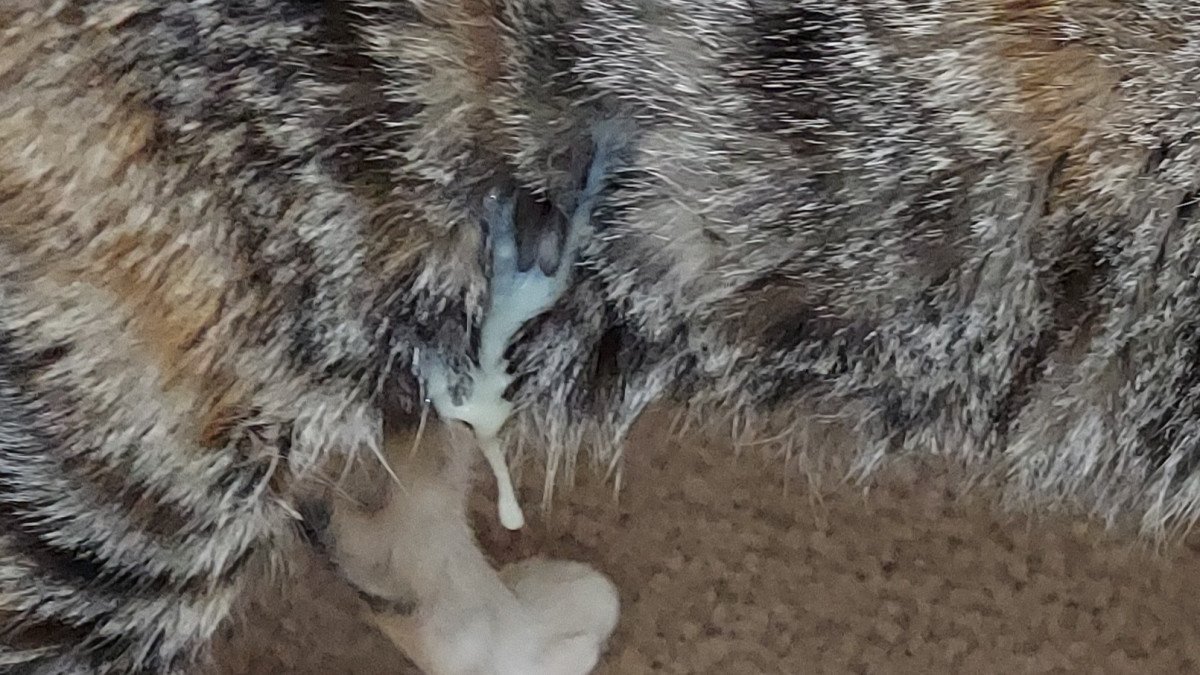
- Discharge or pus leaking from the lump
- Loss of appetite or decreased energy
- Licking or biting the swollen area
- Fever or general signs of illness
When To Seek Veterinary Care
Visit a vet if the lump grows quickly or looks worse. Seek help if your cat shows signs of pain or fever. Pus or bleeding from the abscess needs medical attention. If your cat stops eating or becomes very tired, do not wait. Early treatment prevents the infection from spreading. A vet can drain the abscess and prescribe antibiotics. Avoid trying to treat an abscess at home without guidance.
Causes Of Cat Abscesses
Understanding what causes abscesses in cats is crucial for timely and effective treatment. Abscesses don’t just appear out of nowhere; they result from specific triggers that introduce bacteria into your cat’s skin or tissue. By knowing these causes, you can better prevent abscess formation and protect your cat’s health.
Bacterial Infections
Cat abscesses are primarily caused by bacterial infections. These bacteria enter through breaks in the skin, leading to a pus-filled swelling. The most common bacteria involved are Pasteurella multocida, which naturally live in cats’ mouths and claws.
Once bacteria invade, your cat’s immune system reacts by sending white blood cells to fight the infection. This battle creates pus and swelling, which forms the abscess. Without proper care, the infection can worsen quickly and spread to deeper tissues.
Common Injury Triggers
Cat abscesses often start from small injuries like bites, scratches, or punctures. Outdoor cats are especially at risk due to fights with other animals. Even minor wounds can trap bacteria beneath the skin, setting the stage for an abscess.
Have you noticed your cat limping or grooming a specific spot excessively? These could be signs of an injury that might become an abscess. Checking your cat regularly for cuts or swelling after outdoor adventures can help you catch problems early.
- Bite wounds from fights with other cats or animals
- Scratches from rough play or sharp objects
- Puncture wounds from thorns, nails, or environmental hazards
Home Remedies For Cat Abscess
Home remedies can help ease your cat’s abscess before a vet visit. They support healing and reduce discomfort. Always watch your cat closely and seek professional care if the abscess worsens.
Warm Compress Application
Apply a warm compress to the abscess area. Use a clean cloth soaked in warm water. Hold it gently on the spot for 5 to 10 minutes. Repeat this 2 to 3 times daily. This helps draw out pus and reduce swelling.
Cleaning The Wound Safely
Keep the abscess clean to prevent infection. Use a mild saline solution to rinse the wound. Mix one teaspoon of salt in a cup of warm water. Gently clean the area with a cotton ball or soft cloth. Avoid harsh soaps or chemicals that can hurt your cat’s skin.
Using Natural Antiseptics
Natural antiseptics can support healing without harsh effects. Diluted tea tree oil or honey may help. For tea tree oil, always dilute it heavily and use sparingly. Honey can be applied directly as it has antibacterial properties. Test on a small skin area first to check for reactions.
Preventing Abscesses In Cats
Preventing abscesses in cats is crucial to keeping your furry friend healthy and comfortable. Abscesses often start from small wounds or bites that get infected, so stopping these infections before they begin can save your cat a lot of pain and vet visits. Let’s look at some practical ways you can reduce the chances of abscesses developing.
Regular Grooming
Keeping your cat well-groomed helps you spot scratches, bites, or skin irritations early. Brushing your cat’s fur regularly removes dirt and debris that can cause skin problems. It also gives you a chance to check for any unusual lumps or wounds that might turn into abscesses.
I remember once finding a tiny puncture wound on my cat’s neck during grooming. Because I noticed it early, I cleaned it immediately and avoided a painful abscess. Imagine how much harder it would have been if I hadn’t been paying attention.
Safe Outdoor Practices
If your cat goes outside, it’s important to manage their environment to reduce fights or injuries. Consider supervised outdoor time or using a cat enclosure to keep your cat safe from aggressive animals. You can also trim your cat’s nails regularly to minimize damage if they do get into a scuffle.
Have you thought about how many risks your cat faces outside? Limiting those risks can prevent many abscesses before they start.
Prompt Wound Care
Any scratch or bite should be cleaned right away with mild antiseptic to stop infection. Keep a close eye on the wound in the days after and contact your vet if you notice swelling, redness, or discharge. Quick action on small injuries stops them from turning into serious abscesses.
Taking care of wounds quickly means your cat won’t have to suffer unnecessary pain. It’s a small effort that makes a big difference in their health.
When Home Care Isn’t Enough
Sometimes, despite your best efforts with home care, an abscess on your cat may not improve or could even worsen. Knowing when to seek professional help is crucial to prevent serious complications. Ignoring signs of severe infection or delaying veterinary care can put your cat’s health at risk.
Signs Of Severe Infection
Watch closely for symptoms that suggest the infection is getting worse, such as:
- Increased swellingor redness around the abscess
- Foul-smelling dischargeor pus leaking from the wound
- Fever, lethargy, or loss of appetite in your cat
- Difficulty movingor signs of pain when touched
- Rapid breathingor unusual behavior changes
If you notice any of these signs, it’s time to get your cat to a vet immediately. Ignoring these can lead to the infection spreading deeper into the body.
Veterinary Treatment Options
At the vet, your cat may undergo several treatments depending on the abscess severity. These can include:
- Professional cleaning and drainingof the abscess to remove pus and debris
- Antibioticsprescribed to fight the infection effectively
- Pain relief medicationsto help your cat feel more comfortable
- Possible hospitalizationif the infection is severe or your cat is very sick
Remember, a vet can also check for underlying issues that caused the abscess. Have you ever faced a situation where home care wasn’t enough? Your cat’s health might depend on the timely decision to seek expert care.

Credit: www.mycornervet.com.au
Tips For Supporting Recovery
Supporting your cat’s recovery after treating an abscess is just as important as the treatment itself. You want to create an environment that helps your furry friend heal quickly and comfortably. Small changes in daily care can make a big difference in how well and how fast your cat bounces back.
Nutrition And Hydration
Your cat’s body needs extra fuel to fight infection and repair tissue. Provide high-quality, easily digestible food that is rich in protein and essential nutrients. Wet food is often better because it adds hydration, which is crucial during recovery.
If your cat is hesitant to eat, try warming the food slightly or adding a little low-sodium chicken broth. You can also offer small, frequent meals instead of one or two large ones. Keep fresh water available at all times and encourage drinking by placing multiple water bowls around the house.
Keeping Your Cat Comfortable
Comfort affects healing more than many realize. Make a quiet, warm resting spot away from noise and other pets. Soft bedding and easy access to the litter box help reduce stress and encourage rest.
Check the abscess site daily for signs of redness, swelling, or discharge. Prevent your cat from licking or scratching the area by using an Elizabethan collar if necessary. Remember, your calm presence and gentle handling can reassure your cat and lower anxiety, speeding up recovery.
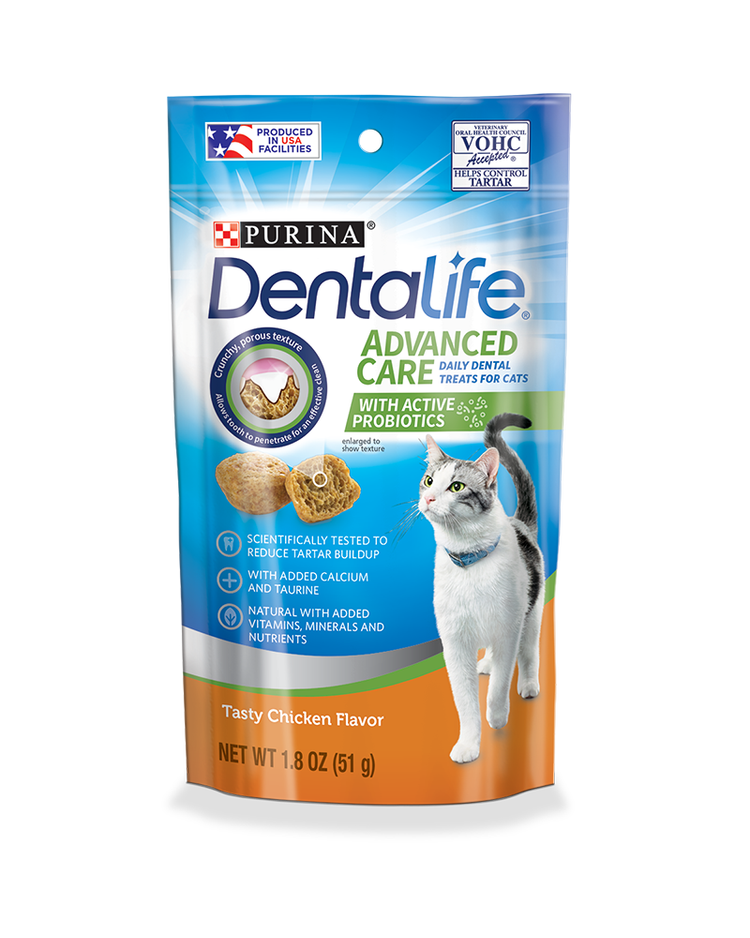
Credit: www.purina.com
Frequently Asked Questions
What Are The First Signs Of A Cat Abscess?
Look for swelling, redness, pain, and pus near a wound. Cats may also lick or bite the area excessively.
How Can I Safely Clean A Cat Abscess At Home?
Use warm, damp cloths to gently clean the abscess. Avoid squeezing it, and keep the area dry afterward.
When Should I Take My Cat To The Vet For An Abscess?
Visit the vet if the abscess is large, painful, or draining pus. Also seek help if your cat shows fever or lethargy.
What Treatments Do Vets Use For Cat Abscesses?
Vets usually drain the abscess and prescribe antibiotics. Pain relief and wound care instructions are also provided for faster healing.
Conclusion
Treating a cat's abscess requires care and attention. Always consult your vet first. They guide you on the best treatment steps. Keep the area clean to prevent infections. Use prescribed medications as directed. Monitor your cat’s behavior and healing progress.
Offer them comfort and care. Stay alert for any unusual signs. Early treatment leads to faster recovery. Your cat's health is the priority. Ensure a safe and loving environment. This helps them heal effectively. Remember, a healthy cat is a happy cat.
Your dedication makes a difference in their healing journey.