
Do you notice your cat making frequent trips to the litter box or perhaps showing signs of discomfort while urinating? These could be telltale signs of a urinary tract infection (UTI), a common yet distressing issue for our feline friends.
As a loving pet owner, you want nothing more than to see your cat healthy and happy. Understanding how to treat a cat urinary tract infection is crucial to ensuring your furry companion’s well-being. You'll uncover effective and simple methods to tackle this issue head-on.
Don't let your cat suffer in silence; discover how you can provide relief and comfort today. Read on, because your cat deserves the best care.
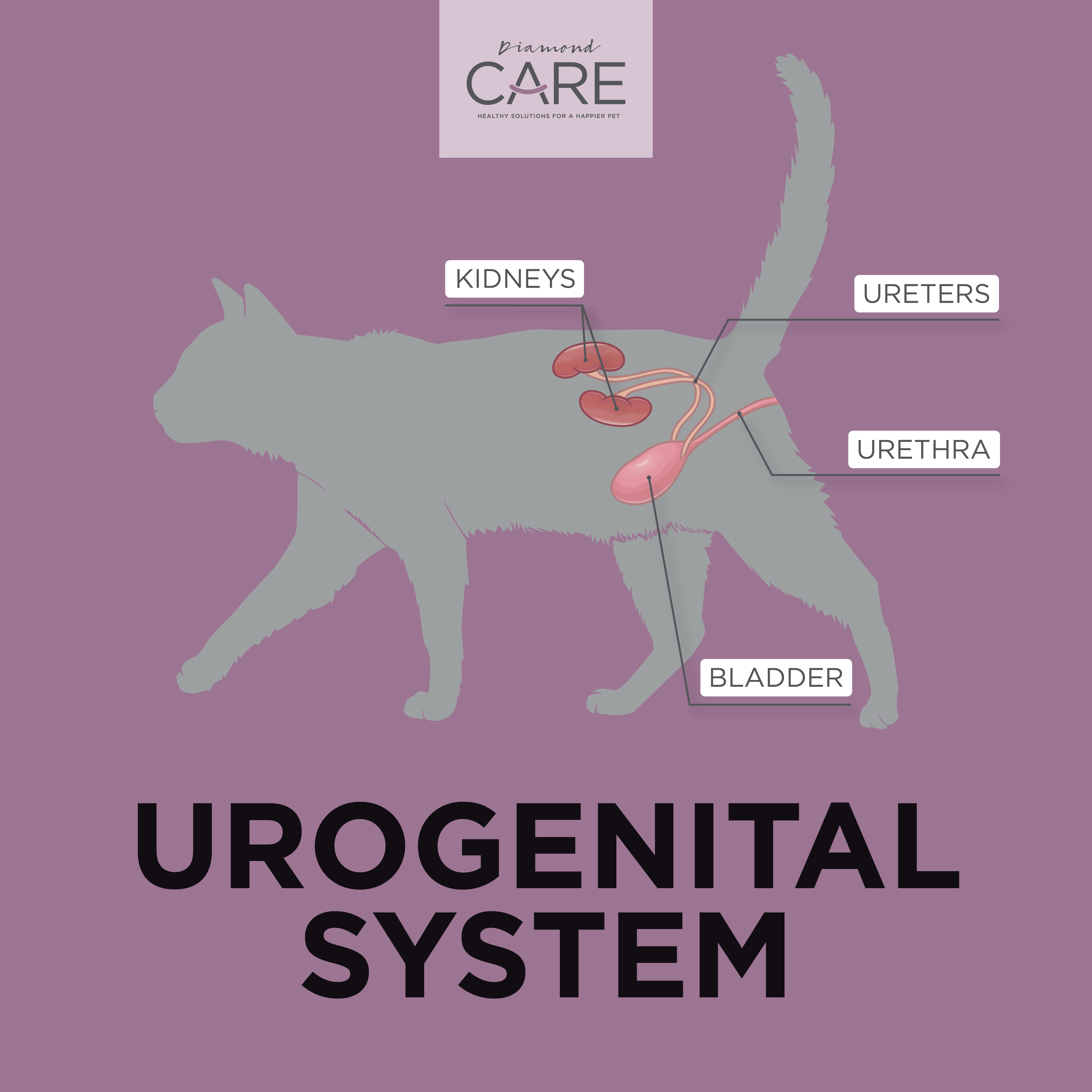
Credit: www.diamondpet.com
Causes Of Cat Urinary Tract Infections
Understanding the causes of cat urinary tract infections (UTIs) helps in preventing and treating them effectively. UTIs occur when bacteria enter the urinary system, causing inflammation and discomfort. Several factors contribute to these infections, ranging from bacterial sources to lifestyle and diet. Knowing these causes supports timely care and relief for your feline friend.
Common Bacterial Sources
Most cat UTIs are caused by bacteria. These bacteria often come from the skin or environment.
- Escherichia coli (E. coli):The most common culprit, usually from the cat’s own intestinal tract.
- Staphylococcus and Streptococcus:These bacteria can also invade the urinary tract.
- Proteus and Klebsiella:Less common but still possible causes.
Bacteria enter through the urethra and multiply, leading to infection.
Risk Factors In Cats
Several conditions increase the risk of UTIs in cats.
- Age:Older cats are more prone to infections.
- Gender:Female cats have shorter urethras, making infections easier.
- Underlying diseases:Diabetes and kidney problems weaken the immune system.
- Stress:Stress from new environments or changes can trigger infections.
- Urinary tract abnormalities:Blockages or stones increase infection risk.
Role Of Diet And Hydration
Diet and water intake play vital roles in urinary health.
- Poor hydration:Low water intake concentrates urine, encouraging bacteria growth.
- Dry food diet:Cats eating mostly dry food may drink less water.
- Urinary pH:Certain diets can alter urine acidity, affecting bacterial survival.
- Mineral balance:Diets high in minerals may lead to crystals or stones.
Feeding wet food and ensuring fresh water helps reduce UTI risks.
Recognizing Infection Symptoms
Recognizing the symptoms of a cat urinary tract infection is crucial for early treatment. Cats often hide pain and discomfort, making it hard to notice problems. Observing changes in their habits and appearance helps catch infections early. This section highlights key signs to watch for.
Changes In Urination Habits
- Frequent trips to the litter box with little urine
- Straining or crying while urinating
- Accidents outside the litter box
- Blood in the urine
- Urine with a strong or unusual smell
Behavioral Signs
- Increased restlessness or pacing
- Hiding more than usual
- Decreased appetite
- Licking the genital area excessively
- Signs of pain when touched or picked up
Physical Symptoms To Watch For
- Swelling around the lower abdomen
- Redness or irritation near the urinary opening
- Vomiting or lethargy
- Fever or shivering
Veterinary Diagnosis Methods
Veterinary diagnosis methods play a crucial role in identifying a cat urinary tract infection. These techniques help veterinarians find the infection's cause and severity. Accurate diagnosis ensures the right treatment plan for your cat’s recovery.
Urine Testing Procedures
Urine testing is a key step in detecting urinary tract infections. Veterinarians collect a urine sample carefully to avoid contamination. The sample undergoes analysis to check for bacteria, white blood cells, and crystals. A urine culture may be done to identify the exact bacteria type. This helps select the right antibiotic for treatment.
Physical Examination
During a physical exam, the vet checks the cat’s overall health. They gently press the abdomen to feel the bladder for tenderness or swelling. The vet observes the cat’s behavior and looks for signs like pain or difficulty urinating. This exam helps spot discomfort related to the infection. It provides clues that guide further testing.
Imaging Techniques
Imaging tests give a clear view of the cat’s urinary system. X-rays can reveal bladder stones or abnormalities. Ultrasound provides detailed images of the bladder and kidneys. These tools detect blockages or structural problems causing the infection. Imaging helps rule out other conditions that mimic urinary infections.
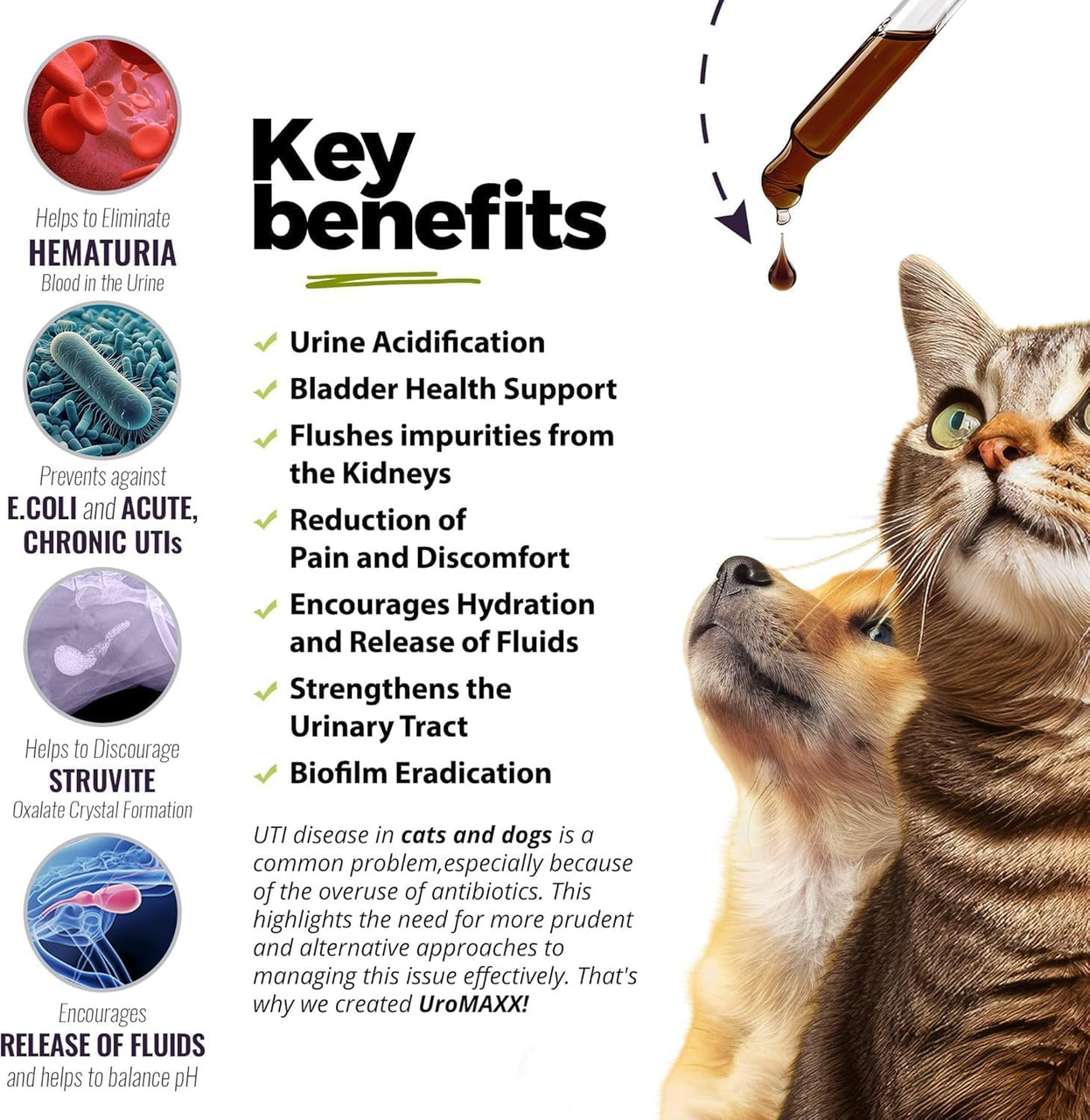
Credit: www.abetterwaypetcare.com
Medical Treatment Options
Medical treatment plays a vital role in curing a cat urinary tract infection (UTI). Prompt care helps avoid serious complications and eases your cat’s discomfort. The treatment plan usually involves antibiotics, pain relief, and fixing any root causes. Each part targets a different aspect of the infection.
Antibiotic Therapies
Antibiotics are the main treatment for bacterial UTIs in cats. These medicines kill the bacteria causing the infection. A veterinarian will choose the right antibiotic based on the infection type and cat’s health.
The treatment usually lasts 7 to 14 days. It is important to complete the full course. Stopping early can cause the infection to return or worsen.
Pain Management
UTIs can cause pain and discomfort during urination. Pain relief helps your cat feel better and reduces stress. Vets may prescribe medications to soothe the bladder and ease pain.
These medicines also prevent your cat from avoiding the litter box. Proper pain management supports faster recovery.
Addressing Underlying Issues
Sometimes, other health problems cause or worsen UTIs. These include bladder stones, crystals, or urinary blockages. Identifying and treating these issues is crucial.
Vets may recommend special diets or additional treatments to prevent future infections. Regular check-ups help track your cat’s urinary health.
Home Care And Support
Home care plays a key role in helping your cat recover from a urinary tract infection. Supportive actions at home can ease discomfort and speed up healing. Small changes in daily habits make a big difference in your cat’s health.
Encouraging Fluid Intake
Water helps flush bacteria from your cat’s urinary tract. Offer fresh water in multiple bowls around the house. Wet cat food can increase fluid intake naturally. Consider using a pet water fountain to attract your cat to drink more. Avoid giving milk or sugary drinks, which can worsen the infection.
Diet Adjustments
Proper diet supports urinary health and recovery. Choose foods formulated for urinary tract care. These diets often control minerals that form crystals or stones. Consult your vet before changing your cat’s diet. Avoid high-magnesium foods and excessive fish flavors. Balanced nutrition strengthens your cat’s immune system.
Maintaining A Stress-free Environment
Stress can worsen urinary tract infections in cats. Create a calm, quiet space for your cat to rest. Keep litter boxes clean and in quiet locations. Provide hiding spots and cozy bedding to reduce anxiety. Play gently with your cat to boost mood and reduce stress hormones. Consistent routines help your cat feel safe and secure.

Credit: www.amazon.com
Preventing Future Infections
Preventing future urinary tract infections (UTIs) in your cat is key to keeping them happy and healthy. Once your feline friend has experienced a UTI, it’s important to take steps that reduce the chances of it happening again. Small changes in daily care can make a big difference over time.
Regular Vet Checkups
Scheduling regular vet visits helps catch early signs of urinary problems before they become serious. Your vet can perform urine tests to detect infections or crystals that might lead to UTIs. Don’t wait for symptoms to show up—routine exams are a proactive way to protect your cat’s health.
Have you noticed your cat drinking less or hiding more? These could be subtle signs worth mentioning during your vet visits. Early intervention often means easier and faster treatment.
Hydration Strategies
Keeping your cat well-hydrated flushes out bacteria from the urinary tract and prevents crystal formation. Try adding wet food to your cat’s diet or placing multiple water bowls around your home to encourage drinking. Some cats prefer running water, so a pet water fountain might make a surprising difference.
Think about your cat’s water intake daily. Could you spot signs of dehydration, like lethargy or dry gums? Increasing hydration is one of the simplest, most effective ways to prevent UTIs.
Litter Box Hygiene
Clean litter boxes reduce the risk of bacterial buildup that can cause infections. Scoop the box at least once a day and change the litter regularly to keep the environment sanitary. Using unscented, clumping litter can also help your cat feel more comfortable and willing to use the box.
Consider having one more litter box than the number of cats you own. This small change can reduce stress and avoid accidents, which sometimes contribute to urinary issues. How often do you clean your cat’s litter box? Improving hygiene could be easier than you think.
Frequently Asked Questions
What Are Common Symptoms Of A Cat Urinary Tract Infection?
Common symptoms include frequent urination, straining, blood in urine, and urinating outside the litter box. Cats may also show pain or discomfort.
How Do Veterinarians Diagnose A Cat Urinary Tract Infection?
Veterinarians diagnose by examining symptoms and testing urine samples for bacteria, blood, or crystals. Sometimes, blood tests or X-rays are needed.
What Treatments Are Effective For Cat Urinary Tract Infections?
Treatment usually involves antibiotics prescribed by a vet. Pain relief and increased water intake also help flush the infection out.
Can Diet Changes Help Prevent Cat Urinary Tract Infections?
Yes, special diets can reduce urinary crystals and promote water intake. Wet food often helps keep cats hydrated and healthy.
Conclusion
Treating a cat’s urinary tract infection requires quick action. Visit the vet for proper diagnosis and medicine. Give all prescribed antibiotics on time. Keep your cat’s water fresh and clean. Watch for signs like frequent urination or discomfort. Clean the litter box daily to avoid bacteria.
A healthy diet supports your cat’s recovery. Prevent future infections by maintaining good hygiene. Early care helps your cat feel better fast. Stay patient and follow the vet’s advice closely. Your cat will thank you with better health soon.