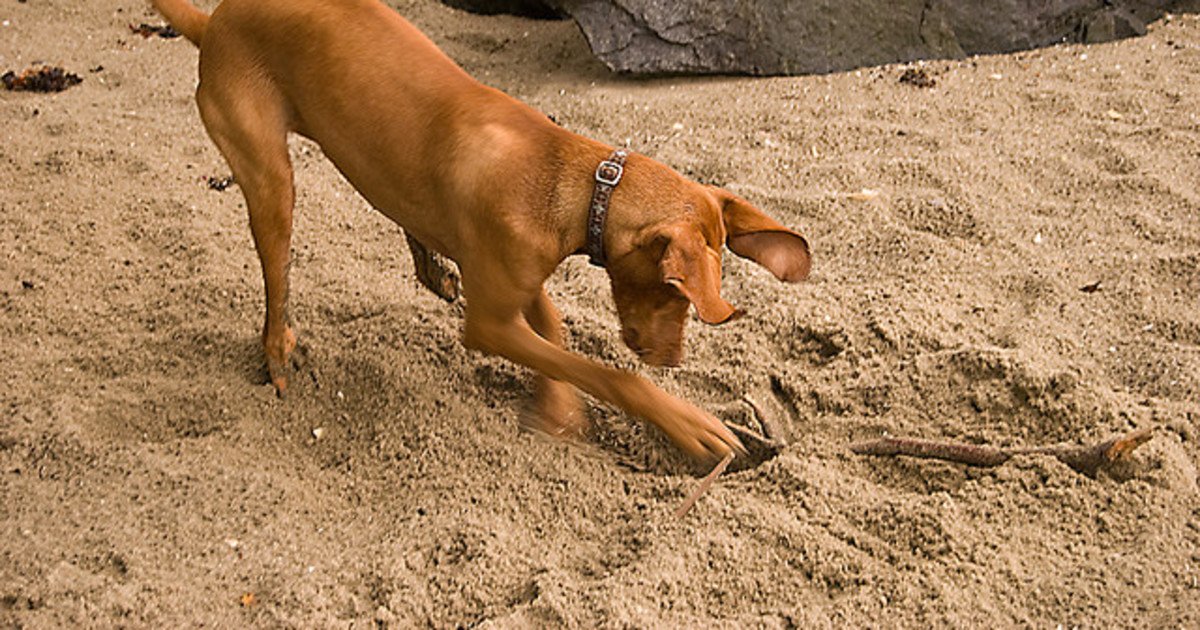
Are you tired of finding holes all over your yard? Your dog’s digging might be cute at first, but it can quickly turn into a frustrating problem.
You want to enjoy a beautiful garden or a clean lawn, but those unexpected pits keep spoiling the view. The good news is, you can train your dog not to dig—and it’s easier than you think. You’ll discover simple, effective steps to stop digging for good, so you can reclaim your outdoor space and strengthen your bond with your furry friend.
Keep reading to find out how!

Credit: www.bestmatedogtraining.co.nz
Why Dogs Dig
Dogs dig for many reasons. Understanding why your dog digs helps you stop this behavior. Digging can be natural or caused by feelings. Some dogs dig to find comfort or to explore. Other dogs dig because they feel bored or anxious. Recognizing these causes is the first step in training your dog.
Instinctive Behaviors
Digging is a natural action for dogs. Their ancestors dug to find food or create safe places. This instinct stays with many dogs today. Some breeds dig more because of their history. Dogs may dig to hide toys or food. This behavior is part of their nature.
Boredom And Anxiety
Dogs need mental and physical exercise every day. Without enough play or attention, they feel bored. Bored dogs often dig to pass time. Anxiety can also cause digging. Dogs feel nervous or stressed and dig to calm down. Digging helps them release nervous energy.
Seeking Comfort Or Hunting
Dogs dig to make a cool or warm spot. They try to stay comfortable in hot or cold weather. Digging creates a cozy place to rest. Dogs also dig to hunt small animals underground. The smell or sound of animals can trigger this behavior. This hunting instinct makes them dig deep.
Identifying Digging Triggers
Understanding why your dog digs is essential before you can stop the behavior. Dogs don’t dig out of spite; they respond to certain triggers in their environment or body. Identifying these triggers helps you address the root cause rather than just the symptom.
Environmental Factors
Is your dog digging in a particular spot? Look closely at the surroundings. Sometimes, digging spots have hidden treasures like burrowing animals or cool soil.
Heat can also push dogs to dig, as they seek cooler ground to lie on. If your yard lacks shade or a comfortable resting place, your dog might try to create one by digging.
Think about recent changes too—new plants, smells, or noises could make your dog anxious and trigger digging as a coping mechanism.
Health Issues
Could your dog’s digging be a sign of discomfort or illness? Dogs with skin irritations, allergies, or parasites often scratch and dig to relieve itching.
Arthritis or joint pain may cause restlessness, leading your dog to dig in frustration. If digging suddenly increases, a vet check might be necessary to rule out health problems.
Have you noticed other signs like limping, licking paws excessively, or changes in appetite? These clues can link digging to underlying health concerns.
Lack Of Exercise
Dogs with too much energy often dig to burn it off. Is your dog getting enough daily walks and playtime? A bored dog is more likely to dig out of frustration.
Adding interactive toys or scheduled play sessions can reduce digging behavior by keeping your dog mentally and physically engaged.
Ask yourself: Does your dog seem restless or destructive in other ways? If so, increasing exercise might be a simple fix to stop the digging habit.
Effective Training Techniques
Training your dog not to dig requires patience and smart strategies. Effective training techniques focus on guiding your dog's natural energy into positive behavior. These methods help you manage digging without harsh punishments, making the process smoother for both you and your pet.
Redirecting To Designated Areas
Dogs dig because they enjoy it or want to explore. Instead of stopping the behavior completely, try redirecting it to a specific spot in your yard. Create a digging zone by filling a small area with loose soil or sand and encourage your dog to dig there.
Use toys or treats to lure your dog to this area. Praise them when they dig in the right spot. This way, your dog satisfies their digging urge without damaging your garden or lawn.
Positive Reinforcement
Rewarding your dog for good behavior works better than punishment. Whenever your dog stops digging on command or chooses the digging zone, give them a treat or verbal praise. This builds a clear connection between good behavior and rewards in their mind.
Try to catch your dog in the act and redirect them immediately. Consistent rewards make your dog more likely to repeat the behavior you want. Would your dog respond better to treats, toys, or affection? Experiment to find what motivates them most.
Consistent Commands
Using the same command each time you want your dog to stop digging helps create clear communication. Words like "No dig" or "Leave it" should be simple and consistent. Pair the command with a firm but calm tone to avoid confusion.
Practice these commands regularly during walks or playtime. Consistency helps your dog understand your expectations and reduces unwanted digging. Are you ready to stay patient and persistent with your commands every day?
Creating A Digging Zone
Creating a digging zone helps control where your dog digs. It gives them a special place to enjoy digging without damaging your yard. This method teaches your dog to dig only in safe, allowed areas. You can guide your dog’s energy and natural behavior in a positive way. Setting up a digging zone needs planning and patience. The right spot and encouragement make all the difference.
Choosing The Right Spot
Pick a quiet area with soft soil for digging. Avoid places with roots or rocks that can hurt your dog. A shady spot keeps your dog cool while digging. Make sure the area is easy to clean and away from flower beds. The space should be big enough for your dog to move freely. This helps your dog enjoy digging without limits.
Encouraging Digging In Safe Areas
Lead your dog to the digging zone regularly. Use a consistent command like “dig here” to build habit. Praise your dog every time they dig in the zone. Redirect them gently if they start digging elsewhere. Practice patience; your dog needs time to learn. Reward good digging behavior with treats or toys.
Using Toys And Treats
Hide toys or treats in the digging zone to spark interest. Let your dog find them by digging. Use favorite toys to create fun digging games. Treats motivate your dog to keep digging in the zone. Rotate toys and treats to keep the area exciting. This positive reinforcement keeps your dog coming back.
Exercise And Mental Stimulation
Exercise and mental stimulation are key to stopping your dog from digging. Dogs often dig out of boredom or excess energy. By giving your dog enough physical activity and mental challenges, you can redirect their urge to dig into more positive outlets.
Daily Physical Activities
Make sure your dog gets regular walks or runs every day. Aim for at least 30 minutes of vigorous activity to tire them out. If your dog is still full of energy after walks, try adding fetch or tug-of-war sessions to burn off more steam.
Think about your dog’s breed and age—some need more exercise than others. Have you noticed your dog digging more after a lazy day? That might be a sign they need extra movement.
Interactive Games
Games like hide-and-seek or scent trails can keep your dog’s mind busy and focused. You can hide treats around the yard and let your dog sniff them out. This taps into their natural instincts and can reduce digging caused by boredom.
Try rotating games so your dog doesn’t get bored with the same routine. Have you tried teaching your dog new tricks as a game? It’s a fun way to keep their brain active and strengthen your bond.
Puzzle Toys For Dogs
Puzzle toys challenge your dog to think and problem-solve for their treats. These toys slow down eating and keep your dog occupied for longer periods. They are especially useful when you can’t supervise outdoor play closely.
Look for puzzle toys that match your dog’s skill level. If the toy is too easy, your dog might lose interest quickly. Have you seen your dog’s excitement when they solve a puzzle? That moment of success can replace digging with a much healthier habit.

Credit: www.amazon.com
Deterring Undesired Digging
Deterring undesired digging helps protect your yard and trains your dog effectively. Dogs often dig out of boredom, curiosity, or instinct. Stopping this behavior early saves frustration and damage. Several gentle and practical ways exist to discourage digging without harming your pet.
Using Natural Deterrents
Natural deterrents create an unpleasant environment for dogs near digging spots. Certain smells and textures can discourage digging naturally.
- Citrus peels spread around the area keep dogs away.
- Vinegar sprayed lightly on the soil discourages digging.
- Planting herbs like rosemary or lavender adds a scent dogs dislike.
- Sharp mulch or pine cones make digging uncomfortable.
These methods are safe and easy to apply. They help your dog associate the digging spot with something unpleasant.
Physical Barriers
Physical barriers block access to favorite digging areas. They provide a clear boundary your dog learns not to cross.
- Install chicken wire or garden fencing under soil or mulch.
- Use large rocks or garden statues to cover tempting spots.
- Place raised garden beds to keep dogs out of certain zones.
Barriers reduce digging chances by making the spot hard to reach. They also protect plants and garden features.
Supervision And Timing
Watching your dog helps catch digging early. Timing outdoor time reduces boredom-driven digging.
- Supervise your dog during outdoor play sessions.
- Interrupt digging with a firm but gentle command.
- Provide plenty of exercise before outdoor time.
- Offer toys or digging boxes as alternatives.
Consistent supervision teaches your dog which areas are off-limits. It also gives chances to reward good behavior.
Consistency And Patience
Training a dog not to dig requires more than just telling them "no." It demands consistency and patiencefrom you as the trainer. Dogs learn through repeated actions and clear signals, so sticking to a routine and staying calm even when progress seems slow is key.
Maintaining Training Routine
Set specific times every day to work on stopping your dog from digging. Consistency helps your dog understand what behavior you expect. Even short, regular sessions can make a big difference over time.
Try to use the same commands and gestures each time you catch your dog digging. This reduces confusion and builds a clear connection between your words and their actions. Do you notice how your dog responds best to certain tones or words? Use that to your advantage.
Recognizing Progress
Notice and celebrate small wins. If your dog digs less frequently or stops when you give the command, that’s progress. Reward these moments with treats or affection to reinforce good behavior.
It’s easy to focus on setbacks, but paying attention to positive changes keeps you motivated. Think about how your dog’s behavior has improved compared to when you first started. What small changes can you build on next?
Avoiding Punishment
Harsh punishments can confuse your dog and damage your trust. Instead of scolding, try redirecting their energy to a designated digging spot or a toy. This teaches them what is acceptable without fear.
Remember, dogs don’t connect punishment to the digging itself if it happens later. Immediate, calm redirection works better. How might your dog’s behavior change if you focus on teaching instead of punishing?

Credit: petbarrier.com.au
Frequently Asked Questions
How Can I Stop My Dog From Digging In The Yard?
Provide plenty of exercise and mental stimulation. Create a designated digging spot with toys. Use positive reinforcement when your dog digs in the right place. Avoid punishment, as it can increase anxiety and digging behavior.
Why Do Dogs Dig Holes In The Garden?
Dogs dig to explore, seek comfort, or release energy. Some dig due to boredom or anxiety. Understanding the cause helps you address the behavior effectively. Providing alternatives can reduce digging in unwanted areas.
What Training Methods Work Best To Prevent Digging?
Consistency and positive reinforcement are key. Redirect your dog to appropriate digging areas. Reward calm behavior and use commands like “leave it. ” Avoid harsh punishments, as they may worsen the problem.
How Long Does It Take To Train A Dog Not To Dig?
Training time varies by dog breed and individual temperament. With patience, most dogs show improvement within weeks. Consistent training and exercise speed up the process. Regular supervision helps reinforce good habits.
Conclusion
Training your dog not to dig takes patience and consistency. Start with understanding your dog's needs. Is it boredom, excess energy, or instinct? Address these issues first. Provide plenty of exercise and mental stimulation. Use toys and activities to keep them busy.
Create a designated digging area if needed. Reinforce good behavior with rewards and praise. Monitor your dog's behavior regularly. Adjust strategies as needed. Remember, training is a journey. Each dog is unique and learns at its own pace. Keep your approach positive and supportive.
Soon, your garden will thank you. Happy training!