
Imagine having a loyal companion who can sense when your blood sugar levels drop or spike, even before you feel it yourself. Training a diabetic alert dog can give you that incredible advantage.
But how exactly do you teach a dog to detect such subtle changes? If you or someone you love lives with diabetes, understanding this training could make a huge difference in safety and peace of mind. Keep reading, because we’re about to reveal how you can turn an ordinary dog into a life-saving partner.

Credit: www.amazon.com
Selecting The Right Dog
Selecting the right dog is the first crucial step in training a diabetic alert dog. The dog must have the right qualities to detect blood sugar changes and respond appropriately. Not all dogs have the ability or temperament needed for this important role. Choosing a suitable dog improves training success and the bond between the dog and owner.
Ideal Breeds For Diabetic Alert
Some dog breeds have a natural talent for scent detection and obedience. These breeds often excel in diabetic alert training:
- Labrador Retriever
- Golden Retriever
- German Shepherd
- Poodle
- Border Collie
These breeds have strong noses, high intelligence, and great work ethic. They tend to be eager to learn and please their owners.
Temperament Traits To Look For
Good temperament is essential for alert dogs. The dog must be calm, attentive, and friendly.
- Focus: Ability to pay attention for long periods.
- Sociability: Comfort around people and other animals.
- Calmness: Handling stress without fear or aggression.
- Trainability: Willingness to follow commands quickly.
- Alertness: Sensitivity to changes in environment and owner.
A dog with these traits adapts well to training and daily life with a diabetic owner.
Puppy Vs Adult Dogs
Puppies offer the advantage of early socialization and training from scratch. They bond closely and learn all tasks gradually.
Adult dogs may already have some training and stable temperament. They can be quicker to train but might have past habits to overcome.
Choosing between a puppy or an adult depends on time, experience, and personal preference. Both can become effective diabetic alert dogs with proper training.
Basic Obedience Training
Basic obedience training lays the foundation for a diabetic alert dog’s success. This training ensures the dog listens well and behaves properly in different situations. It makes alert training easier and more effective. Obedience commands help the dog focus and respond quickly to its handler’s needs.
Essential Commands
Start with simple commands every dog should know. Teach your dog to:
- “Sit” – to stay calm and controlled
- “Stay” – to remain in place until released
- “Come” – to return immediately when called
- “Heel” – to walk closely by your side
- “Leave it” – to ignore distractions or dangers
Practice these commands daily. Use clear, consistent words and hand signals. Reward good behavior with praise or treats. This builds trust and motivation.
Building A Strong Bond
A strong bond is the heart of training. Spend quality time with your dog outside training sessions. Play, cuddle, and talk to your dog often. This creates trust and makes your dog eager to please. The closer your bond, the better your dog will alert you to changes in your blood sugar.
Positive interactions boost your dog’s confidence. A happy dog learns faster and stays calm in stressful moments. Your dog will follow your lead naturally.
Consistency And Patience
Consistency is key to effective training. Use the same commands and routines every day. Avoid changing rules or punishments. This helps your dog understand what is expected.
Patience is essential. Some dogs take longer to learn than others. Stay calm and keep training sessions short but regular. Celebrate small progress to encourage your dog. Over time, obedience will become second nature.
Scent Training Techniques
Scent training is essential for diabetic alert dogs. It helps them recognize changes in blood sugar levels by smell. Dogs have a strong sense of smell. Training them to detect specific scents takes patience and consistency.
Dogs learn best with clear and distinct scents. Trainers use real samples from blood sugar tests. These samples provide the target scent dogs must identify. The process starts with collecting these samples carefully.
Collecting Blood Sugar Samples
Collect blood sugar samples using clean, sterile equipment. Use test strips or small swabs with blood or sweat. Store samples in airtight containers to keep the scent fresh. Always label each sample with the time and blood sugar reading. Fresh samples produce better results during training. Avoid contamination from other smells or substances.
Introducing The Target Scent
Introduce the dog to the blood sugar scent in a quiet space. Let the dog sniff the sample without distractions. Reward the dog immediately when it shows interest in the scent. Use treats or praise to encourage positive behavior. Repeat this step many times to build recognition. Gradually increase the dog's focus on the scent only.
Scent Discrimination Exercises
Teach the dog to tell the blood sugar scent apart from others. Present several samples, only one with the target scent. Mix in neutral scents like water or clean cloth. Reward the dog for correctly identifying the blood sugar sample. Practice with different people’s samples to generalize the scent. These exercises sharpen the dog’s alerting skills.
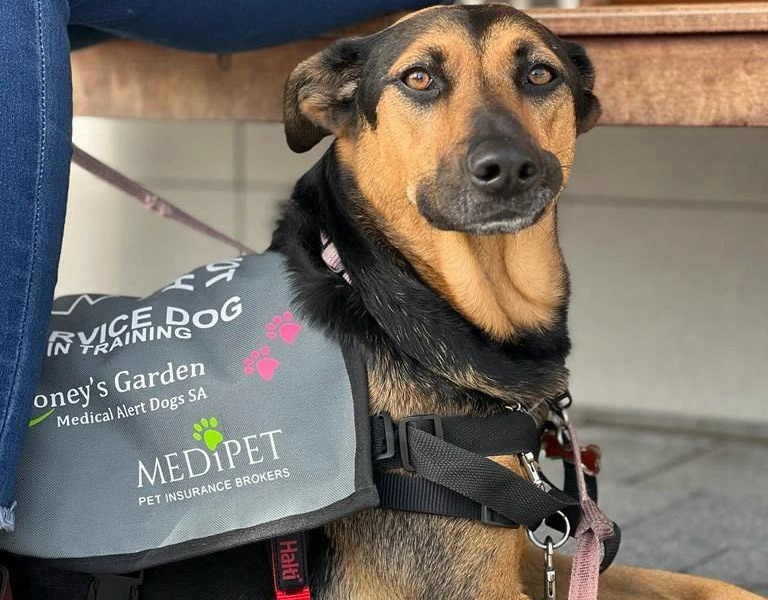
Credit: medicalalertdogs.co.za
Alert Behavior Training
Alert behavior training is the heart of preparing a diabetic alert dog to assist you effectively. This training teaches your dog to recognize and respond to changes in your blood sugar levels. The goal is for your dog to communicate these changes clearly and reliably, helping you manage your diabetes with greater confidence.
Teaching Alert Responses
Start by identifying the specific behavior your dog will use to alert you. Some dogs bark, paw, or nudge their owner, while others might fetch a specific item like a glucose meter. Choose a behavior that feels natural for your dog and easy for you to recognize.
Use scent samples from your blood sugar test strips or sweat collected during a low or high episode to train your dog. Reward your dog immediately when they show interest or alert to the scent. This helps them connect the scent with positive outcomes.
Reinforcing Alert Signals
Consistency is key. Reinforce the alert behavior with treats, praise, or play every time your dog performs it correctly. This keeps your dog motivated and eager to alert you.
Practice alerting during controlled sessions and gradually introduce distractions. Does your dog alert reliably when you’re cooking or watching TV? If not, gently redirect and reward again.
Generalizing Alerts In Different Environments
Dogs don’t automatically understand that alerting behavior applies everywhere. You need to train your dog in various settings—at home, outside, in stores, or at the doctor’s office. This makes their alerting reliable no matter where you are.
Try short training sessions in new places and increase the difficulty over time. Notice if your dog hesitates or misses alerts in busy or noisy environments. How can you adjust your training to keep your dog focused?
Public Access And Socialization
Public access and socialization are vital for diabetic alert dogs. These dogs work closely with their handlers in many places. They must feel calm and focused amid busy environments. Training should include exposure to different social settings. This helps the dog adapt to new sights, sounds, and people.
Socialization builds confidence in the dog. It reduces stress and improves their alert skills. A well-socialized dog can handle distractions and stay attentive. Training also teaches the dog how to behave politely in public. This ensures safety and comfort for both dog and handler.
Exposure To Crowded Places
Start training in quiet areas. Slowly introduce the dog to busier places like parks or stores. Let the dog observe crowds from a distance. Gradually reduce the space as the dog gains confidence. Frequent visits help the dog get used to noise and movement. This practice makes the dog ready for real-world situations.
Managing Distractions
Distractions can confuse a diabetic alert dog. Use controlled distractions during training. Examples include other animals, loud noises, and food smells. Teach the dog to focus on the handler despite distractions. Use rewards to reinforce good behavior. Practice regularly to strengthen the dog’s attention skills. This ensures reliable alerts in any environment.
Proper Public Etiquette
Teach the dog to behave politely in public. Training should include walking calmly on a leash. The dog should avoid jumping on people or barking. Practice sitting or lying down in busy places. Help the dog learn to stay close to the handler. Proper etiquette makes the dog welcome everywhere. It also helps the handler feel confident in public.

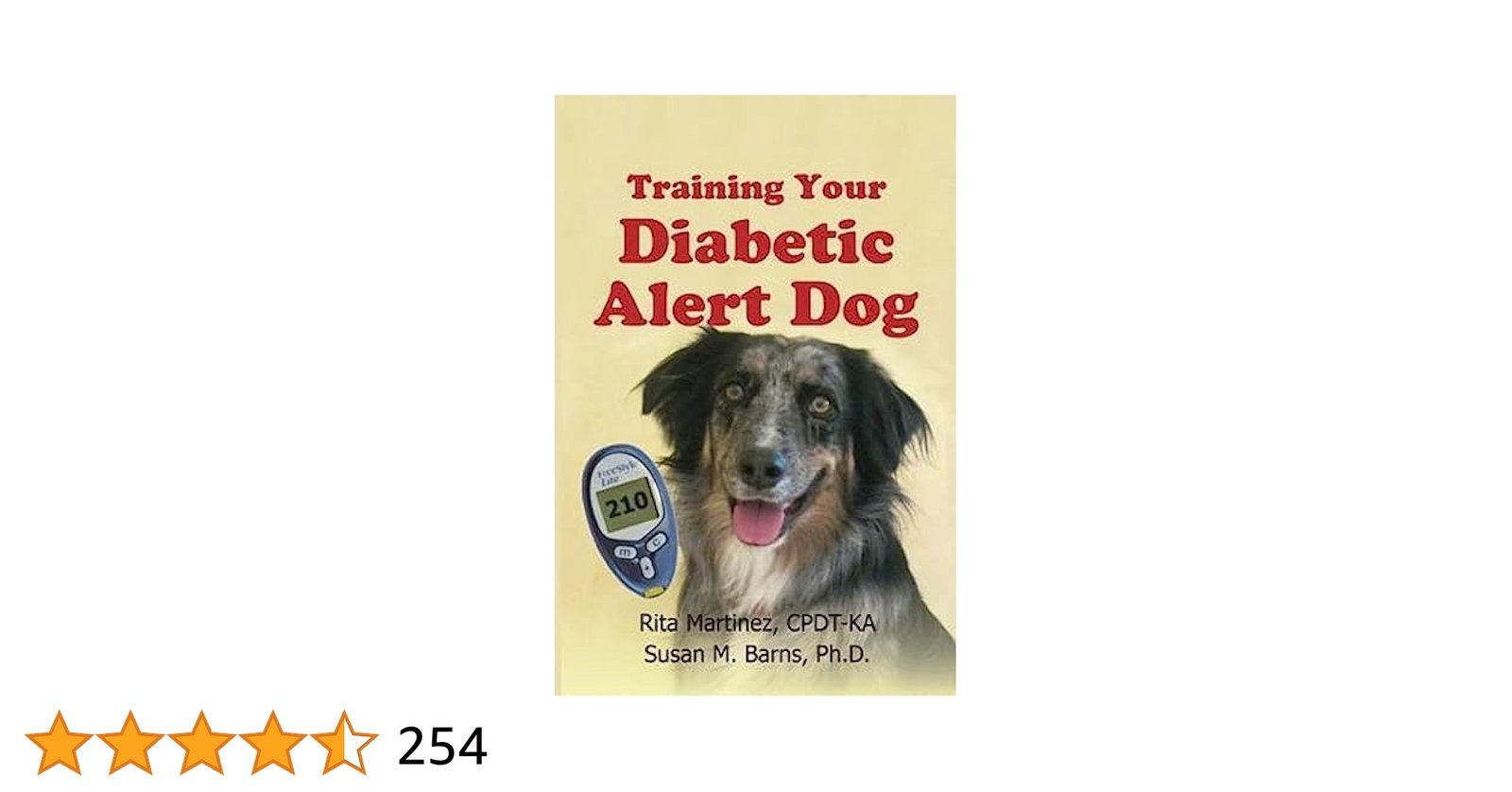
Credit: www.amazon.com
Ongoing Training And Maintenance
Training a diabetic alert dog doesn’t end once they learn to recognize your blood sugar changes. Ongoing training and maintenance are essential to keep their skills sharp and reliable. Regular attention helps your dog stay confident and accurate, while also ensuring they remain healthy and happy.
Regular Practice Sessions
Consistent practice is crucial to maintaining your dog’s alerting skills. Set aside short, daily sessions where you reinforce alerts using scent samples or simulated low and high blood sugar cues.
Keep these sessions positive and reward-based to avoid stress or confusion. Even a few minutes a day can make a big difference in how well your dog performs.
Have you noticed how your dog responds better after a quick refresher? That’s the power of regular practice keeping their instincts sharp.
Updating Alert Accuracy
As your body changes, your dog’s alert triggers might need adjustments. Regularly testing their response with up-to-date samples ensures they recognize your current scent signals accurately.
If your dog starts missing alerts or gives false alarms, it’s time to revisit training cues. Sometimes subtle changes in your routine or health can affect their performance.
Don’t hesitate to work with a professional trainer or your healthcare team to fine-tune your dog’s alerting behavior. Your dog’s accuracy directly impacts your safety.
Health Monitoring For The Dog
Your diabetic alert dog needs to be healthy to do their job well. Schedule regular vet visits and keep an eye on their diet, exercise, and overall well-being.
Stress and fatigue can reduce your dog’s alertness, so watch for signs of tiredness or discomfort. A well-rested and happy dog is more reliable and focused.
Have you noticed how your dog’s mood changes when they’re not feeling their best? Prioritize their health to maintain a strong partnership.
Legal And Certification Aspects
Training a diabetic alert dog goes beyond teaching commands and recognition skills. Understanding the legal and certification aspects is crucial to ensure your dog is recognized and protected under the law. This knowledge also helps you navigate your rights and responsibilities as a handler.
Service Dog Laws
Service dogs, including diabetic alert dogs, have specific legal protections under laws such as the Americans with Disabilities Act (ADA). These laws allow your dog to accompany you in public places where pets are usually not allowed.
However, not all assistance animals fall under the same rules. For example, emotional support animals do not have the same access rights as service dogs.
Have you ever wondered what qualifies a dog legally as a service animal? The key is that the dog must be trained to perform specific tasks directly related to your disability.
Certification Process
Unlike pets, service dogs often go through a certification or registration process to prove their training and legitimacy. While the ADA does not require official certification, many handlers opt for it to avoid disputes.
Certification typically involves:
- Completion of a recognized training program
- Demonstration of the dog’s skills in real-world situations
- Health and behavior evaluations
Choosing a reputable organization for certification can save you time and stress. Have you checked if your trainer or organization is recognized by national or local bodies?
Rights And Responsibilities
Owning a diabetic alert dog means you gain certain rights, but you also take on responsibilities. You have the right to access public spaces with your dog, but your dog must behave appropriately and not cause disruptions.
It's your responsibility to keep your dog well-trained, clean, and under control at all times. Ignoring these can lead to losing access rights.
Are you prepared to maintain your dog’s training and ensure it remains a reliable partner for your health needs?
Frequently Asked Questions
What Is A Diabetic Alert Dog?
A diabetic alert dog is trained to detect blood sugar changes. They sense low or high glucose levels and alert their owner promptly, helping prevent emergencies.
How Do Trainers Teach Diabetic Alert Dogs?
Trainers use scent training with samples of low or high blood sugar. Dogs learn to recognize these scents and respond with specific alert behaviors.
How Long Does Training A Diabetic Alert Dog Take?
Training usually takes 6 to 12 months. It depends on the dog’s breed, age, and the training methods used.
Can Any Dog Be Trained As A Diabetic Alert Dog?
Most dogs with a good sense of smell and temperament can be trained. Popular breeds include Labradors, Spaniels, and Poodles.
Conclusion
Training a diabetic alert dog takes time and patience. Consistent practice is key. Use positive reinforcement to encourage desired behaviors. This builds trust and understanding. Start with basic obedience commands. Gradually introduce scent training for low blood sugar detection. Reward successes with treats and praise.
Regular practice strengthens the dog's skills. A well-trained dog becomes a reliable companion. Such dogs provide comfort and security. They alert you to changes, helping manage diabetes better. Having a dedicated partner by your side makes life easier. Remember, persistence and patience lead to success.