Have you ever noticed your furry friend acting a bit off? Maybe they're not as playful as usual, or perhaps their coat isn't as shiny.
These subtle changes can be puzzling. One potential cause you might not have considered is worms. Yes, those pesky parasites can wreak havoc on your cat's health. You might wonder, "How can I tell if my cat has worms? " Spotting the signs early can make all the difference in ensuring your cat stays healthy and happy.
In this guide, we'll walk you through the telltale signs of worms in cats and what you can do to help your feline friend. Stick around, because the more you know, the better you can care for your beloved pet.
Common Worm Types In Cats
Cats can get several types of worms that affect their health. Knowing the common worm types helps you spot signs early. Each worm type has unique features and symptoms. Treating worms early keeps your cat happy and healthy.
Roundworms
Roundworms are the most common worms in cats. They look like white spaghetti strands. Cats catch them by eating infected animals or soil. Symptoms include a bloated belly, vomiting, and weight loss. Roundworms can also cause diarrhea and dull fur.
Tapeworms
Tapeworms are flat, segmented worms. Cats often get them from fleas. You might see small, rice-like segments around your cat’s anus or in their stool. Tapeworms cause itching and irritation near the tail. Sometimes, cats may lose weight or show mild digestive problems.
Hookworms
Hookworms are tiny but harmful parasites. They attach to the cat’s intestines and suck blood. This can cause anemia, weakness, and pale gums. Hookworms also cause diarrhea and dark, tarry stool. Kittens are especially vulnerable to severe infections.
Whipworms
Whipworms are less common but still dangerous. They live in the large intestine and cause inflammation. Symptoms include diarrhea, weight loss, and dehydration. Whipworms are harder to detect because signs can be mild or come and go. Regular vet checks help find them early.

Credit: www.youtube.com
Physical Signs Of Worms
Noticing physical signs of worms in your cat can help you act quickly and get the right treatment. These signs often show up in ways you might not expect, so keeping a close eye on your cat’s body and behavior is important. Here are some clear physical clues to watch for.
Visible Worms In Feces Or Fur
One of the most obvious signs is seeing worms in your cat’s stool or around their fur. Worms may look like tiny white grains of rice or spaghetti-like strands. If you spot these, it’s a strong indication your cat has an infestation that needs attention.
Check your cat’s fur especially near the anus, as worms or worm segments can sometimes stick there. Have you ever noticed anything unusual after your cat uses the litter box? That’s a good moment to look closely.
Changes In Appetite And Weight
Worms can affect how much your cat wants to eat. Some cats lose their appetite, while others may eat more but still lose weight. This happens because worms steal nutrients from your cat’s food, leaving them hungry and weak.
If your cat’s weight drops without any change in diet or activity, it’s a red flag. Are you tracking your cat’s eating habits and weight regularly? Small changes can reveal bigger health problems.
Swollen Abdomen
A swollen or bloated belly can signal a worm infection, especially in kittens. This happens when worms cause inflammation or blockages inside the intestines. The swelling might make your cat’s tummy look unusually round or tight.
If you gently press your cat’s belly and it seems hard or painful, don’t ignore it. Could this be a sign your cat needs a vet visit sooner rather than later? Early detection makes treatment easier and safer.
Behavioral Changes To Notice
Behavioral changes in cats often hint at health issues like worms. These changes might be subtle but are important to note. Observing your cat’s daily habits helps catch problems early. Worms cause discomfort that affects how cats act and feel.
Lethargy And Weakness
A cat with worms may seem tired and less active. Playtime and usual energy might drop. Weakness can make your cat rest more than usual. This happens because worms steal nutrients from their body.
Excessive Scratching Or Licking
Worm infections often cause itching and irritation. Cats may scratch their rear end or lick it frequently. This behavior tries to relieve discomfort caused by worms. Watch for red or swollen skin near the tail.
Vomiting And Diarrhea
Digestive issues are common in cats with worms. Vomiting or diarrhea can appear suddenly and last longer than normal. These signs indicate irritation inside the stomach or intestines. Keep an eye on your cat’s bathroom habits closely.

Credit: www.beaphar.co.uk
Health Risks Of Untreated Worms
Untreated worms in cats can cause serious health problems. These parasites affect your cat’s body and can lead to dangerous conditions. Understanding the risks helps in protecting your pet’s health. Early detection and treatment are important to avoid these issues.
Anemia And Nutritional Deficiencies
Worms feed on your cat’s blood and nutrients. This can cause anemia, making your cat weak and tired. Nutrients are not absorbed well, leading to poor growth. Your cat may lose weight and have a dull coat. These signs show your cat is not getting enough nutrition.
Intestinal Blockages
Large numbers of worms can block your cat’s intestines. This causes pain and stops food from moving properly. Your cat may vomit or have diarrhea. Blockages need quick medical care to avoid serious harm. Without treatment, the condition can become life-threatening.
Transmission To Humans
Some cat worms can spread to people. Children and adults can catch worms through contact with infected cats or their waste. This can cause stomach problems and other illnesses. Good hygiene and regular vet visits reduce the risk of spreading worms. Protect your family by keeping your cat worm-free.
Diagnosing Worms In Cats
Diagnosing worms in cats requires careful observation and professional tests. Worms can cause serious health issues if not treated promptly. Detecting them early helps protect your cat's well-being.
Many signs of worms are subtle or similar to other illnesses. Therefore, proper diagnosis involves specific tests and examinations by a veterinarian. These methods confirm the presence of worms and guide the right treatment.
Veterinary Fecal Tests
Fecal tests are the most common way to find worm eggs or larvae. The vet collects a small stool sample from your cat. This sample is examined under a microscope for parasites.
Fecal tests can detect various worms, including roundworms and tapeworms. Sometimes multiple samples are needed for accuracy. These tests are safe and quick.
Blood Tests
Blood tests help find certain types of worms that fecal tests might miss. They check for antibodies or antigens related to parasites. Heartworm infections are often diagnosed this way.
Blood tests provide detailed information about your cat’s health. Vets use them to detect internal infections and the severity of worm infestations.
Physical Examination
A physical exam helps spot signs of worms on the cat’s body. The vet checks the coat, eyes, mouth, and abdomen for abnormalities. Palpating the belly can reveal discomfort or swelling.
Visible signs like worms in feces or around the anus are also noted. The vet assesses overall health to decide if further tests are needed.
Treatment Options
Treating worms in cats requires prompt and effective care. Proper treatment helps your cat feel better quickly. It also prevents worms from spreading to other pets or humans. Treatment involves medicines, follow-up care, and steps to avoid future infections.
Deworming Medications
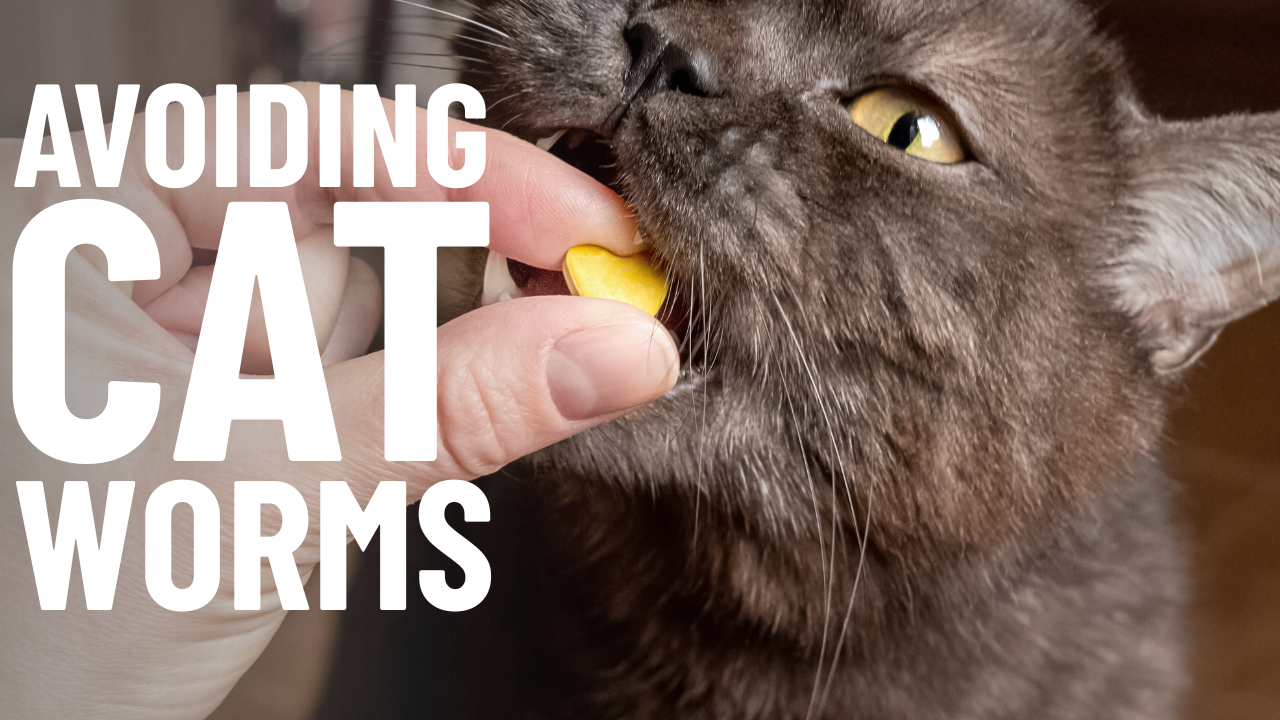
Deworming medicines kill the worms inside your cat’s body. These medicines come in many forms like pills, liquids, or injections. Your vet chooses the right medicine based on the type of worms. Always follow the vet’s instructions for dosage and timing. Never give human medicine to cats. Some common dewormers target roundworms, tapeworms, and hookworms.
Follow-up Care
After treatment, monitor your cat closely. Watch for signs of improvement like better appetite and energy. Your vet may ask for a stool test after a few weeks. This checks if worms are fully gone. Sometimes, a second dose of medicine is needed. Keep your cat’s living area clean to avoid re-infection. Clean litter boxes and bedding regularly.
Preventive Measures
- Regular vet check-ups to catch worms early
- Use monthly parasite preventives as recommended
- Keep your cat indoors or supervise outdoor time
- Keep food and water bowls clean
- Control fleas, as they spread tapeworms
Good hygiene and care reduce worm risks. Prevention saves your cat from discomfort and illness.
Preventing Worm Infestations
Preventing worm infestations is vital for your cat's health. Worms can cause serious problems if left unchecked. Taking steps to stop them early helps keep your cat happy and strong.
Regular Vet Visits
Schedule vet visits for your cat at least twice a year. Vets check for worms through stool tests and physical exams. Early detection helps treat worms before they spread. Vets can also recommend safe deworming medications. Keep your cat’s vaccinations and health records up to date.
Proper Hygiene
Clean your cat’s living area regularly to reduce worm risks. Dispose of feces promptly to stop worm eggs from spreading. Wash your hands after handling your cat or cleaning its litter box. Use fresh bedding and clean food and water bowls daily. Good hygiene limits worm exposure in your home.
Controlling Fleas And Parasites
Fleas can carry tapeworms and other parasites. Use flea control treatments recommended by your vet. Check your cat often for fleas and remove them quickly. Keep your yard and home free from fleas and ticks. Parasite control lowers the chance of worm infestations.

Credit: nexgardforpets.com
Frequently Asked Questions
How Can I Tell If My Cat Has Worms?
Look for symptoms like weight loss, vomiting, diarrhea, and a dull coat. Worm segments near the anus or in stool are clear signs.
What Are Common Symptoms Of Worms In Cats?
Common signs include itching around the rear, visible worms in feces, loss of appetite, and lethargy. Early detection is key.
Can Worms In Cats Cause Health Problems?
Yes, untreated worms can lead to anemia, malnutrition, and serious infections. They can also spread to humans.
How Do Vets Diagnose Worms In Cats?
Vets often perform stool tests to identify worm eggs. Physical exams and history help confirm the diagnosis.
Conclusion
Cats with worms often show signs you can spot early. Watch for changes in appetite, weight, or behavior. Keep an eye on their stool for unusual signs. Regular check-ups with a vet help catch worms fast. Treating worms early keeps your cat healthy and happy.
Pay attention to your cat’s health every day. Small actions protect your furry friend from serious problems. Stay informed and act quickly to keep worms away. Your cat depends on you for care and comfort.