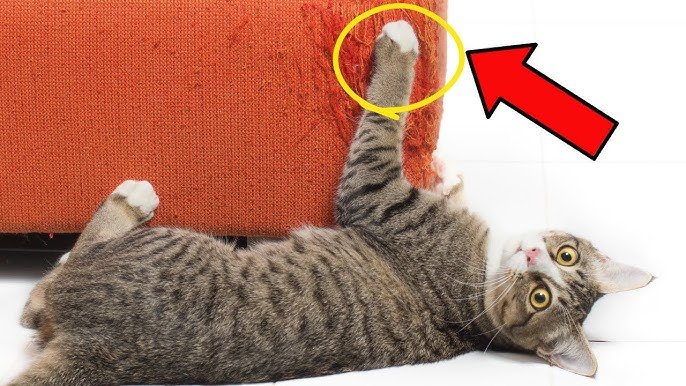
Is your favorite couch looking more like a cat’s personal scratching post? You’re not alone.
Cats love to scratch—it’s natural for them—but it can be frustrating when your furniture pays the price. What if you could protect your home without stressing your furry friend? You’ll discover simple, effective ways to stop your cat from scratching your furniture.
Keep reading, and you’ll learn how to save your space while keeping your cat happy and healthy.
Why Cats Scratch Furniture
Understanding why your cat scratches furniture can change how you handle this common behavior. Cats don’t scratch just to annoy you or ruin your belongings. There are clear reasons behind their actions that tap into their nature and needs.
Natural Instincts
Scratching is a natural behavior for cats. It helps keep their claws sharp and healthy by removing old outer layers. Think about your cat stretching and scratching right after a nap—that’s their body waking up and preparing for action.
If you’ve noticed your cat scratching a particular spot repeatedly, it’s often because it feels good and helps maintain their claws. This instinctive behavior is something you can’t simply stop; you need to redirect it.
Marking Territory
Scratching furniture is also a way cats mark their territory. They have scent glands in their paws that leave a unique smell on the scratched surface. This scent tells other cats, “This is my space.”
Have you ever wondered why your cat scratches the same chair or couch over and over? It’s their way of communicating ownership. Recognizing this can help you provide alternative places for your cat to mark, like scratching posts.
Stress Relief
Scratching is a powerful stress reliever for cats. If your feline feels anxious or bored, scratching helps release tension and provides mental stimulation. It’s their way of coping with changes or lack of activity.
Think about moments when your cat scratches more than usual—maybe after a move or when you’re away longer than usual. Offering your cat engaging toys and safe scratching areas can reduce this stress-driven behavior.
Credit: www.amazon.ca
Choosing The Right Alternatives
Choosing the right alternatives to protect your furniture from cat scratches is essential. Cats need to scratch, and providing suitable options can redirect their behavior in a positive way. The key is to find scratchers that appeal to your cat's instincts and place them where they naturally like to scratch.
Selecting Scratching Posts
Look for scratching posts that are sturdy and tall enough for your cat to stretch fully. Posts covered in natural materials like sisal are usually more attractive to cats than carpeted ones.
Think about your cat’s preferences—some prefer vertical posts, while others like horizontal scratchers. Offering variety can help you discover what your cat truly enjoys.
Types Of Scratchers
- Vertical Posts:Great for cats that like to stretch upward while scratching.
- Horizontal Scratch Pads:Perfect for cats who prefer scratching flat surfaces.
- Scratching Loungers:Combine resting and scratching, appealing to cats who like multitasking.
- Wall-Mounted Scratchers:Save floor space and can be placed at your cat’s favorite scratching height.
Have you noticed your cat scratching in a specific way? Matching the scratcher type to their style makes a big difference.
Placement Tips
Place scratching posts near the furniture your cat targets. This makes it easy for your cat to switch to the post instead of the couch.
Also, position scratchers in areas your cat frequents, like near their sleeping spots or windows. Cats often scratch when they wake up or feel excited.
Try moving the scratcher around if your cat ignores it. Sometimes, a small change in location sparks interest.
Training Your Cat
Training your cat to stop scratching furniture takes patience and consistency. It means teaching your furry friend where it’s okay to scratch and where it’s not. With the right approach, you can protect your home while respecting your cat’s natural instincts.
Redirecting Behavior
Instead of just stopping your cat from scratching, guide them to scratch in the right places. Place scratching posts or pads near the furniture they usually target. This helps your cat understand what’s acceptable.
Try moving the scratching post gradually to a preferred spot in the room once your cat uses it regularly. Use different textures like sisal or cardboard to see what your cat prefers. Have you noticed your cat favoring one type of material over another?
Positive Reinforcement
Reward your cat immediately when they use the scratching post. Use treats, gentle petting, or verbal praise to let your cat know they did something good. Timing is key—rewards should come right after the desired behavior.
Ignore unwanted scratching instead of punishing. Negative reactions can confuse your cat and make training harder. Have you tried celebrating small wins to keep your cat motivated?
Using Deterrents
Deterrents discourage your cat from scratching furniture without causing harm. You can use double-sided tape or aluminum foil on furniture surfaces; cats dislike the texture. Citrus scents or commercial sprays designed to repel cats can also be effective.
Remember to combine deterrents with positive reinforcement. Deterrents alone may not teach your cat where to scratch, but they help protect your furniture in the meantime. What creative deterrents have you tried that actually worked?

Credit: www.ysdiecut.com
Protecting Your Furniture
Protecting your furniture from your cat’s scratching can feel like a constant battle. Cats have a natural urge to scratch, and your couch or wooden table often becomes their target. But you don’t have to watch your furniture suffer; there are practical ways to safeguard your belongings while keeping your feline friend happy.
Furniture Covers
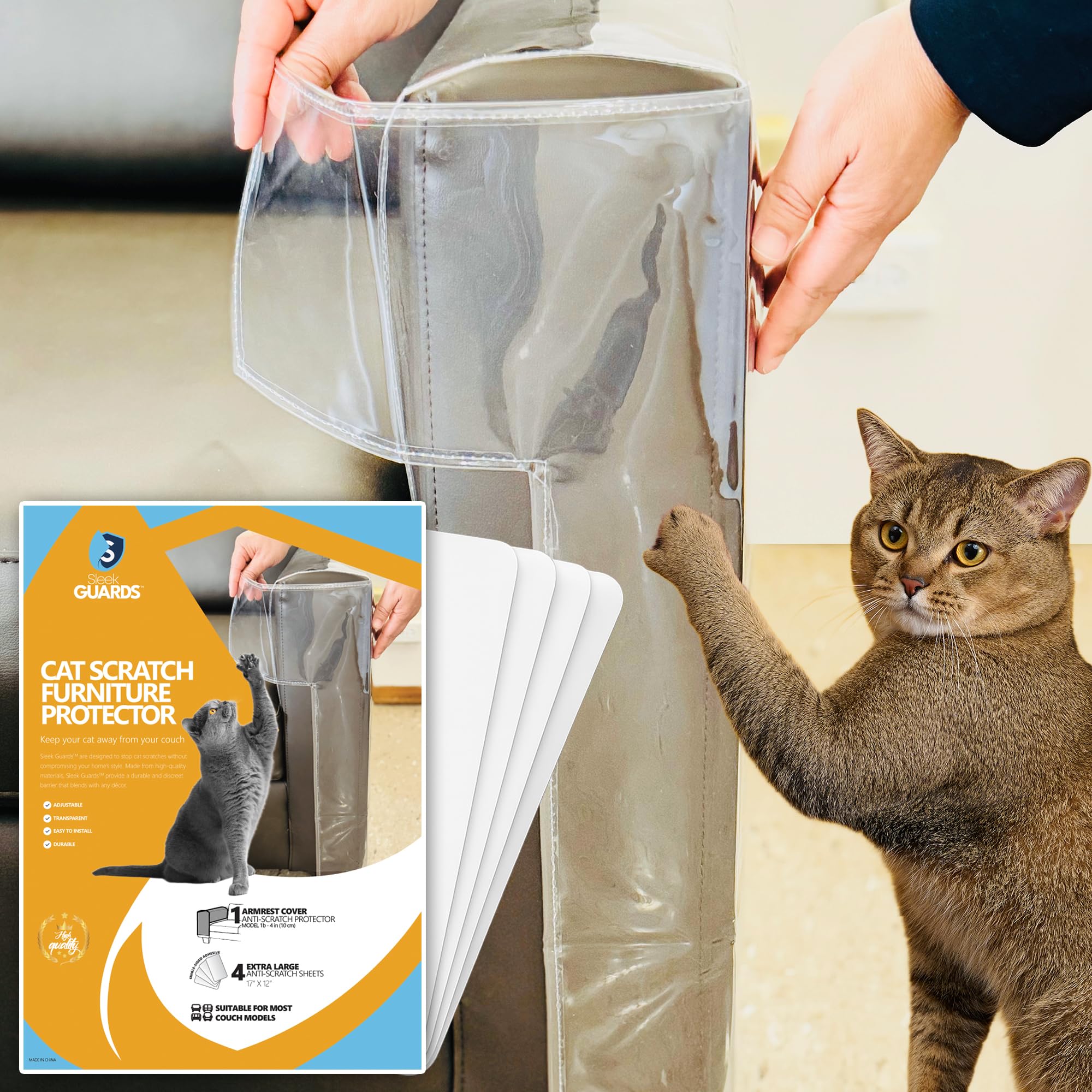
Using furniture covers is a simple yet effective way to protect your pieces. Covers made from tough fabrics or plastic can shield your sofas and chairs from scratches. If your cat starts clawing at the cover instead of the furniture, you’ve created a barrier that saves your investment.
Choose covers that are easy to clean and remove. You might even find stylish options that blend with your decor. Have you noticed how your cat reacts differently when the texture changes? This can be a useful clue to what keeps them away.
Double-sided Tape
Double-sided tape works surprisingly well to deter cats from scratching. Cats dislike sticky surfaces on their paws, so placing tape on the edges of furniture can discourage them. This method is inexpensive and easy to apply, making it a favorite for many pet owners.
Stick the tape along the areas your cat targets most. You can combine this with other tactics, like scratching posts, to give your cat alternative options. Ever tried this yourself? The initial resistance from your cat often fades quickly once they learn the surface isn’t comfortable.
Scent Repellents
Cats are sensitive to smells, and certain scents can keep them away from your furniture. Commercial cat repellents or natural options like citrus, lavender, or eucalyptus oils can be effective. Just spray these around the furniture edges, but avoid direct contact with your cat’s skin.
Be careful to test a small area first to ensure your furniture doesn’t get stained or damaged. Some cats may react differently, so observe your cat’s behavior after application. Could a subtle change in scent be the key to protecting your favorite armchair?
Maintaining Claw Health
Maintaining your cat’s claw health is a key part of preventing unwanted scratching on your furniture. Healthy claws mean your cat can scratch naturally without causing damage or discomfort. Paying attention to claw care helps protect both your home and your furry friend’s well-being.
Regular Trimming
Trimming your cat’s claws regularly keeps them short and less sharp. You don’t need special skills—just a pair of pet nail clippers and a bit of patience.
Try clipping every two to three weeks. If your cat resists, distract them with treats or gentle petting. Keeping claws trimmed reduces the chance of accidental scratches on furniture and people.
Soft Claw Caps
Soft claw caps are small plastic covers that fit over your cat’s claws. They act as a protective layer, preventing damage when your cat scratches.
Applying these caps may take a few tries, but many cat owners notice a drop in furniture scratching right away. Caps usually last several weeks and need to be replaced regularly.
Veterinary Care
Regular veterinary check-ups can catch any claw or paw problems early. Sometimes, excessive scratching is linked to pain or infection.
If your cat seems uncomfortable or is scratching more than usual, ask your vet to examine their claws and skin. Healthy paws mean happier cats and less furniture damage.
Creating An Enriching Environment
Cats scratch to mark territory and keep their claws sharp. Providing an enriching environment reduces the urge to scratch furniture. It keeps your cat busy and mentally healthy. A happy cat is less likely to damage your home.
Providing Toys
Toys help your cat stay active and entertained. Choose toys that mimic prey, like feathers or small balls. Rotate toys to keep your cat interested. Toys with different textures also stimulate scratching instincts.
Interactive Playtime
Spend time playing with your cat daily. Use wand toys or laser pointers to engage them. Interactive play strengthens your bond and burns energy. A tired cat scratches less out of boredom.
Safe Outdoor Access
Allow your cat safe access to the outdoors if possible. A secure catio or leash walk provides fresh air and new sights. Outdoor time satisfies natural instincts and reduces indoor scratching. Always supervise outdoor time for safety.

Credit: www.youtube.com
Frequently Asked Questions
How Can I Protect Furniture From Cat Scratching?
Use furniture covers or double-sided tape on areas cats scratch. Provide scratching posts nearby to redirect their behavior. Regularly trim your cat’s nails to minimize damage. Reward your cat when they use the post to reinforce good habits.
Why Do Cats Scratch Furniture?
Cats scratch to mark territory, sharpen claws, and stretch muscles. It’s a natural behavior that helps them stay healthy and relieve stress. Understanding this helps you manage their scratching without punishment.
What Types Of Scratching Posts Work Best?
Sturdy posts covered in sisal or cardboard are best. Vertical posts suit cats who like to stretch upward. Horizontal mats work for cats that prefer scratching flat surfaces.
Can Sprays Stop Cats From Scratching Furniture?
Yes, deterrent sprays with scents cats dislike can discourage scratching. Always test sprays on fabric to avoid damage. Combine sprays with positive reinforcement to improve results.
Conclusion
Stopping your cat from scratching furniture takes patience and persistence. Use scratching posts as a healthy alternative. Keep them near the furniture your cat loves. Reward positive behavior with treats and affection. Trim your cat's nails regularly to reduce damage.
Consider protective covers for your furniture. Engage your cat with toys to keep them active and entertained. Understand your cat's needs and natural instincts. With time, your efforts will pay off. Your furniture will thank you, and your cat will be happier.
Stay consistent, and enjoy a scratch-free home.