
Are you tired of discovering new scratch marks on your favorite couch? Your cat might see your furniture as the perfect scratching post, but you see it as a costly nuisance.
You're not alone in this struggle. Many cat owners face the same challenge, trying to balance their pet's natural instincts with keeping their home intact. Imagine the relief of finally finding a solution that keeps both you and your feline friend happy.
We'll explore effective strategies to redirect your cat's scratching behavior and protect your beloved furniture. Stick around to learn how you can transform your living space without compromising your cat’s happiness.

Credit: www.ysdiecut.com
Why Cats Scratch
Understanding why cats scratch is key to protecting your furniture while keeping your feline friend happy. Scratching isn’t just a random habit; it serves important purposes in a cat’s life. Let’s break down the main reasons behind this behavior so you can address it effectively.
Instinct And Behavior
Scratching is a natural instinct deeply rooted in a cat’s behavior. It helps them stretch their muscles and keep their paws flexible. You might notice your cat stretching and scratching after a nap—that’s their way of waking up their body.
Have you ever seen your cat scratch a post right after waking? It’s not just play; it’s a vital part of their daily routine that keeps them physically and mentally sharp.
Marking Territory
Cats use scratching to mark their territory visually and with scent glands in their paws. When your cat scratches furniture, they leave behind marks that tell other cats, “This space belongs to me.”
This is especially important in multi-pet households or outdoor cats who encounter other felines. Understanding this can help you choose alternatives like designated scratching posts that satisfy their need to claim space.
Nail Health
Scratching helps cats keep their nails healthy by removing the outer dead layers. It’s like a natural manicure for them. Without this, their nails can become overgrown and uncomfortable.
If your cat suddenly stops scratching, check their nails for issues. Encouraging healthy scratching habits can prevent painful nail problems and keep your cat comfortable.
Identifying Problem Areas
Stopping a cat from scratching furniture starts with spotting the problem areas. Cats choose spots that feel good to scratch or where they can mark their territory. Finding these places helps protect your furniture and keep your cat happy. Watch your home carefully to see where the damage happens most.
Common Targets
- Couch arms and sides
- Wooden chair legs
- Door frames and edges
- Carpet edges
- Table corners
- Soft cushions and pillows
Cats like rough or soft surfaces that let their claws dig in. These targets often become their favorite scratching spots.
Signs Of Damage
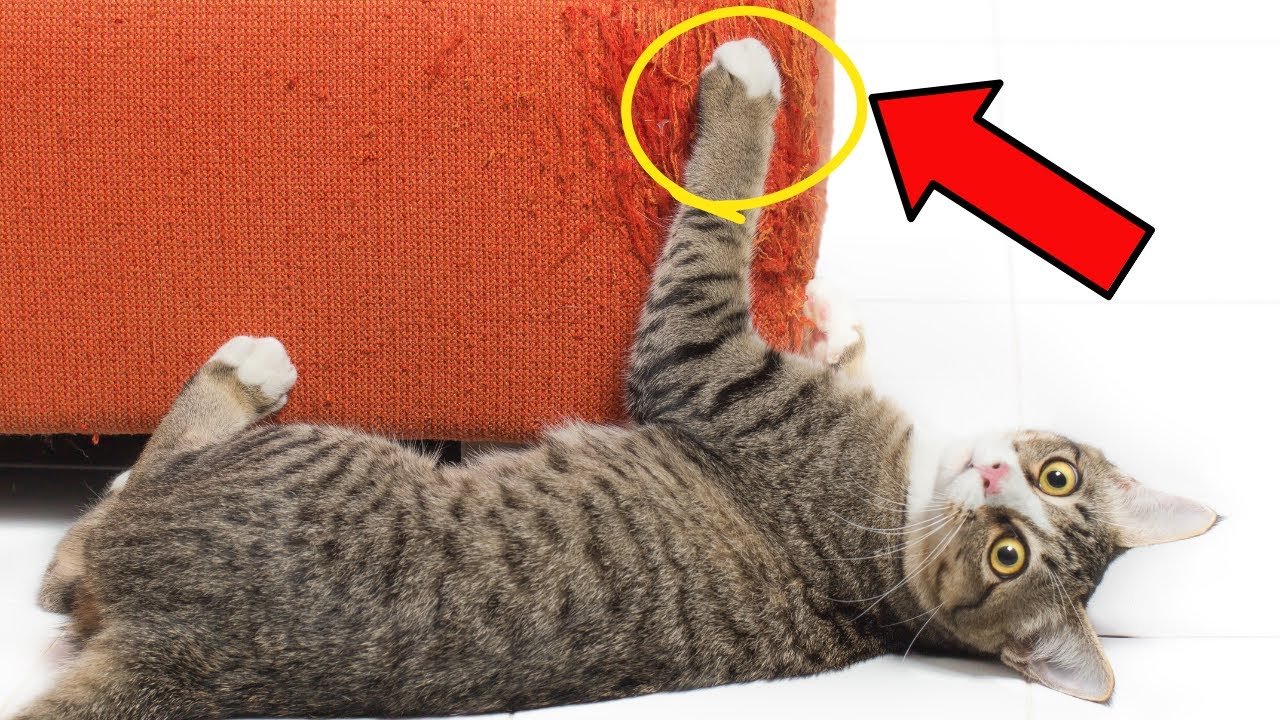
- Frayed fabric or torn upholstery
- Visible claw marks on wood or leather
- Loose threads or stuffing coming out
- Scratches on walls or baseboards
- Small holes or worn spots on furniture
Checking for these signs helps you catch the problem early. Fixing or protecting these areas can stop more damage.
Preventive Measures
Preventing your cat from scratching furniture takes more than just reacting after the damage is done. You need to set up your home and habits to discourage this behavior before it starts. This means using smart deterrents, protecting your furniture, and keeping your cat happily engaged.
Using Deterrents
Deterrents can be simple yet effective tools to keep your cat away from furniture. You can try double-sided tape on spots your cat likes to scratch—cats dislike sticky textures. Citrus scents also work well, as many cats avoid the smell of lemon or orange.
Another option is to use a pet-safe spray designed to repel cats. Make sure to reapply regularly and observe if your cat reacts. Have you noticed your cat’s reaction to certain smells or textures around the house? That can guide you to the best deterrent for your situation.
Furniture Protection
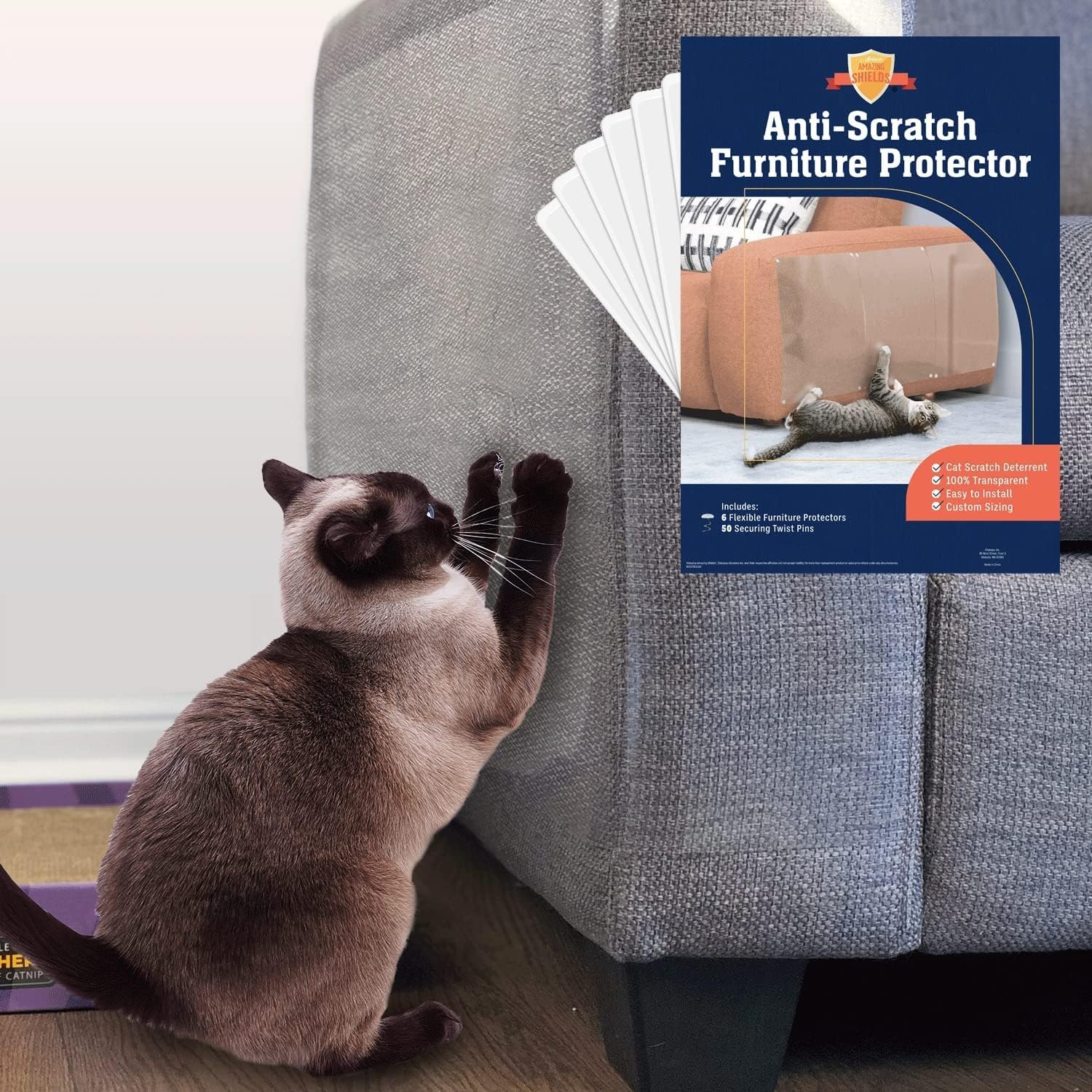
Protecting your furniture doesn’t mean covering everything with plastic, which can be uncomfortable for both you and your cat. Instead, use slipcovers or furniture protectors made from materials cats find unappealing, like vinyl or leather.
Scratching posts placed close to furniture can redirect your cat’s behavior. You can also add corner protectors or scratch guards to vulnerable areas. This approach keeps your furniture safe while gently training your cat to use appropriate surfaces.
Environmental Enrichment
Many cats scratch out of boredom or to stretch their muscles. Providing plenty of toys and climbing options can reduce their urge to target furniture. Think about adding cat trees, puzzle feeders, or interactive toys to keep your cat busy.
Changing your cat’s environment regularly can also spark their interest. Rotate toys and try new play routines. When was the last time you introduced a new activity for your cat? Keeping their environment fresh can make a big difference in their behavior.

Credit: www.amazon.com
Training Your Cat
Training your cat to stop scratching furniture requires patience and a clear plan. Cats scratch to mark territory and keep their claws healthy, so your goal isn’t to stop scratching altogether but to guide it to appropriate places. Your approach will shape your cat’s behavior more than any punishment ever could.
Redirecting Scratching
Provide appealing alternatives like scratching posts or pads near the spots your cat usually targets. Place them in high-traffic areas or next to furniture your cat favors. Experiment with different materials—carpet, sisal, or cardboard—to see what your cat prefers.
If you catch your cat scratching furniture, gently move them to the scratching post. This redirection helps them learn where it’s okay to scratch without feeling punished. Have you noticed your cat’s favorite spots? Use those clues to position alternatives effectively.
Positive Reinforcement
Reward your cat immediately after they use their scratching post. Use treats, petting, or praise to make the behavior feel rewarding. This encourages them to repeat the good habit.
Try to catch your cat in the act of using the post, so the reward connects directly with the behavior. Over time, your cat will associate the scratching post with positive experiences, making furniture less tempting.
Consistency Tips
Be consistent in redirecting and rewarding your cat. Mixed signals confuse your pet and slow progress. Everyone in the household should follow the same rules to maintain a clear message.
Set a routine for training sessions, even if it’s just a few minutes a day. Cats respond well to predictable patterns, which helps them learn faster. How consistent are you willing to be to protect your furniture while keeping your cat happy?
Choosing The Right Scratching Posts
Choosing the right scratching posts is key to protecting your furniture from your cat’s claws. Not every scratching post will catch your cat’s interest. You want something that fits their style and needs.
Types And Materials
Cats have preferences for different textures. Some love rough sisal rope, while others prefer soft carpet or cardboard. Try a few types to see what your cat likes best.
Vertical posts help cats stretch their bodies, while horizontal scratchers let them dig in with their paws. Does your cat like climbing or lounging? That can guide your choice too.
Placement Strategies
Put scratching posts near the spots your cat already likes to scratch. That might be beside the couch or near a favorite window. This makes it easier for your cat to switch from furniture to the post.
Also, place posts in different rooms to give your cat options. Think about where your cat spends most of their time. You want the post to be convenient and visible, not tucked away.
Encouraging Use
To get your cat interested, sprinkle some catnip on the post or dangle a toy nearby. Praise and treats right after they use the post can build good habits fast. Have you noticed how cats respond to small rewards?
If your cat ignores the post, try moving it or changing its texture. Sometimes a little trial and error can make a big difference. The goal is to make the post more appealing than your furniture.
Nail Care For Cats
Nail care plays a key role in stopping cats from scratching your furniture. Keeping your cat's nails well-maintained reduces damage. It also keeps your cat comfortable and healthy. Regular care helps prevent sharp nails from tearing fabric or wood surfaces. Simple nail care routines fit easily into your daily schedule.
Trimming Techniques
Trim your cat’s nails carefully to avoid hurting them. Use sharp, small nail clippers made for pets. Hold your cat gently but firmly. Look for the pink area inside the nail called the quick. Avoid cutting into the quick as it causes pain and bleeding.
- Trim only the sharp tip of the nail.
- If unsure, trim less and do more often.
- Use a calm voice and reward your cat after trimming.
Soft Nail Caps
Soft nail caps are a gentle way to protect furniture. These small, plastic covers fit over your cat’s nails. They stop scratching damage while allowing normal claw use. Nail caps come in various sizes and colors. They need to be replaced every few weeks as nails grow.
- Apply nail caps with a non-toxic adhesive.
- Keep your cat calm during application.
- Check caps regularly for wear and tear.
When To Seek Help
Seek help if your cat’s nails look infected or grow too fast. Signs include redness, swelling, or limping. A veterinarian can trim nails safely and check for problems. Professionals can also show you how to trim nails properly at home.
Regular vet visits keep your cat’s paws healthy. Nail care is part of overall cat wellness.
When To Consult A Veterinarian
Recognizing when to consult a veterinarian is key to stopping your cat from scratching furniture. Scratching is normal, but sudden changes or extreme behavior might signal deeper issues. A vet can help identify problems beyond simple bad habits.
Behavioral Issues
Sometimes scratching shows stress or anxiety in cats. Changes in home environment or routine may cause this. A vet can assess your cat’s mental health. They may suggest calming treatments or behavior therapy. Early help prevents damage and improves your cat’s well-being.
Health Concerns
Excessive scratching might point to health problems. Skin infections, allergies, or parasites cause discomfort. Pain or irritation makes cats scratch more. A vet exam can diagnose these issues. Treating health problems often stops destructive scratching.

Credit: www.youtube.com
Frequently Asked Questions
How Can I Train My Cat To Stop Scratching Furniture?
Use positive reinforcement and provide scratching posts. Reward your cat when it uses the post. Gently redirect them if they scratch furniture.
What Are The Best Alternatives To Protect Furniture?
Place scratching posts or pads near furniture. Use furniture covers or double-sided tape to deter cats from scratching.
Why Do Cats Scratch Furniture Frequently?
Cats scratch to mark territory, sharpen claws, and stretch muscles. It’s a natural and necessary behavior for them.
Can Nail Trimming Reduce Furniture Scratching?
Yes, regular nail trimming reduces damage. Keep claws short to minimize scratching impact on furniture.
Conclusion
Stopping your cat from scratching furniture takes patience and care. Offer your cat good scratching posts nearby. Use gentle deterrents on furniture surfaces. Praise your cat when it uses the posts. Keep your cat’s nails trimmed regularly. These small steps protect your home and keep your cat happy.
Scratch marks will reduce over time. Enjoy a peaceful home and a content pet. Simple habits make a big difference every day.