Are you tired of finding ants crawling all over your cat’s food? It’s frustrating to see those tiny invaders spoil your pet’s mealtime.
You want to keep your cat happy and healthy without the hassle of dealing with ants. The good news is, there are simple and effective ways you can stop ants from invading your cat’s food bowl. Keep reading, and you’ll discover easy tricks you can use right now to protect your furry friend’s food and keep those unwanted guests away for good.
Why Ants Are Attracted To Cat Food
Ants are surprisingly attracted to cat food, and understanding why can help you keep these tiny invaders away. Your cat’s food has qualities that appeal directly to ants, making it a hotspot for their foraging. Recognizing what draws ants in is the first step to protecting your pet’s meals from becoming a buffet for insects.
Sweet And Protein Appeal
Ants are drawn to both sweet and protein-rich foods, and cat food often contains both. Many dry and wet cat foods have added sugars or sweeteners that ants find irresistible. At the same time, the high protein content from meat or fish in the food is a strong attractant for ants looking for nutrition.
Think about the last time you spilled a little cat food on the floor. Did you notice ants showing up quickly? This is because even small crumbs or residues release odors that ants can detect from a distance. Their sense of smell is incredibly sharp, guiding them straight to your cat’s bowl.
Common Entry Points
Ants don’t just appear out of nowhere; they have favorite routes into your home and to the cat food. Cracks in walls, gaps around doors, and even tiny openings near windows serve as highways for ants. Moisture around pet feeding areas can also encourage ant activity since they need water as much as food.
- Check for openings near the floor and baseboards.
- Inspect window sills and door frames for small cracks.
- Look under sinks or near plumbing where moisture collects.
Have you ever considered that the placement of your cat’s food bowl might be inviting ants? Moving the bowl away from walls or sealing entry points nearby can reduce ant visits significantly. Small changes in where and how you serve your cat can make a big difference.
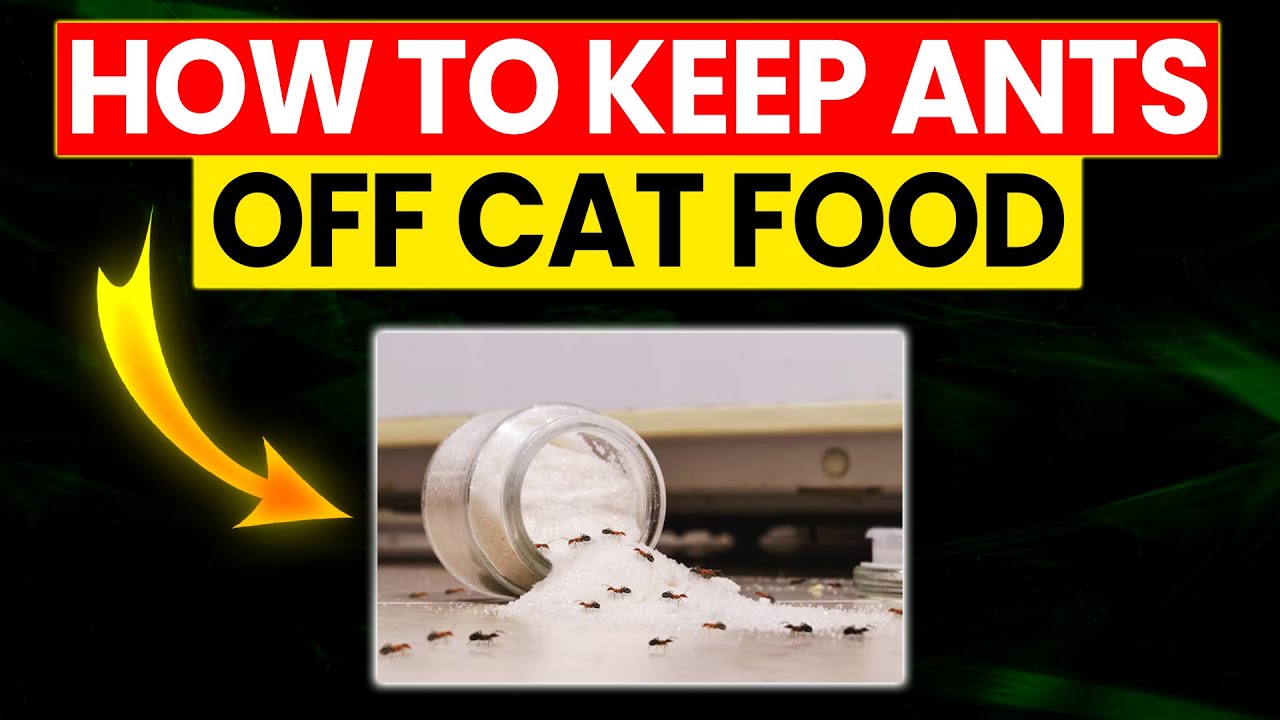
Credit: www.youtube.com
Choosing The Right Cat Food Storage
Choosing the right cat food storage is key to keeping ants away. Proper storage stops ants from smelling and reaching the food. It also keeps the food fresh longer. The right container and feeding setup can make a big difference. Simple choices help protect your cat’s meals from pests.
Sealed Containers
Sealed containers block ants from entering the food. Use airtight plastic or metal containers with tight lids. Clear containers help you see the food level easily. Clean the container regularly to avoid leftover crumbs. Store dry cat food in these containers to keep it fresh and pest-free.
Elevated Feeding Stations
Elevated feeding stations raise the food off the ground. Ants find it harder to reach food that is higher up. Use bowls with stands or place the bowl on a small table. Clean the area around the feeding station every day. This setup reduces the chance of ants invading the food bowl.
Cleaning Tips To Deter Ants
Keeping ants away from your cat’s food involves more than just barriers or repellents. Cleanliness plays a crucial role in discouraging these tiny invaders. By maintaining a clean feeding area and bowl, you reduce the chances of ants finding a reason to come back.
Regular Bowl Washing
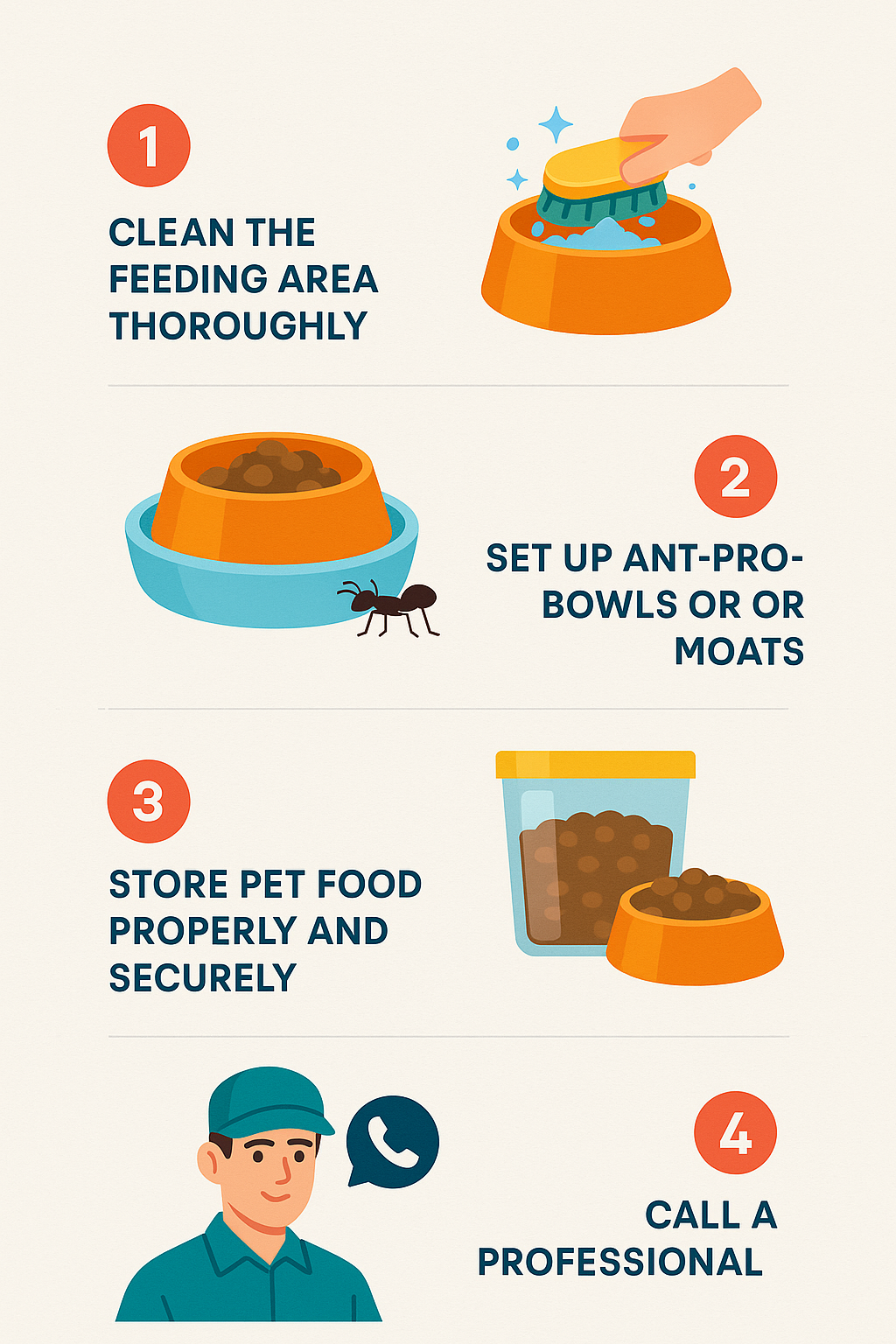
Wash your cat’s food bowl after every meal. Leftover food residue, even tiny crumbs, can attract ants quickly. Use warm, soapy water to remove oils and smells that cling to the bowl’s surface.
Rinse the bowl thoroughly to avoid any soap taste that might deter your cat from eating. Dry the bowl completely before refilling it to prevent moisture buildup, which ants love. Have you noticed how even a small sticky spot on the bowl invites ants? That’s why washing regularly is a simple yet powerful deterrent.
Area Sanitation
Clean the feeding area daily, wiping up any spilled kibble or wet food. Ants follow scent trails, so removing crumbs and food stains stops them from tracking back. Don’t forget to sweep or vacuum the floor around the feeding spot.
Consider wiping the floor with a mixture of vinegar and water to eliminate odors ants find attractive. Check nearby surfaces for sticky residues or drips from water bowls. How often do you think about the hidden crumbs under the feeding mat? Addressing those spots can make a big difference in keeping ants away.

Credit: www.youtube.com
Natural Ant Repellents Safe For Cats
Keeping ants away from your cat's food bowl is important for your pet's health. Natural ant repellents offer a safe way to protect the food without harmful chemicals. These options use simple ingredients that cats tolerate well.
Natural repellents work by creating scents ants dislike. At the same time, these smells are mild or even pleasant to cats. Using these options ensures your cat stays safe and comfortable around their food.
Vinegar And Citrus
Vinegar is a strong ant deterrent. Its smell confuses ants and keeps them away from food areas. Mix equal parts water and white vinegar in a spray bottle. Spray around the cat's feeding spot, but not on the food.
Citrus peels, like lemon or orange, also repel ants. Place small pieces near the food bowl. Ants avoid citrus scents because they find them unpleasant. These natural items are safe for cats and add a fresh smell.
Herbs And Essential Oils
Some herbs work well against ants. Mint, basil, and rosemary have strong scents ants dislike. Keep fresh sprigs near the cat's food. Replace them regularly to keep the smell strong.
Essential oils like peppermint or eucalyptus can repel ants too. Dilute a few drops in water and spray around the feeding area. Avoid applying oils directly on the cat or food. Use these carefully, as some oils may irritate pets in high amounts.
Physical Barriers To Block Ants
Physical barriers offer a simple and effective way to keep ants away from cat food. These barriers block the ants’ path, stopping them before they reach the food. Using physical barriers reduces the need for chemicals and keeps your pet’s eating area clean and safe. Here are some easy and practical options to try.
Water Moats
Water moats create a natural barrier ants cannot cross. Place your cat's food bowl inside a larger dish filled with water. The water acts like a moat around a castle, preventing ants from reaching the food.
- Use a shallow bowl or tray that fits under the food dish.
- Fill the tray with a few centimeters of water.
- Check water levels daily and refill as needed.
- Clean the moat regularly to avoid mold or bacteria.
This method is safe and eco-friendly. It works well indoors and outdoors.
Sticky Tapes And Barriers
Sticky tapes stop ants by trapping them on contact. Wrap tape around the base of the cat food container or stand. The sticky surface catches ants trying to climb up.
- Choose non-toxic, pet-safe sticky tape.
- Apply tape on smooth surfaces for best grip.
- Replace tape as it fills with ants or dust.
- Keep the area dry to maintain stickiness.
Sticky barriers are easy to set up. They provide a quick shield that helps keep ants away from food bowls.
When To Use Chemical Solutions
Chemical solutions can help control ants around cat food. Use them only if natural methods fail. Safety for your pet is the top priority. Choose products designed to keep animals safe. Avoid harsh chemicals that could harm your cat or contaminate food.
Pet-safe Insecticides
Pet-safe insecticides contain ingredients that do not hurt cats. These products often come in gels, sprays, or powders. Apply them around the feeding area, not on the food itself. Follow the instructions carefully to avoid risks. These insecticides target ants without risking your pet's health.
Professional Pest Control
Calling a professional pest control service can solve severe ant problems. Experts know how to use chemicals safely around pets. They can find and treat ant nests effectively. Professionals use methods that protect your cat and home. This option is best for large or persistent infestations.
Routine Habits To Prevent Ant Infestations
Keeping ants away from your cat's food requires simple, daily habits. These habits create a clean and controlled feeding area. They stop ants from getting attracted to the food. Consistent care helps keep your pet’s eating spot ant-free and safe.
Feeding Schedules
Feed your cat at set times each day. Avoid leaving food out all day long. Remove leftover food within 20-30 minutes after feeding. This prevents ants from smelling and reaching the food. Use small portions that your cat can finish quickly. Regular feeding times teach your cat to eat promptly.
Monitoring And Maintenance
Check the feeding area daily for crumbs or spills. Clean bowls and the surrounding floor after each meal. Use warm, soapy water to wash food dishes thoroughly. Wipe down surfaces to remove any food residue. Store extra cat food in airtight containers. These steps stop ants from finding food sources.

Credit: smart.dhgate.com
Frequently Asked Questions
How Can I Prevent Ants From Reaching Cat Food?
Store cat food in airtight containers. Clean feeding areas regularly. Use ant deterrents like vinegar or lemon around bowls. Avoid leaving food out overnight to reduce attraction.
What Natural Remedies Keep Ants Away From Cat Food?
Sprinkle cinnamon, coffee grounds, or diatomaceous earth near food bowls. These natural barriers repel ants without harming pets. Regularly refresh these substances for effective prevention.
Is It Safe To Use Ant Baits Near Cat Food?
Avoid placing ant baits close to cat food. Many contain harmful chemicals. Instead, use pet-safe ant control methods and keep feeding areas clean to minimize ant presence.
Why Do Ants Get Attracted To Cat Food?
Ants seek protein and sugars in cat food. Wet and dry food both attract them. Spilled food crumbs and leftover moisture increase ant activity around feeding areas.
Conclusion
Keeping ants out of cat food is simple with these tips. Use airtight containers for storage. Place food bowls in a water moat. Clean feeding areas regularly to deter ants. Natural repellents like vinegar and cinnamon work well too. Try feeding your cat indoors to avoid ants.
Consistency is key. Stay vigilant and adjust methods as needed. Your cat's food stays safe and ant-free with some effort. Happy feeding!